
Frequency Mismatch
The operating band does not align with the real system requirement, causing poor matching or limited usable bandwidth.
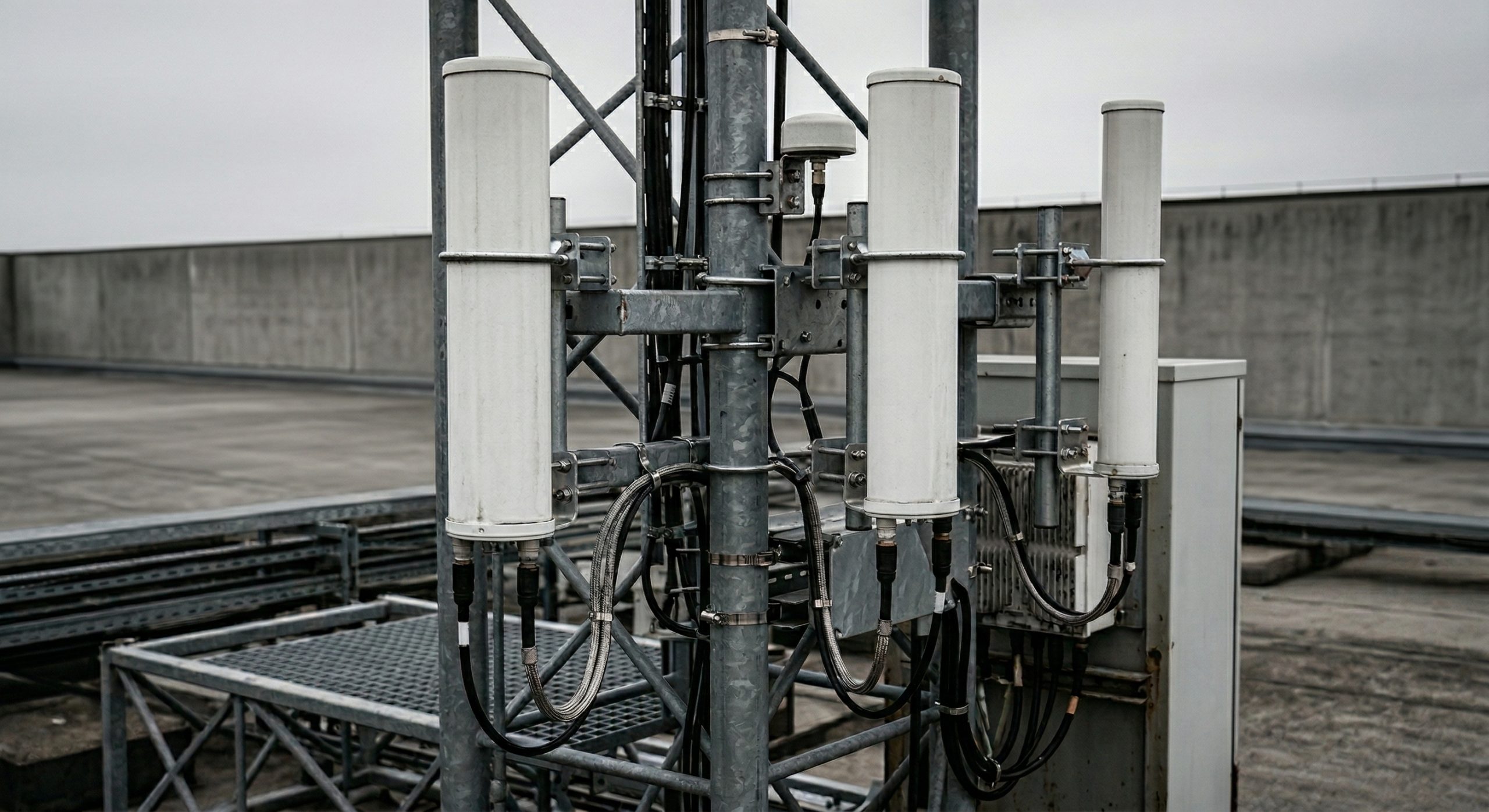
Factory-direct custom antenna engineering from 30MHz to 6GHz
CorelixRF develops application-specific RF antennas based on your frequency band, gain target, radiation pattern, polarization, connector interface, mounting structure, power handling, and deployment environment. We support feasibility review, prototype validation, RF testing, documentation, and controlled batch production.
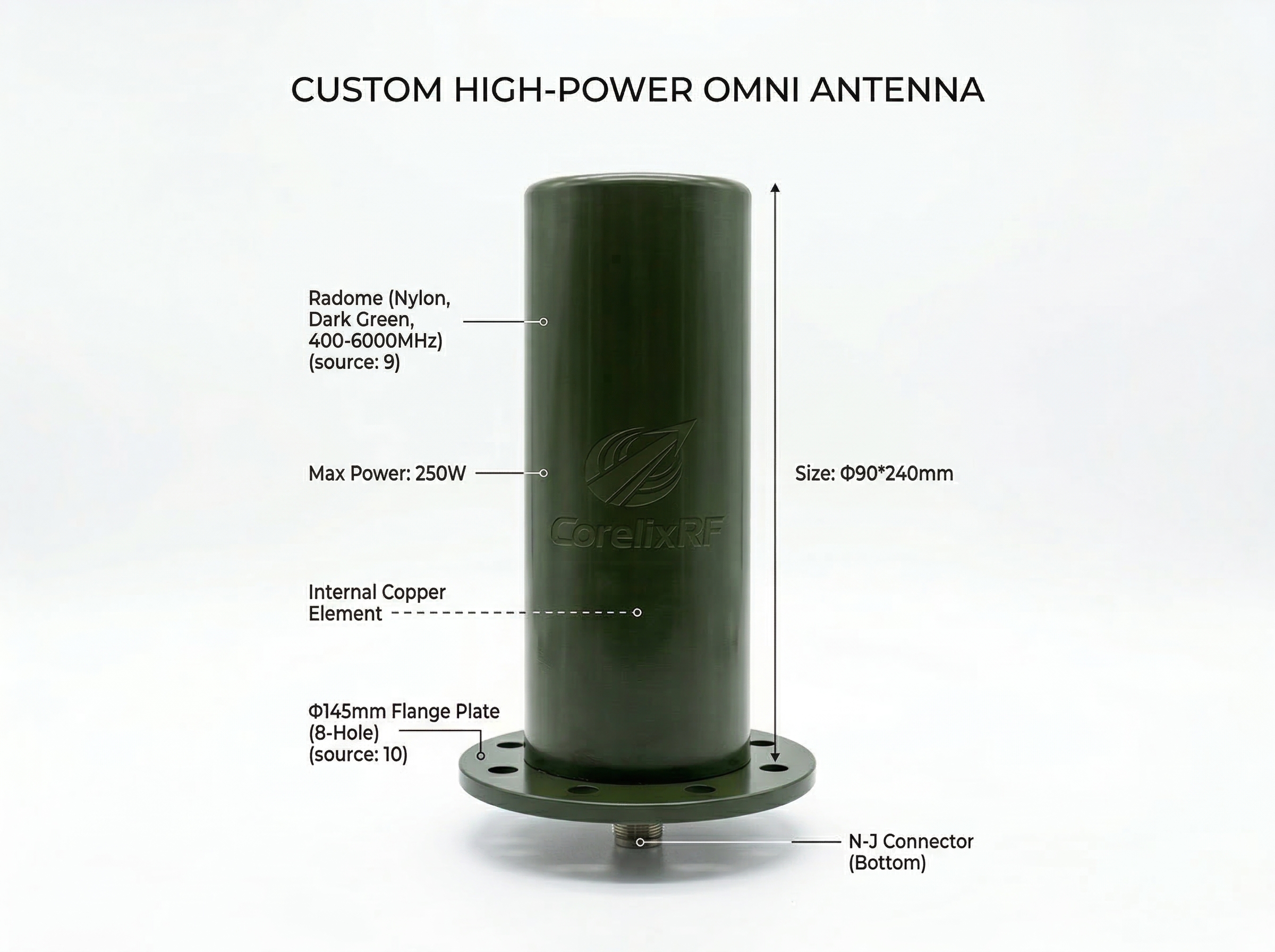
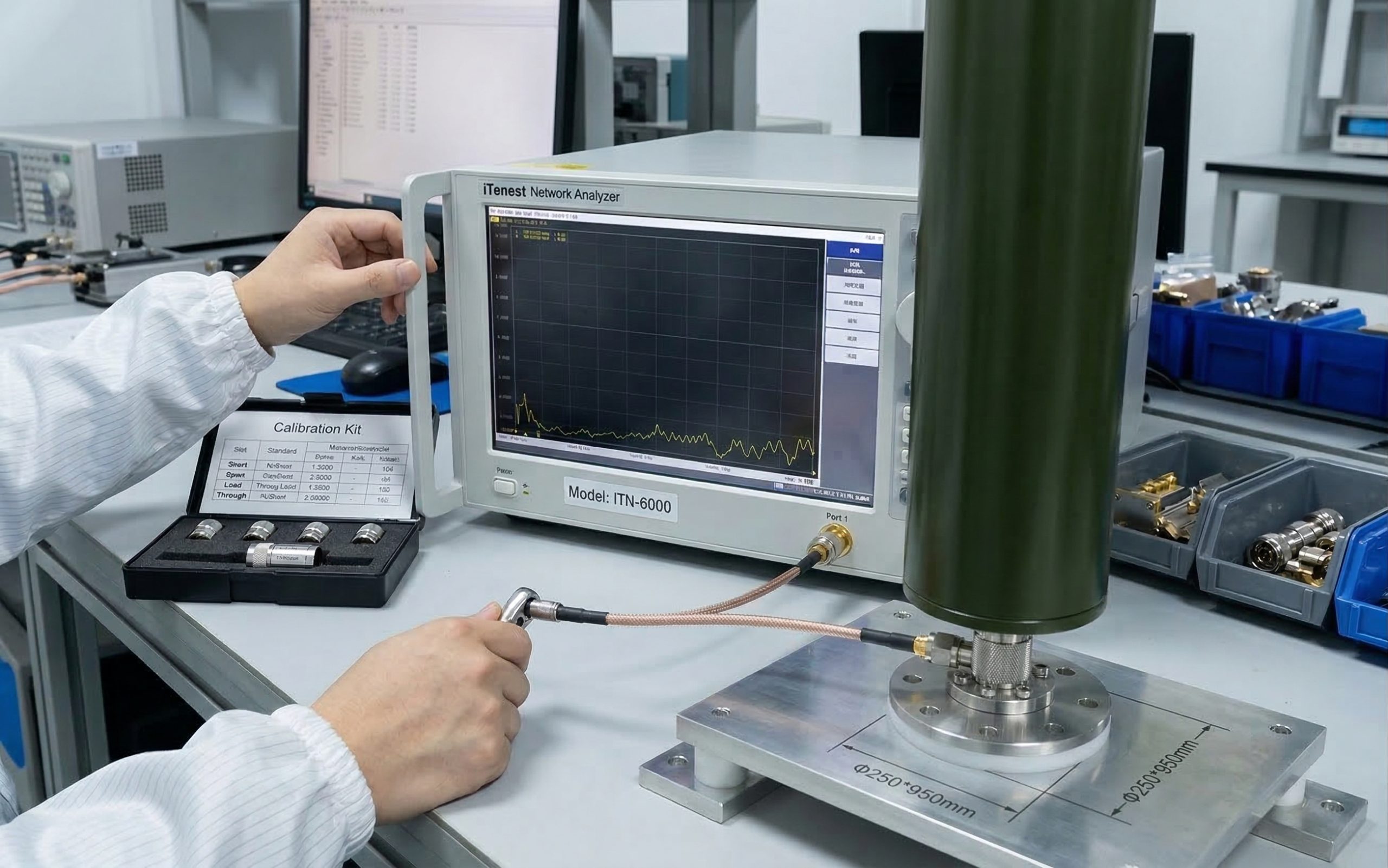
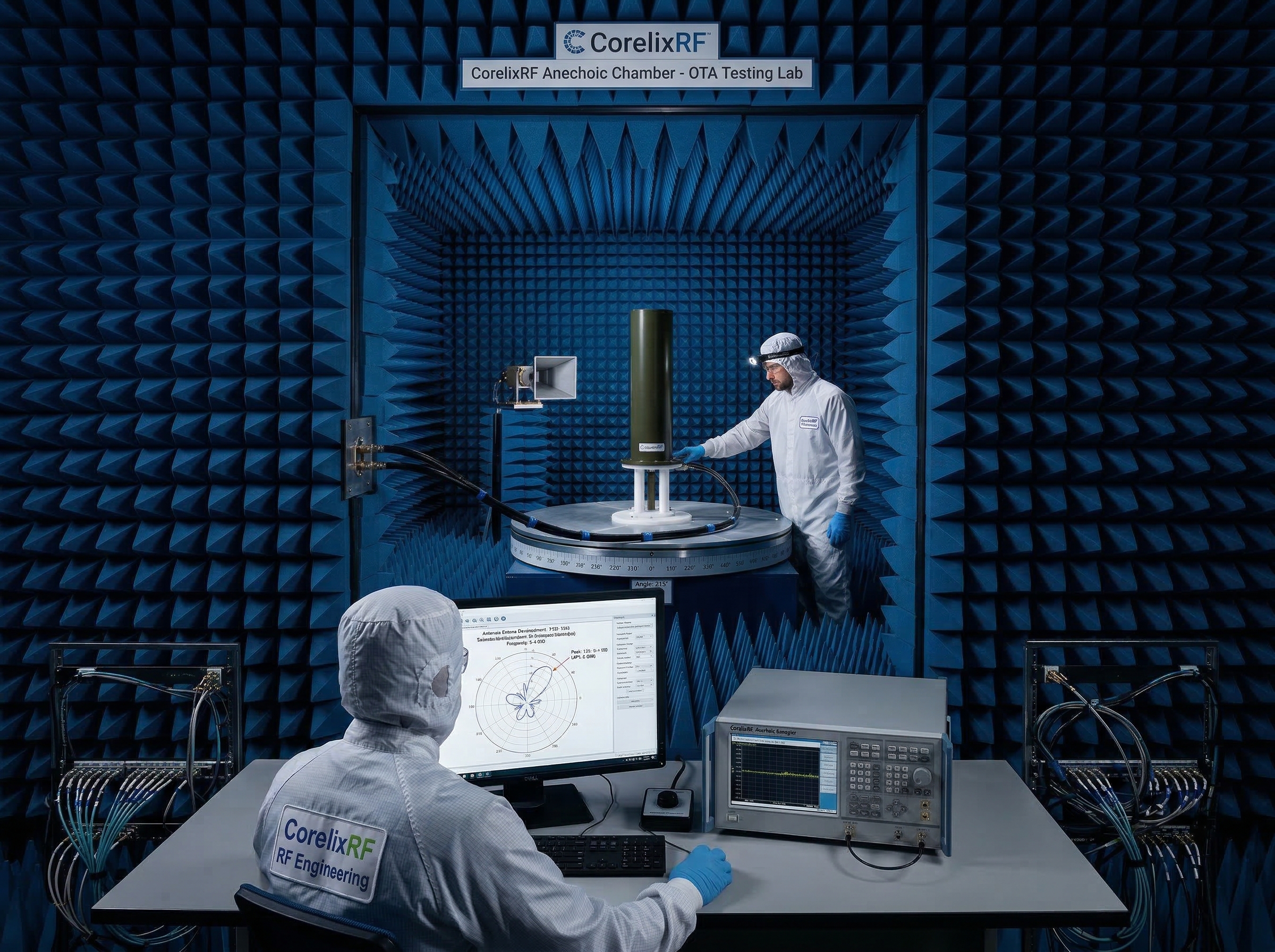
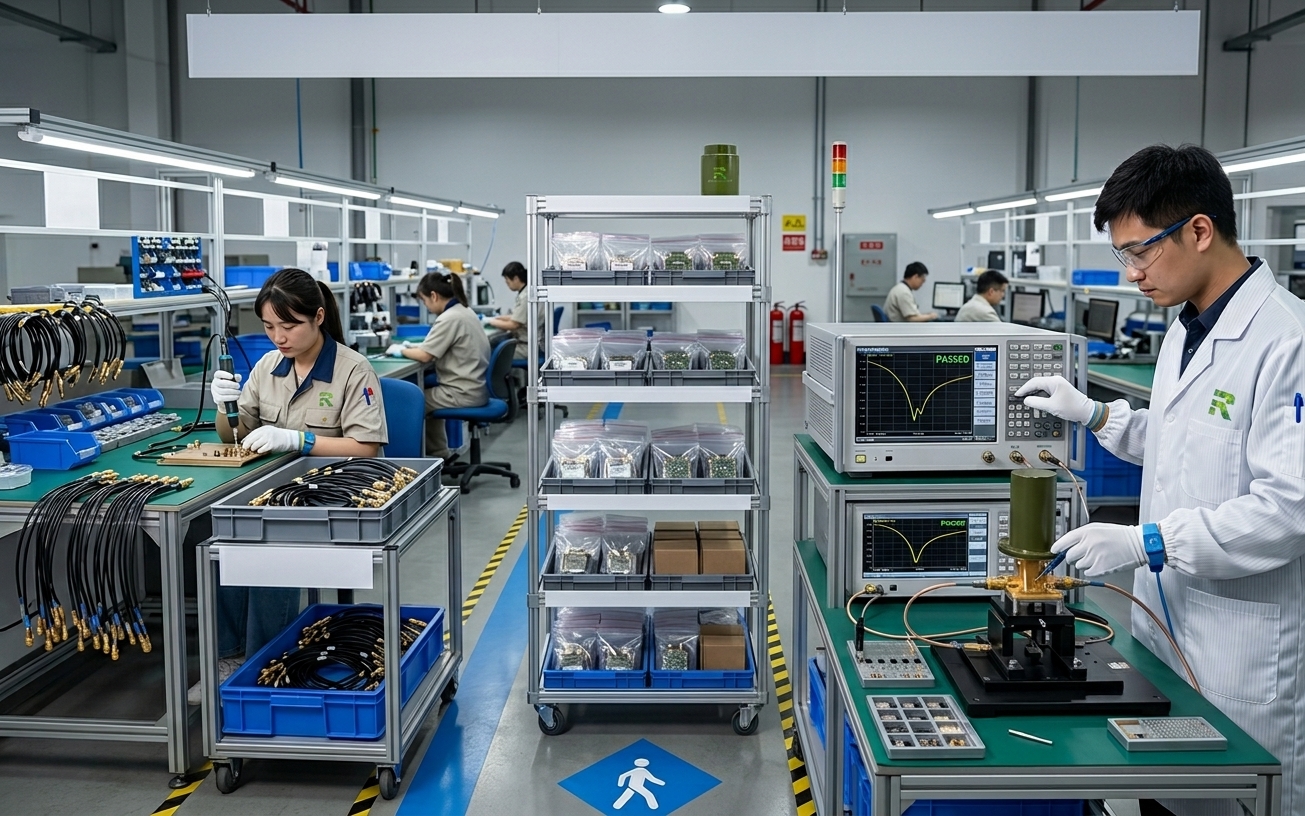
Many RF projects fail at the antenna stage because standard models force compromises. Custom engineering solves these problems by designing around real RF, mechanical and deployment conditions.
The operating band does not align with the real system requirement, causing poor matching or limited usable bandwidth.
Gain targets may not match available size, beamwidth, coverage direction, or installation geometry.
Space, bracket, radome, vehicle body, mast, or enclosure limits are often ignored in catalog selection.
Antenna power handling, duty cycle, cable loss and amplifier output may not be reviewed together.
Outdoor exposure, vibration, temperature and sealing requirements can exceed off-the-shelf assumptions.
Custom antenna development should review RF performance and mechanical integration as one engineering package, not as separate catalog choices.
Custom operating bands, bandwidth, matching targets and project-defined RF coverage.
Balance directivity, coverage, front-to-back behavior, omni coverage or directional focus.
Vertical, horizontal, circular or project-defined polarization review based on system deployment.
N-type, SMA, TNC, cable length, connector placement and feed routing options.
Vehicle, mast, enclosure, flange, clamp, bracket, radome color and mechanical protection.
Review CW or pulse power, duty cycle, amplifier compatibility and thermal constraints.
Standard architectures serve as engineering baselines. Each platform can be reviewed for frequency, gain, pattern, mechanical form, connector, environment and production requirements.
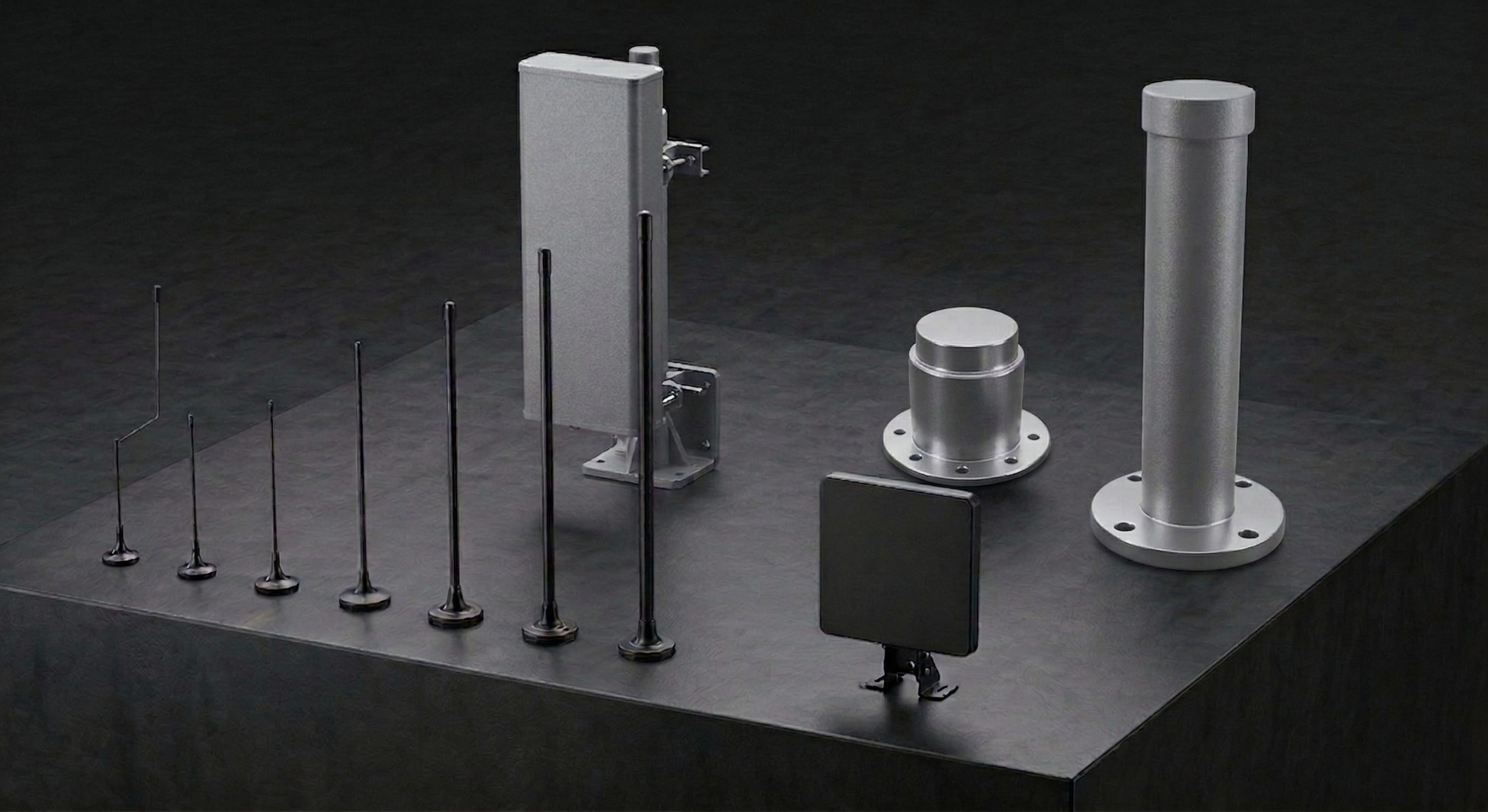
For 360° RF coverage, fixed stations, vehicle-mounted systems and outdoor communication links.
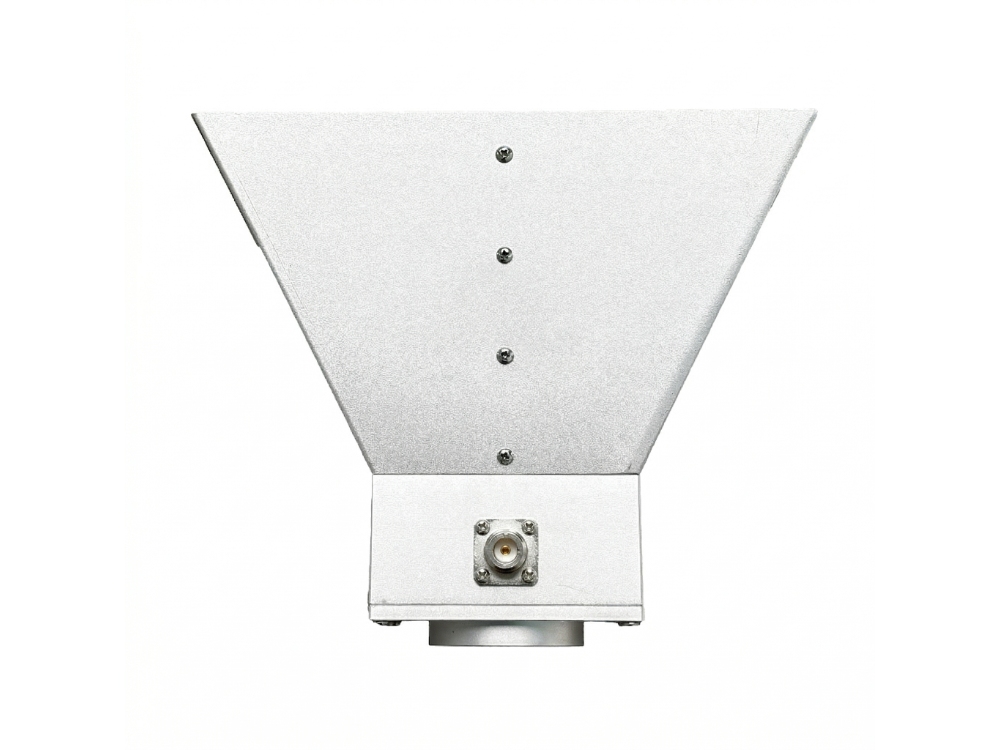
For point-to-point links, sector coverage, UAV-related RF links and fixed directional installations.
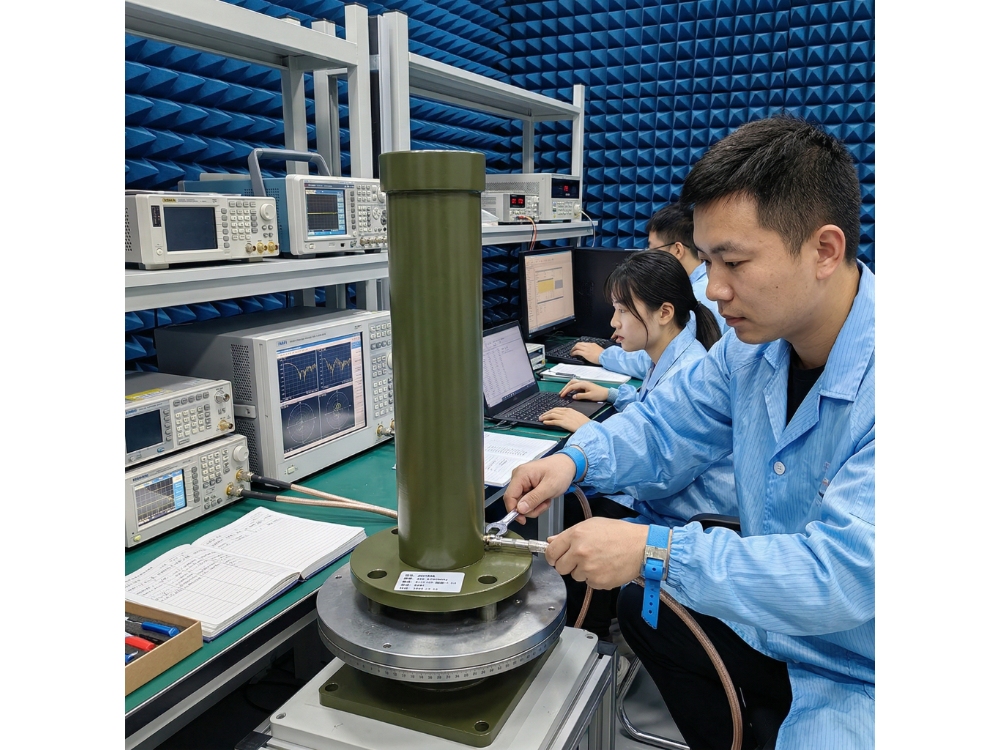
For RF testing, EMC, directional transmission, laboratory measurement and wideband validation.
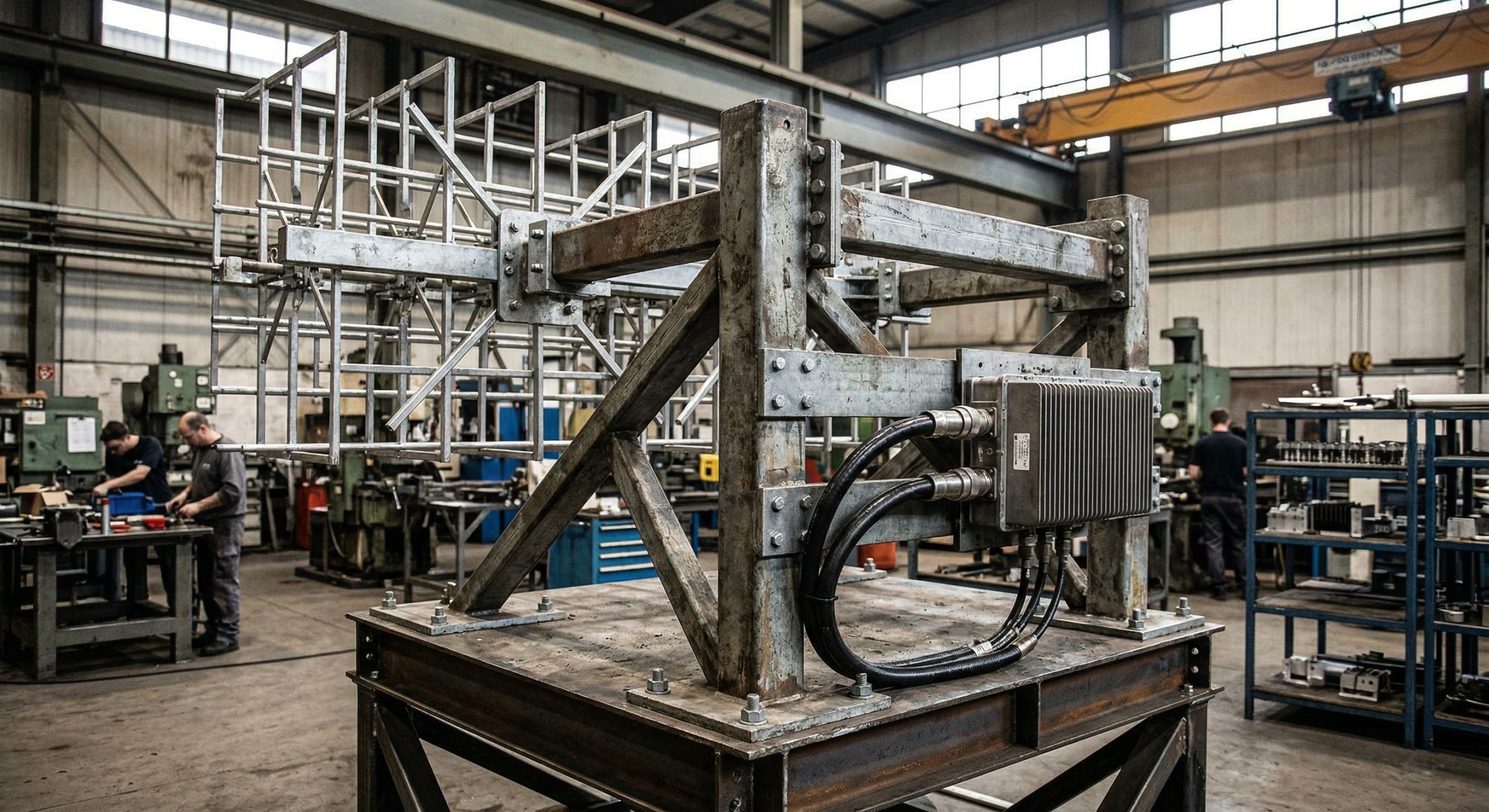
For multi-band RF systems, test platforms and integration projects requiring flexible band coverage.

For system-level RF platforms where antenna placement, isolation, cable routing and enclosure fit matter.
Custom antenna sourcing should include feasibility review, RF test data, mechanical confirmation and export-ready documentation before the project moves into batch production.
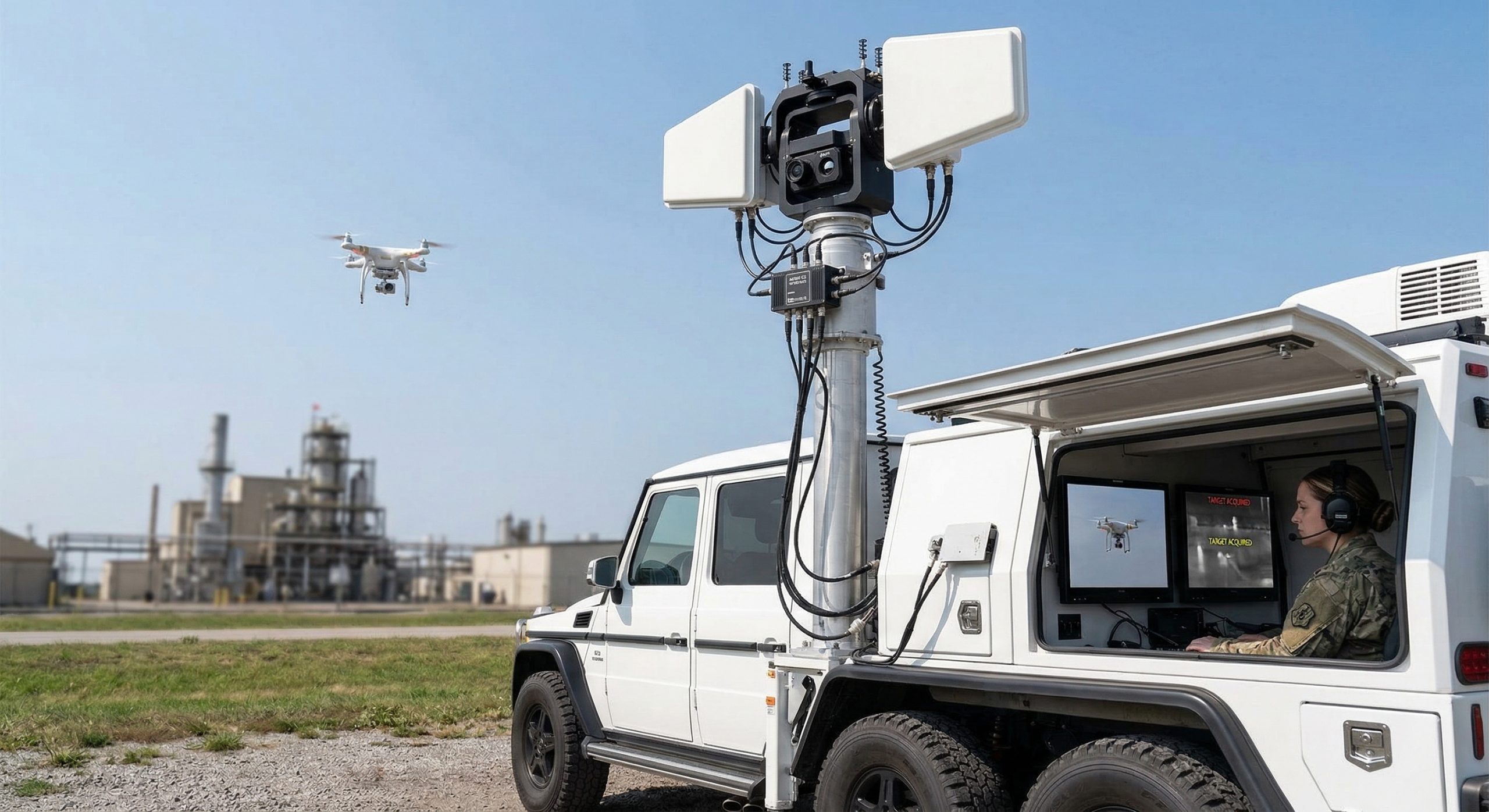
We review frequency, gain, pattern, size, mounting, connector, power handling and deployment constraints before prototype direction.
VSWR, gain reference, radiation pattern, connector interface and representative test data can be prepared for project review.
Mounting method, radome, enclosure, cable routing, connector placement and installation feasibility are reviewed before production.
Datasheets, test records, model references, packing information, OEM documents and NDA-based engineering files can be supported.
A structured path helps procurement and engineering teams avoid moving too fast into production before RF and mechanical risks are reviewed.
Collect frequency, gain, pattern, polarization, mounting, environment, quantity and documentation needs.
Review antenna feasibility against system constraints, size, connector, cable and power requirements.
Recommend a standard baseline, modified platform or custom development direction.
Prepare sample or prototype units for engineering evaluation where project feasibility allows.
Support VSWR, gain, pattern, connector, mounting and documentation review before batch approval.
Move into controlled manufacturing, packing and export documentation support after validation.
Custom antenna work is most valuable when the RF system has frequency, mechanical, power, environmental or integration constraints that standard models cannot resolve.
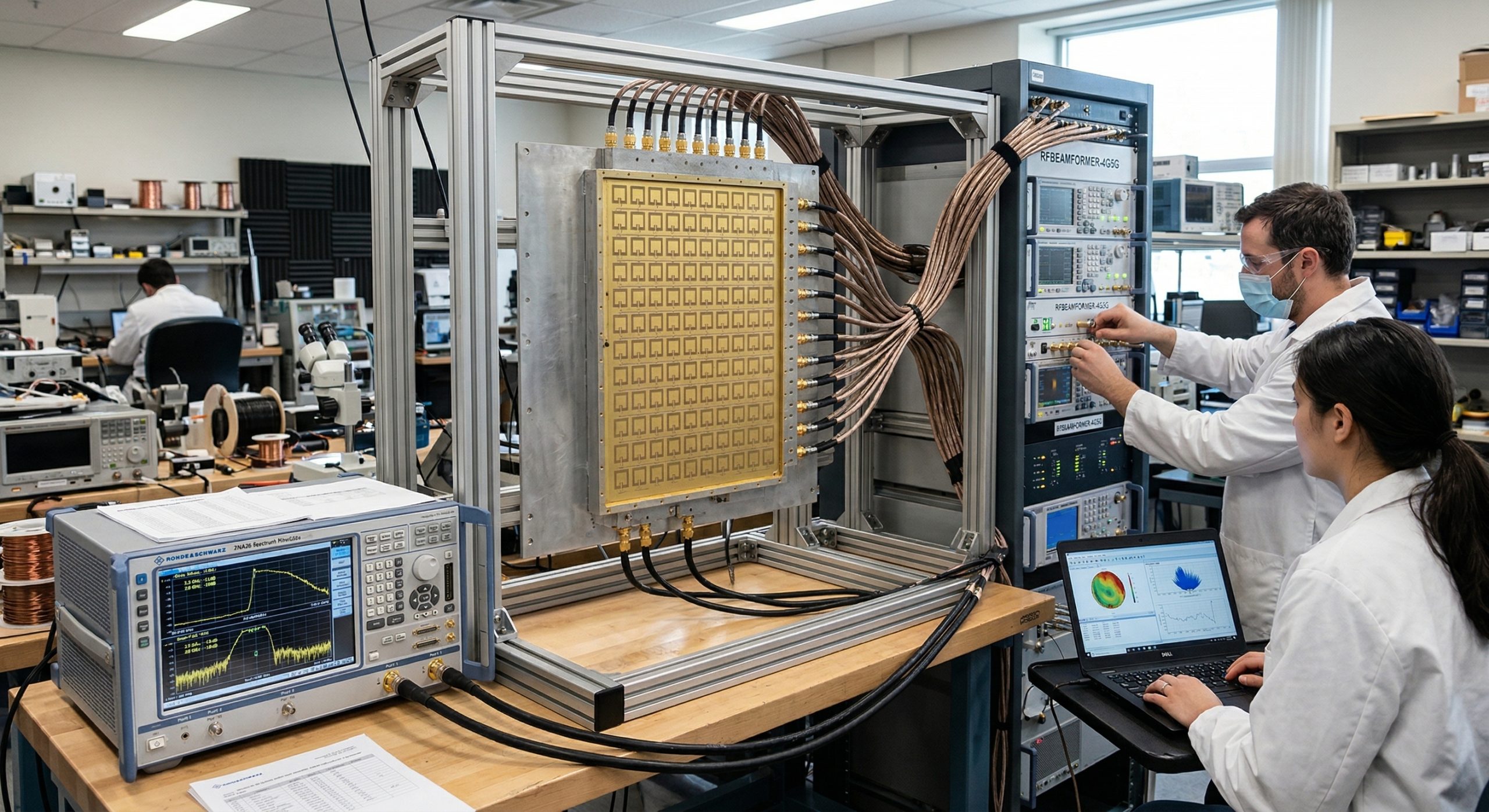
Custom antenna review for ground stations, telemetry channels, and project-defined link requirements.
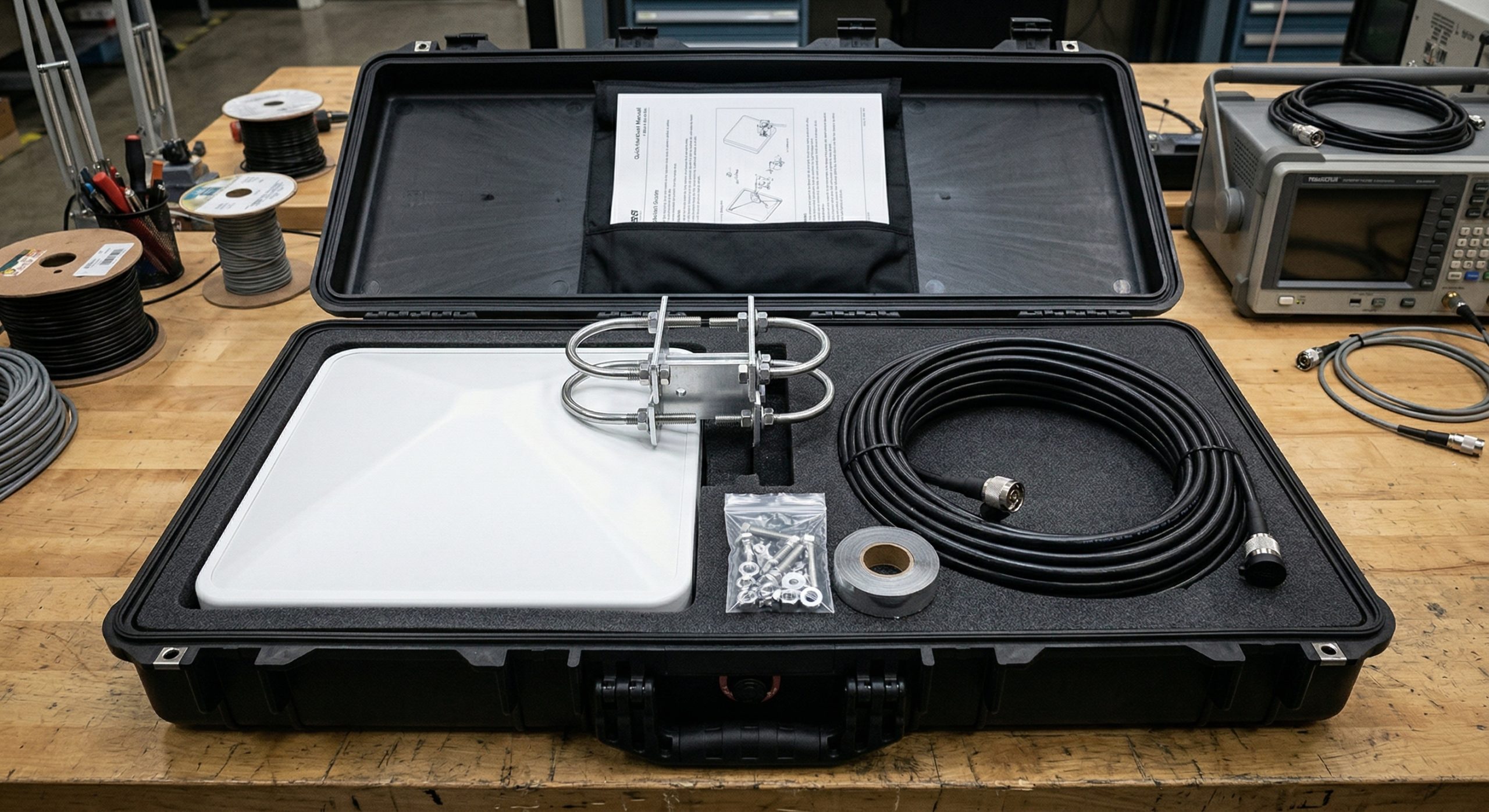
Mechanical mounting, radome, vibration, cable routing and power review for mobile platforms.
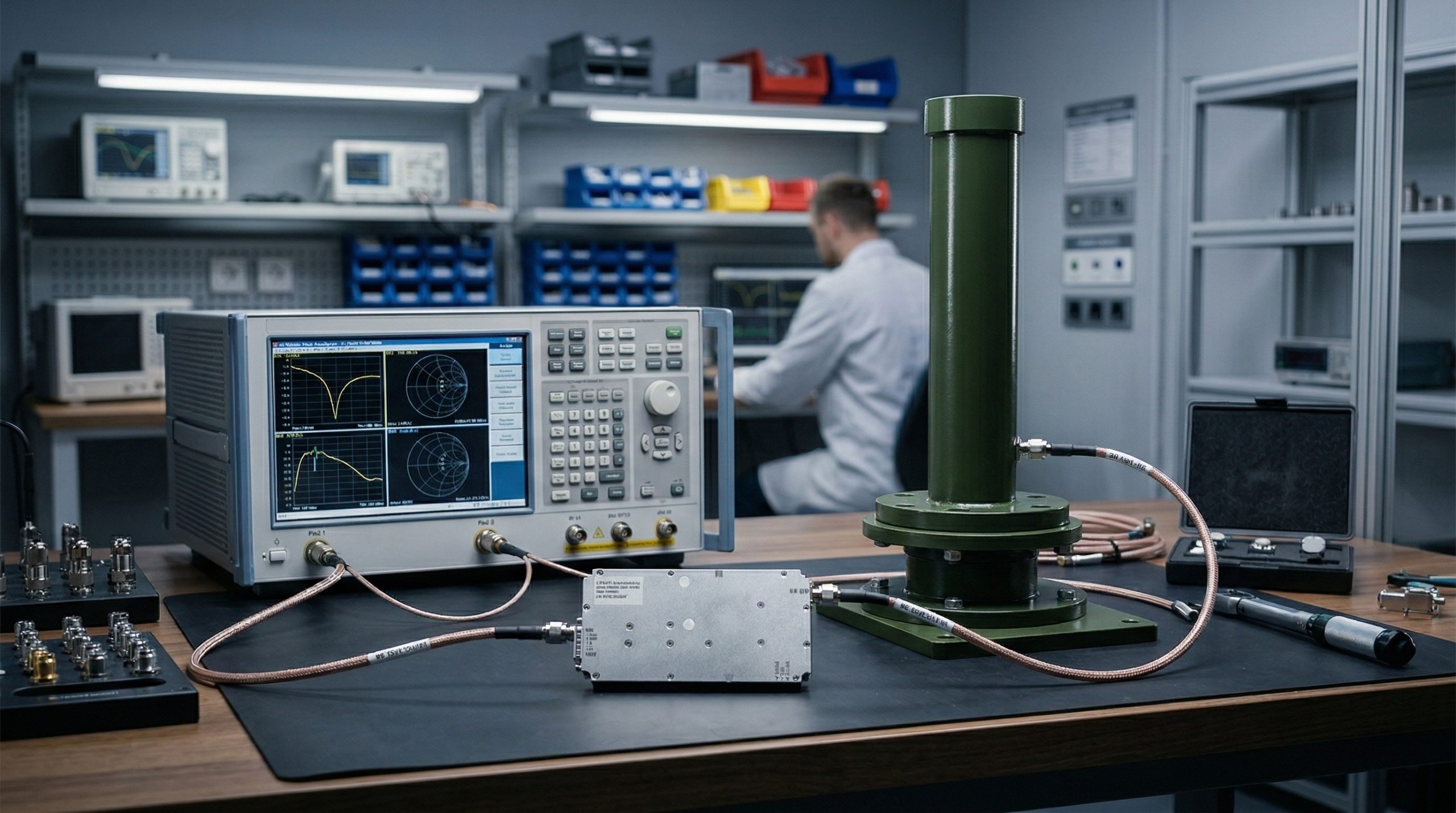
Outdoor fixed installation with custom gain, pattern, connector and environmental requirements.
Engineering-side antenna integration for controlled RF system platforms and project validation.

Custom horn, wideband, measurement and validation antenna platforms for lab and test environments.
A custom antenna request should define more than a frequency band. These details affect RF performance, mechanical feasibility and production risk.
Risk: Missing gain, pattern, polarization and bandwidth targets. Response: We request a complete RF requirement set before feasibility review.
Risk: Antenna power handling does not match output power or duty cycle. Response: We review antenna and RF amplifier compatibility together.
Risk: Cable routing and connector placement cause integration delays. Response: Connector, cable and feed path are reviewed early.
Risk: Gain targets conflict with antenna size or beamwidth. Response: We review gain, pattern and mechanical limits as one package.
Risk: Outdoor, vibration or temperature conditions exceed assumptions. Response: Mounting, radome and ruggedization are reviewed before prototype.
Risk: Batch production starts before RF and mechanical risks are known. Response: We support sample validation before production approval.
These questions help buyers prepare the information needed for a practical engineering review.
We usually need frequency band, gain target, radiation pattern, polarization, connector type, cable length, mounting method, power handling, environment, quantity and documentation requirements.
Yes. CorelixRF can review custom frequency bands, gain direction, beam pattern, polarization, connector, cable, mounting structure, radome and mechanical integration requirements.
Yes. Low-volume prototype support is available for engineering evaluation before batch production, depending on project feasibility and antenna type.
Yes. We can review antenna power handling, VSWR target, connector interface, cable loss, duty cycle and RF power amplifier compatibility.
VSWR references, gain review, radiation pattern data, representative test records and project documentation can be supplied depending on the custom antenna project scope.
Yes. NDA handling, OEM labeling, project documentation, model references, packing information and test data packages can be reviewed for OEM projects.
Share your frequency band, gain target, radiation pattern, polarization, power handling, connector, mounting environment, quantity and documentation requirement. CorelixRF can review feasibility and recommend a custom development direction.