
Issue 01
Frequency Coverage Mismatch
The SDR tuning range and the antenna's effective receiving range must be reviewed together. A broad SDR alone does not guarantee stable monitoring performance.
Frequency FitFactory-Direct SDR + Receiving Antenna Manufacturer
Factory-matched SDR platforms and receiving antennas for fixed stations, portable field setups, directional sector monitoring, and OEM embedded RF monitoring projects.
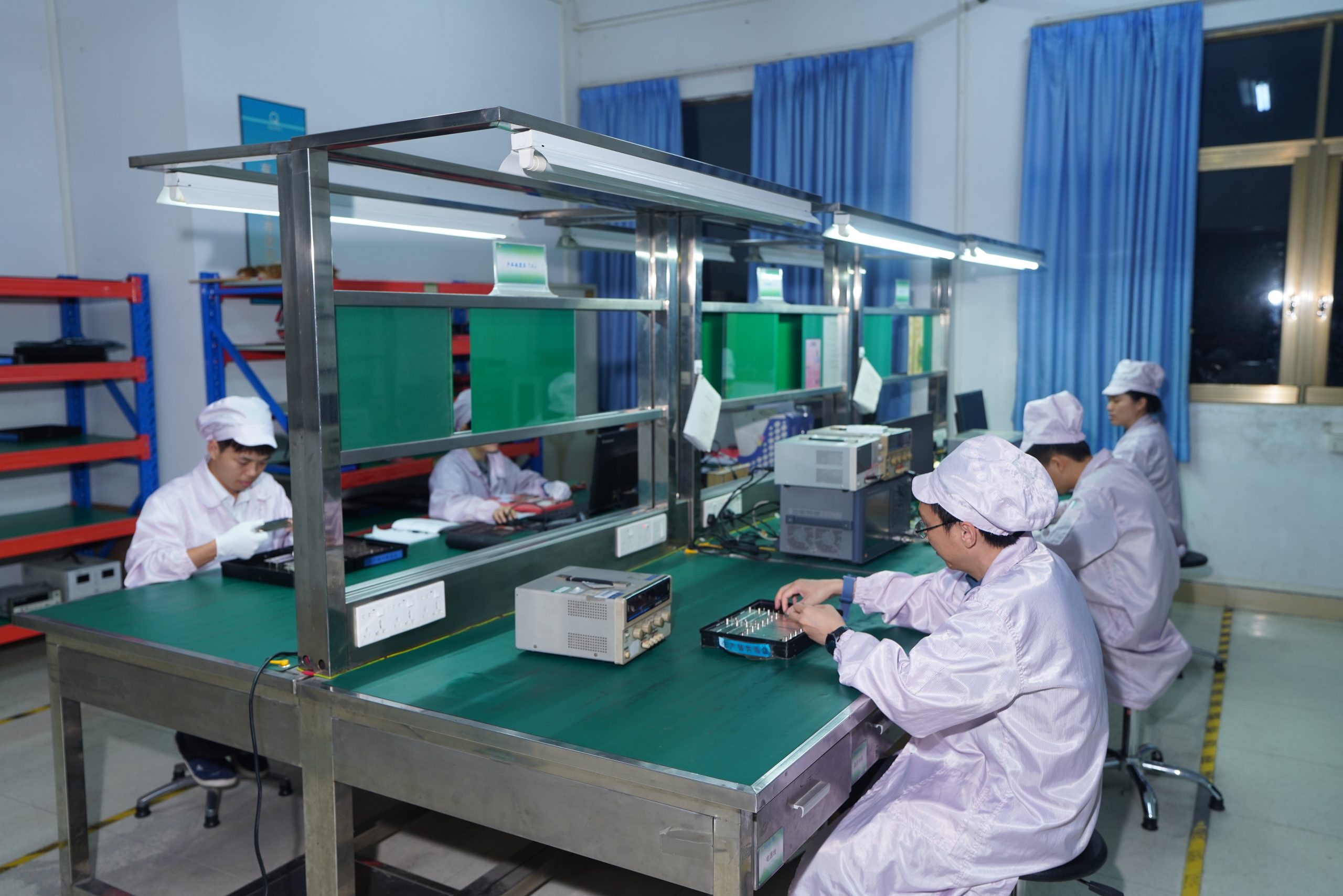
CorelixRF manufactures SDR platforms and receiving antennas in-house, helping engineering teams define the receiving chain before hardware is delivered — frequency coverage, antenna type, connector path, host interface, and deployment structure reviewed from one factory source.
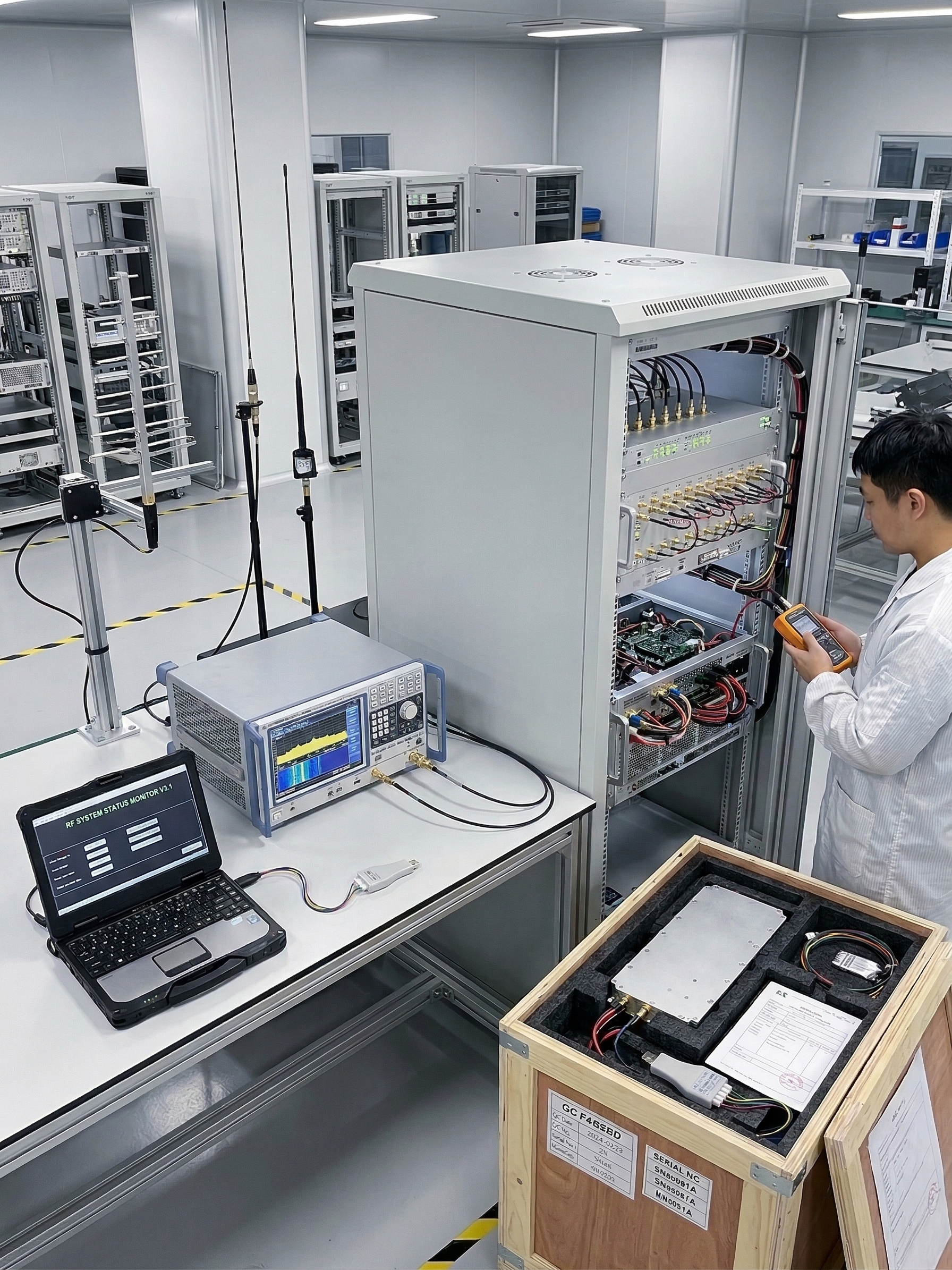
SDR + Receiving Antenna Chain — CorelixRF
Customer Problem
A spectrum monitoring chain is not only an SDR module. Antenna type, frequency coverage, connector path, host interface, and deployment scenario determine whether the system works in the field.
Issue 01
The SDR tuning range and the antenna's effective receiving range must be reviewed together. A broad SDR alone does not guarantee stable monitoring performance.
Frequency FitIssue 02
Connector type, cable length, interface routing, and installation format should be confirmed before procurement, not discovered during integration.
Connector PathIssue 03
Fixed stations, portable field setups, and directional sector monitoring require different antenna structures and mounting choices.
Deployment FitIssue 04
When SDR and antenna come from different suppliers, sample approval, batch consistency, and responsibility boundaries become harder to control.
Supply ContinuityFactory Solution
CorelixRF supports spectrum monitoring projects from the hardware chain level. Instead of asking customers to combine a third-party SDR with a separately sourced antenna, we review the receiving chain as one factory-matched configuration.
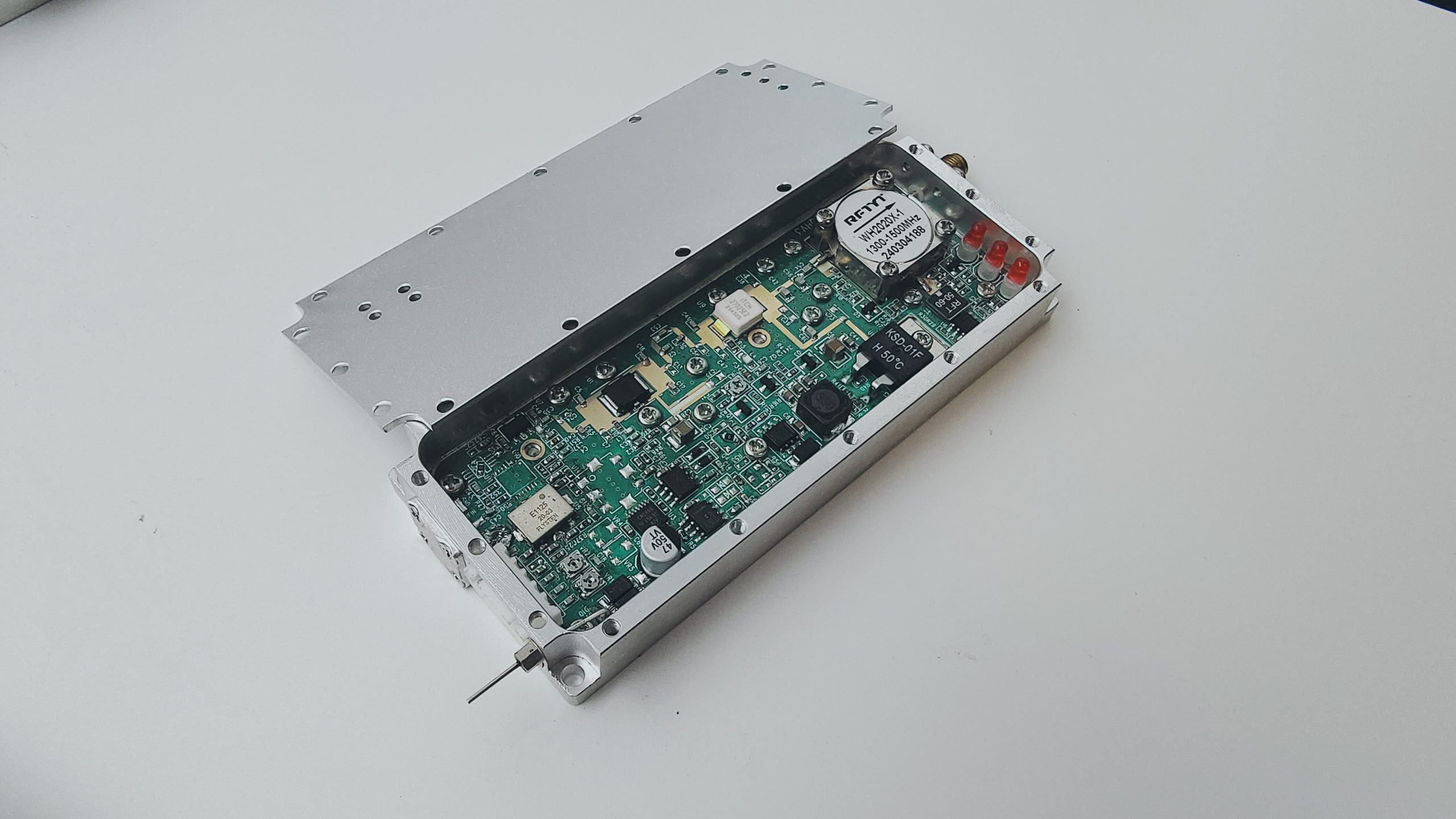
SDR hardware, interface direction, and OEM integration requirements can be reviewed with factory engineering.
Omnidirectional and directional receiving antennas are matched to the monitoring objective and deployment environment.
Frequency coverage, connector type, cable path, mounting method, and interface requirements are confirmed before delivery.
Validated configurations can move from sample review to batch supply without re-sourcing the receiving chain from multiple vendors.

In-House SDR + Antenna Production
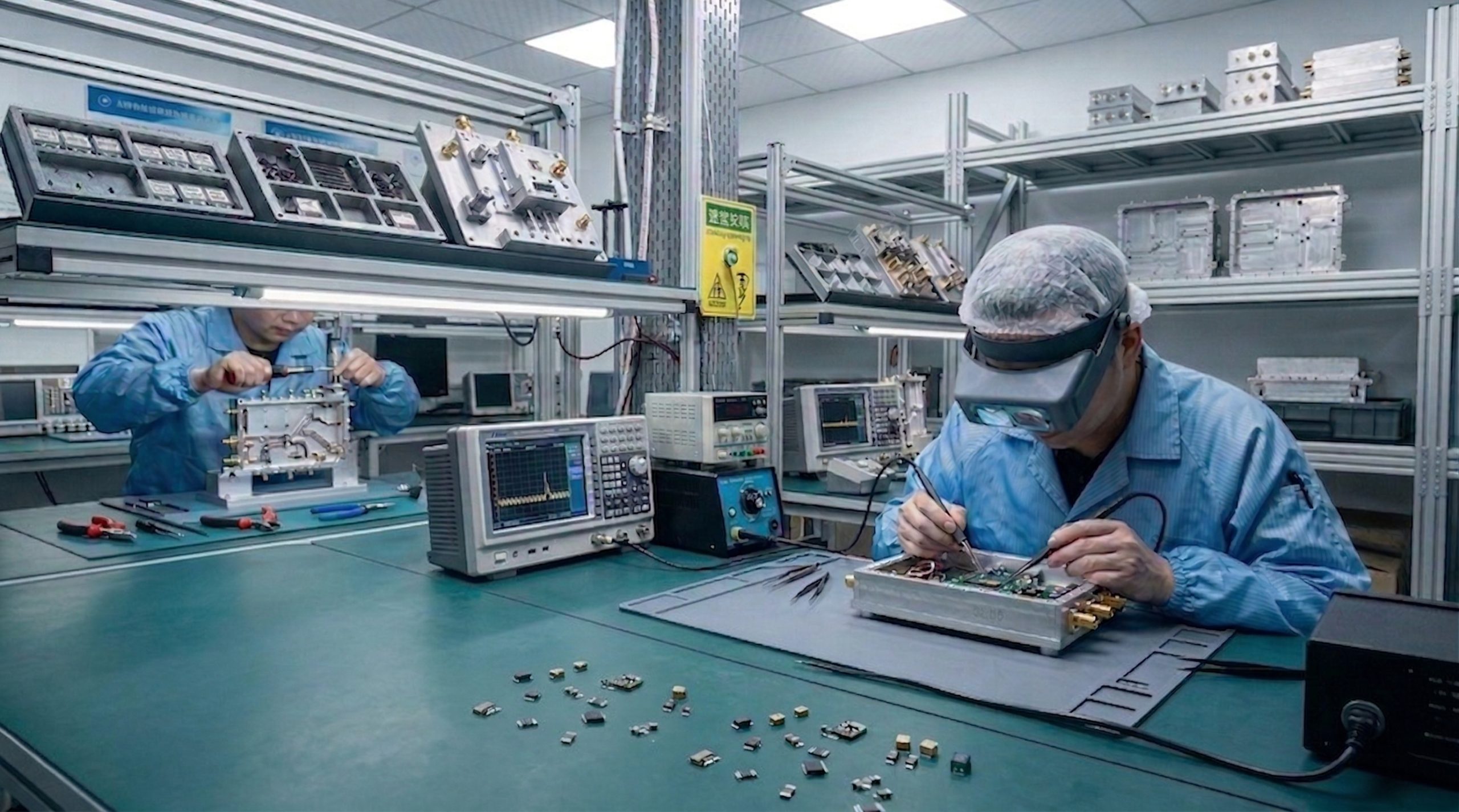
RF Validation

Matched Hardware Set
Core Hardware Platforms
Use this section as the buyer's entry point from application requirement to CorelixRF hardware path.
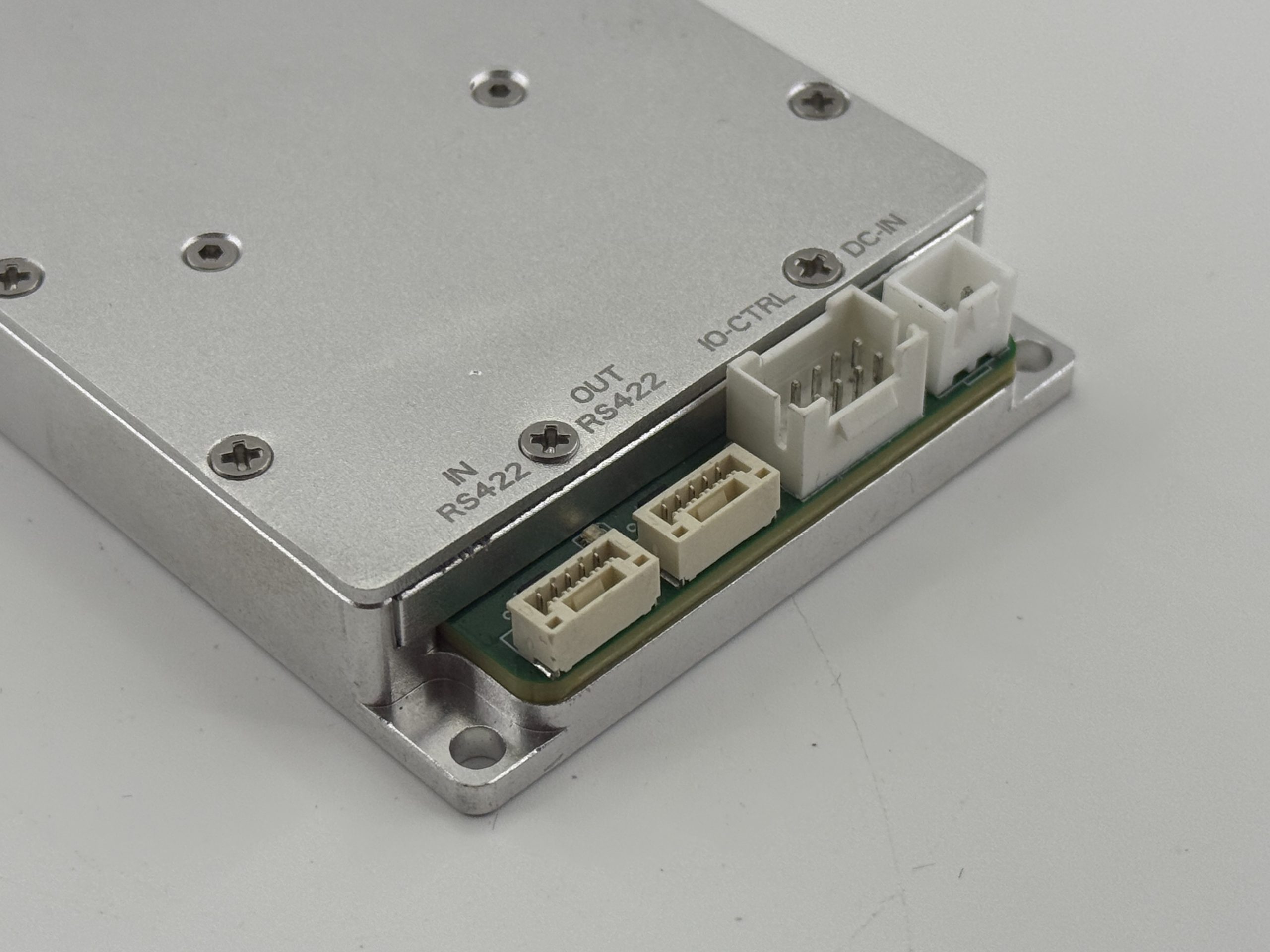 SDRReceiver Core
Wideband SDR platform for spectrum observation, host-side integration, and OEM receiving chain development. Suitable for monitoring, signal presence review, and system integration.
View SDR Platform OMNIWide Area
For wide-area passive reception, fixed stations, portable monitoring, and unknown-direction signal environments. Matched with the SDR platform during factory review.
View Omni Antennas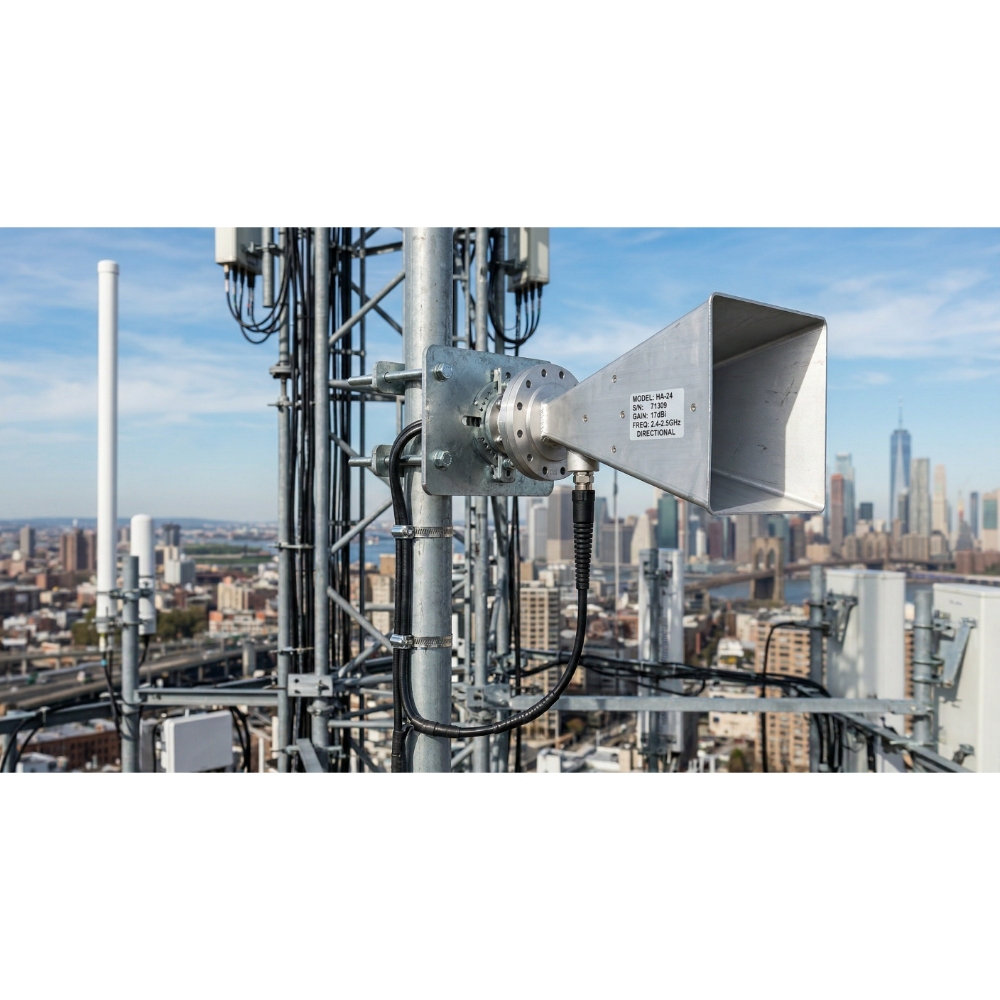 DIRECTIONALSector Path
For sector-based monitoring, focused receiving applications, and projects where the target direction or coverage angle is already defined.
View Directional Antennas CUSTOMOEM Path
For custom frequency focus, connector choice, cable routing, interface review, labeling, mechanical structure, and embedded OEM monitoring systems.
Discuss Custom ChainFactory-Matched Configurations
Start with the application scenario, then match SDR platform, antenna structure, connector path, and integration format.
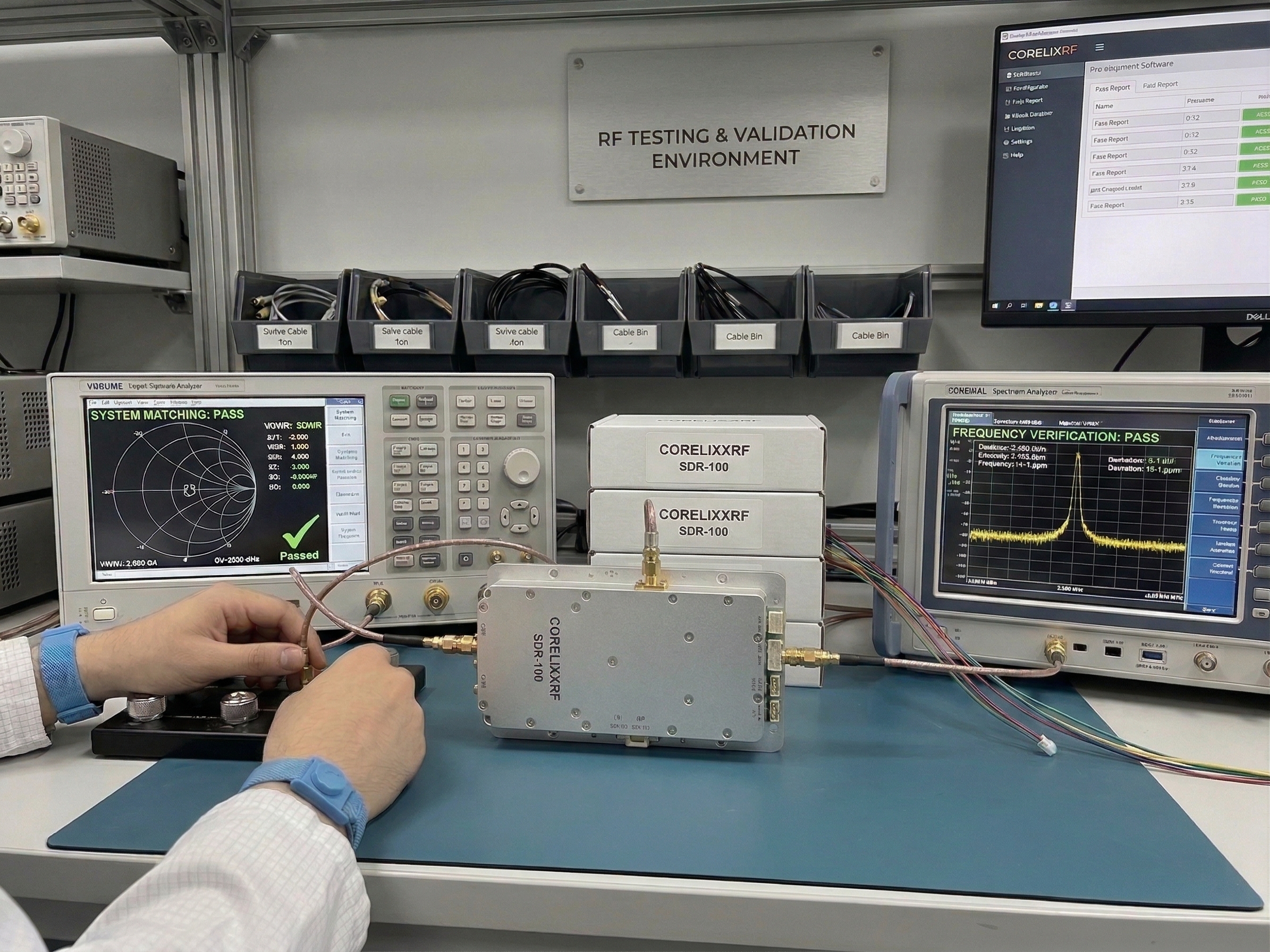
Configuration 01
Best for permanent observation points requiring wide-area passive reception.
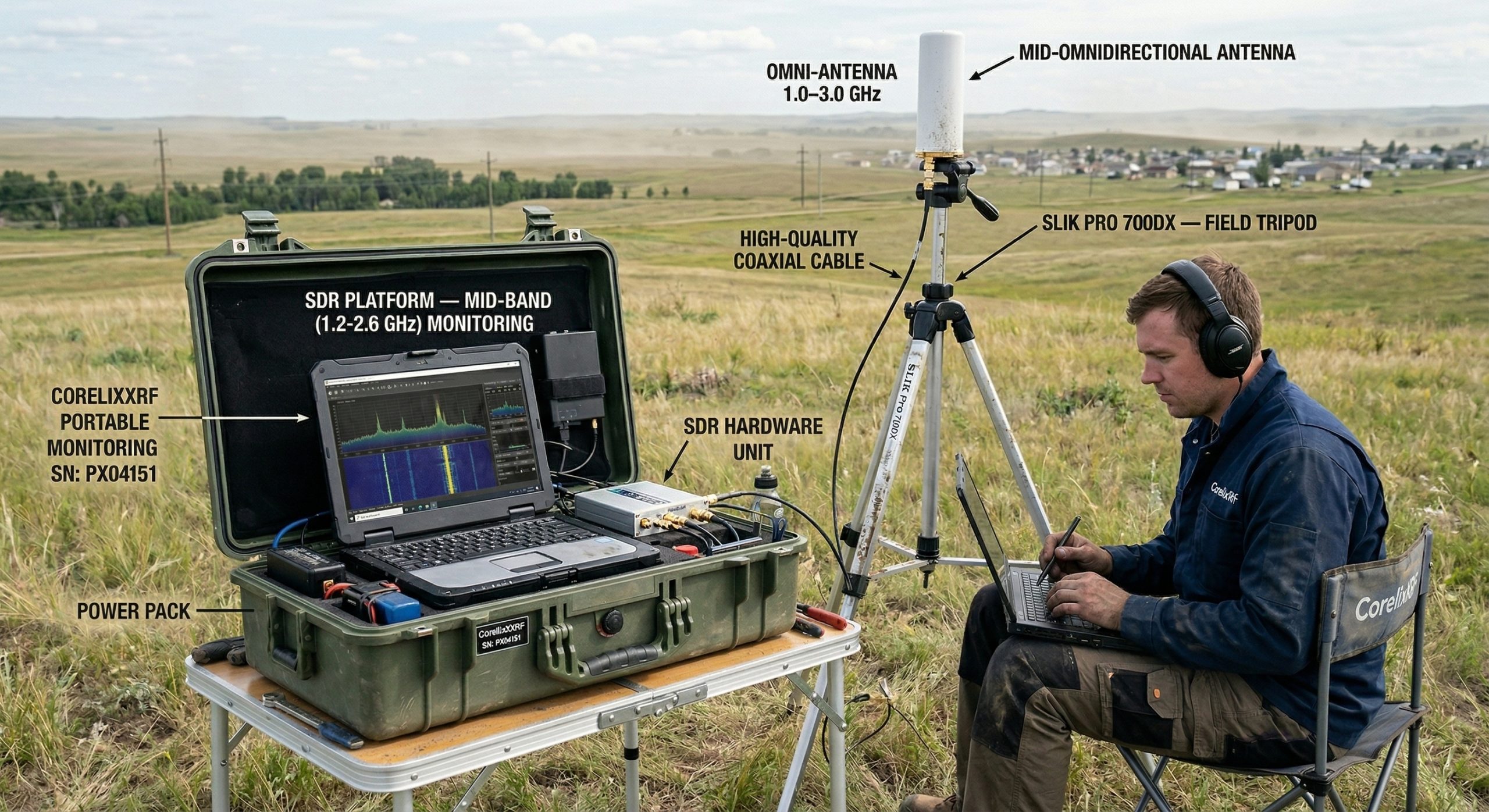
Configuration 02
Best for site surveys, field testing, and temporary monitoring deployments.
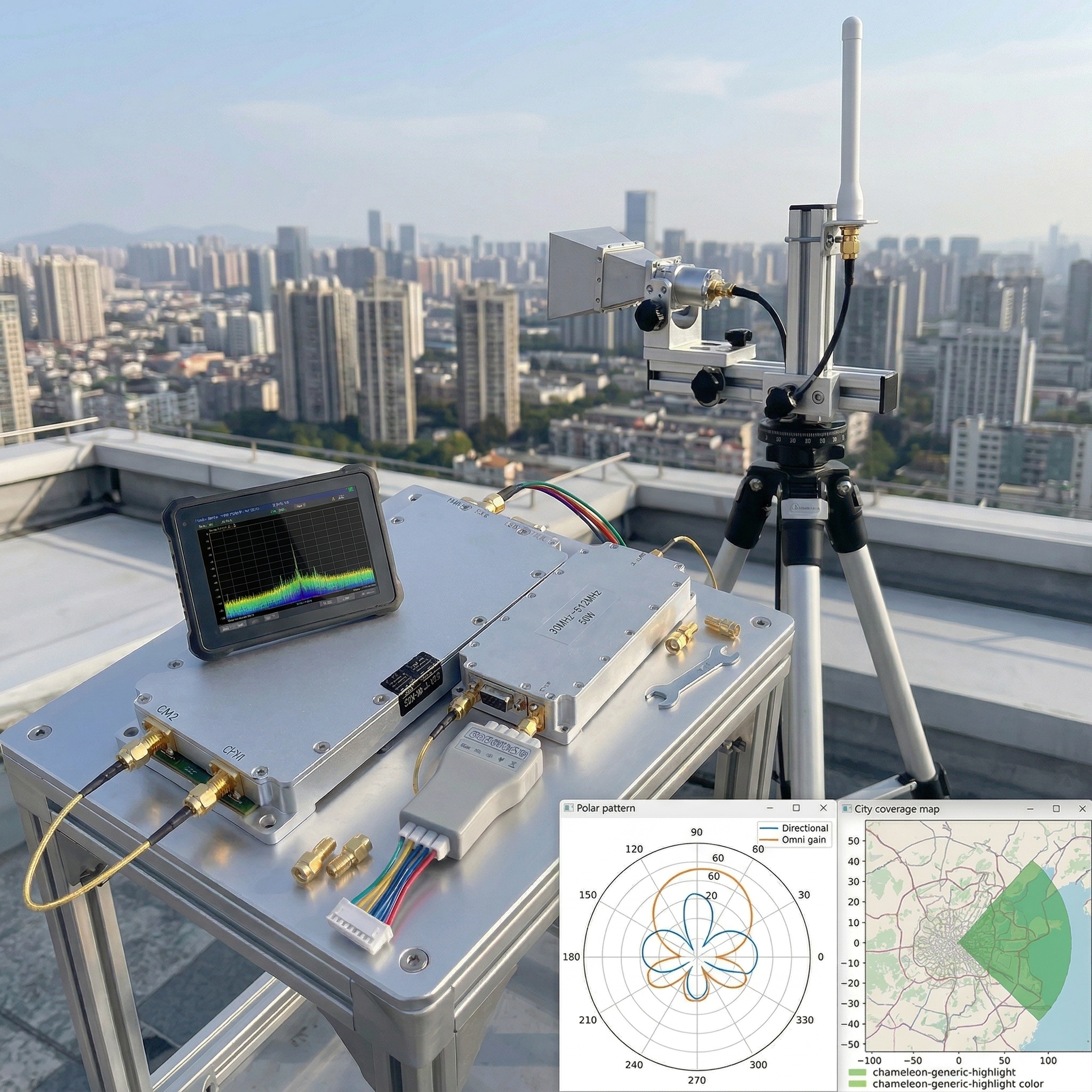
Configuration 03
Best when the target direction, sector, or coverage bearing is already defined.
Configuration 04
Best for system builders requiring custom interface, layout, labeling, or volume continuity.
Typical Architecture
The correct monitoring configuration starts with the RF environment and ends with the host analysis path. CorelixRF reviews the receiving antenna, cable and connector path, SDR interface, and deployment format as one chain.
RF Environment → Antenna → SDR → Host System
Confirm target frequency range, signal environment, monitoring area, and deployment objective.
Choose omnidirectional or directional receiving based on coverage area, bearing, and mounting conditions.
Confirm SMA, N-Type, cable routing, mounting space, and mechanical interface before hardware delivery.
Review SDR coverage, host interface, control method, and OEM integration limits.
Customer-side software, recording, spectrum display, signal analysis, or embedded system integration.
Engineering Review
Confirm SDR and antenna coverage against the customer's target frequency range or focus bands.
Define omnidirectional, directional, fixed, portable, or custom antenna structure before selection.
Confirm connector type, cable routing, control interface, power input, and mechanical layout requirements.
Provide relevant specifications, configuration notes, interface information, and integration references.
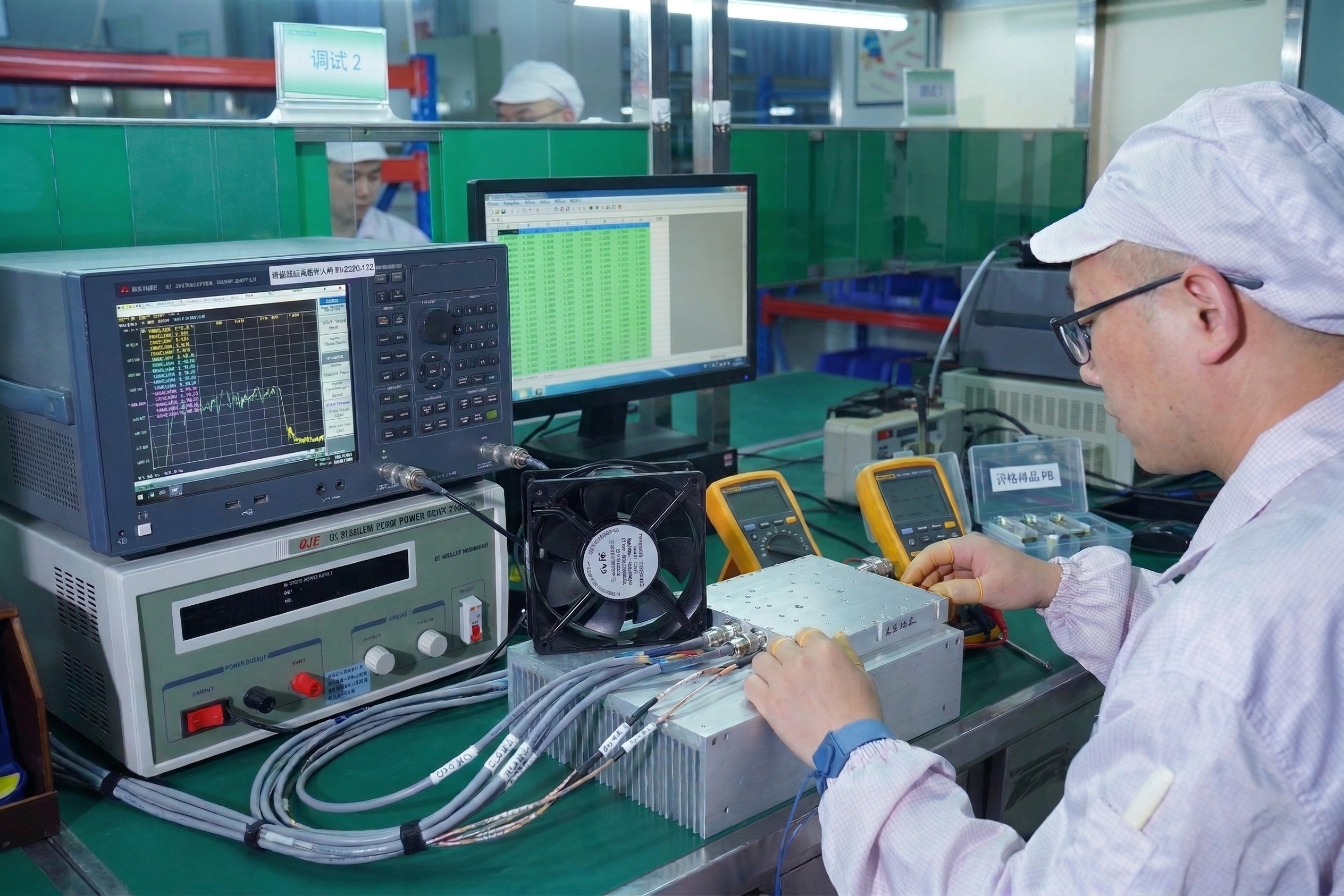
Interface + Cable Routing Review
Factory Verification Before Shipment
Procurement Risk Reduction
These checks reduce compatibility risk before sample purchase, OEM integration, or volume sourcing.
A wide SDR tuning range is only one part of the chain. The antenna's effective band must be suitable for the actual monitoring target.
Omnidirectional, directional, portable, and fixed antennas serve different monitoring objectives and coverage patterns.
Connector mismatch creates integration delays. Confirm SMA, N-Type, cable routing, and mechanical limits early.
Deployment style changes antenna structure, cable length, enclosure, mounting, and field handling requirements.
When SDR and antenna are controlled by one factory, responsibility boundaries and sample-to-volume continuity are clearer.
Engineering FAQ
Common questions before selecting SDR hardware, receiving antennas, and monitoring-chain integration support.
Request Engineering Review
Share your target band, antenna preference, deployment scenario, connector path, host interface, and project stage. CorelixRF will review whether a standard SDR + receiving antenna path is suitable or if a custom monitoring chain should be discussed.
Helpful details to share
Factory Engineering Review — CorelixRF