
Custom RF Power
Amplifier
Manufacturer
30 MHz to 6 GHz · 30–200W · OEM / ODM
CorelixRF develops custom RF power amplifier modules for OEM and ODM integration. Share your operating band, output requirement, supply rail, RF connectors and mechanical limits. Start with a standard platform, or request a review of the electrical, mechanical and thermal changes your system needs.
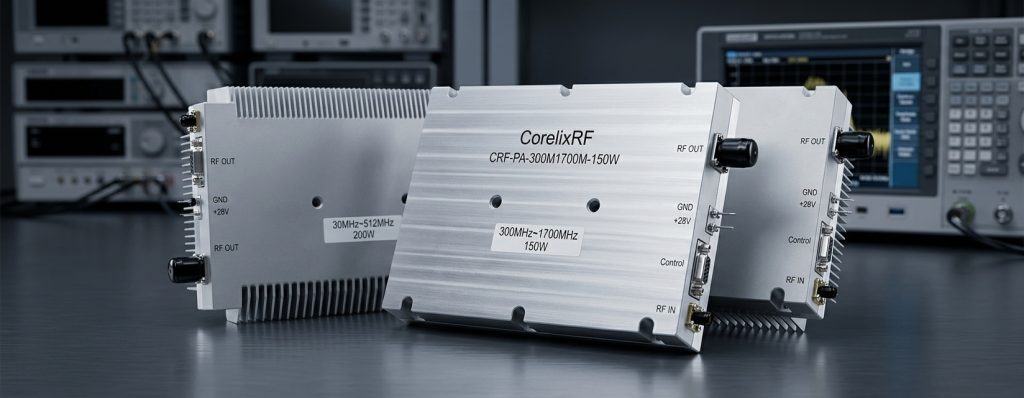
RF Power Amplifier — Main Product Shot
Recommended: 800×600 px, product on dark bg
Why Standard Catalog Products Often Fall Short
Procurement engineers and system integrators regularly encounter these obstacles. If any of these describe your current project, you're in the right place.
RF Amplifier Design Review for Custom Requirements
RF amplifier design starts with your system requirements. Review the operating conditions, electrical limits and integration constraints before selecting a platform or defining a custom configuration.
Compare the buyer-side constraint with the CorelixRF engineering action.
Use the comparisons below to identify the engineering review your project needs before quotation, prototype evaluation and production.
Frequency range doesn't match standard band boundaries
Custom frequency definition from the proposal stage.
We discuss start/stop, gain flatness across the band, and in-band ripple tolerance. Standard platforms serve as baselines for faster evaluation.
System supply voltage doesn't match standard VDC spec
Supply voltage is a customization parameter, not a fixed constraint.
We design to your supply rail, with appropriate bias circuitry and protection levels specified as part of the custom development scope.
Module size, connector position, or mounting geometry is constrained
Mechanical envelope, connector type, and mounting pattern are part of the customization spec.
Provide your size limit and interface drawing. We design around your chassis, not the other way around.
Thermal interface risk is not addressed by the supplier
We review thermal integration as part of the proposal.
Baseplate flatness tolerances, mounting torque recommendations, and thermal contact guidance are included in the technical package — not left to the buyer to figure out.
Sample-to-production consistency concern
Production follows the validated engineering and test process.
We aim for BOM continuity and raise supply concerns before volume commitment — not mid-production.
Need engineering discussion, not just a quotation
When you submit specs, the RF engineering team reviews them directly.
Engineering team responses typically on the next business day cover architecture recommendation, thermal approach, and realistic performance estimates — not just a price number.
RF Power Amplifier Module Customization
Define the operating band, output target, input drive, supply limits, RF connectors, mounting and cooling interface for your custom RF power amplifier module. Engineering reviews the changes against the selected platform and its applicable datasheet. The engineering guide Custom RF Amplifier Selection: Separate Fixed Needs from Adaptable Options develops the selection and interface questions in more detail.
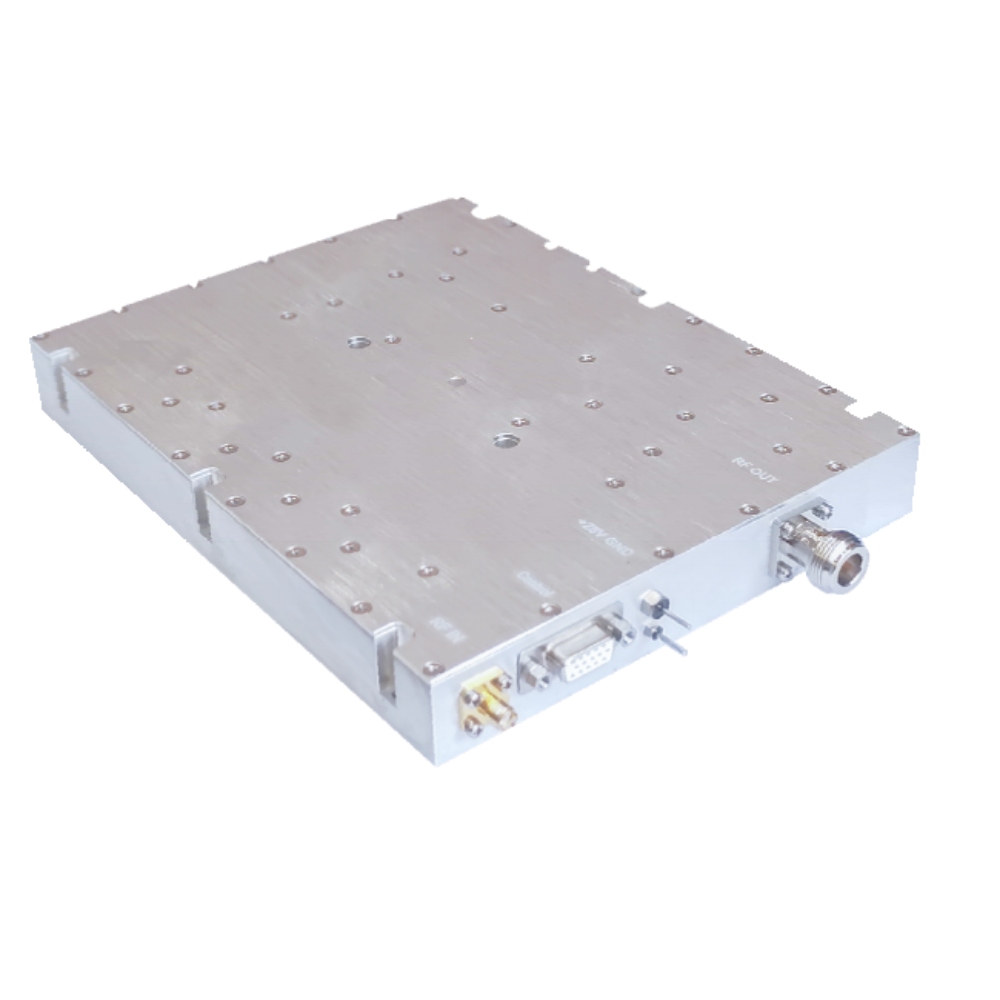
Product photo + callout labels for all 8 custom params
Recommended: 800×600 px
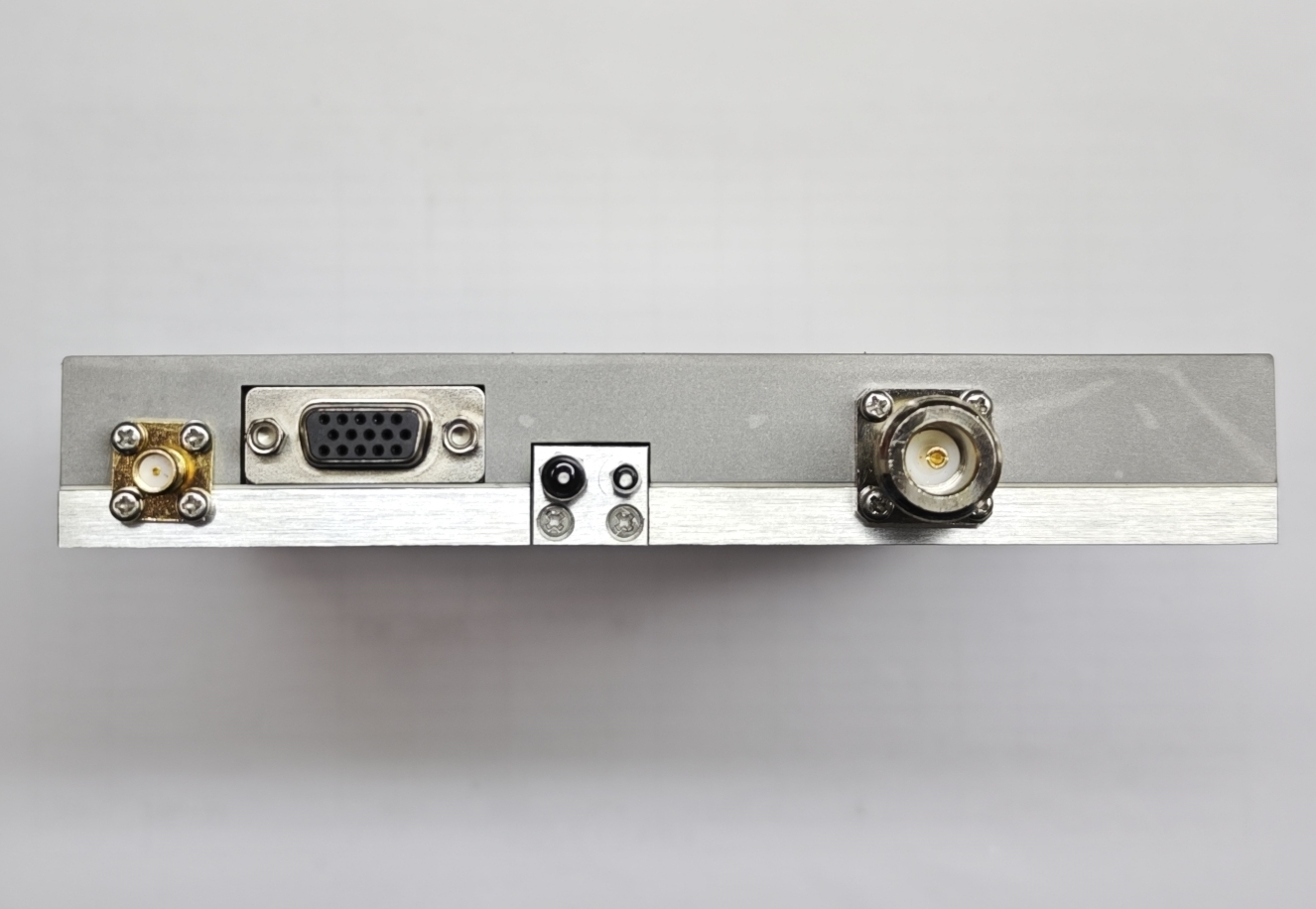
Macro: SMA or N-type connector, or machined baseplate
Aspect 1:1
Have specs ready? Talk directly to the engineering team.
Even a rough frequency range, power level, and voltage spec is enough to start an engineering conversation. Engineering reply typically on the next business day.
Broadband RF Amplifier Platforms for Custom Integration
Use the listed wideband RF power amplifier platforms to compare frequency coverage, output requirements and available interfaces before requesting a custom configuration. Start with the relevant standard RF power amplifier modules, then define any changes to the supply, connectors, enclosure or cooling interface for engineering review.
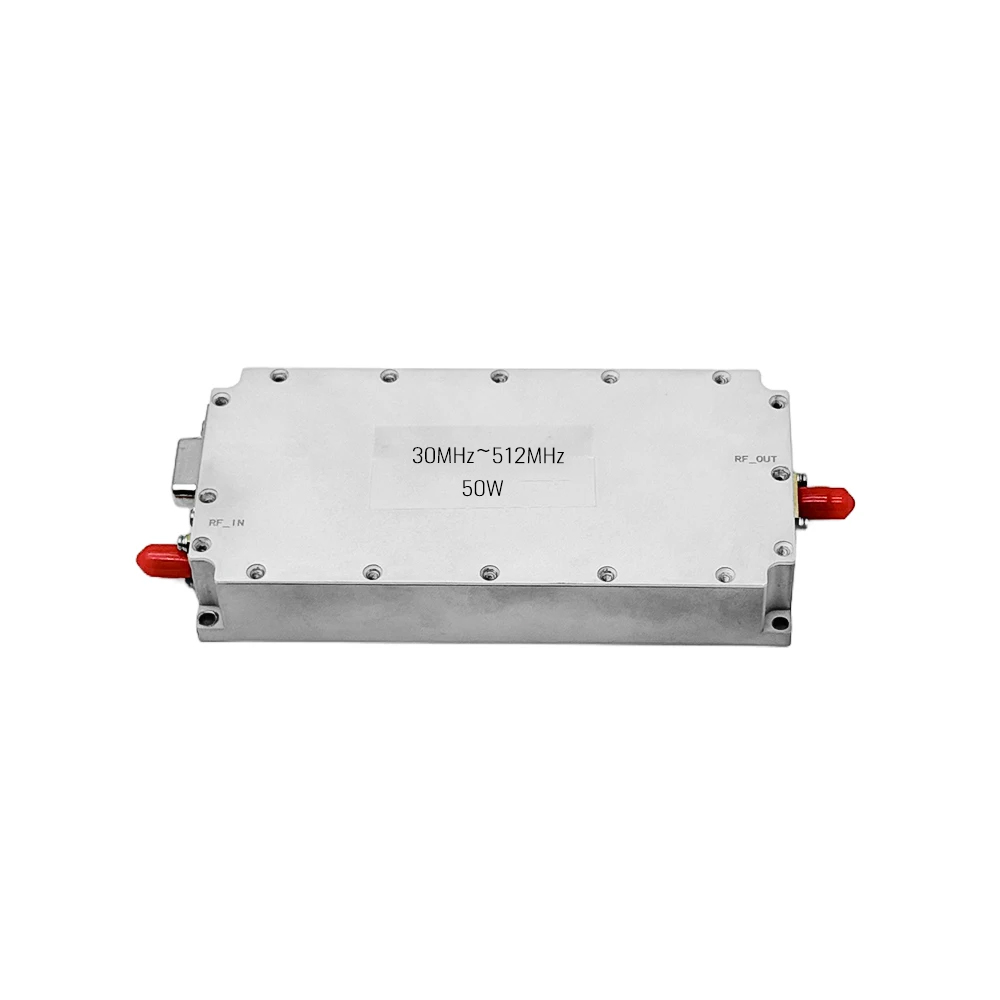
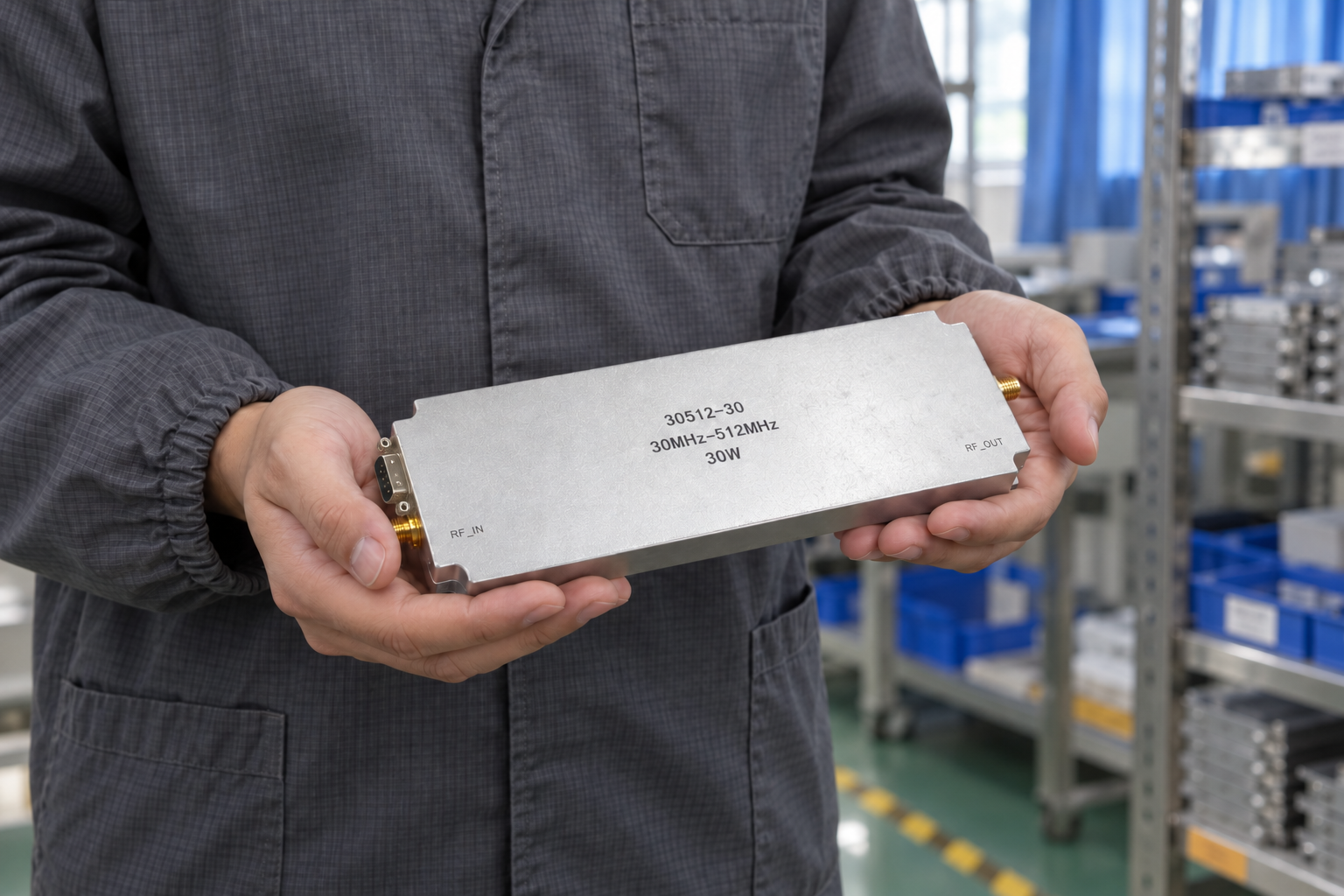
Wideband VHF/UHF coverage. Compact 125×59×21.5 mm module at 30–50W. Suitable as baseline for custom sub-band or VDC variants.
View 30–512 MHz Models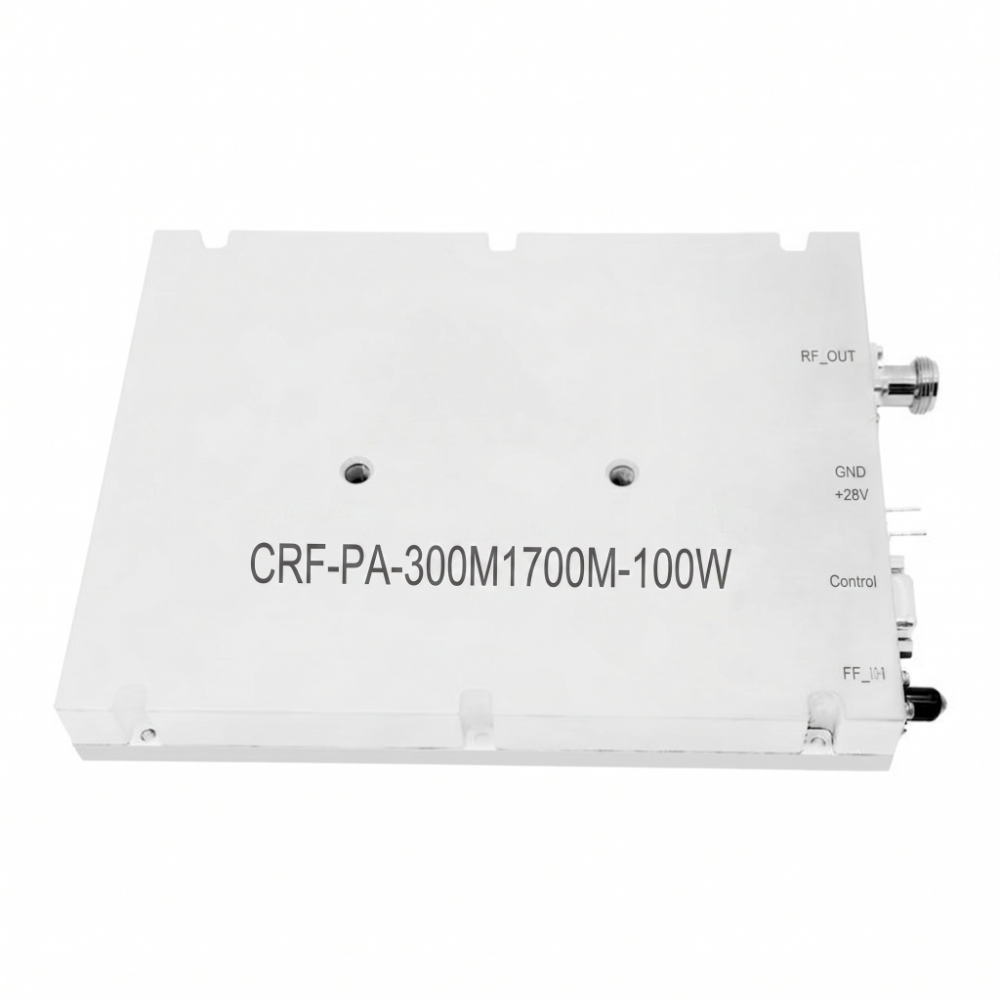
Multi-band broadband coverage. Frequently used as a baseline for communications front-end and wideband RF subsystems requiring consistent gain flatness.
View 300–1700 MHz Models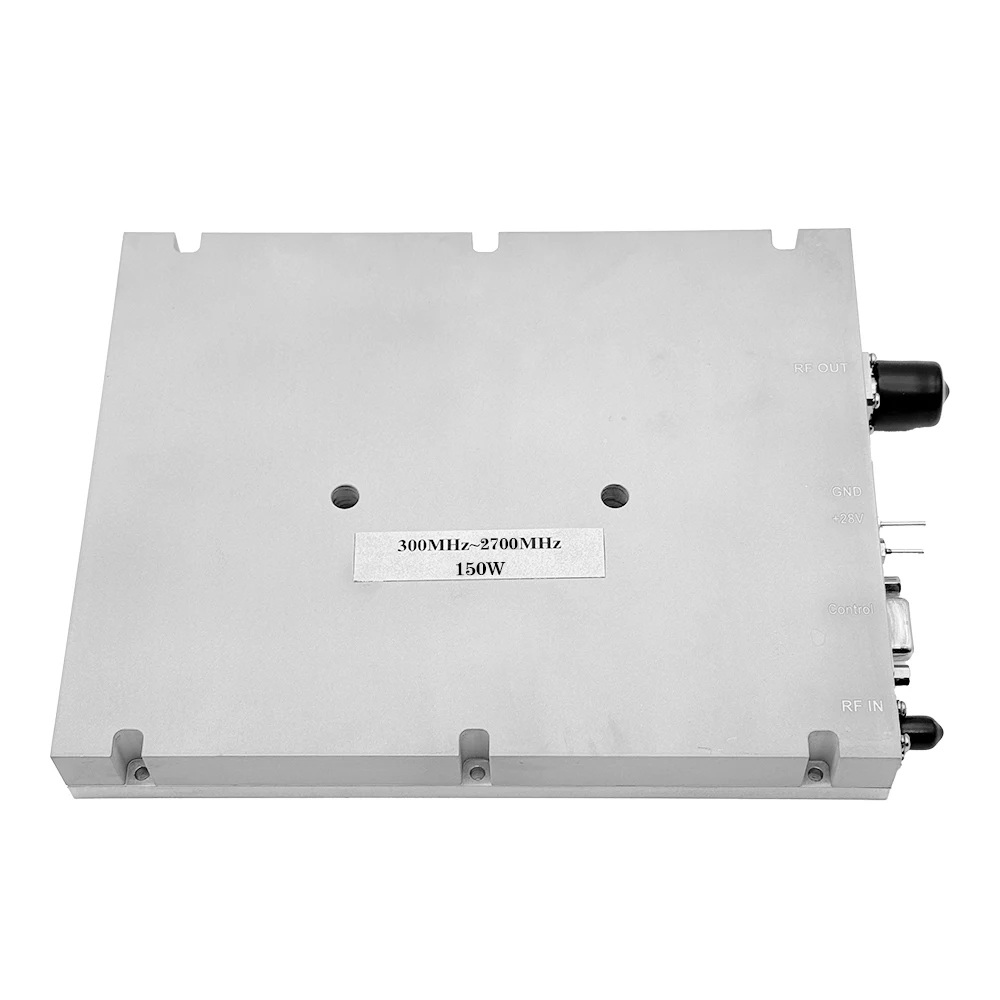
Extended wideband coverage for multi-standard RF integration. One of our most requested standard series — also a strong starting point for extended band OEM builds. The engineering guide Modifying a Standard RF Amplifier: Define the Scope and Verification Work develops the selection and interface questions in more detail.
View 300–2700 MHz Models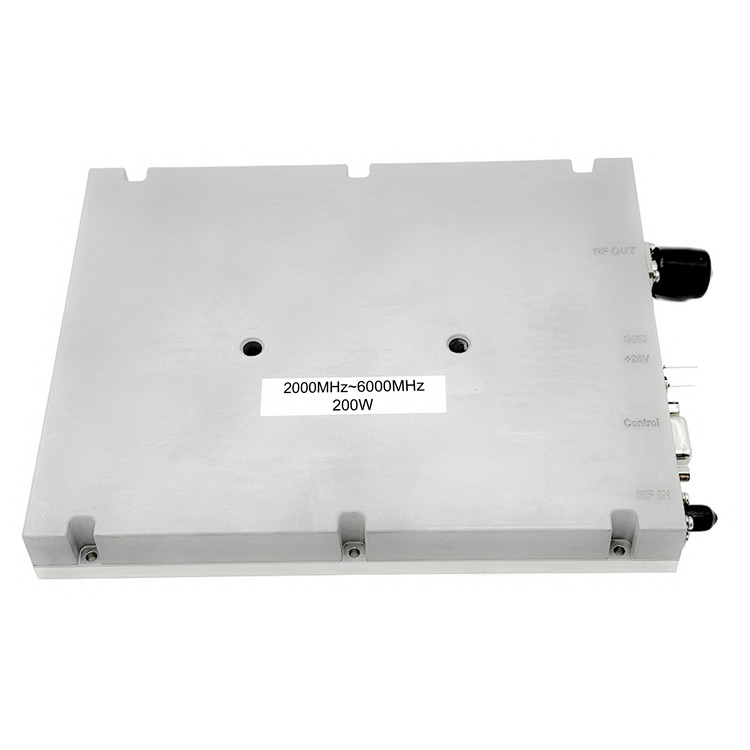
S/C-band wideband. Supply voltage is model-specific: the current 50W module uses 24–32 V (28 V nominal); other listed models use 36–58 V ranges. Use matrix filter to confirm VDC match, or contact us to discuss a version matched to your supply rail.
View 2–6 GHz ModelsFull Product Matrix — Standard Models
Compare the listed models by frequency band, output power and supply voltage. Review the datasheet for the exact model and version, then send any differences in drive level, connectors, cooling or mechanical fit for engineering review. Use Data Sheet to request the selected model's datasheet or access the datasheet library.
| Model | Freq Range (MHz) | Pout (W) | Pout (dBm) | Pin (dBm) | VSWR | Harmonics | VDC | Imax (A) | Size (mm) | Weight (kg) | Cooling | Connector | Datasheet | Quote |
|---|---|---|---|---|---|---|---|---|---|---|---|---|---|---|
| CRF-PA-30M512M-30W | 30–512 | 30 | 45±1 | 0–8 | ≤ 1.8 | ≥ 10 dBc | 28 | ≤ 4 | 125×59×21.5 | ≤ 0.5 | Air Cooling | SMA/N | Data Sheet | RFQ |
| CRF-PA-30M512M-50W | 30–512 | 50 | 47±1 | 0–8 | ≤ 1.8 | ≥ 10 dBc | 28 | ≤ 9 | 125×59×21.5 | ≤ 0.5 | Air Cooling | SMA/N | Data Sheet | RFQ |
| CRF-PA-30M512M-100W | 30–512 | 100 | 50±1 | 0–8 | ≤ 1.8 | ≥ 10 dBc | 28 | ≤ 18 | 200×158×25 | ≤ 1.4 | Air Cooling | SMA/N | Data Sheet | RFQ |
| CRF-PA-30M512M-150W | 30–512 | 150 | 52±1 | 0–8 | ≤ 1.8 | ≥ 10 dBc | 28 | ≤ 20 | 200×158×25 | ≤ 1.4 | Air Cooling | SMA/N | Data Sheet | RFQ |
| CRF-PA-30M512M-200W | 30–512 | 200 | 53±1 | 0–8 | ≤ 1.8 | ≥ 10 dBc | 28 | ≤ 30 | 200×158×25 | ≤ 1.4 | Air Cooling | SMA/N | Data Sheet | RFQ |
| CRF-PA-300M1700M-30W | 300–1700 | 30 | 45±1 | 0–8 | ≤ 1.8 | ≥ 10 dBc | 28 | ≤ 3 | 125×59×21.5 | ≤ 0.5 | Air Cooling | SMA/N | Data Sheet | RFQ |
| CRF-PA-300M1700M-50W | 300–1700 | 50 | 47±1 | 0–8 | ≤ 1.8 | ≥ 10 dBc | 28 | ≤ 7 | 125×59×21.5 | ≤ 0.5 | Air Cooling | SMA/N | Data Sheet | RFQ |
| CRF-PA-300M1700M-100W | 300–1700 | 100 | 50±1 | 0–8 | ≤ 1.8 | ≥ 10 dBc | 28 | ≤ 14 | 200×158×25 | ≤ 1.4 | Air Cooling | SMA/N | Data Sheet | RFQ |
| CRF-PA-300M1700M-150W | 300–1700 | 150 | 52±1 | 0–8 | ≤ 1.8 | ≥ 10 dBc | 28 | ≤ 22 | 200×158×25 | ≤ 1.4 | Air Cooling | SMA/N | Data Sheet | RFQ |
| CRF-PA-300M1700M-200W | 300–1700 | 200 | 53±1 | 0–8 | ≤ 1.8 | ≥ 10 dBc | 28 | ≤ 29 | 200×158×25 | ≤ 1.4 | Air Cooling | SMA/N | Data Sheet | RFQ |
| CRF-PA-300M2700M-30W | 300–2700 | 30 | 45±1 | 0–8 | ≤ 1.8 | ≥ 10 dBc | 28 | ≤ 4 | 125×59×21.5 | ≤ 0.5 | Air Cooling | SMA/N | Data Sheet | RFQ |
| CRF-PA-300M2700M-50W | 300–2700 | 50 | 47±1 | 0–8 | ≤ 1.8 | ≥ 10 dBc | 28 | ≤ 9 | 125×59×21.5 | ≤ 0.5 | Air Cooling | SMA/N | Data Sheet | RFQ |
| CRF-PA-300M2700M-100W | 300–2700 | 100 | 50±1 | 0–8 | ≤ 1.5 | ≥ 10 dBc | 28 | ≤ 18 | 200×158×25 | ≤ 1.4 | Air Cooling | SMA/N | Data Sheet | RFQ |
| CRF-PA-300M2700M-150W | 300–2700 | 150 | 52±1 | 0–8 | ≤ 1.5 | ≥ 10 dBc | 28 | ≤ 20 | 200×158×25 | ≤ 1.4 | Air Cooling | SMA/N | Data Sheet | RFQ |
| CRF-PA-300M2700M-200W | 300–2700 | 200 | 53±1 | 0–8 | ≤ 1.8 | ≥ 10 dBc | 28 | ≤ 36 | 200×158×25 | ≤ 1.4 | Air Cooling | SMA/N | Data Sheet | RFQ |
| CRF-PA-2G6G-30W | 2000–6000 | 30 | 45±1 | 0–8 | ≤ 1.8 | ≥ 10 dBc | 36–46V | ≤ 4 | 125×59×21.5 | ≤ 0.5 | Air Cooling | SMA/N | Data Sheet | RFQ |
| CRF-PA-2000M6000M-50W | 2000–6000 | 40 Min / 50 Typ Psat |
— | — | Input: ≤1.8 | Min −10 dBc 2nd / 3rd |
24–32 V 28 V nominal |
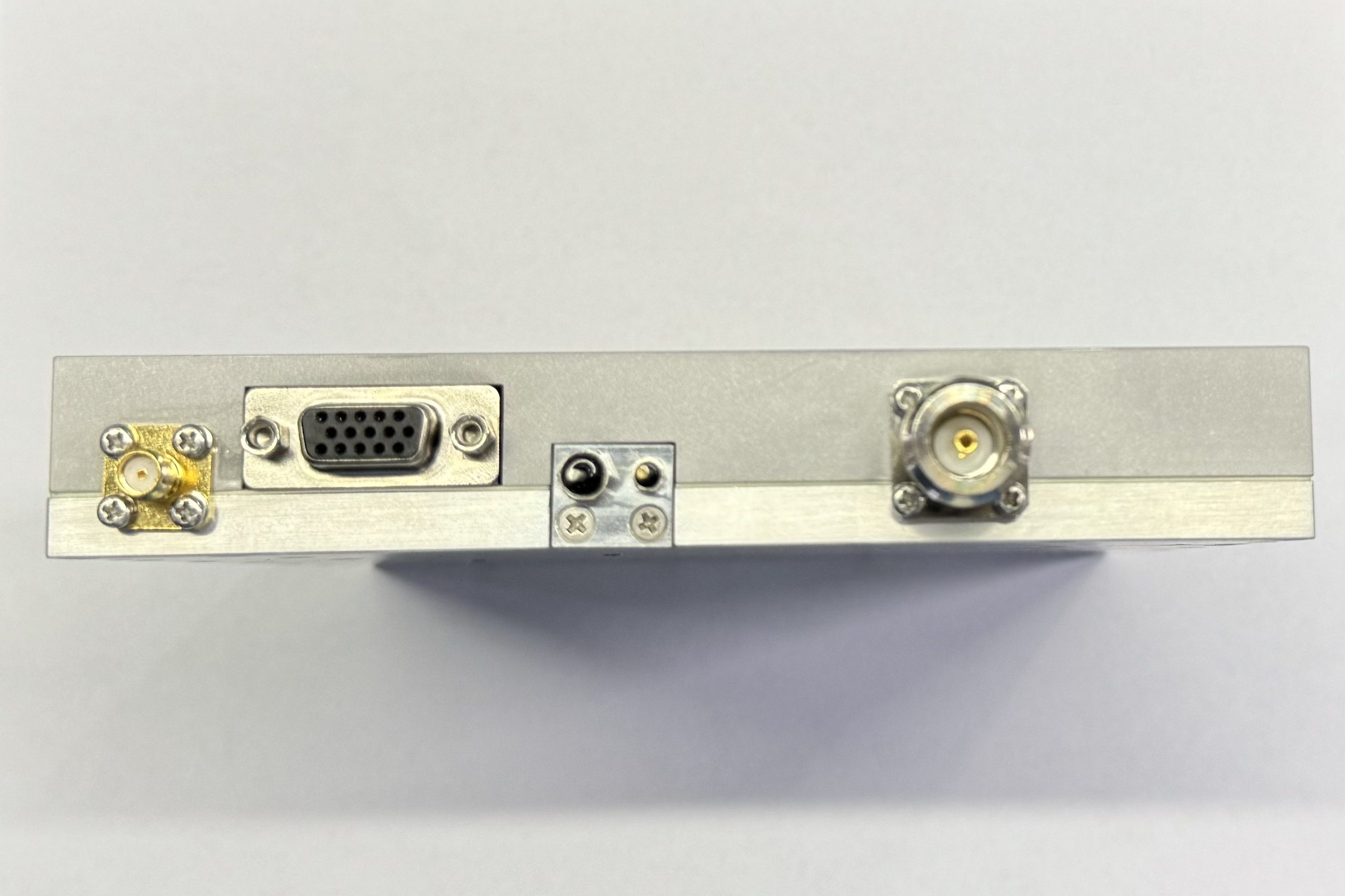
12 Max | 200×158×25 | 1.4 | External heat sink | SMA-F IN / N-F OUT D-Sub 15-pin control |
Data Sheet | RFQ |
| CRF-PA-2G6G-100W | 2000–6000 | 100 | 50±1 | -7–6 | ≤ 1.8 | ≥ 10 dBc | 41–51V | ≤ 24 | 200×158×25 | ≤ 1.4 | Air Cooling | SMA/N | Data Sheet | RFQ |
| CRF-PA-2G6G-150W | 2000–6000 | 150 | 52±1 | 0–8 | ≤ 1.8 | ≥ 10 dBc | 43–58V | ≤ 27 | 200×158×25 | ≤ 1.4 | Air Cooling | SMA/N | Data Sheet | RFQ |
| CRF-PA-2G6G-200W | 2000–6000 | 200 | 53±1 | 0–8 | ≤ 1.8 | ≥ 10 dBc | 44–54V | ≤ 36 | 200×158×25 | ≤ 1.4 | Air Cooling | SMA/N | Data Sheet | RFQ |
Why CorelixRF Is Relevant to Your Amplifier Project
Review the engineering, manufacturing and test evidence needed for your OEM amplifier project before selecting a supplier.
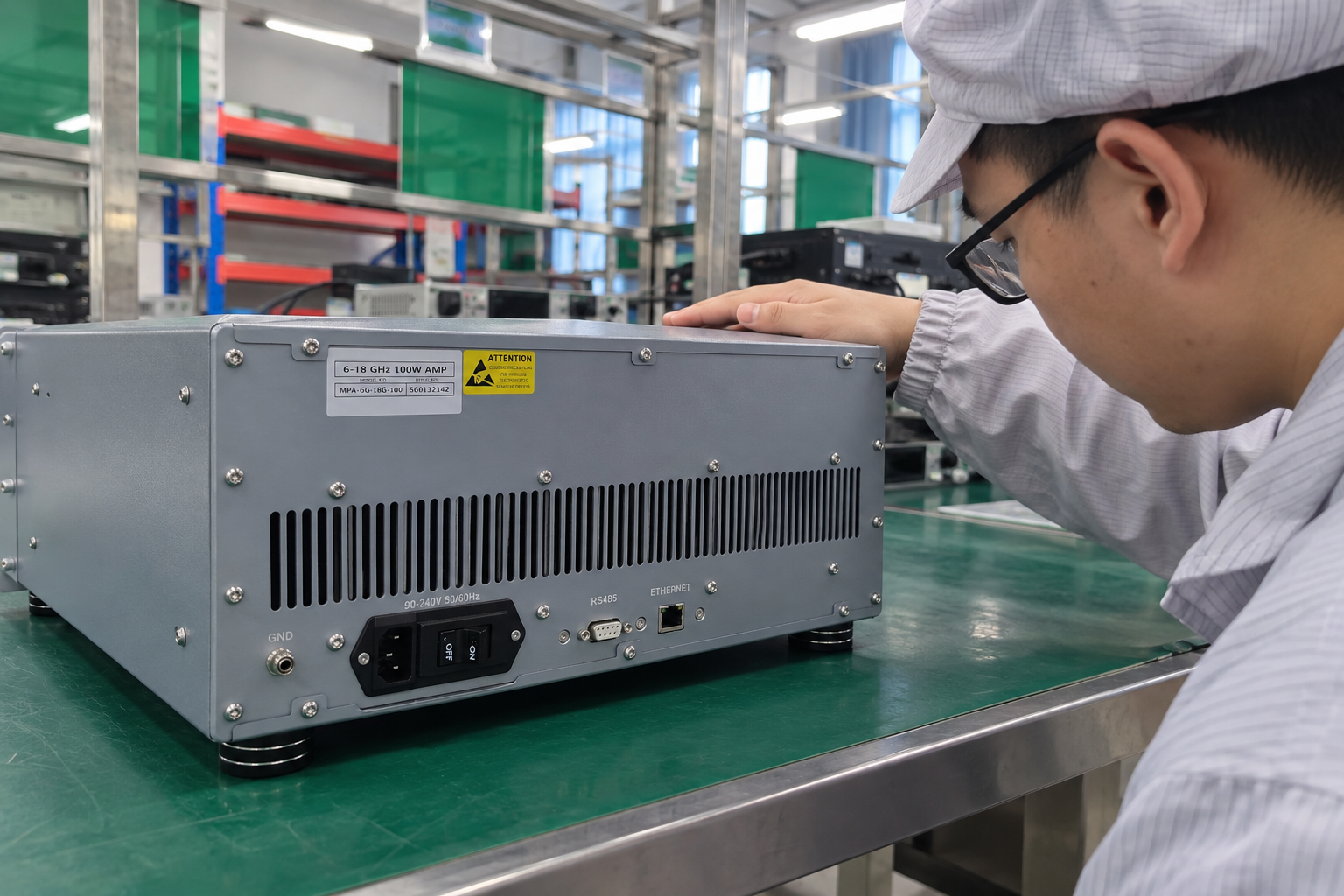
Suggest: test bench scene, engineering team, or assembly floor
Recommended: 1200×675 px
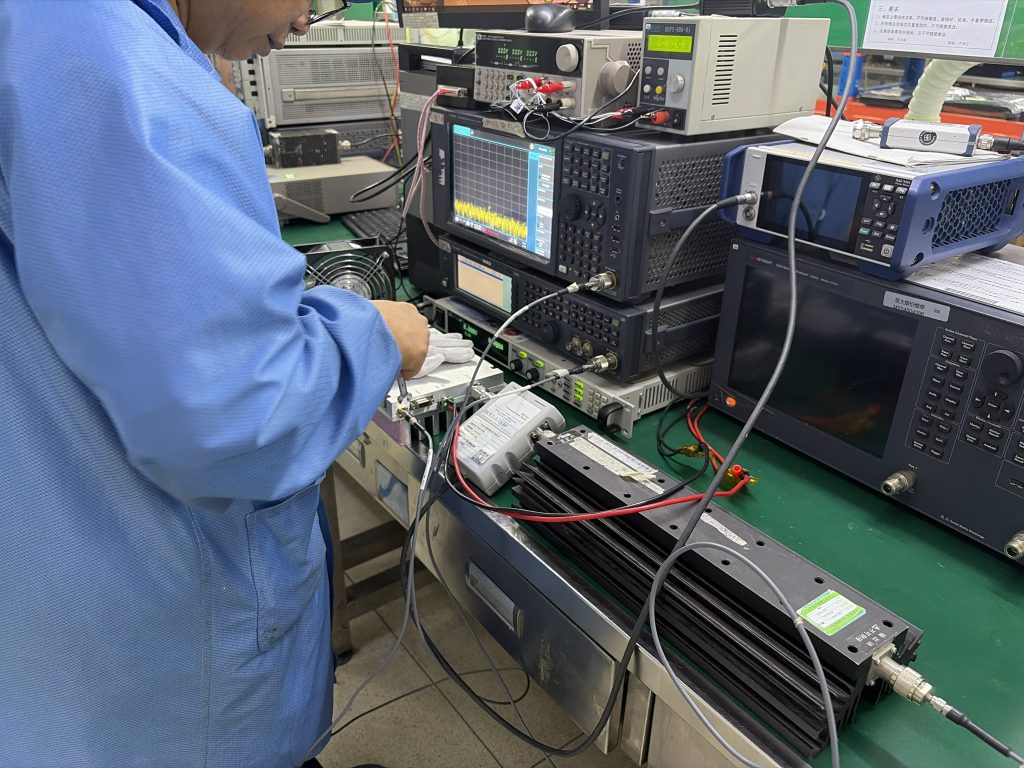
Finished module / product close-up
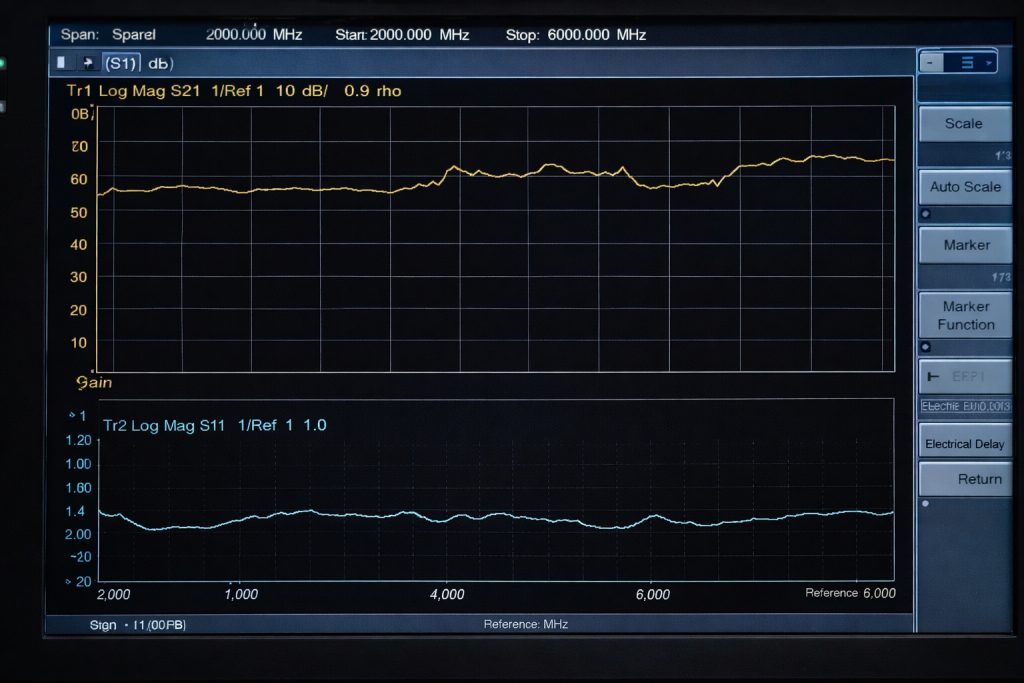
Assembly / QC inspection scene
Validation Process That Reduces Your Procurement Risk
Test data and validation documentation exist to give buyers confidence before committing to production volume. Here's what CorelixRF provides at each stage.
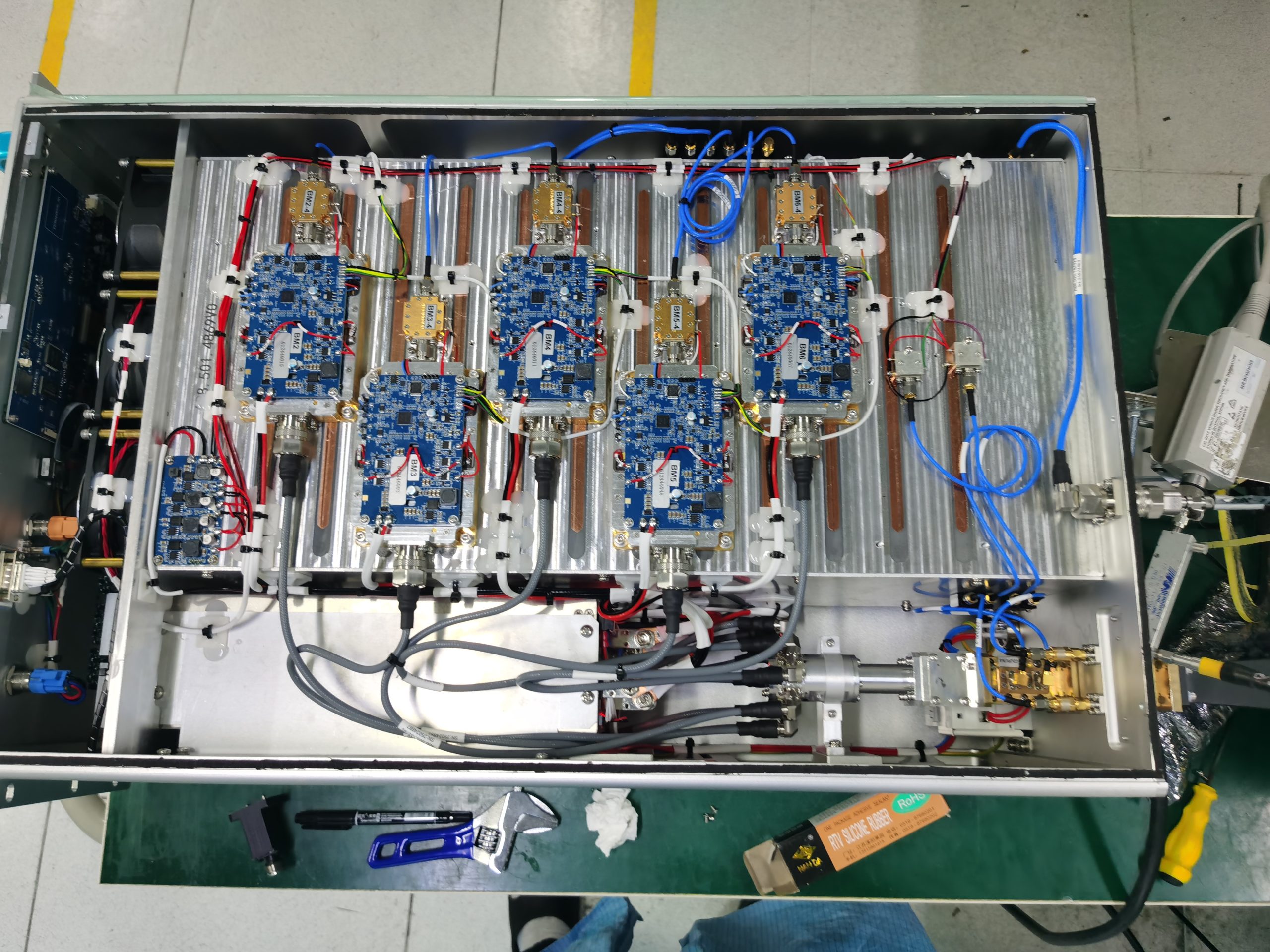
RF test bench / full setup
Recommended: 1200×675 px

VNA / spectrum screen
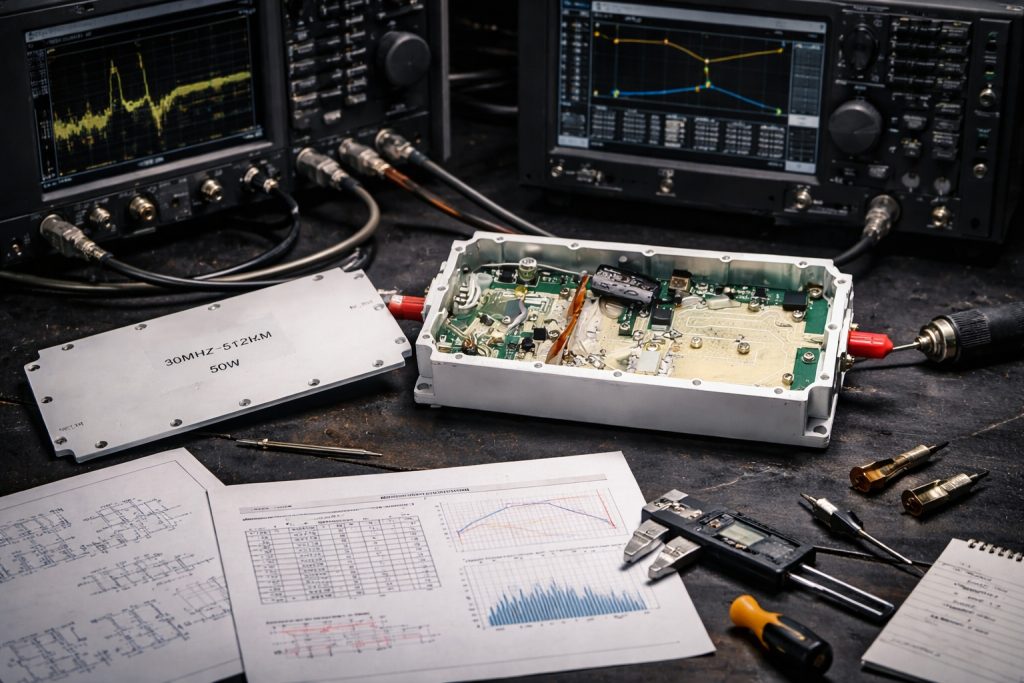
Thermal imaging
Projects Where CorelixRF Custom Amplifiers Are Relevant
These are the project types where custom RF power amplifier development makes engineering and commercial sense, and where CorelixRF has direct experience.

Common RF Amplifier Procurement Mistakes — And How to Avoid Them
These mistakes are worth knowing about before you place a first order or commit to a supplier. They're not obvious from a datasheet, but they affect project outcomes consistently.
Suggest: Psat vs P1dB curve diagram, or procurement checklist infographic
Keep minimal — support role only
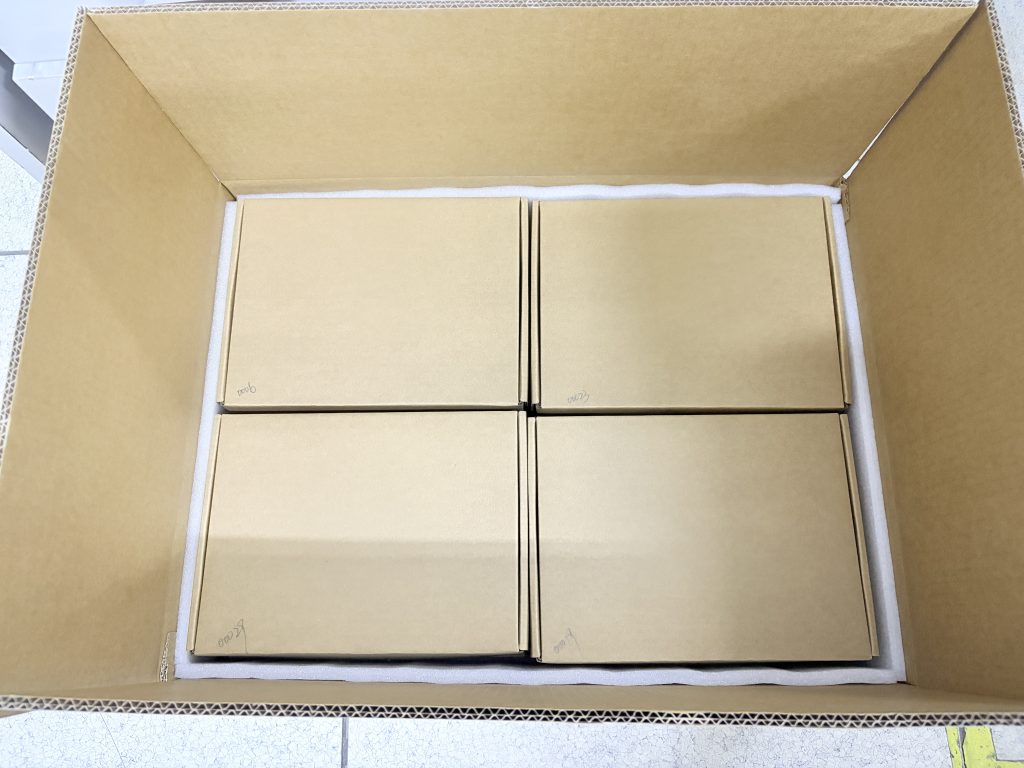
Factory-Direct Manufacturing and Reliable Export Delivery
CorelixRF manufactures, assembles, tests, and ships from our own facility. This section covers the operational side of what we can deliver.



Quality System and Documentation Support
Certifications are the floor, not the ceiling. What matters is how the quality system supports OEM project handling and documentation requirements.
Questions Engineers and Procurement Buyers Actually Ask
Straight answers on the specification and procurement questions that affect integration decisions.
Talk Directly to Engineering
Your specifications go directly to the CorelixRF RF engineering team. Not a quoting desk. Not a reseller. The people who respond design and build these modules. Engineering reply typically on the next business day.
Send frequency, power and integration limits for review.
Approximate values are acceptable. CorelixRF can recommend a standard amplifier platform or confirm whether a custom split is required.
These five points help engineering identify the right platform faster.