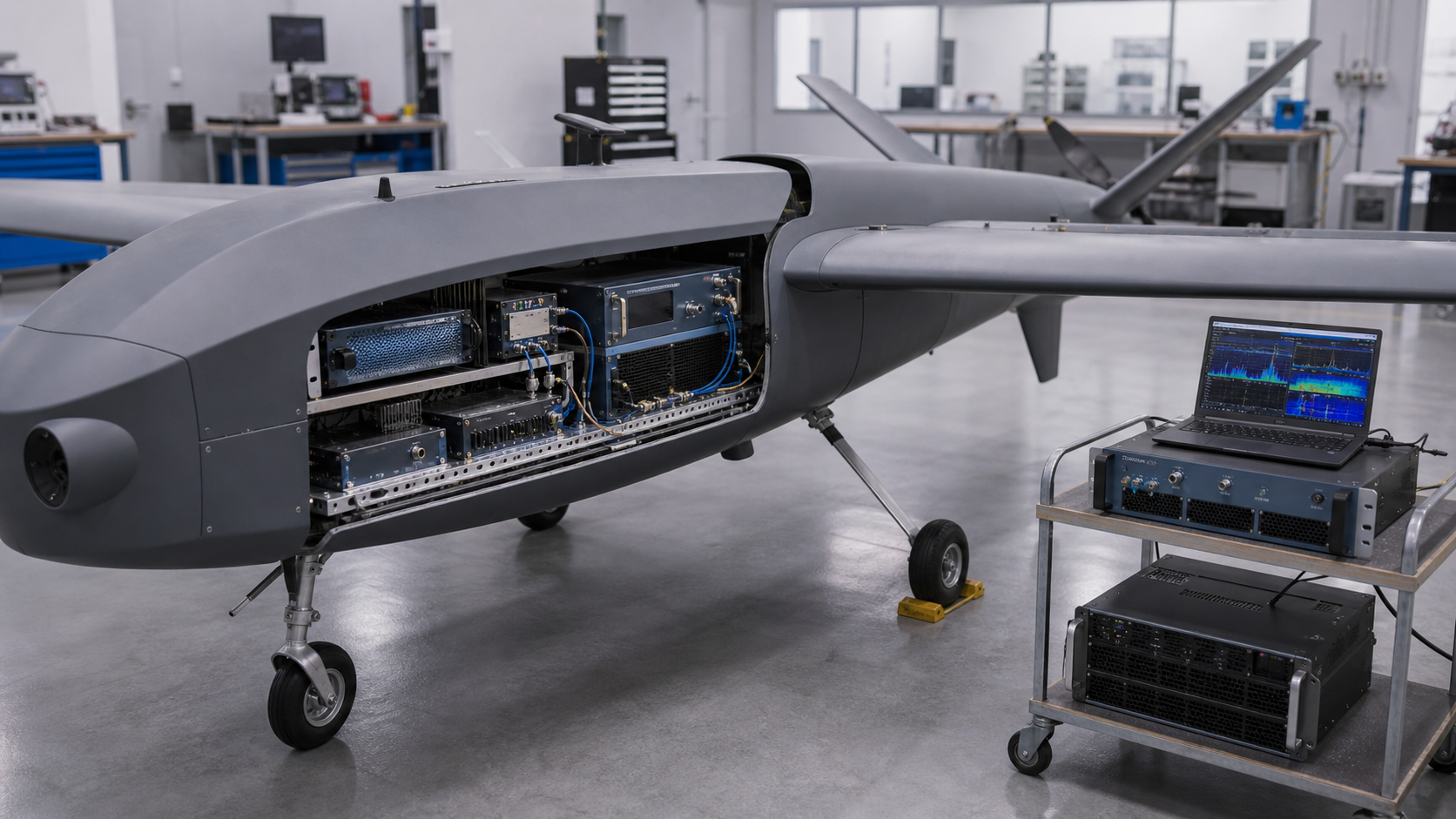
CorelixRF — Header Component (Enhanced + Fixed)
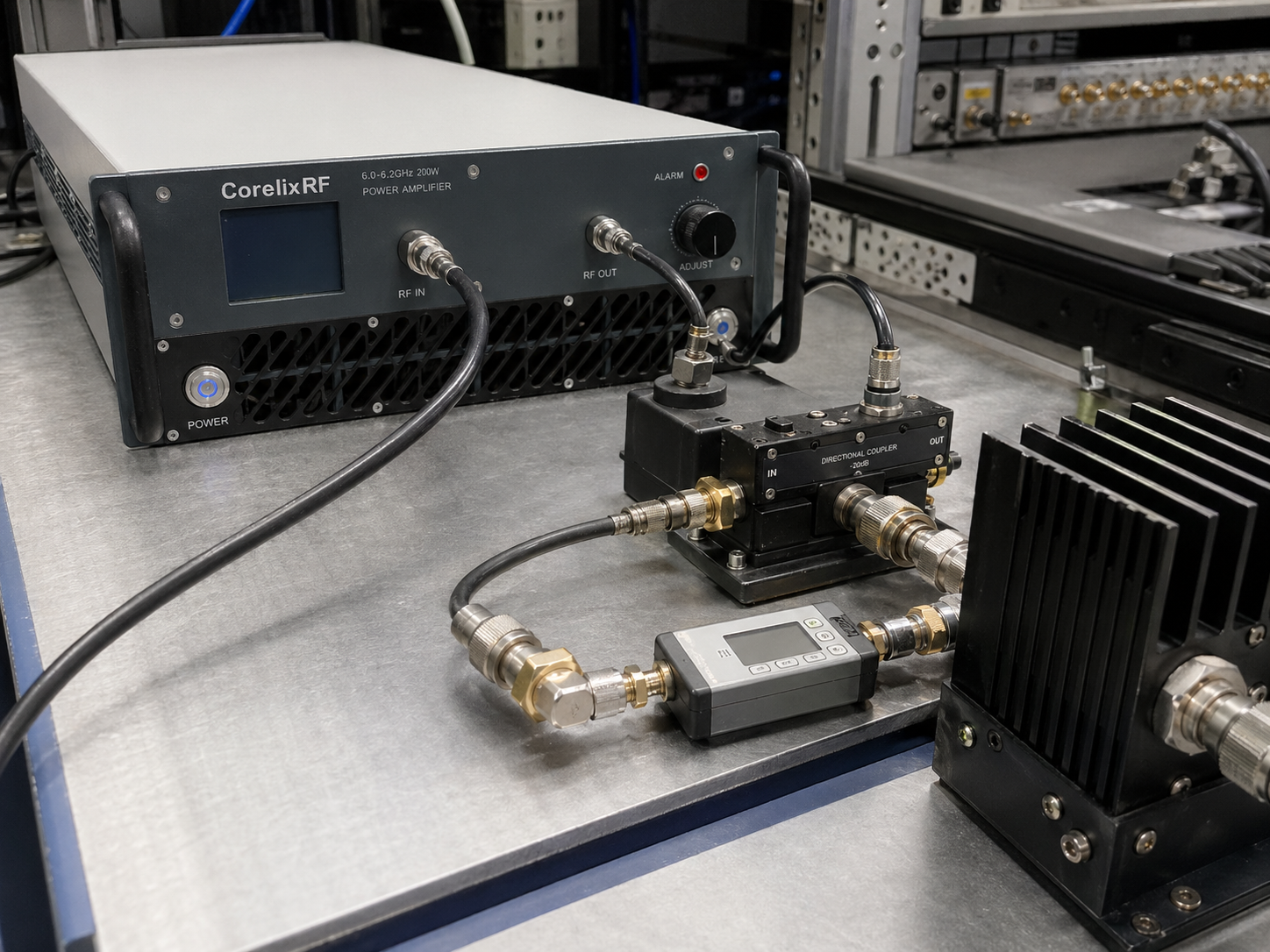
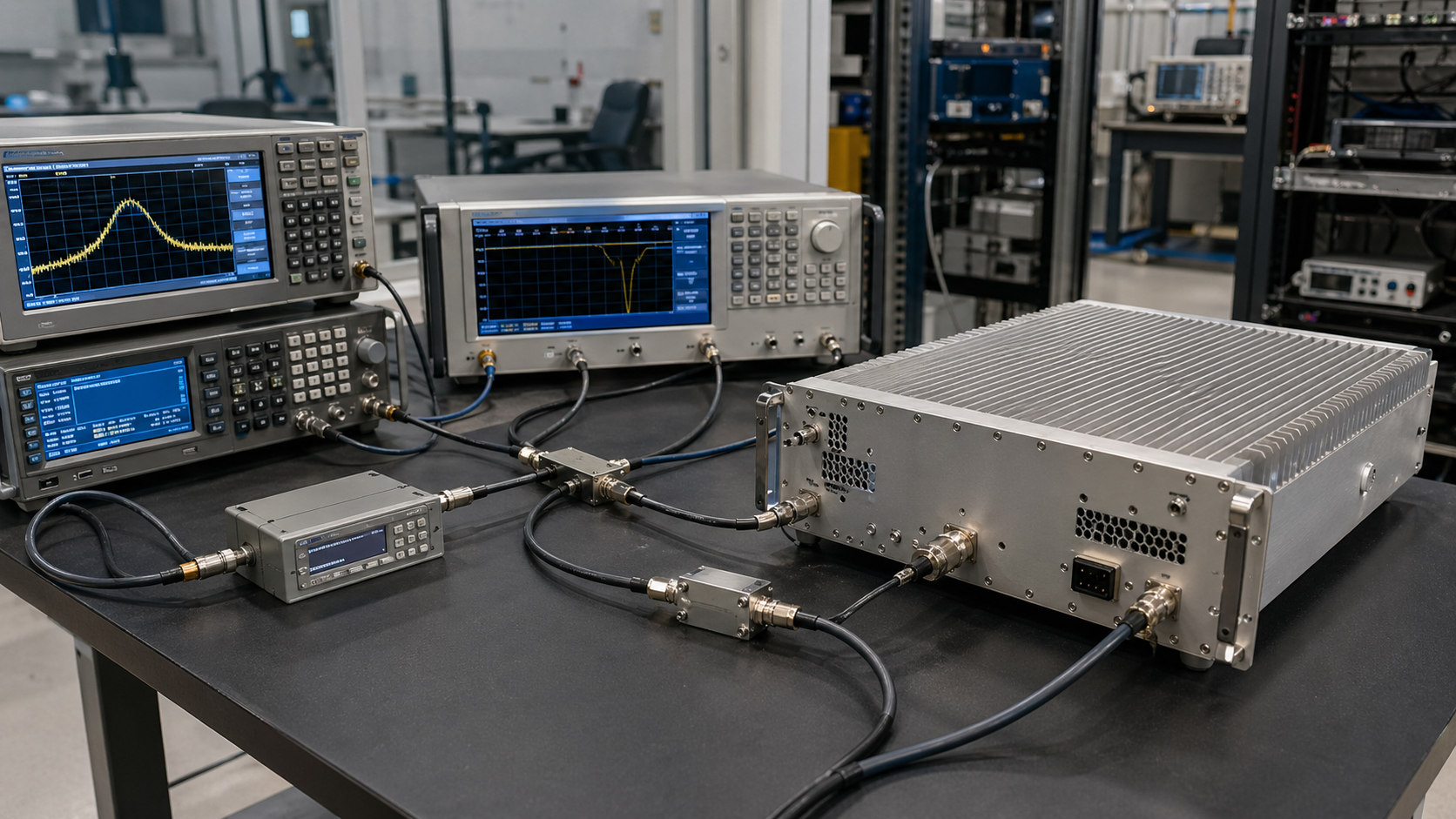
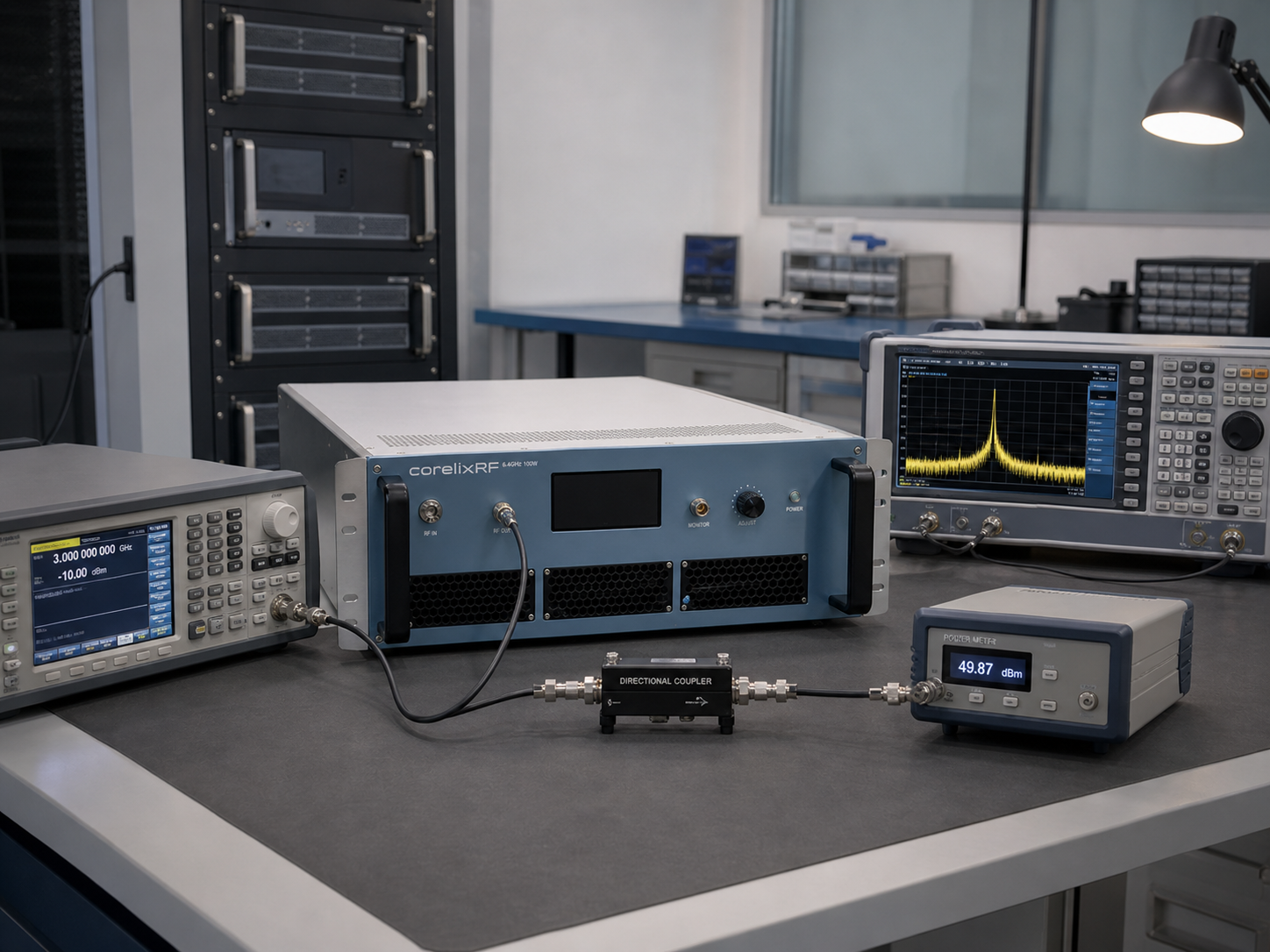
CorelixRF high frequency RF engineering test bench with RF instruments and coaxial cables
CorelixRF Engineering Capability

High Frequency RF Engineering Capability for 2–40 GHz RF Amplifier Projects

Factory-direct engineering, manufacturing, testing, and integration support for S/C-band, wideband microwave, X-band, Ku-band, K-band, and Ka-band RF amplifier projects.

CorelixRF helps engineering buyers match high-frequency RF amplifier platforms, review power and interface requirements, validate RF performance, and move from datasheet request to project-based manufacturing and delivery.

2–40 GHz Public Coverage Engineering Review First Unit-Level RF Validation Standard / Modified / Custom Platforms
Capability
Engineering hub page, not a single product landing page
Review First
Frequency, power, interface, cooling and integration check
Validation
RF testing, measured data, and unit-level verification support
OEM / ODM
Standard, modified, and custom platform support
Capability Definition

What This High-Frequency RF Capability Covers

For CorelixRF, high-frequency RF capability is not only a frequency range. It includes platform matching, RF performance review, output power and gain evaluation, connector and control interface discussion, thermal and mechanical review, manufacturing support, RF validation, and delivery documentation.
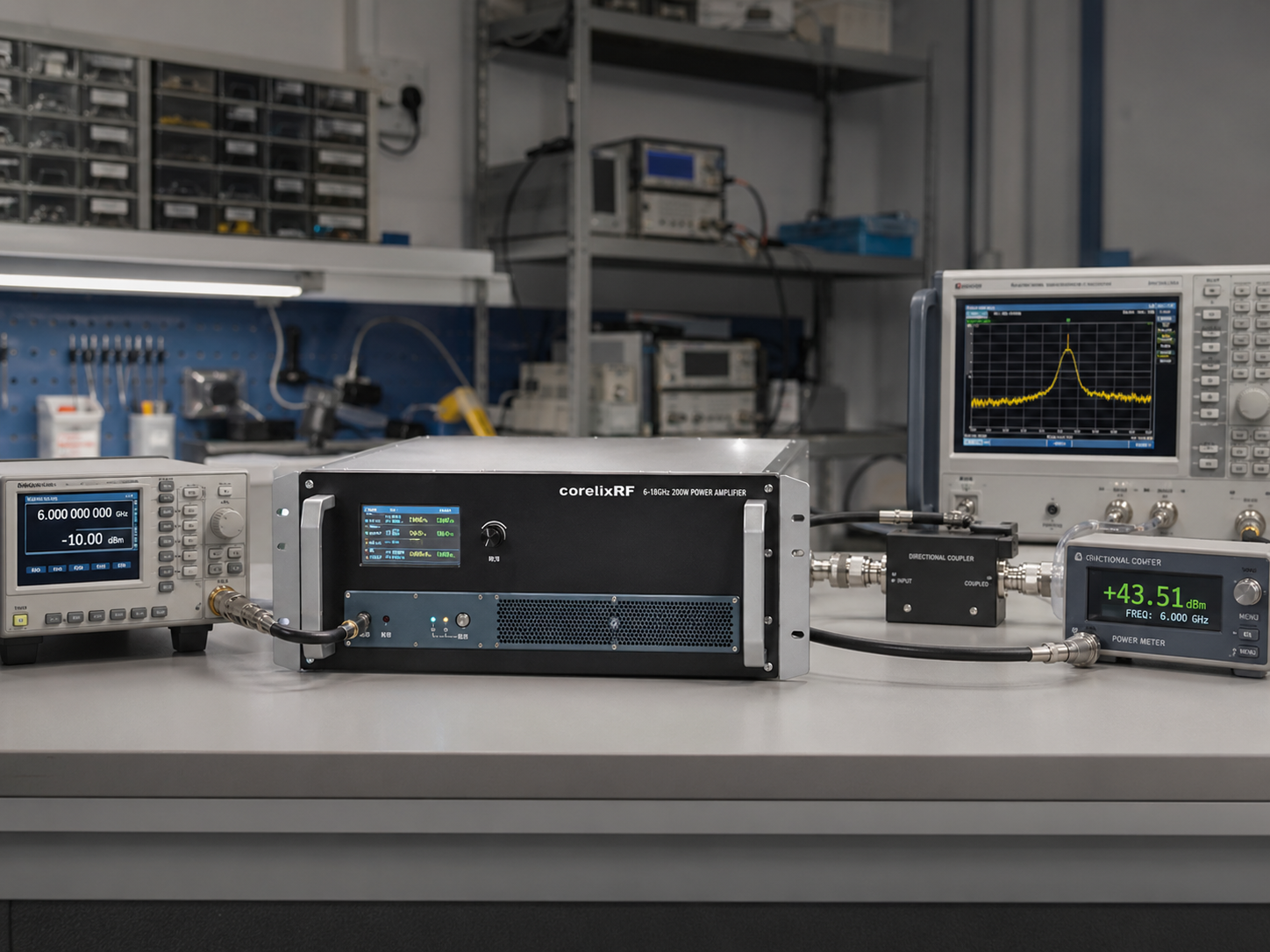
This page helps engineering buyers understand CorelixRF’s 2–40 GHz RF amplifier capability before requesting datasheets, measured data, or project-specific recommendations.
CorelixRF RF engineering workstation with electronic test equipment
Engineering capability before model selection
Capability 01
Frequency Platform Matching
Match 2–40 GHz requirements to standard, modified, or custom RF amplifier platform paths.
Capability 02
Power & Gain Review
Review output power, gain, gain flatness, operating mode, and RF chain condition.
Capability 03
Thermal & Mechanical Fit
Review cooling, mounting, housing, connector position, and integration space.
Capability 04
Validation & Delivery Support
Support RF testing, inspection, measured data, packing, and project-based delivery.
Public Coverage

Public 2–40 GHz Platform Coverage

This table shows public platform areas for this capability page. It is not a full datasheet library. Detailed output power, gain, connector, cooling, mechanical and measured-data information is provided after requirement review.

2–40 GHz Capability Matrix
Capability Area Public Frequency Coverage Representative Power Classes Best Next Step
S / C-Band Platform Areas 2–6 GHz / 2–8 GHz / 4–8 GHz From tens of watts to kW-class platforms depending on band and mode View 2–6 GHz / request review
Band-Specific High-Power Areas 2–4 GHz / 2.9–3.5 GHz / 5.8–6.7 GHz / 6–8 GHz Project-specific high-power platform review View narrowband path
Wideband Microwave Capability 2–18 GHz / 6–18 GHz / 8–18 GHz Datasheet-supported and review-based wideband microwave platforms View 6–18 GHz
X / Ku-Band Engineering Coverage 7–9 GHz / 8–12 GHz / 10.7–12.7 GHz Band-specific RF amplifier project evaluation Request narrowband review
K / Ka-Band Engineering Coverage 18–26.5 GHz / 18–40 GHz / 26.5–40 GHz From low-watt to higher-power Ka-band platforms by requirement View 18–40 GHz

Representative platform areas are shown for public review. For high-frequency projects, final selection should confirm full-band output power, gain flatness, VSWR/load condition, connector type, cooling method, mechanical structure, and control interface.

Platform Matching
Need help matching a frequency range to the right RF amplifier path?

Share frequency, power, operating mode, input level and integration conditions. CorelixRF will review whether a standard, modified or custom high-frequency platform is more suitable.

Engineering Review Logic

How CorelixRF Reviews High-Frequency RF Requirements

High-frequency RF amplifier selection depends on more than frequency and wattage. CorelixRF reviews the operating band, output power, input signal, working mode, thermal condition, RF connector, mechanical size, voltage, control logic, and system integration environment before recommending a platform.

Datasheets are provided by request because the correct document depends on actual engineering conditions. This reduces the risk of selecting a platform that does not fit the customer’s RF chain, thermal design, or mechanical integration environment.

STEP 01
Requirement Input
Frequency, power, CW/pulsed mode, interface, voltage, cooling, size, quantity, and application environment.
STEP 02
Platform Review
Standard platform, modified platform, or custom engineering path is reviewed by application condition.
STEP 03
Datasheet Matching
Relevant datasheets, measured-data direction, platform suggestions, or custom options are provided after review.
Engineering Support Areas

High-Frequency RF Engineering Support Areas

These engineering areas are reviewed before datasheet matching, sample discussion, or custom platform evaluation.

Review 01
Frequency Coverage
Operating band, bandwidth, platform availability, and gain flatness expectation.
Review 02
Output Power
Required power level, CW / pulsed condition, thermal margin, and full-band output.
Review 03
RF Interface
Connector type, input/output level, load condition, and RF chain compatibility.
Review 04
Thermal Design
Heat dissipation, baseplate, airflow, fan / heatsink, and installation environment.
Review 05
Mechanical Structure
Module size, rack size, connector position, mounting, and OEM equipment fit.
Review 06
Control Interface
Voltage, enable, monitoring, fault protection, and communication interface.
Review 07
Validation Method
Output power, gain, harmonics, spurious, VSWR, thermal, and unit-level test data.
Review 08
Integration Path
Module, rack, RF front-end chain, SDR + amplifier + antenna, or OEM system integration.
Representative Platform Areas

2–40 GHz Platform Areas Supported

The following platform areas show where CorelixRF’s high-frequency RF capability is commonly applied. They are platform snapshots, not a public specification download library.
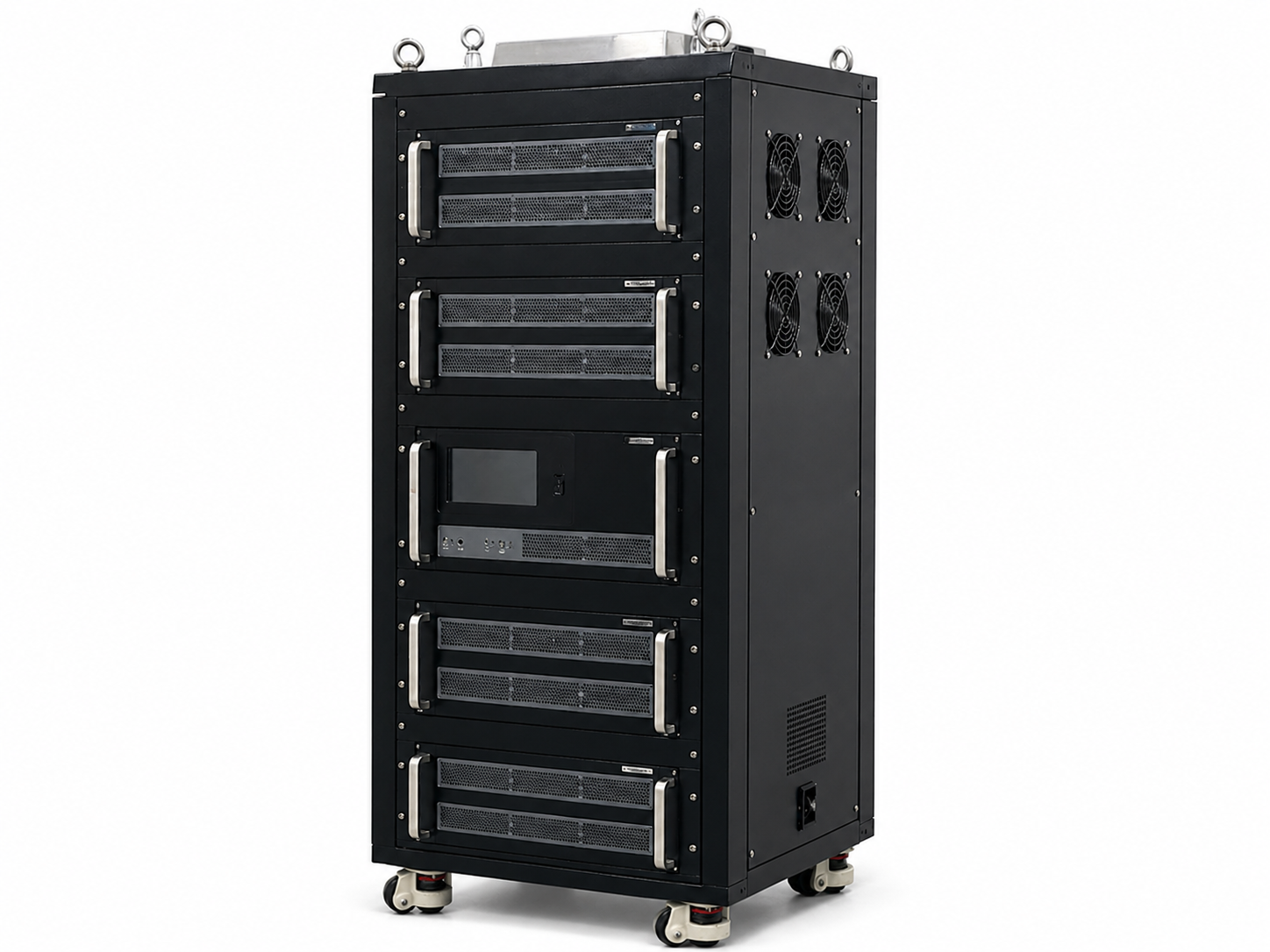
S and C band RF power amplifier platform under RF testing
Representative S / C-band platform areas
S / C-Band Areas

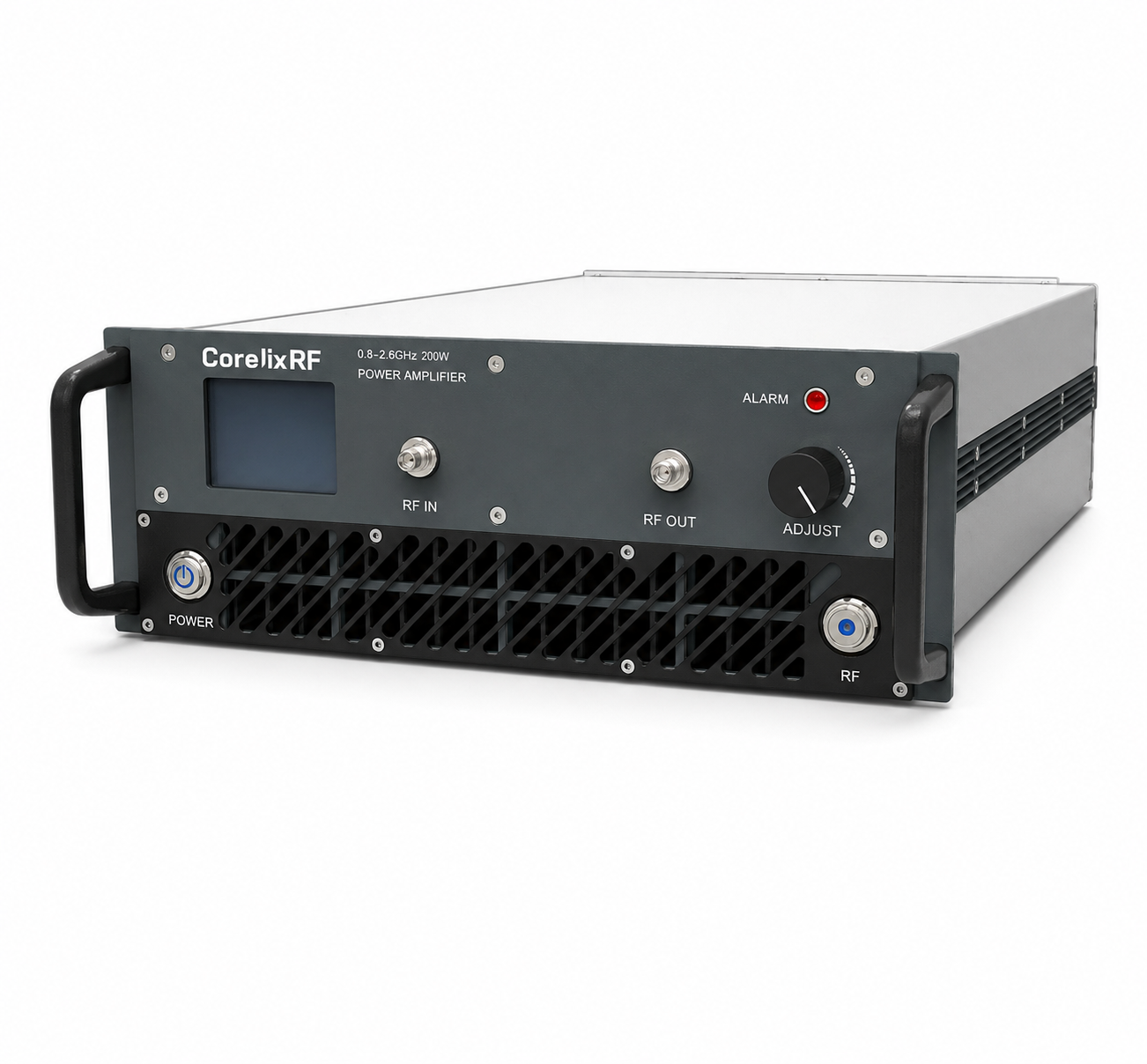
Representative S / C-Band Platform Areas

S/C-band platform areas support RF testing, microwave communication, laboratory systems, EMC-related RF chains, and system-level integration projects where output power, cooling, and platform matching are important.

2–4 GHz
High-power platform review
2–6 GHz
Broadband S/C-band support
2–8 GHz
Wide S/C-band platform area
4–8 GHz
C-band engineering coverage
Wideband Microwave

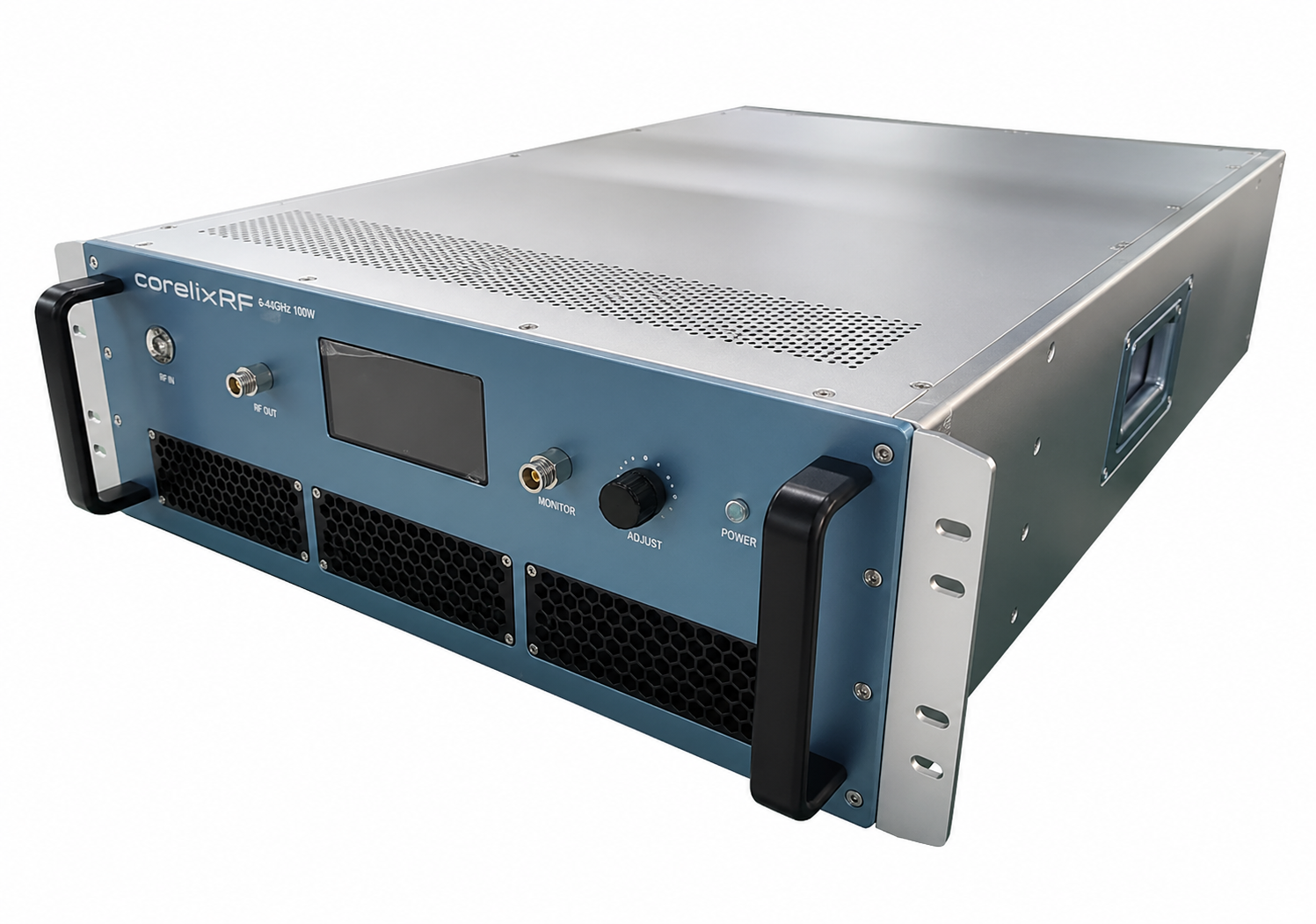
Wideband Microwave Platform Capability

Wideband microwave capability supports broadband RF chains, RF test benches, front-end development, SDR-driven systems, and high-frequency integration projects requiring wider frequency coverage.
2–18 GHz
Broadband microwave support
6–18 GHz
High-frequency wideband area
8–18 GHz
Upper microwave platform review
Custom
Power / interface / enclosure review
Wideband microwave RF amplifier test chain with signal generator coupler load power meter and spectrum analyzer
Wideband microwave RF test chain
X Ku K and Ka band RF amplifier validation with high frequency test equipment
X / Ku / K / Ka-band engineering coverage
X / Ku / K / Ka

X / Ku / K / Ka-Band Engineering Coverage

Higher microwave and Ka-band projects require review of RF interface, thermal structure, mechanical integration, and validation conditions before datasheet matching.

7–12.7 GHz
X / Ku-band project support
18–26.5 GHz
K / lower Ka engineering area
18–40 GHz
Full K/Ka path review
26.5–40 GHz
Ka-band platform coverage
RF Testing & Validation

RF Testing and Validation Before Delivery

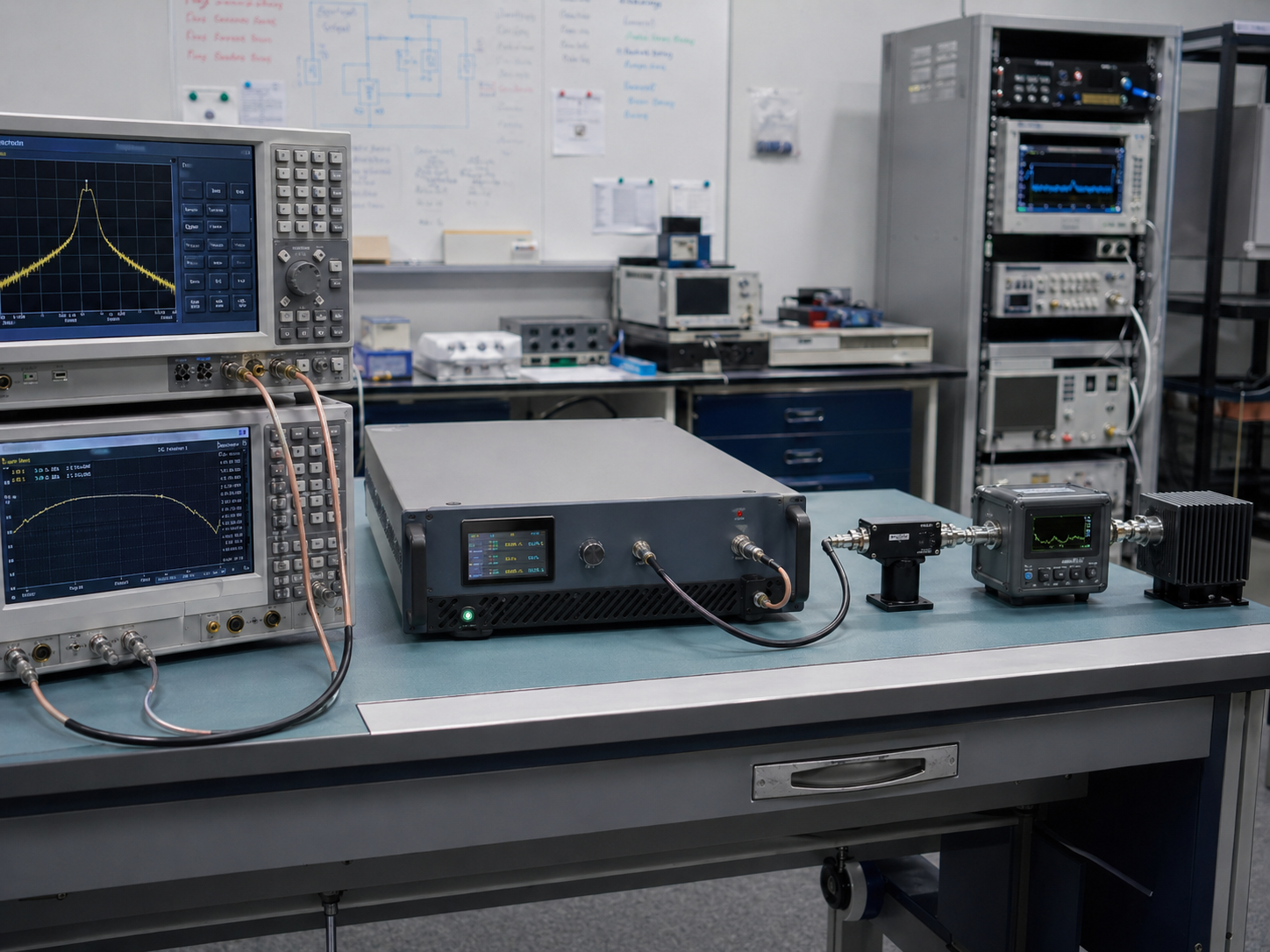
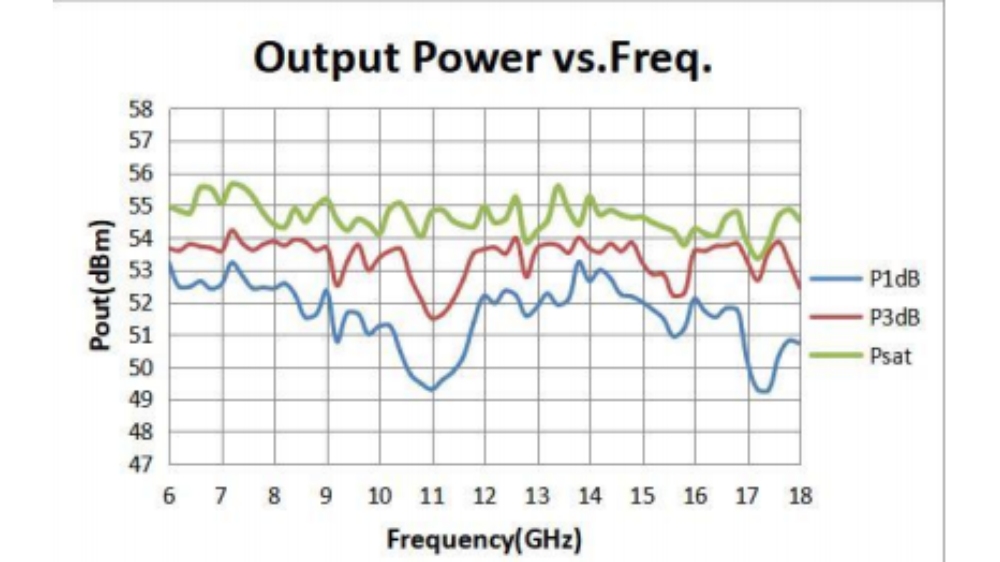
CorelixRF uses RF validation to reduce buyer risk before integration. Test items can include output power, gain, gain flatness, spectrum, VSWR, thermal condition, burn-in, aging, and measured RF data depending on the project requirement.
Output power verification across target frequency points
Gain and gain-flatness review
Spectrum, harmonics, and spurious check
VSWR and impedance matching review
Thermal and cooling condition validation
Burn-in / aging test where applicable
Environmental and vibration review by project need
Unit-level measured RF data support
Typical equipment support includes spectrum analyzer, vector network analyzer, power meter, oscilloscope, environmental chamber, and production test resources. The final test scope is confirmed by product type and project requirement.
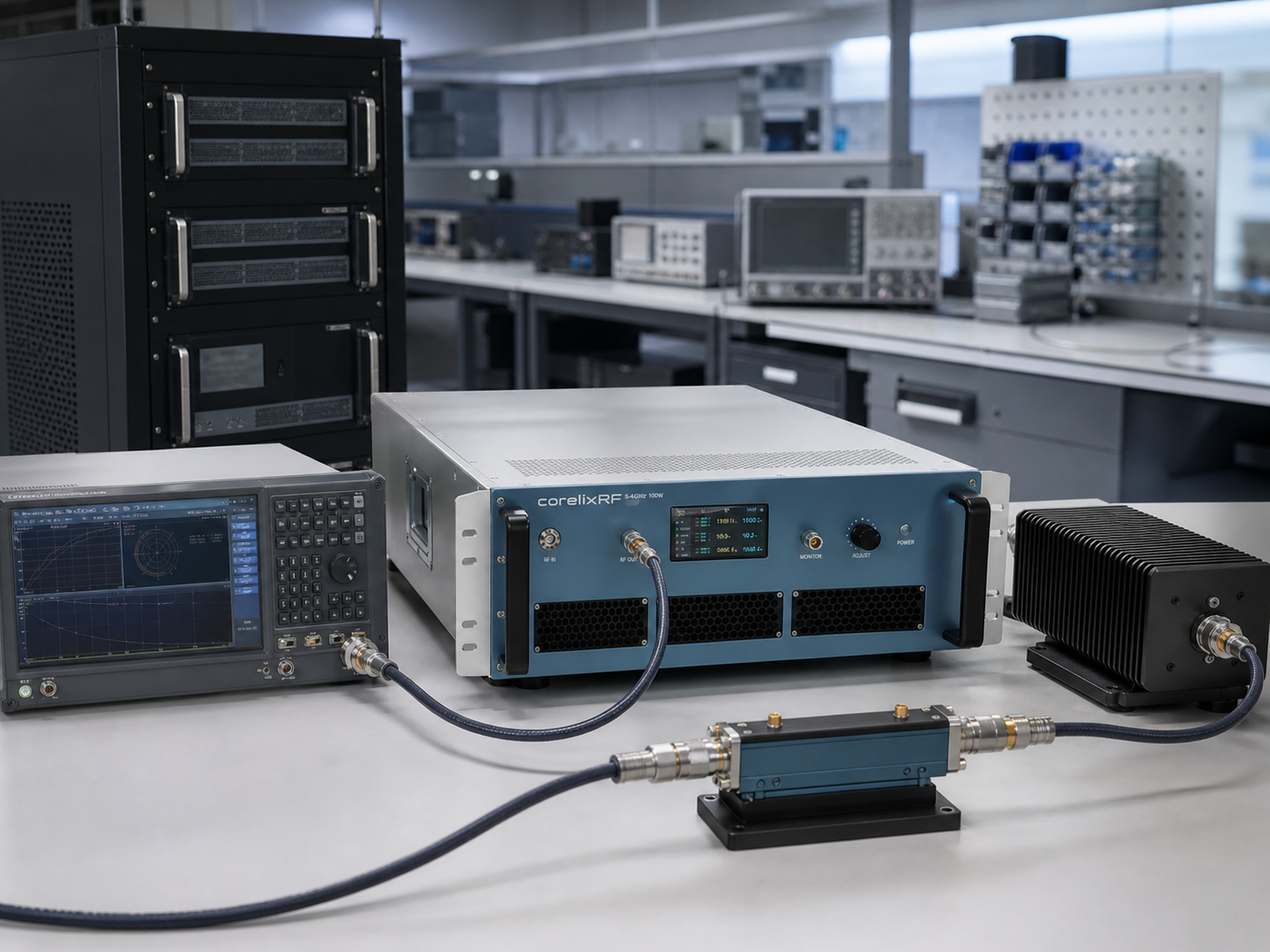
CorelixRF RF testing bench with amplifier and instruments
RF test bench and validation workflow
Output power versus frequency test data screen
Measured RF data review
RF amplifier setup connected to test equipment
Amplifier validation setup
Validation Support

Need measured RF data before integration?

Share the frequency range, output power class, operating mode, load / antenna condition, and required test items. CorelixRF can review whether output power, gain flatness, spectrum, VSWR, thermal, burn-in, or unit-level measured data should be prepared before delivery.

Manufacturing & Integration

Manufacturing and Integration Capability Behind RF Delivery

CorelixRF combines RF microwave engineering, micro-assembly, mechanical structure review, module assembly, amplifier production, aging, inspection, and packing support for project-based delivery.

Factory 01
RF Module Assembly
Module-level assembly, connector installation, wiring, inspection, and RF preparation.
Factory 02
Power Amplifier Production
Standard, modified, and project-specific RF power amplifier platforms for high-frequency projects.
Factory 03
Micro-Assembly Support
Support high-frequency module development, GaN-related engineering, and precision RF assembly.
Factory 04
CNC Mechanical Processing
Housing, mounting, thermal structure, connector layout, and integration fit review.
Factory 05
System-Level Assembly
Chassis, rack, RF chain, OEM equipment, and enclosure-level integration support.
Factory 06
Aging, Inspection & Packing
Burn-in, quality check, test documentation, packing and export-ready delivery support.

CorelixRF’s manufacturing base helps engineering buyers reduce model-matching risk and communicate directly with RF engineers before mechanical, thermal, and RF integration decisions are locked.

View Custom Amplifiers
RF Chain Fit

Where This Capability Fits in the RF Chain

High-frequency RF amplifier selection should be reviewed inside the complete RF chain, not only as an isolated amplifier purchase.

SDR / Signal Source
Signal source, waveform, drive level, and control interface review.
Go to SDR Source
Driver / Power Amplifier
Frequency, output power, gain, full-band flatness, and operating mode.
Go to Amplifier Overview
Filter / Coupler / Switch
RF path condition, protection logic, load review, and system monitoring.
Discuss RF Path
Antenna / Load / DUT
Power handling, VSWR, impedance, connector and application environment.
Go to Antenna Side
Test & Validation
Measured RF data, gain, spectrum, VSWR, thermal and delivery inspection.
Request Validation Review
Supported Project Types

High-Frequency RF Projects This Capability Supports

This page supports engineering buyers working on high-frequency RF test, communication, front-end, EMC, SATCOM, and OEM RF system projects.
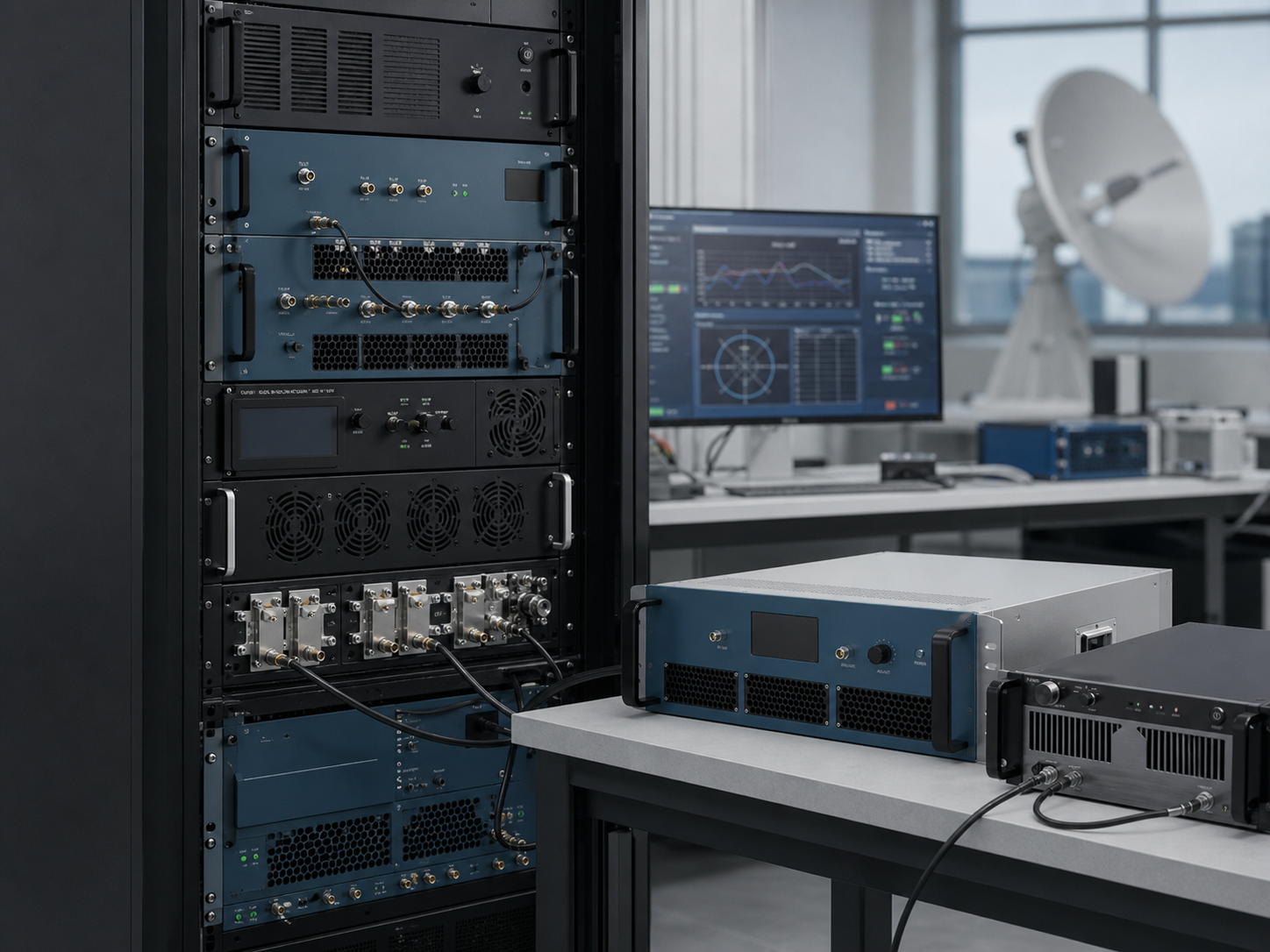
RF test platform development lab
PROJECT 01
RF Test Platform Development
For laboratory signal chain testing, amplifier validation, and RF performance evaluation.
Microwave communication RF front end test setup
PROJECT 02
Microwave Communication Front-End
For broadband microwave links and high-frequency RF front-end platforms.
Broadband RF chain integration lab
PROJECT 03
Broadband RF Chain Integration
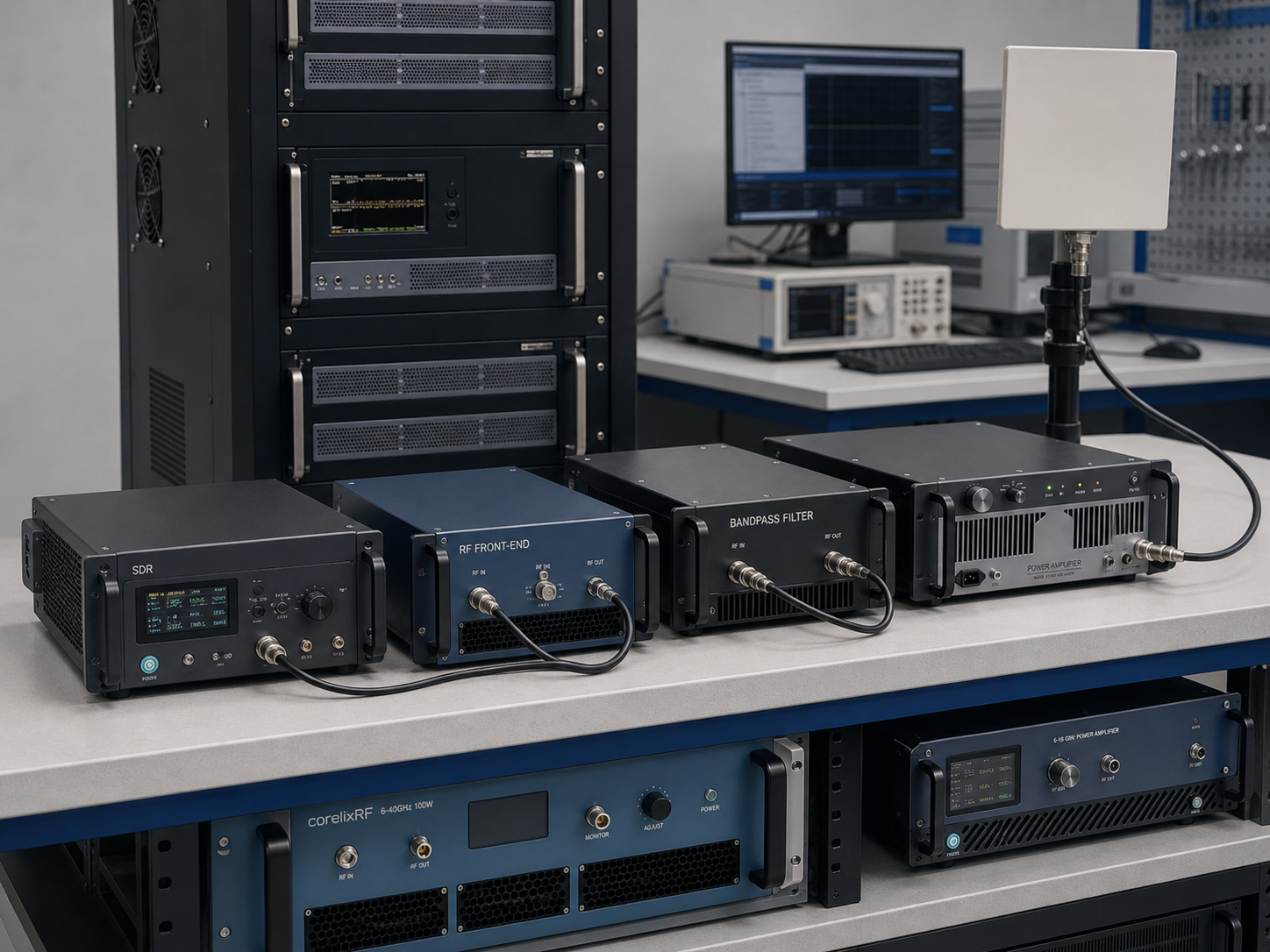
For SDR, amplifier, filter, antenna, and RF front-end chain integration.
Laboratory RF validation system
PROJECT 04
Laboratory RF Validation Systems
For controlled RF power testing, engineering validation, and measured-data review.
Satellite communication RF subsystem support
PROJECT 05
SATCOM RF Subsystem Support
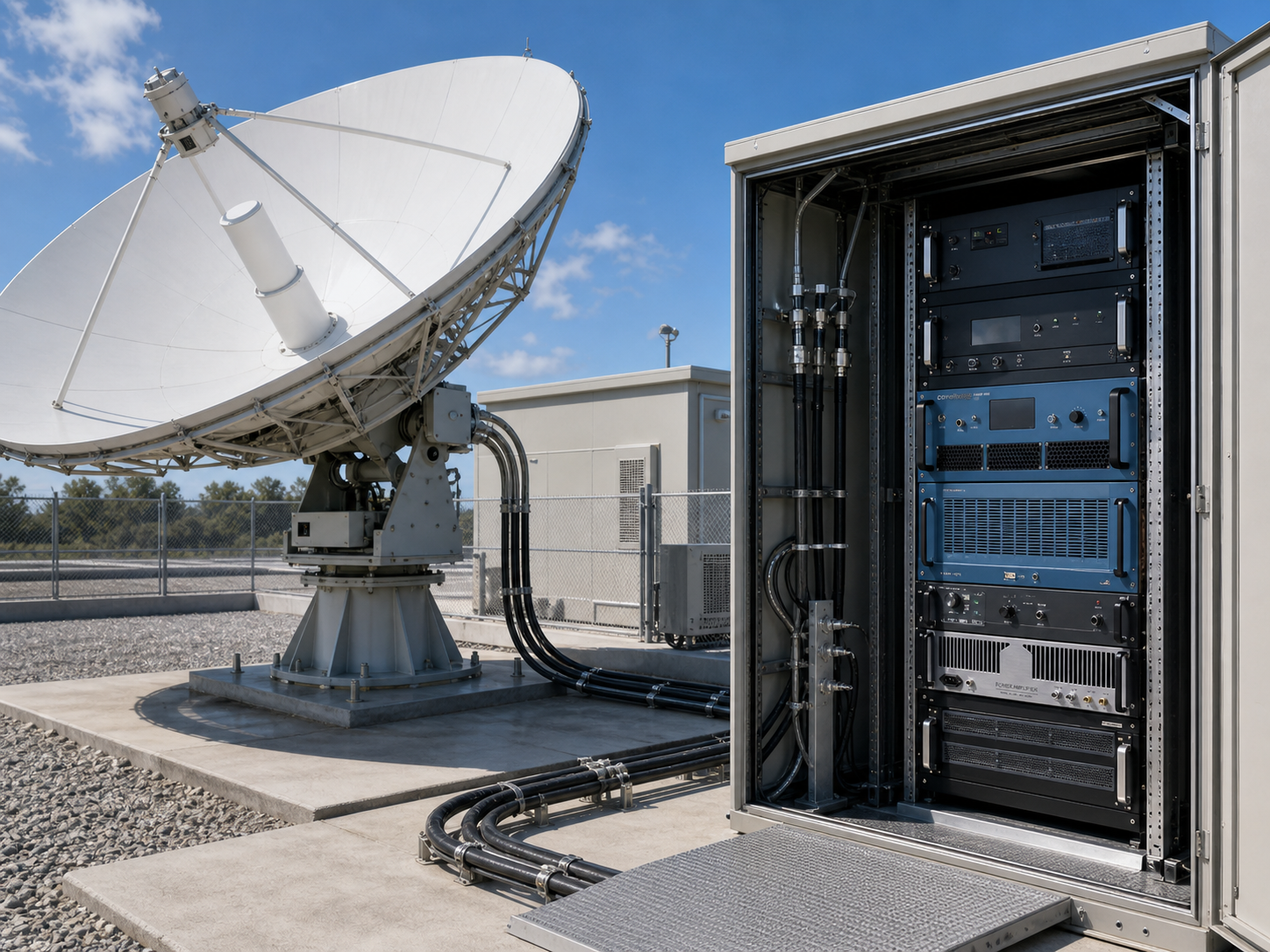
For C / Ku / Ka related ground station, test platform, and RF link support.
OEM RF system integration project
PROJECT 06
EMC and OEM RF Applications
For immunity testing, high-power RF chains, complex electromagnetic environments and OEM integration.
Source Manufacturer Support

Factory-Direct Support for High-Frequency RF Projects

CorelixRF focuses on RF microwave chip, module, subsystem and system-level product development, with in-house engineering, manufacturing, testing and documentation support for RF projects.

Factory Capability Customer Benefit
RF microwave engineering base Supports platform matching, frequency review, power review and integration communication before procurement.
ISO 9001 / GJB 9001C quality framework Improves quality process traceability for engineering buyers and project teams.
In-house manufacturing capability Better control over micro-assembly, CNC mechanical processing, RF module assembly and system-level integration.
RF testing and validation Output power, gain, spectrum, VSWR, thermal and unit-level data can be reviewed where applicable.
OEM / ODM project support Supports engineering samples, small batches, modified platforms, custom designs and longer-term projects.
Requirement Information

Requirement Information We Review

To help CorelixRF recommend the correct platform or datasheet, please prepare the following information when possible.

Required frequency range
Minimum output power
CW or pulsed operation
Input power / drive level
Gain requirement
Harmonic or spurious requirement
Supply voltage
RF connector type
Cooling method
Size limitation
Control interface
Quantity
Application environment
Project stage
Target delivery schedule
FAQ

High-Frequency RF Capability Questions

Is this page a product page or a capability page?
This is a capability page. It explains CorelixRF’s 2–40 GHz high-frequency RF engineering, testing, manufacturing, and integration support rather than acting as a single product landing page.
What frequency range does this capability page cover?
This page focuses on public 2–40 GHz high-frequency RF amplifier capability, including S/C-band, wideband microwave, X-band, Ku-band, K-band, and Ka-band platform areas.
Do you publicly show all high-frequency RF amplifier datasheets?
No. CorelixRF publicly shows frequency coverage, platform categories, and engineering capability. Relevant datasheets or platform recommendations are provided after reviewing project requirements.
Why do I need to request a datasheet?
High-frequency RF amplifier selection depends on frequency range, output power, operating mode, thermal design, RF connector, voltage, mechanical size, and application environment.
Can CorelixRF support 6–18 GHz RF amplifier projects?
Yes. CorelixRF supports 6–18 GHz wideband microwave RF platform areas with engineering review and datasheets available by request.
Can CorelixRF support Ka-band RF amplifier projects?
Yes. CorelixRF supports 26.5–40 GHz Ka-band platform areas with engineering review for power, interface, thermal, and mechanical requirements.
Can you customize frequency range or output power?
Yes. Custom frequency, power, voltage, RF connector, control interface, cooling method, mechanical structure, and system integration conditions can be reviewed based on project requirements.
Do you provide measured RF data?
Measured RF data can be provided for project review where applicable, including output power, gain, spectrum, VSWR, and thermal-related validation.
Can this capability support SDR + amplifier + antenna integration?
Yes. CorelixRF can review SDR source, amplifier, antenna/load, connector, power handling, and system-level RF chain conditions.
What information should I provide?
Please provide frequency range, output power, operating mode, input level, voltage, RF connector, cooling method, size limitation, quantity, application environment, and project stage.
Engineering Review / Data Request

Need a High-Frequency RF Amplifier That Fits Your Band, Power and Integration Conditions?

Share your frequency range, output power target, operating mode, cooling preference, connector requirement and application. CorelixRF will review whether an existing high-frequency platform or a custom microwave amplifier path is more suitable.

2–40 GHz
High-frequency RF capability page coverage
By Review
Datasheet, measured data and recommendation path
Factory-Direct
Engineering + manufacturing + validation support
Custom Path
Frequency, power, interface and mechanical review