CorelixRF — Header Component (Enhanced + Fixed)
SDR + CW RF Power Amplifier Systems | Matched RF Chain Integration | CorelixRF
CorelixRF · RF Front-End Systems · Factory-Direct

Matched SDR + CW RF Power Amplifier Systems

Not Separate Components — SDR Source and CW Amplifier Platform Matched for Integration

Factory-direct SDR source modules matched with CW RF power amplifier platforms. CorelixRF reviews SDR output level, amplifier input requirement, frequency overlap, control interface, connector path and system integration before recommendation.

CW matching scope: this page focuses on SDR source modules matched with CW amplifier platforms only. Pulsed RF amplifier projects are reviewed separately because pulse width, duty cycle, pulse frequency and timing behavior require a different engineering path.

100 MHz–6 GHz
SDR Source Coverage
30–200 W
CW Amplifier Classes
4 Paths
CW Amplifier Platform Paths
8 Labs
In-House Test Labs
1,400+
Test Instruments On-Site
48hr
Engineering Review Target
// Choose Your Path

Choose the Right SDR + CW Amplifier Path

Use this page as the bridge between SDR source selection, CW amplifier matching, antenna/load/DUT review and custom RF chain integration.

SDR Only

Review Broadband SDR Generator

For teams first checking the 100 MHz–6 GHz SDR source module, RS422 control and board-level OEM format.

View SDR Generator →
SDR + CW Amplifier

View Matching Paths

For projects that need SDR output level, CW amplifier input, frequency overlap and power class reviewed together.

Go to Matching Paths →
Antenna Output

SDR + CW Amplifier + Antenna

For RF chains where the amplifier output drives an antenna and needs power handling, VSWR and connector review.

View Wideband Antenna Path →
Custom RF Chain

Ask Engineering Team

For OEM integration, connector/control customization, enclosure format or project-specific output-side conditions.

Start Engineering Review →
// Why RF Systems Fail in Real Deployment

The Real Reason Your RF Signal Chain Keeps Breaking Down

Most RF integration problems don't come from bad components — they come from components that were never designed to work together.

  • Mismatched Frequency & PowerSDR source and amplifier from different suppliers — ranges overlap but never align perfectly. You spend weeks tuning what should have worked out of the box.
  • Interface Incompatibility at IntegrationControl interfaces, connector types, and power supply requirements differ across vendors. No single supplier owns the full chain — your integration timeline extends by months.
  • No Engineering Support at the System LevelDistributors sell parts, not solutions. When something fails in your RF chain, no single vendor takes ownership of the problem.
  • Untested Combinations Reach Your BenchComponents are specified individually — never validated as a working signal chain. You become the integration tester by default.
CorelixRF Solves This at the Source

We manufacture both the SDR source module and the RF power amplifier platforms — in the same factory, with the same engineering team responsible for the full chain.

  • Matched from the start — SDR source and amplifier platforms selected together based on your target band and power requirements
  • Single interface owner — One engineering team reviews connectors, control coordination, and mechanical fit across the full system
  • Factory-validated signal chain — 8 in-house labs and 1,400+ test instruments available for system-level verification before delivery
  • 48-hour engineering response — Submit frequency, power, and constraints → receive matched system recommendation
  • OEM & custom paths available — Standard platforms as starting point, engineering-backed customization when needed
// Complete Signal Chain

The Full RF Front-End Path — Matched & Validated

A complete SDR + amplifier signal chain isn't two products placed side by side. It's a matched path where source output, amplifier input sensitivity, frequency range, and interface logic are all aligned from the start.

Host System
Control Interface
RS422 / Software
Broadband SDR Generator
CorelixRF Digital RF
100 MHz–6 GHz · 200 MHz BW · SMA Out
CW RF Power Amplifier
CorelixRF CW PA Platform
30–512 / 300–1700 / 300–2700 / 2–6 GHz · 30–200 W
Antenna / Load
DUT · System Output
Matched Impedance
9–32 VDC
SDR Power Supply
28 VDC (std)
Amplifier Supply
SMA · N-Type
RF Connectors
RS422 · Custom
Control Interface
// Solution Scope

What This Solution Covers

One supplier. One matched system. Complete support from signal source to amplified output.

// 01

Wideband SDR Digital RF Source Modules

100 MHz–6 GHz, 200 MHz real-time bandwidth. Board-level compact format with RS422 control, SMA output, and 9–32 VDC supply. Designed for bench and embedded integration.

View SDR Generator
// 02

CW RF Power Amplifier Platforms

CW amplifier platform paths: 30–512 MHz, 300–1700 MHz, 300–2700 MHz and 2–6 GHz. Selected by SDR frequency overlap, amplifier input requirement and output power class.

View RF Power Amplifier Platforms
// 03

SDR + CW Amplifier Matching Review

CorelixRF reviews SDR output level, amplifier input requirement, connector path, control interface, power supply and system-level RF output before recommendation.

Request Matching Review
// Signal Source

Broadband SDR Generator Used for CW Amplifier Matching

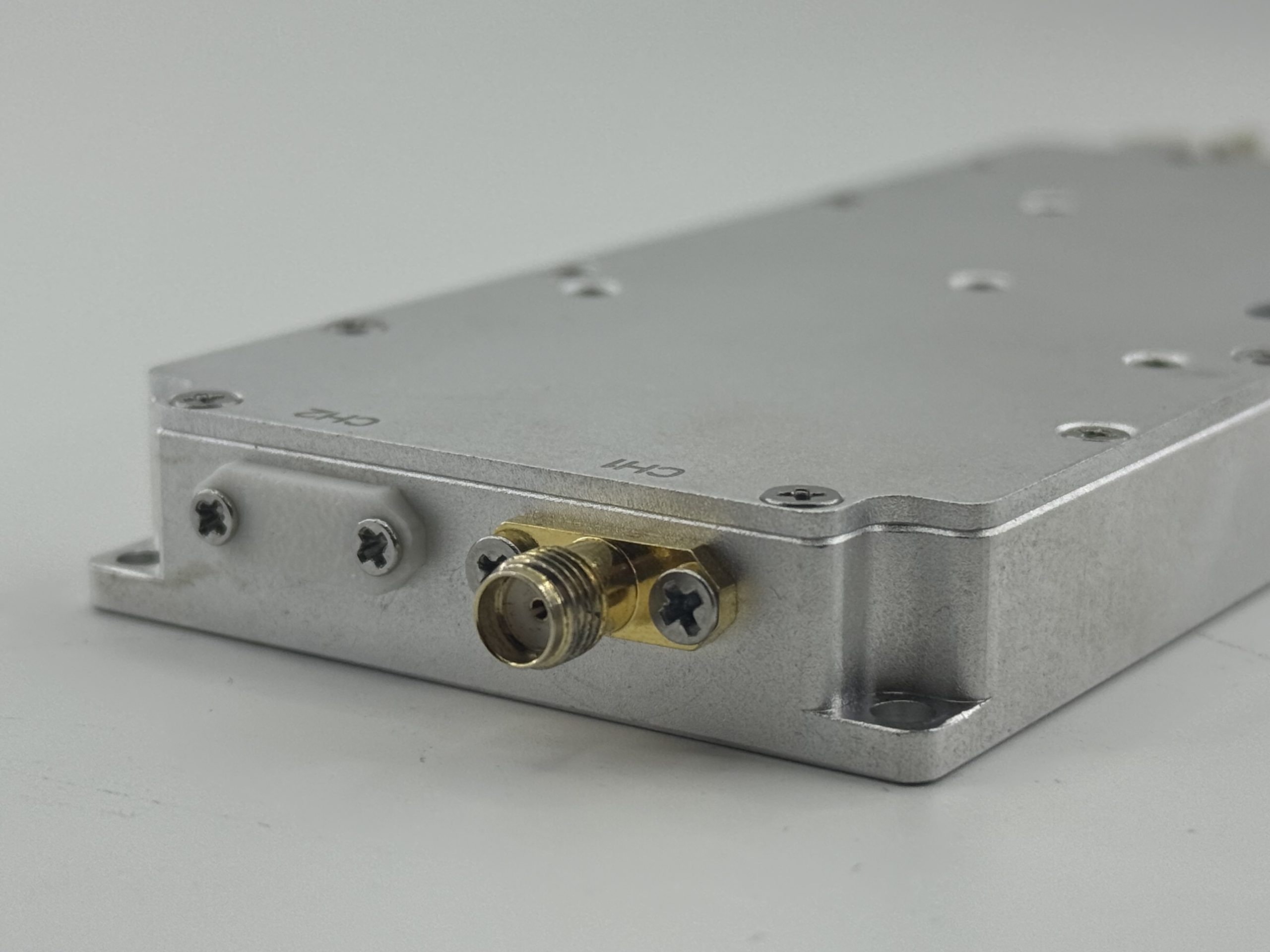
A purpose-designed RF source module for engineering work. In this page, the SDR source is matched with CW amplifier platforms based on frequency overlap, SDR output level, amplifier input requirement, control interface and connector path.
Frequency Range
100 MHz – 6,000 MHz
Max RT Bandwidth
200 MHz
RF Output Connector
SMA
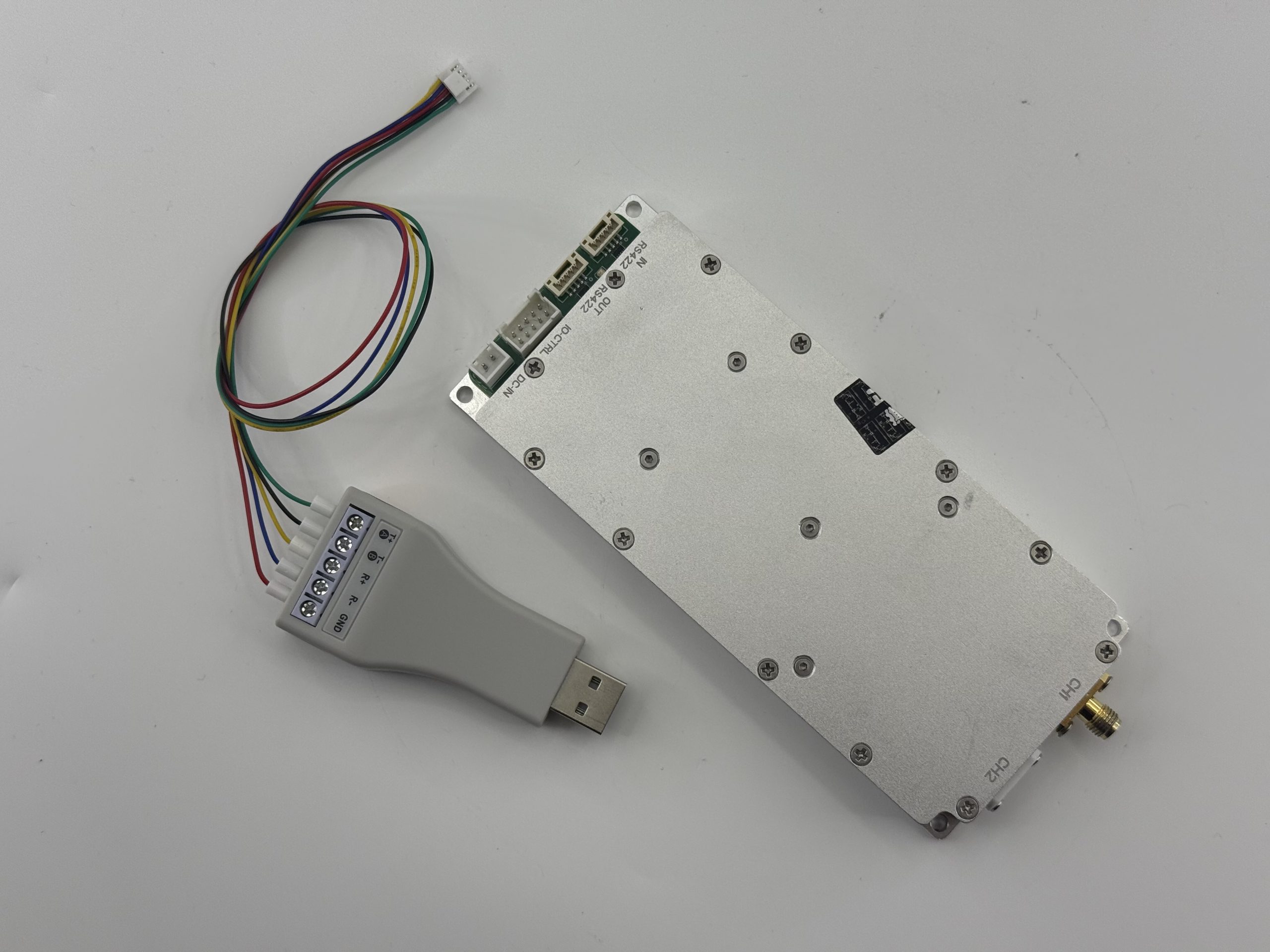
Comm / Upgrade Interface
RS422
Power Supply
9 – 32 VDC
Module Dimensions
60 × 140 × 14 mm
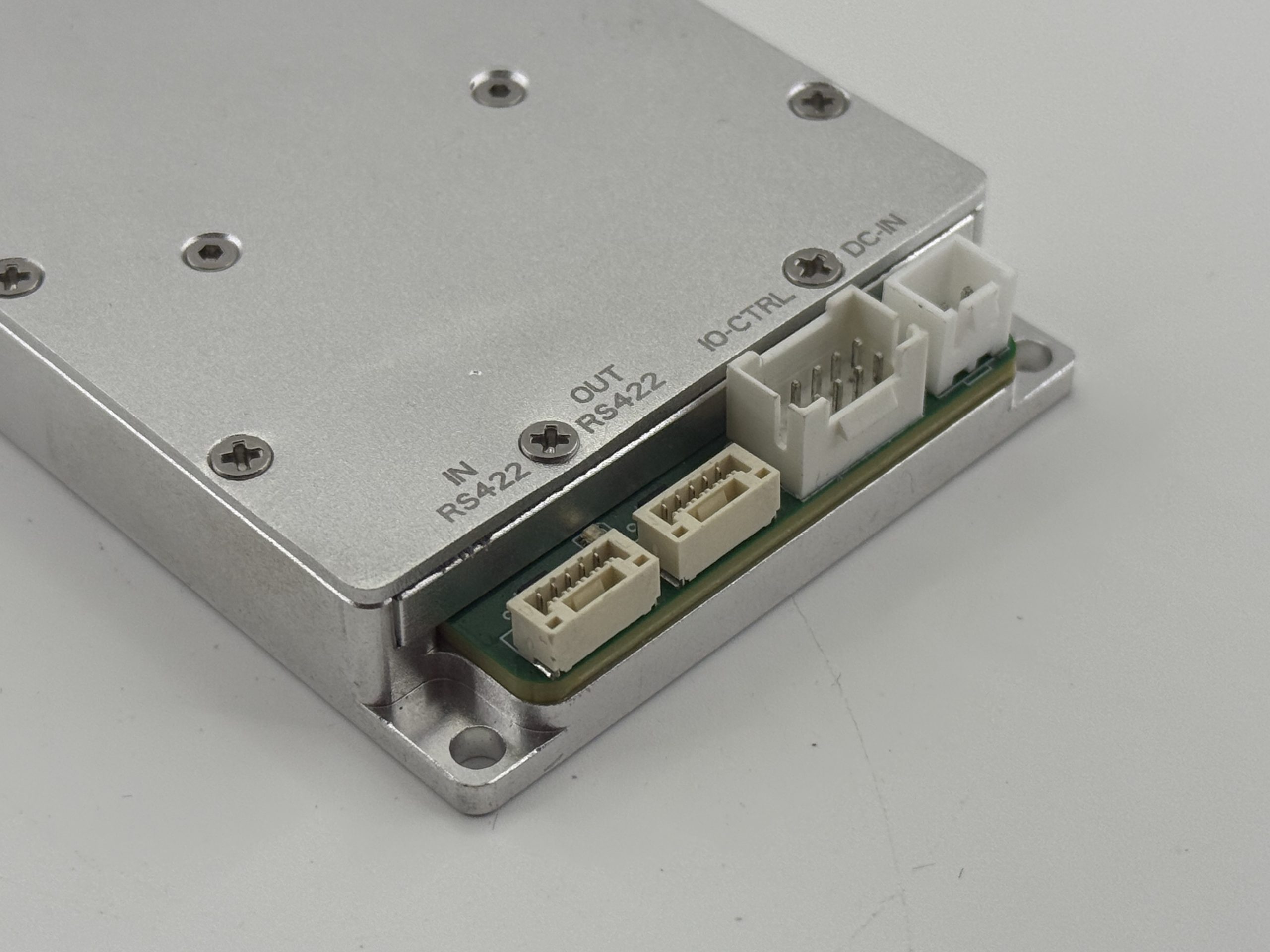
Board-level integration format — defined RF output, RS422 control port, and DC input on a compact 60 × 140 × 14 mm footprint. Compatible with OEM chassis integration, lab bench deployment, and front-end module development.
SDR Module product view
SDR Digital RF Source Module · Product View
SDR integration diagram
Integration Reference · Interface & Mechanical Outline
// Power Amplification

CW Amplifier Platforms for SDR Matching

SDR + amplifier system matching is based on CW amplifier platforms only. The final working range is not a catalog band claim — it is confirmed by the overlap between the 100 MHz–6 GHz SDR source and the selected CW amplifier platform.

Important frequency note: CW amplifier platforms may start from 30 MHz, but an SDR + CW matched system can only be confirmed within the shared operating range of the SDR source and the selected amplifier.
// CW Platform A · Low Band
30 – 512 MHz
30 W · 50 W · 100 W · 150 W · 200 W
Supply28 VDC
FormatModule / Compact
OEM✓ Supported

Stable lower-band CW amplification for communication evaluation, RF test chain setup and compact platform integration. For SDR-driven use, the effective matched range starts from the SDR overlap section.

Matched range: confirm by SDR source + CW amplifier overlap, not by amplifier catalog band alone.
// CW Platform B · Mid Band
300 – 1,700 MHz
30 W · 50 W · 100 W · 150 W · 200 W
FormatCompact / Standard
CoverageUHF → L-Band
OEM✓ Supported

Broad mid-band CW coverage for communication validation, subsystem integration and SDR-driven development projects from UHF through L-band.

Matched range: confirm by SDR source + CW amplifier overlap, not by amplifier catalog band alone.
// CW Platform C · Multi-Band
300 – 2,700 MHz
30 W · 50 W · 100 W · 150 W · 200 W
Supply28 VDC
CoverageUHF → S-Band
OEM✓ Supported

Wider CW platform coverage for multi-band SDR-driven RF chain needs, reducing the number of amplifier families required across a project.

Matched range: confirm by SDR source + CW amplifier overlap, not by amplifier catalog band alone.
// CW Platform D · High Band
2 – 6 GHz
30 W · 50 W · 100 W · 150 W · 200 W
CoverageS / C-Band
IntegrationFront-End
OEM✓ Supported

High-frequency CW front-end development and RF testing where wideband S to C-band coverage matters. Strongest match for SDR source projects in the 2–6 GHz range.

Matched range: confirm by SDR source + CW amplifier overlap, not by amplifier catalog band alone.
Matching rule: SDR + CW amplifier matching is confirmed by actual frequency overlap, SDR output level, amplifier input requirement, connector path, control interface, power supply and output-side condition. Pulsed RF amplifier models are not included in this matching platform list.
// Matching Risk Review

Before You Match SDR with a CW RF Power Amplifier

A working SDR + amplifier chain is not only about frequency overlap. SDR output level, amplifier input requirement, control interface, connector path, power supply and RF validation should be reviewed together.

01 / Input Level

SDR Output Level Must Match Amplifier Input

The SDR output level must be suitable for the amplifier input requirement. Too low may not drive the amplifier properly; too high may require attenuation or protection.

02 / Frequency

Frequency Overlap Must Be Confirmed

SDR coverage and amplifier band must overlap across the actual working frequency range, not only in a broad catalog description.

03 / CW Scope

CW Amplifier Platform Only

This matching path is based on CW amplifier platforms. Pulsed RF amplifiers require a separate pulse engineering review.

04 / Control

Control Interface Must Be Coordinated

RS422, remote control, software commands and amplifier control logic should be reviewed together before integration.

05 / RF Path

Connector and Cable Path Affect Performance

SMA, N-type, cable length and RF loss affect the final signal path from SDR source to amplifier output.

06 / Validation

System-Level Test Data Reduces Risk

Testing the SDR and amplifier as a signal chain is more useful than reviewing two separate datasheets.

// Engineering Inputs

What We Need to Match Your SDR + CW Amplifier System

Send the details below and CorelixRF will review the suitable SDR source, CW amplifier platform path and RF integration requirements.

01

Target Frequency Range

02

Signal / Waveform Requirement

03

Required CW Output Power

04

Amplifier Platform Preference

05

SDR Output Level Requirement

06

Control Interface

07

RF Connector Path

08

Antenna / Load / DUT Condition

09

Power Supply Requirement

10

Project Stage and Quantity

// Deployment Paths

Three SDR + CW Amplifier Integration Modes — One Supplier

Whether you need a bench configuration, an embedded subsystem, or a full RF front-end path — CorelixRF supports all three from the same factory engineering team.

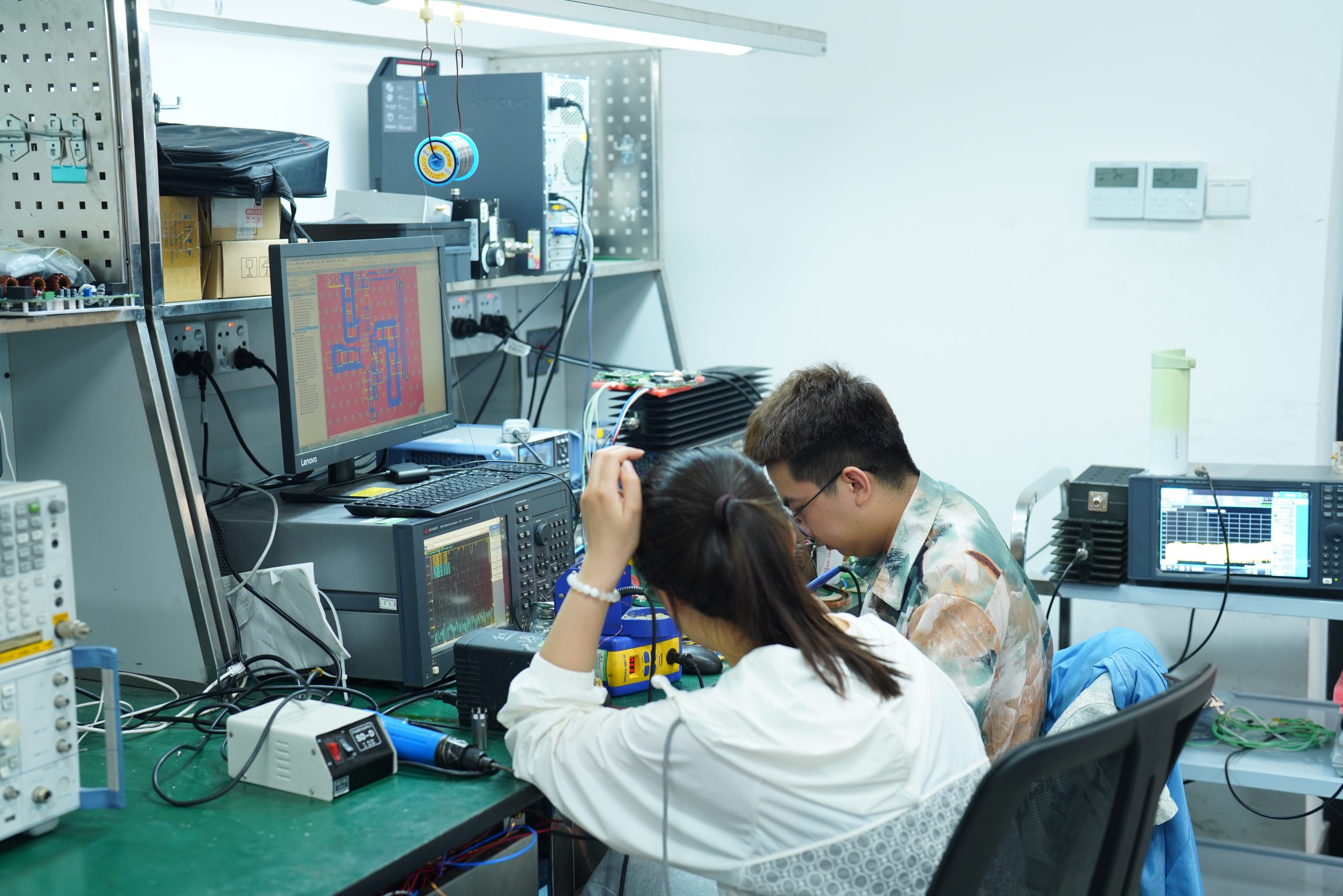
Lab bench RF testing
// Mode 01

Bench Test Chain

SDR + amplifier configured for signal generation and path validation. Fast deployment for RF verification without managing multiple vendor chains.

Configure Lab Setup
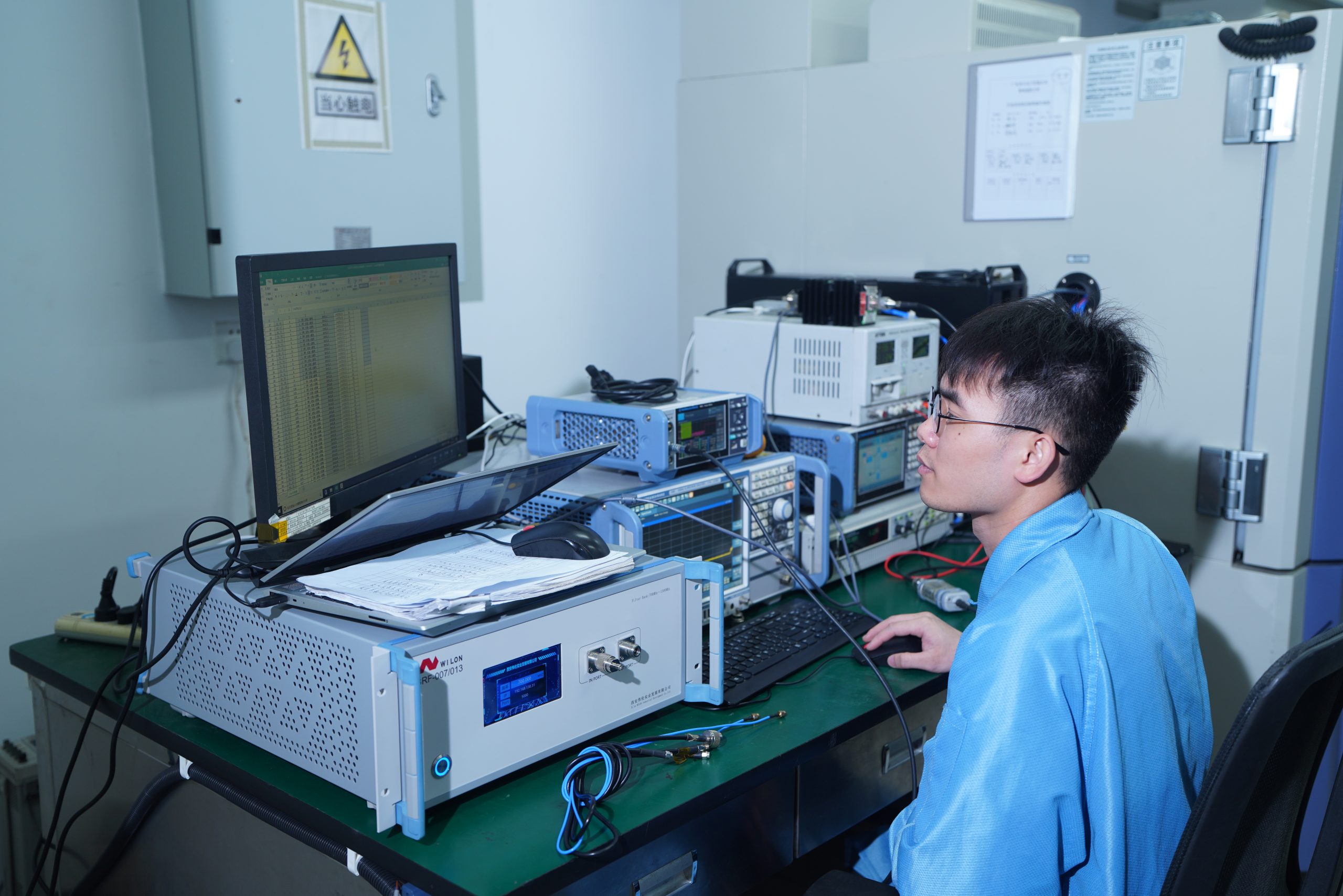
OEM embedded integration
// Mode 02

Embedded OEM RF Front-End

Board-level and module-level integration for customers building SDR + amplifier functions into their own equipment. One engineering team owns the full interface review.

Explore OEM Options
RF front-end development
// Mode 03

Rack / Enclosure-Level Integration

Combined source + amplification paths for front-end platform design. Full engineering coordination from source module to amplifier output — mechanical, electrical, and interface.

Start Project Review
// Engineering Capability

Custom SDR + CW Amplifier Integration Options

Standard SDR and CW amplifier platforms are the starting point. When your project needs a custom waveform, output power class, connector path, control interface, power supply or enclosure format, our factory engineering team reviews the full signal chain.

  • SDR waveform / signal source setting
  • CW amplifier platform selection and RF output power class
  • Input level / attenuation path and RS422 / control interface
  • SMA / N-type connector path, power supply and grounding
  • Cooling, mechanical layout, OEM enclosure and rack integration
  • Test data and documentation review — not a sales response, engineering team responds

Start from standard, move into custom only where needed. Our engineering team owns both paths.
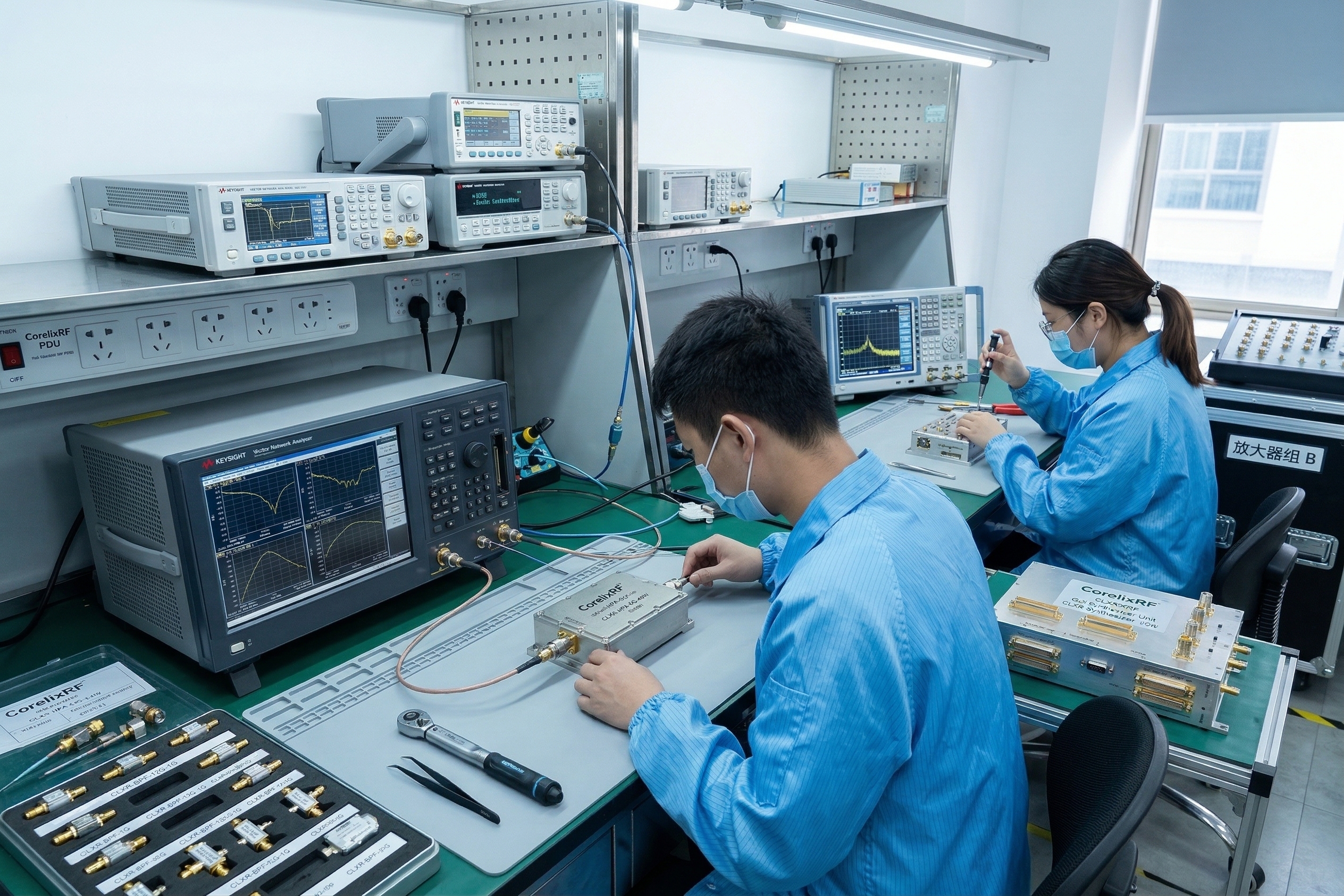
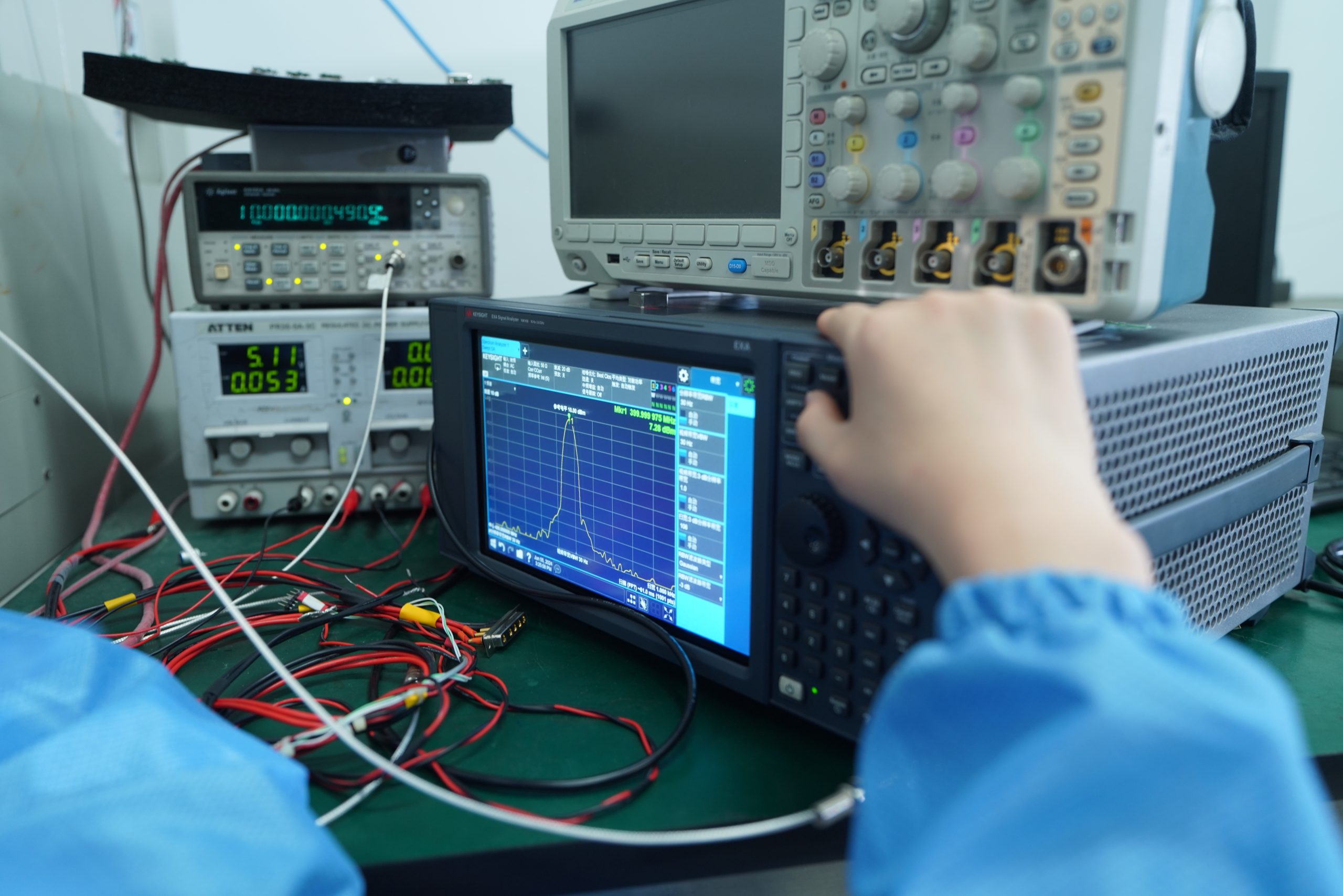
Engineering bench
Engineering Bench · Debug & System Measurement
Connector detail
Interface Engineering · Connector & Control Detail
// Use Cases

Typical Applications

SDR + amplifier combinations suited for development, integration, and validation across a range of RF engineering contexts.

RF Testing Systems

Controlled source generation and amplifier-assisted path validation for RF test environments and signal chain verification.

Communication System Validation

Development and evaluation tasks requiring stable frequency coverage and consistent output power across test cycles.

OEM Subsystem Integration

Embedding matched SDR source and amplifier modules into customer platforms and subsystems with full engineering support.

RF Front-End Platform Development

Coordinated source, amplification, and interface engineering for teams building RF transmit-side or front-end system paths.

// Output-Side Condition

Antenna / Load / DUT Review for SDR + CW Amplifier Systems

This section clarifies what happens after the CW amplifier output. The output can be an antenna, RF load, attenuator path, chamber input, DUT or OEM RF port — and each condition changes the matching review.

The SDR + CW amplifier chain should not be reviewed without the output-side condition. The same SDR and amplifier platform can behave differently when connected to an antenna, dummy load, attenuator, chamber input or customer DUT.

CorelixRF reviews the real output path together with SDR output level, CW amplifier input requirement, connector type, cable path, impedance and power handling.

Antenna matching scope: this page reviews the output condition for SDR + CW amplifier systems. Dedicated antenna selection and radiation-path matching are handled through the Antenna Output Options page when required.
// Signal chain review path
SDR Source
100 MHz–6 GHz · SMA output · RS422 control · signal source review
CW RF Amplifier
30–200 W CW platform · frequency overlap · input level review
Output-Side Condition
Antenna · load · attenuator · chamber input · DUT · custom OEM RF port
// Path A · Antenna Output

Amplifier-Driven Antenna Path

When the output is an antenna, CorelixRF reviews antenna frequency coverage, power handling, impedance, connector type, cable loss and radiation-path requirements before recommendation.

View Omnidirectional Antenna Path →
// Path B · RF Load / Test Bench

Load, Attenuator or Test Fixture

For laboratory validation, the SDR + CW amplifier chain can be reviewed with dummy load, attenuator, coupler, chamber input or other controlled RF test conditions.

Explore CW Amplifier Platforms →
// Path C · DUT / OEM Port

DUT or Embedded RF Output Port

For OEM integration, the output may connect to a customer-defined RF port, DUT or subsystem. Mechanical layout, RF connector and control interface are reviewed together.

Ask Custom RF Chain Review →

Output-Side Review Checklist

The output-side condition affects delivered RF power, stability and integration risk. These items are reviewed before confirming the SDR + CW amplifier chain.

Frequency overlap between SDR, CW amplifier and output-side device.
Power handling for antenna, load, coupler, attenuator or DUT input.
Connector and cable path, including SMA, N-type or project-specific RF ports.
Impedance and reflected-power risk under the actual output condition.
Documentation support, including datasheet, matching notes or unit-level RF test data where applicable.
Supported output-side configurations
Omnidirectional antenna · directional antenna · broadband panel · RF dummy load · attenuator path · chamber input · DUT drive · custom OEM RF port
// Why It Matters

Separate Procurement vs. Matched Factory System

The difference isn't just about supplier count. It's about who owns the system chain — and who you call when something doesn't work.

Separate Supplier Procurement
SDR from vendor A · CW amplifier from vendor B · output path unclear
Frequency ranges are specified individually — overlap not guaranteed, gaps appear at system integration
Control interfaces, connector types, and supply rails differ across vendors — integration requires custom adaptation
No single vendor responsible for system-level performance — problem ownership is unclear when chain fails
Each component tested in isolation — system chain is never validated before it reaches your bench
Long integration cycle — weeks or months spent on compatibility that should have been handled at the source
Engineering support from each vendor is scoped to their component — no cross-chain review available
CorelixRF Matched Factory System
SDR · CW amplifier · RF output path — one factory, one engineering team
SDR source and amplifier platform selected together based on your target frequency band — matched before delivery
Single engineering team reviews connector, interface, and supply rail coordination across the full chain — no adaptation required
One factory owns the full chain — when something needs resolving, one engineering team responds
8 in-house labs and 1,400+ instruments available for system-level signal chain validation before delivery
Submit requirements → receive engineering recommendation within 48 hours → faster path to test and deployment
Engineering support covers the complete SDR → Amplifier → Antenna path — system-level, not component-level
// Built Inside Our Factory

Why CorelixRF — Not a Distributor, Not a Reseller

We manufacture both the SDR module and the RF power amplifier platforms in-house. The engineering team that designs your component is the same team that validates your system chain.
4 Paths
CW Amplifier Platform Paths
8 Labs
In-House Test Labs
168+
R&D Engineers
ISO 9001
+ GJB 9001C Certified
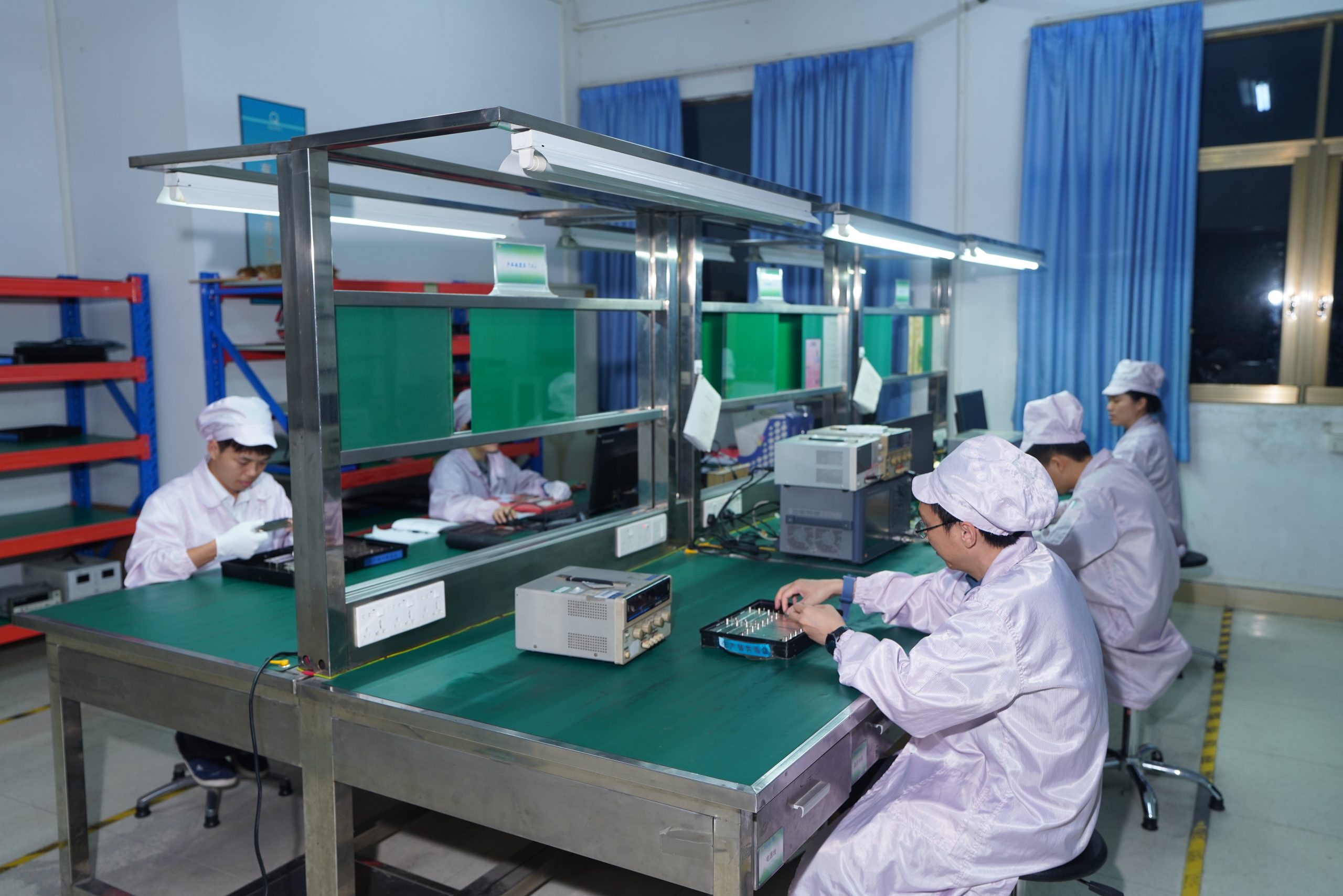
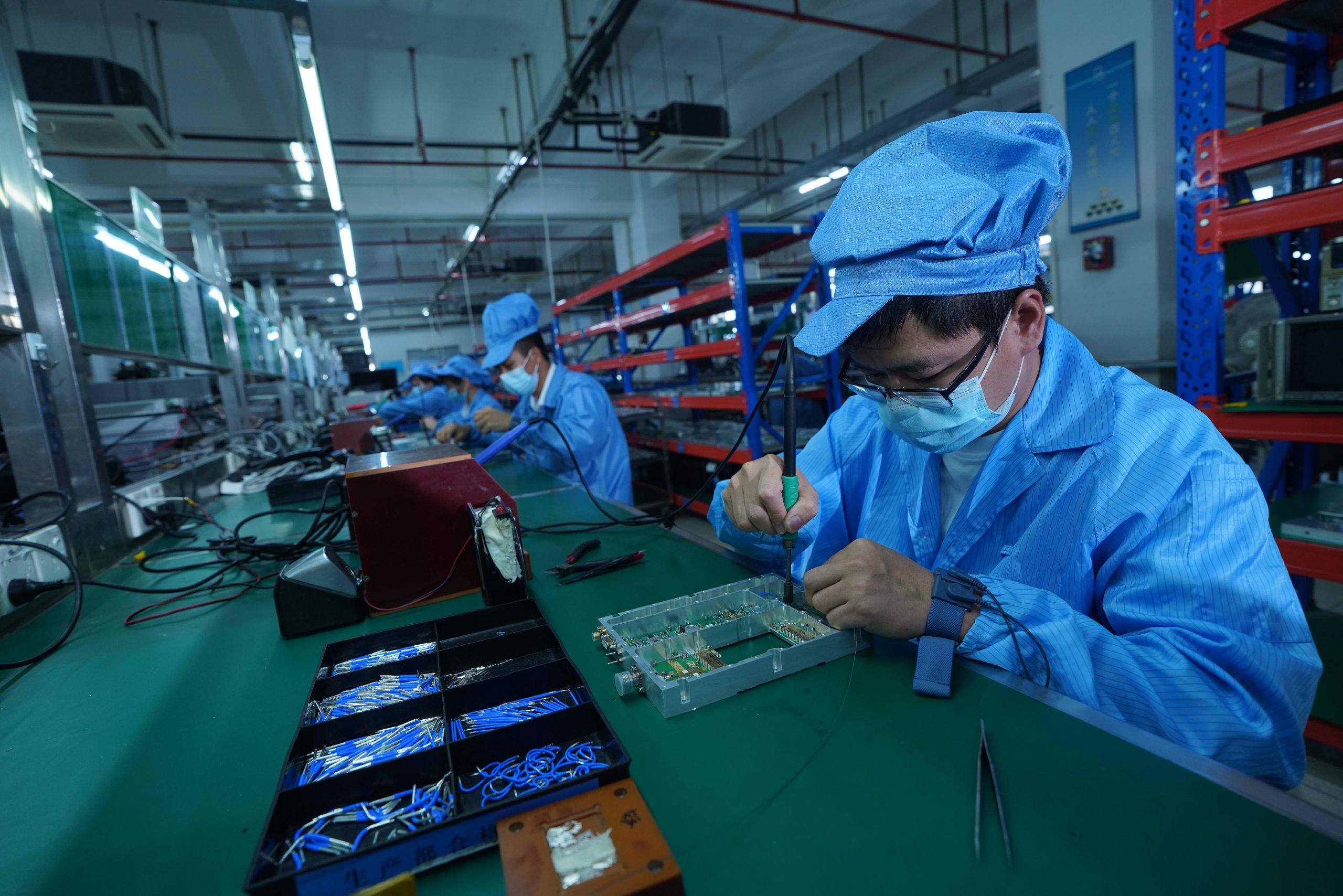
CorelixRF factory
Factory Production · In-House Manufacturing
RF lab validation
Lab Validation · System Testing
RF component inspection
Quality Inspection · Component Verification

Our in-house capabilities include component modeling, chip design, micro-assembly, CNC machining, and full RF module and system development. When you submit a requirement, you're engaging a factory engineering team — not a sales desk.

8 dedicated test laboratories and more than 1,400 on-site test instruments give us the ability to validate complete SDR + amplifier signal chains before they reach your facility. That's a capability most distributors cannot offer — because they don't build what they sell.

// 01

Factory-Direct Manufacturing

SDR modules and RF amplifier platforms manufactured in-house. No intermediaries. Faster coordination and direct engineering ownership.

// 02

Standard + Custom in One Team

Start from standard platforms. Move to custom engineering only where needed — same team, not a separate department.

// 03

30 MHz – 6 GHz Multi-Band Coverage

Four standard amplifier platforms cover all major integration bands. SDR source spans the full 100 MHz – 6 GHz range.

// 04

8 Labs · 1,400+ Test Instruments

In-house test capability for system-level signal chain validation. Validated performance before delivery — not just spec sheets.

// 05

168+ R&D Engineers

Chip design, component modeling, micro-assembly, and full system development under one roof. Your 48-hour review is handled by engineers, not sales staff.

// 06

OEM / ODM — Not Distribution

ISO 9001 and GJB 9001C certified. Full OEM and ODM support for customers who need more than catalog part procurement.

// How We Work

How Projects Move Forward

Four steps from requirement submission to matched solution — no lengthy RFQ process, no distributor delays.

01
// Submit

Share Your Target Requirements

Frequency range, output power, integration mode, interface needs, and mechanical constraints. Use the form below.

02
// Match

Platform Matching Review

CorelixRF reviews SDR source coverage, CW amplifier platform fit, input level, frequency overlap and output-side condition.

03
// Confirm

Engineering Confirmation

Connector path, control interface, power supply, thermal condition and mechanical format are confirmed before recommendation.

04
// Deliver

Solution Proposal & Delivery Path

Receive a recommended standard platform, customized configuration or full RF chain review path based on project requirements.

// Project Inquiry

Send SDR + CW Amplifier Requirements

Send your target frequency, signal type, required CW output power, SDR output level, connector preference, control interface and integration format. CorelixRF will review the suitable SDR + CW amplifier system path for your project.

// What happens after you inquire

Your submission goes directly to our RF engineering team. Within 48 hours for applicable projects, you receive a matched SDR + CW amplifier platform recommendation — not a generic catalog response.

Send SDR + CW Amplifier Requirements