
01 // Frequency
Frequency Coverage Is Not Clearly Verified
A datasheet frequency range does not always confirm stable behavior across every required test point.
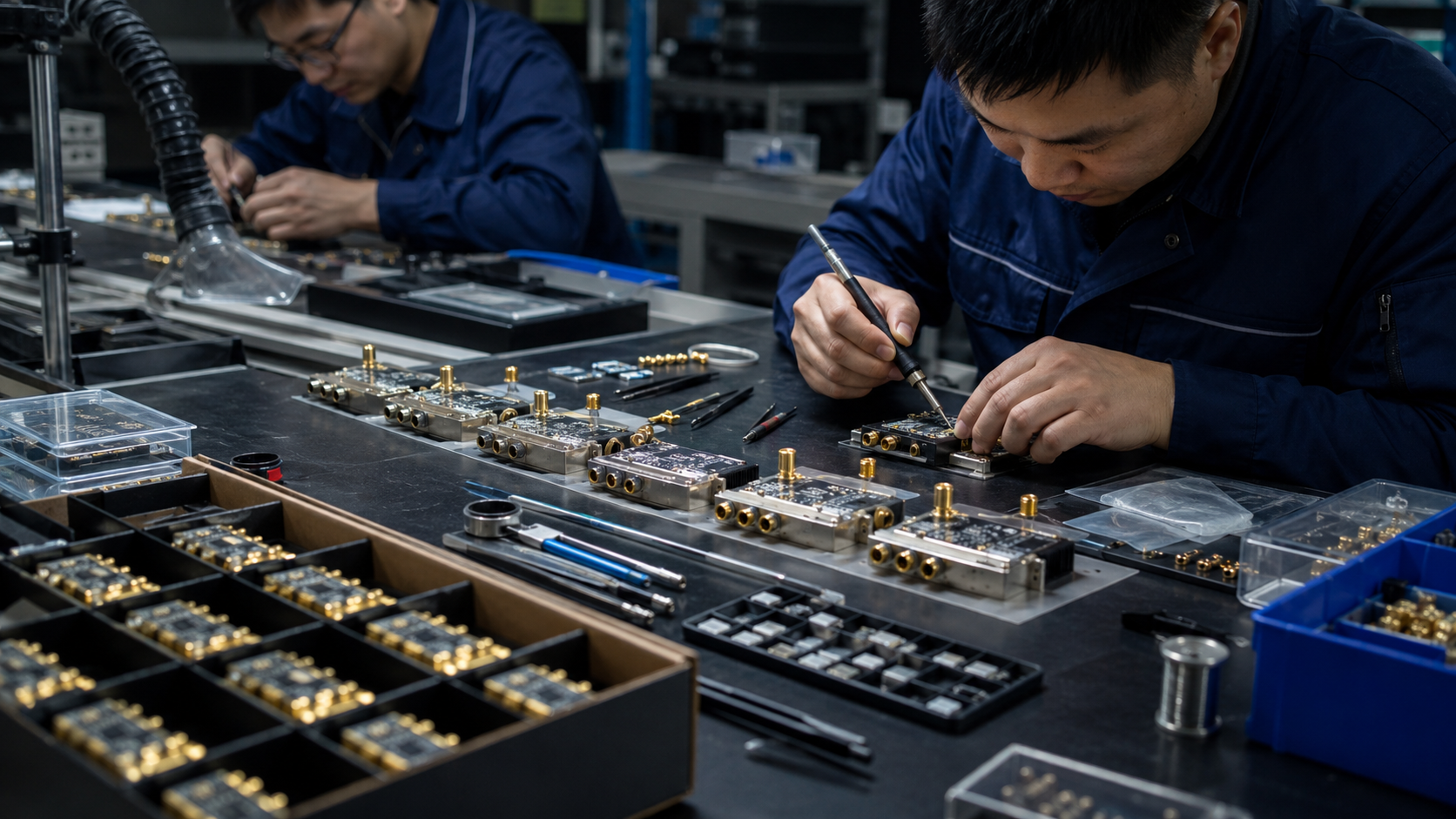
Factory-direct RF validation support for power amplifiers, SDR source modules, antenna platforms, and complete RF chains before procurement, integration, or shipment.
CorelixRF supports RF test applications with in-house measurement equipment, factory validation workflow, measured data, and documentation. Instead of reviewing each RF component in isolation, we help engineering teams confirm the signal source, amplifier, load, antenna, and operating condition together.
Testing Challenges
Many RF projects fail not because one component is unavailable, but because frequency coverage, power behavior, load condition, antenna matching, and documentation were not verified early enough.
01 // Frequency
A datasheet frequency range does not always confirm stable behavior across every required test point.
02 // Power
High-power RF buyers often need measured output curves, not only a single nominal value.
03 // Matching
Poor matching can create reflected power, protection events, and unstable field behavior.
04 // Source
The source module must be reviewed together with amplifier input, control interface, and downstream conditions.
05 // Load
High-power RF validation requires suitable dummy loads, attenuators, couplers, cables, cooling and power supply review.
06 // Evidence
Engineering buyers need measured data, curves, inspection records and pre-shipment confirmation for critical programs.
CorelixRF Validation Approach
CorelixRF connects RF product knowledge with in-house test capability, so buyers can review amplifier behavior, SDR source output, antenna matching, and system-level RF chain conditions before delivery or integration.
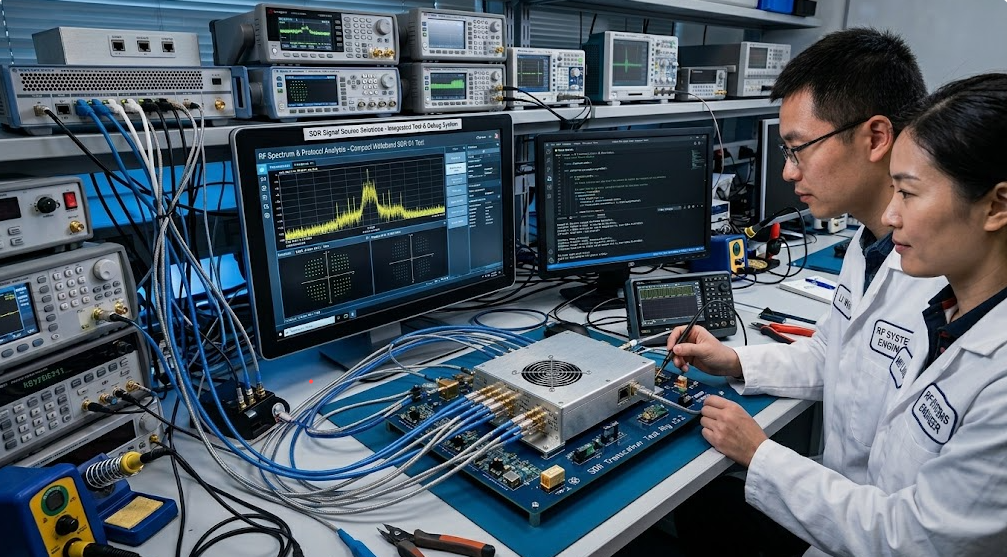
RF Validation — Measurement, Review and Documentation
Validation 01
Output power, gain, gain flatness, efficiency, current, harmonics, spurious, thermal rise, load stability, protection function, and CW / pulse operating conditions.
Validation 02
Frequency coverage, output signal, dual-channel behavior, RS422 / RS485 control, waveform generation, signal stability, and OEM integration conditions.
Validation 03
VSWR, return loss, gain, bandwidth, power handling, connector inspection, assembly inspection, mounting review, and radiation direction check.
Validation 04
SDR + amplifier + antenna review, dummy load testing, EMC bench support, antenna range validation, and RF front-end integration review.
Supported Testing Areas
Use this page as an application entry when your project needs measured RF behavior, load review, matching confirmation, system chain validation, or documentation support.
Output power, gain, gain flatness, current, efficiency, harmonics and spurious review.
Dummy load condition, mismatch concern, VSWR protection and reflected power risk.
Temperature rise, continuous operation, burn-in review and airflow condition.
Frequency setup, signal output, waveform behavior and dual-channel consistency.
VSWR, return loss, bandwidth, connector interface and power handling.
SDR + amplifier + antenna matching and integration condition review.
RF source, amplifier, load, coupler, attenuator and measurement path support.
Datasheet, test report, curves, inspection records and integration notes.
RF Chain Logic
A usable RF test result depends on the complete path — not only the amplifier or antenna alone.
SDR module, signal generator, waveform setup or source-side control.
CW amplifier, pulsed amplifier, EMC amplifier or custom PA platform.
Dummy load, attenuator, directional coupler or antenna platform.
Spectrum analyzer, VNA, power meter, thermal review and interface check.
Measured data, test curves, inspection records and shipment support.
Application Scenarios
This page is designed for engineering teams that need to confirm RF output behavior before procurement, final system integration, acceptance testing, or deployment planning.
 EMC
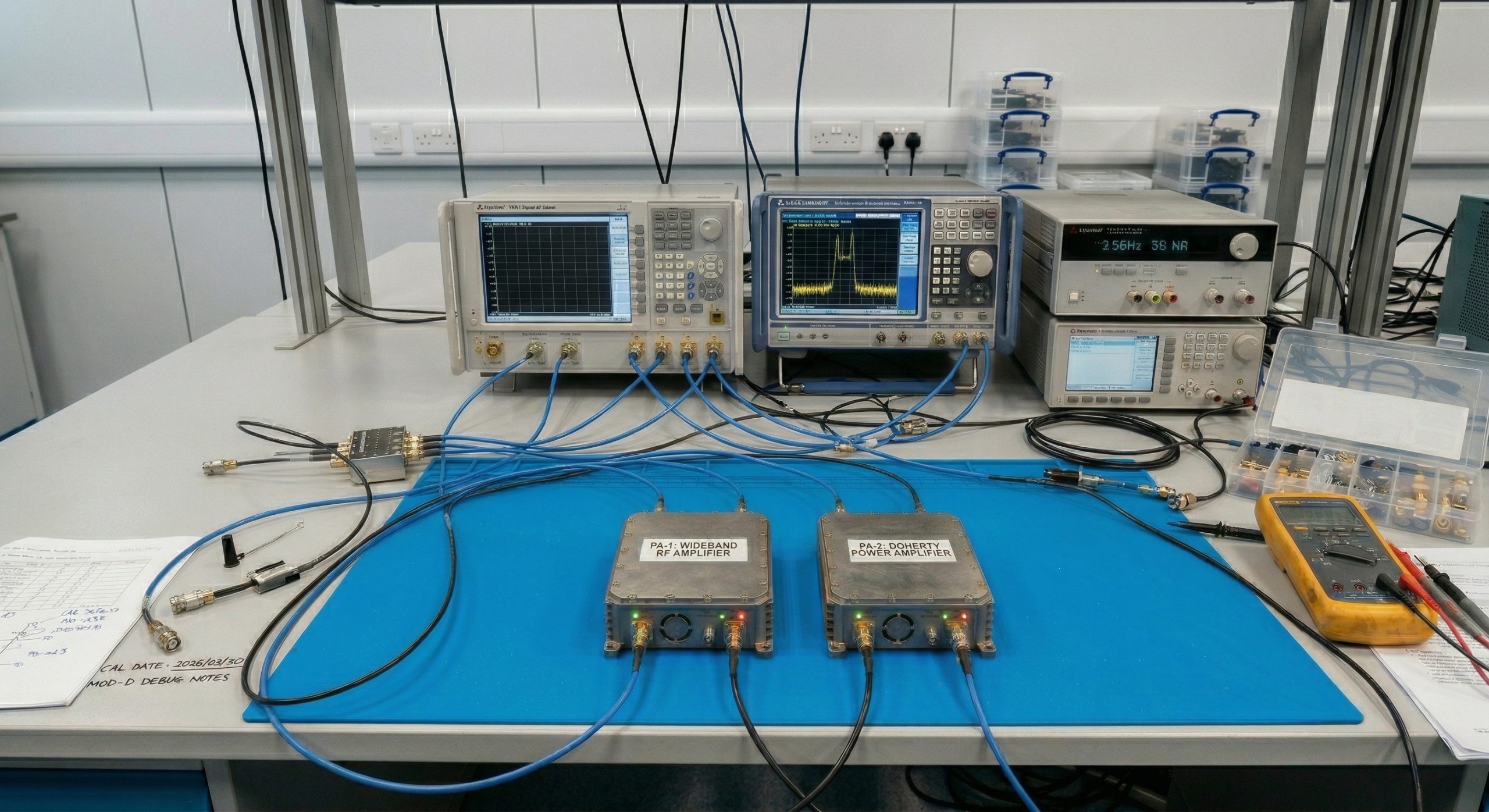
EMCAmplifier, source, load and measurement path support for EMC-related validation environments.
 Lab Bench
Review output power, gain, signal path, thermal behavior and unit-level performance.
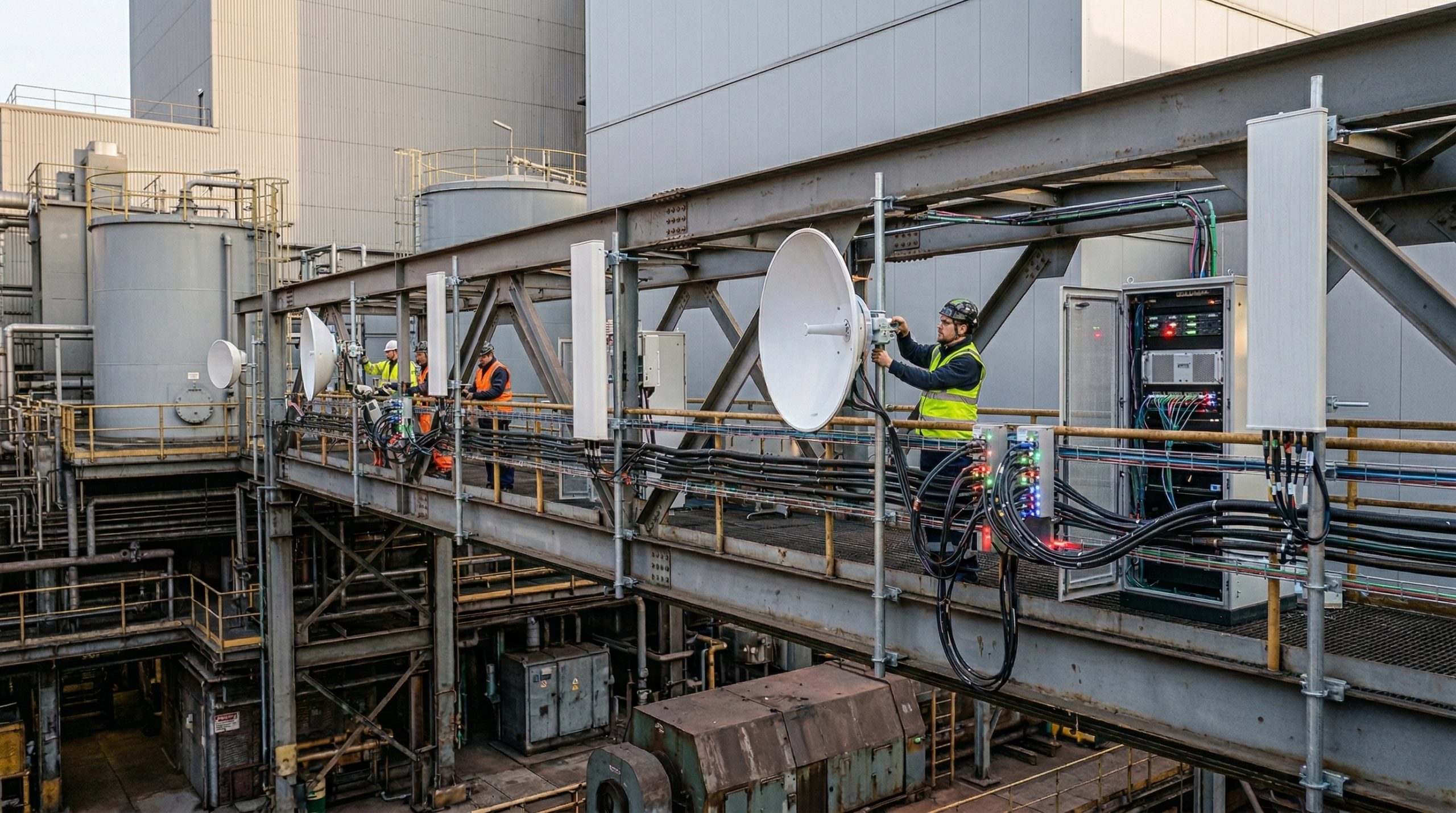 Antenna
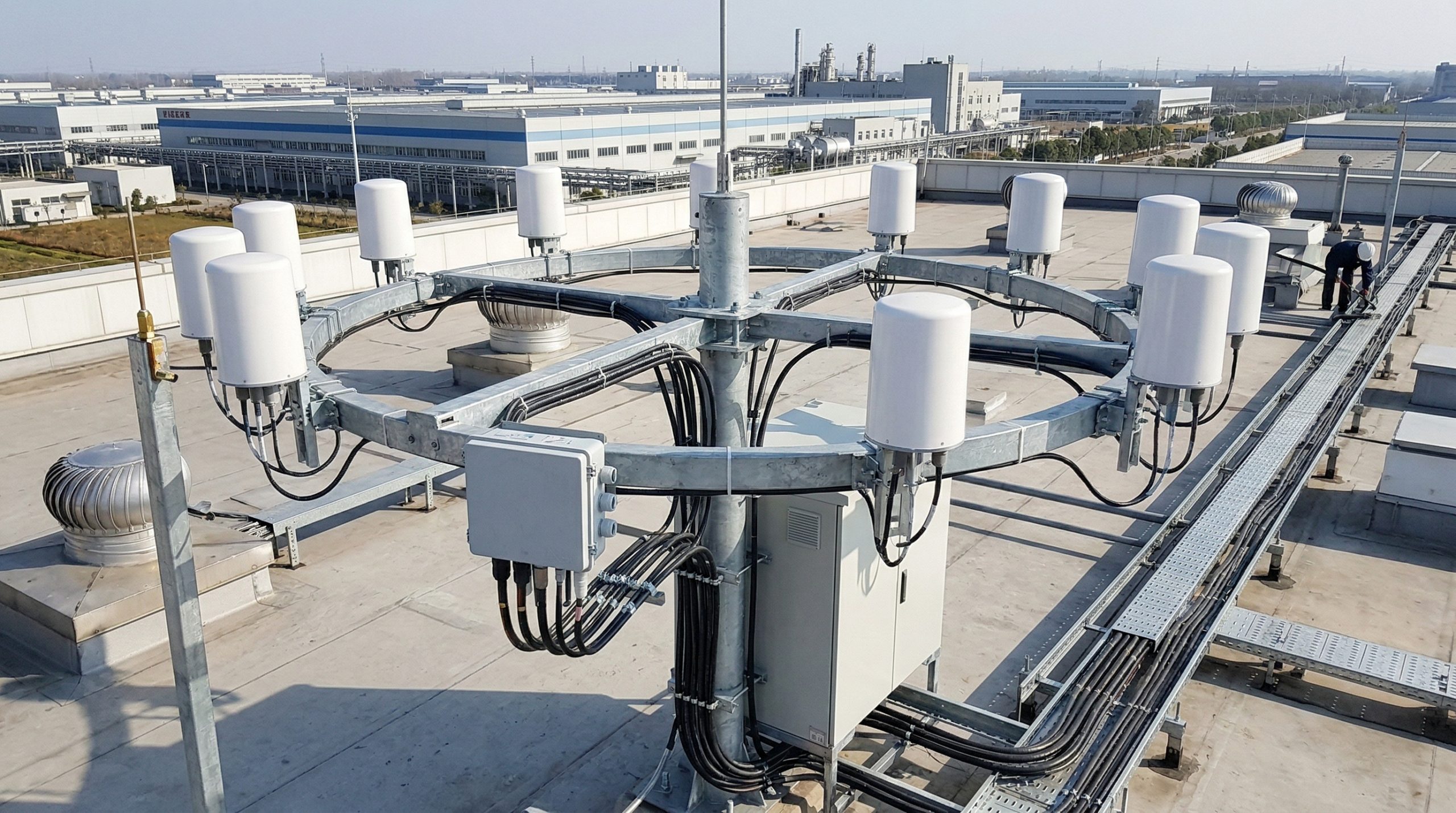
Confirm antenna matching, bandwidth, connector, power handling and radiation direction.
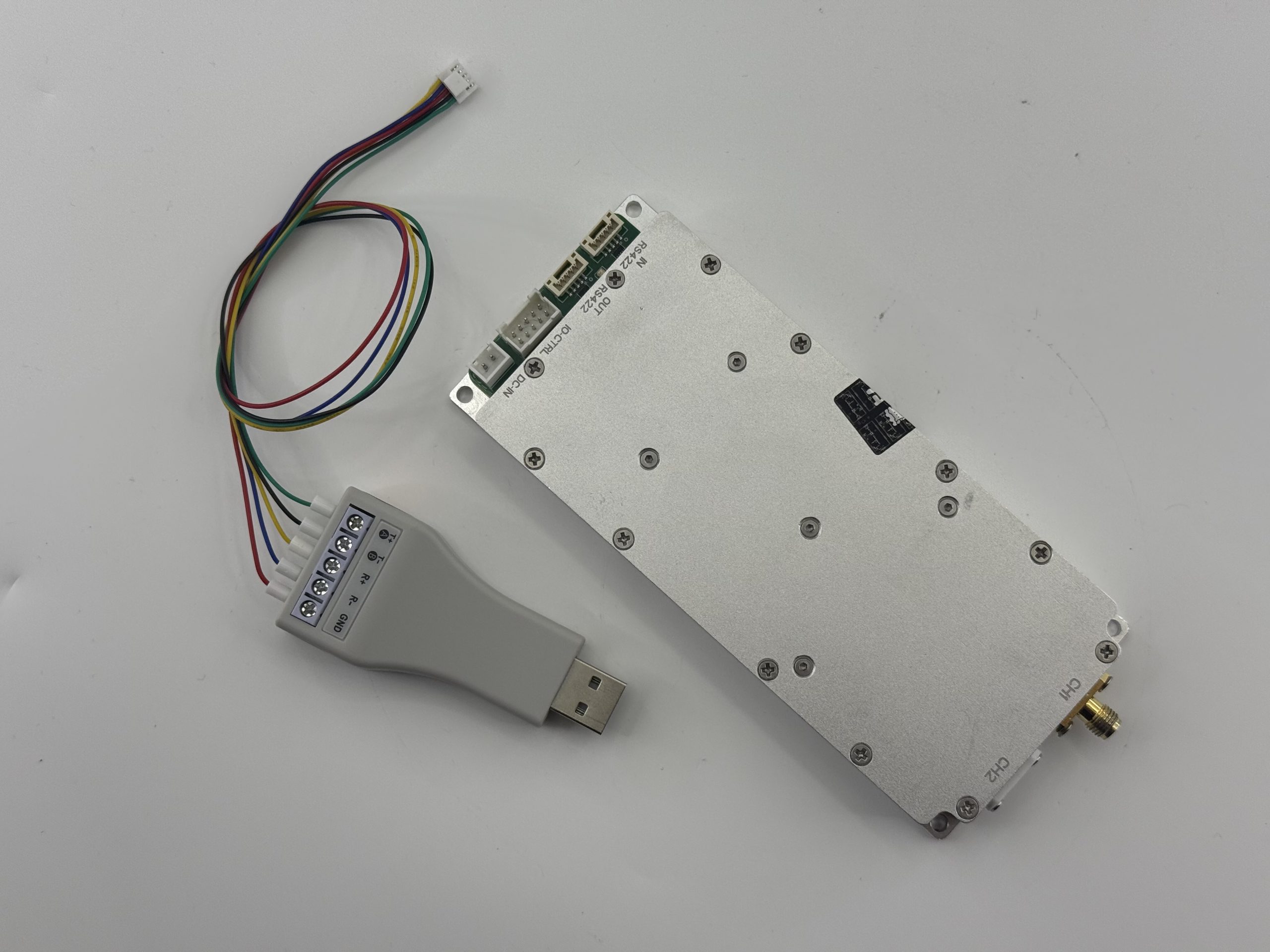 Source
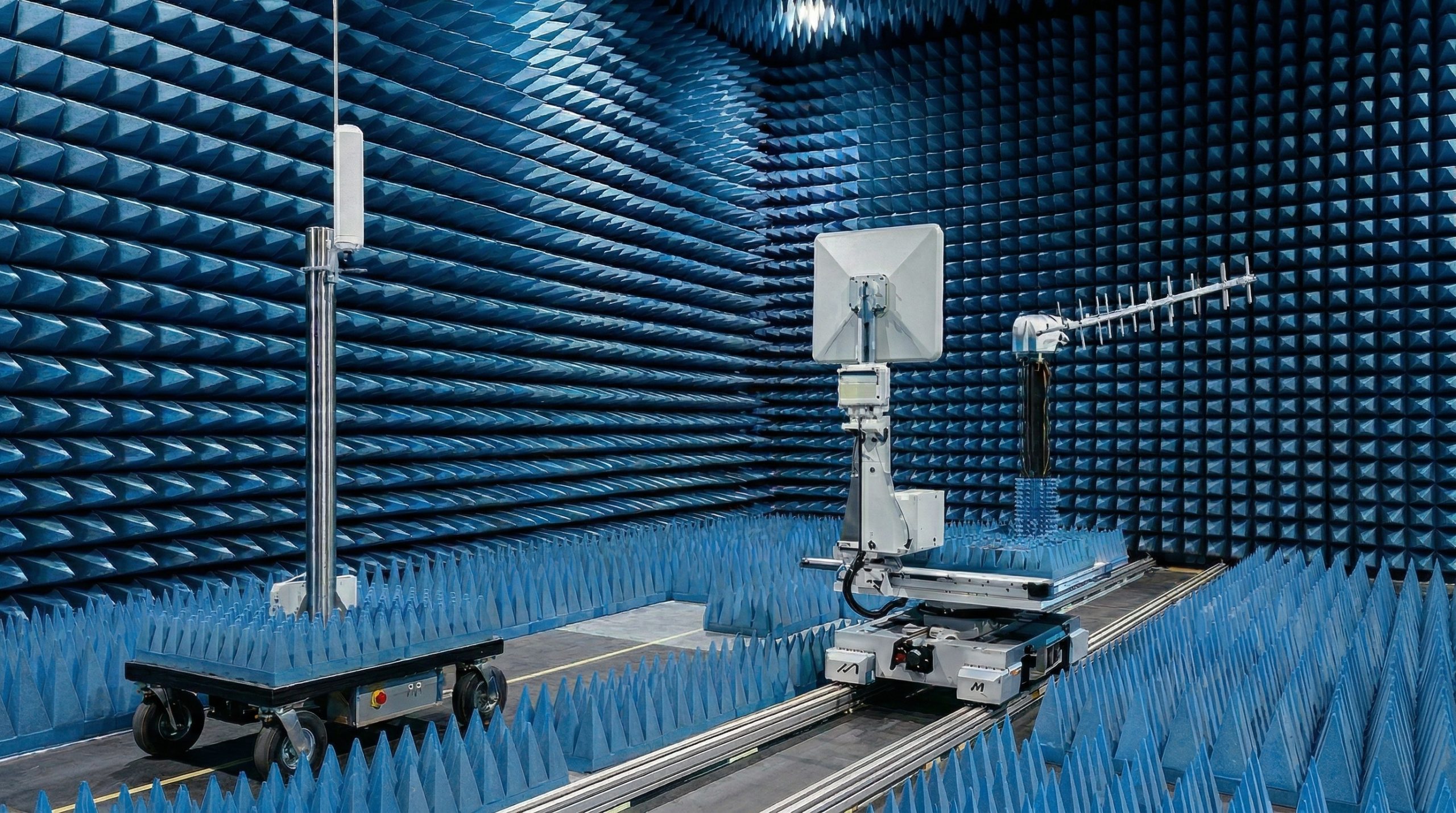
Check SDR source, amplifier, coupler, load or antenna as a complete RF path.
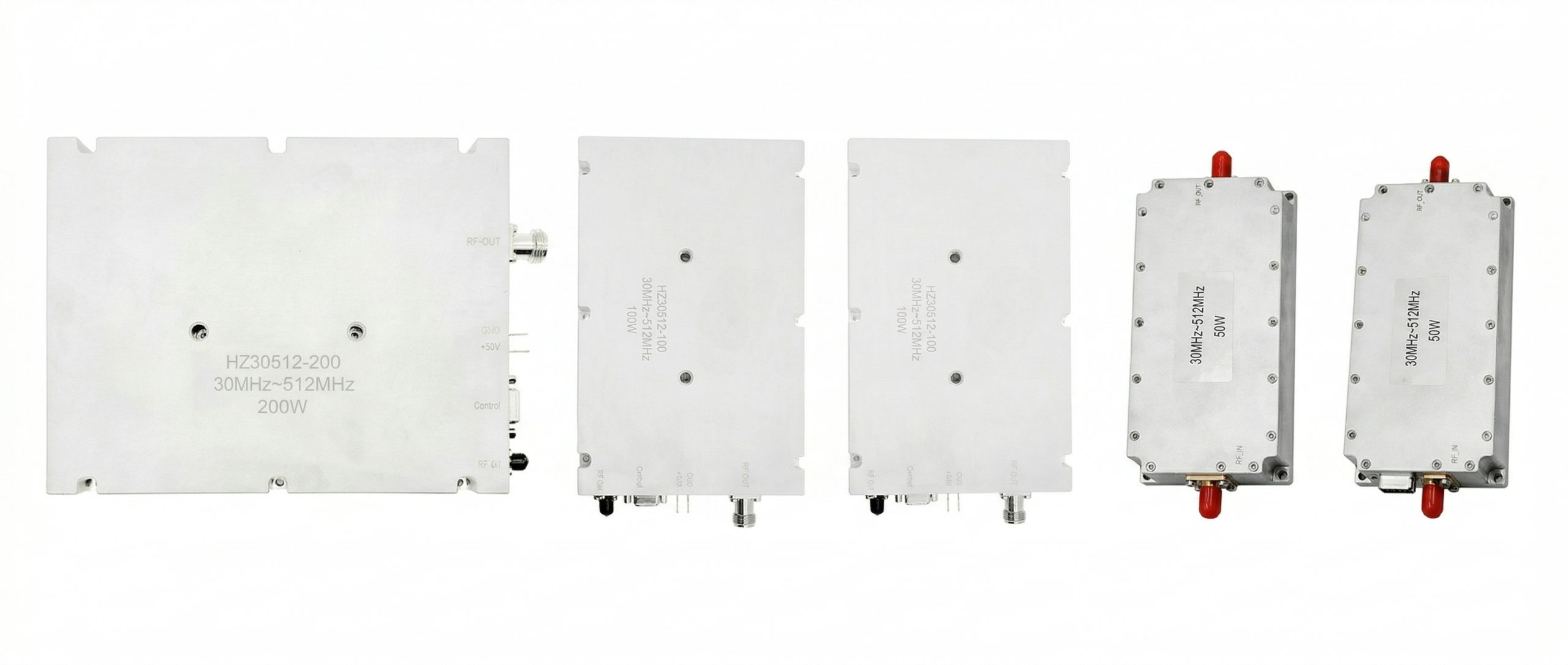 System
Review source, amplifier and antenna conditions for application-specific RF chains.
 Load
LoadReview dummy load, attenuator, coupler, cable, connector and thermal conditions.
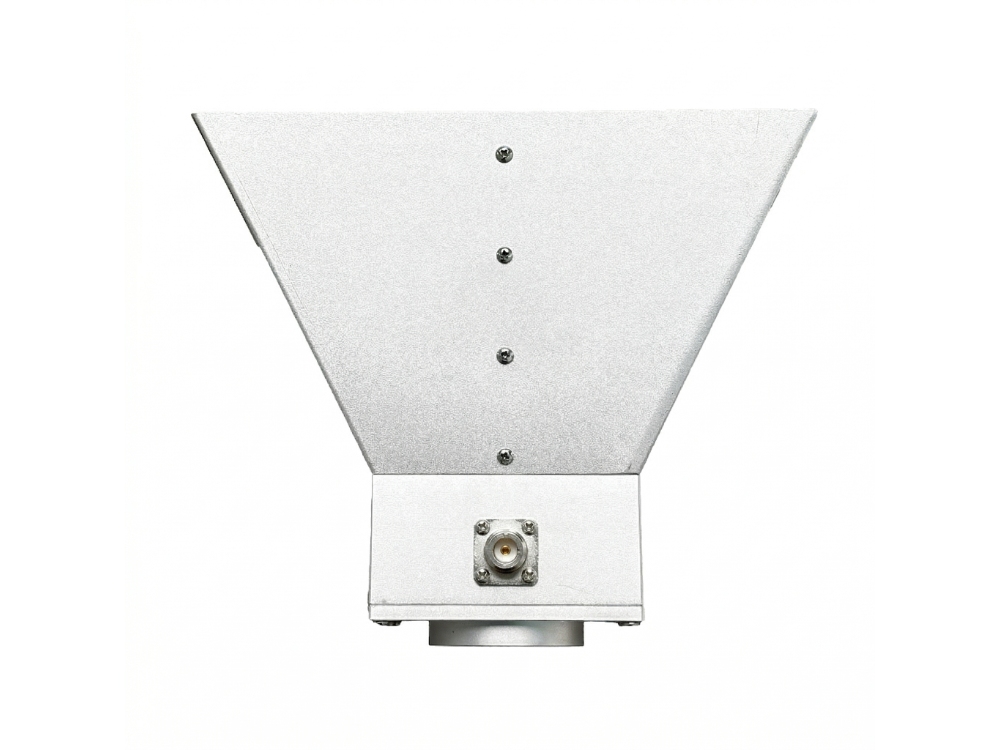 OEM
OEMSupport interface, control, mechanical, thermal and RF chain integration review.
 FAT
FATProvide validation records, inspection evidence, documentation and packing confirmation.
Validated Product Paths
Use the links below to move from this application page to the most relevant CorelixRF product path or killing page.
Standard wideband amplifier families for lab validation, RF transmission tests, and product selection.
For EMC, pulsed operation, high-frequency testing, and custom amplifier validation.
Source-side validation for frequency setup, waveform generation, dual-channel behavior, and interface control.
Directional and omnidirectional antenna paths for VSWR, return loss, power handling and deployment review.
In-House Capability
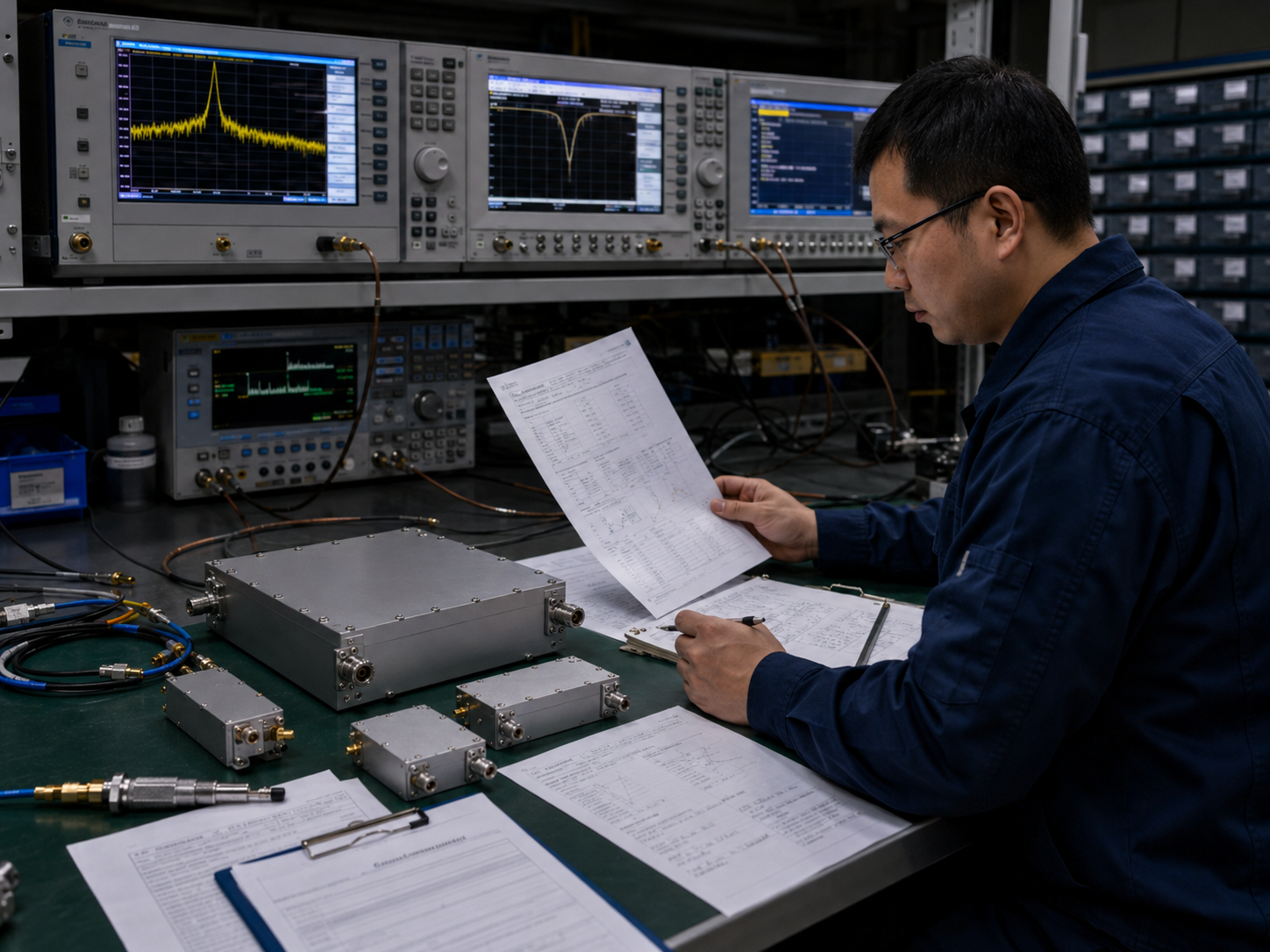
CorelixRF uses in-house RF measurement equipment and factory validation procedures to support product selection, pre-shipment confirmation, and project-level engineering review.

RF Testing — CorelixRF Laboratory
System Integration
Production Validation
Power / Gain
Measured across required band
VSWR
Antenna matching review
Thermal
Load stability check
Report
Documentation support
Signal review, spurious, harmonics and spectrum observation.
VSWR, return loss, S-parameter and matching review.
Source-side setup for amplifier and chain-level testing.
Output power confirmation under defined conditions.
Forward and reflected power review in test paths.
Safe measurement path for high-power RF setups.
Controlled load conditions for amplifier verification.
Temperature, burn-in, airflow and reliability review.
Measured Data & Documentation
For project-based buyers, CorelixRF can provide measured data and documentation to support internal engineering review, procurement approval, and system integration planning.
Model-level technical specifications and product reference data.
Validation evidence for the delivered unit or order requirement.
Power behavior across required frequency points or bands.
Gain response and flatness reference for amplifier review.
Measured behavior across selected frequency coverage.
Antenna or RF path matching evidence for integration review.
Factory inspection status and pre-shipment confirmation.
Reliability-related validation where required by project scope.
Shipment handling evidence for high-value RF equipment.
Connector, power, cooling, mounting and interface reminders.
Mechanical or interface drawings for project-based review.
Confidential technical communication for sensitive programs.
Send frequency, power, operating mode, load / antenna condition and required documents.
Procurement Risk Checklist
This section helps technical buyers avoid common RF test hardware selection problems. It is especially useful when selecting amplifiers, SDR sources, antennas, loads and accessories for the same test chain.
Confirm whether output power and gain are stable across the required band.
CW, pulse width, duty cycle and test duration must be clearly defined.
Poor matching can create reflected power and amplifier protection issues.
Dummy load, attenuator, coupler, cable and connector ratings must be reviewed.
Review the complete RF chain before integration.
Ask for measured data, test curves and unit-level validation when the project is critical.
Cooling, airflow, mounting, connector direction and enclosure integration affect real performance.
FAQ
Common questions from engineering teams reviewing RF products, validation data and test-lab support before procurement or integration.
Next Step
Send us your frequency range, output power target, signal source, load or antenna condition, operating mode, and required documentation. CorelixRF will help review the suitable RF product path and validation approach.
Useful details to send
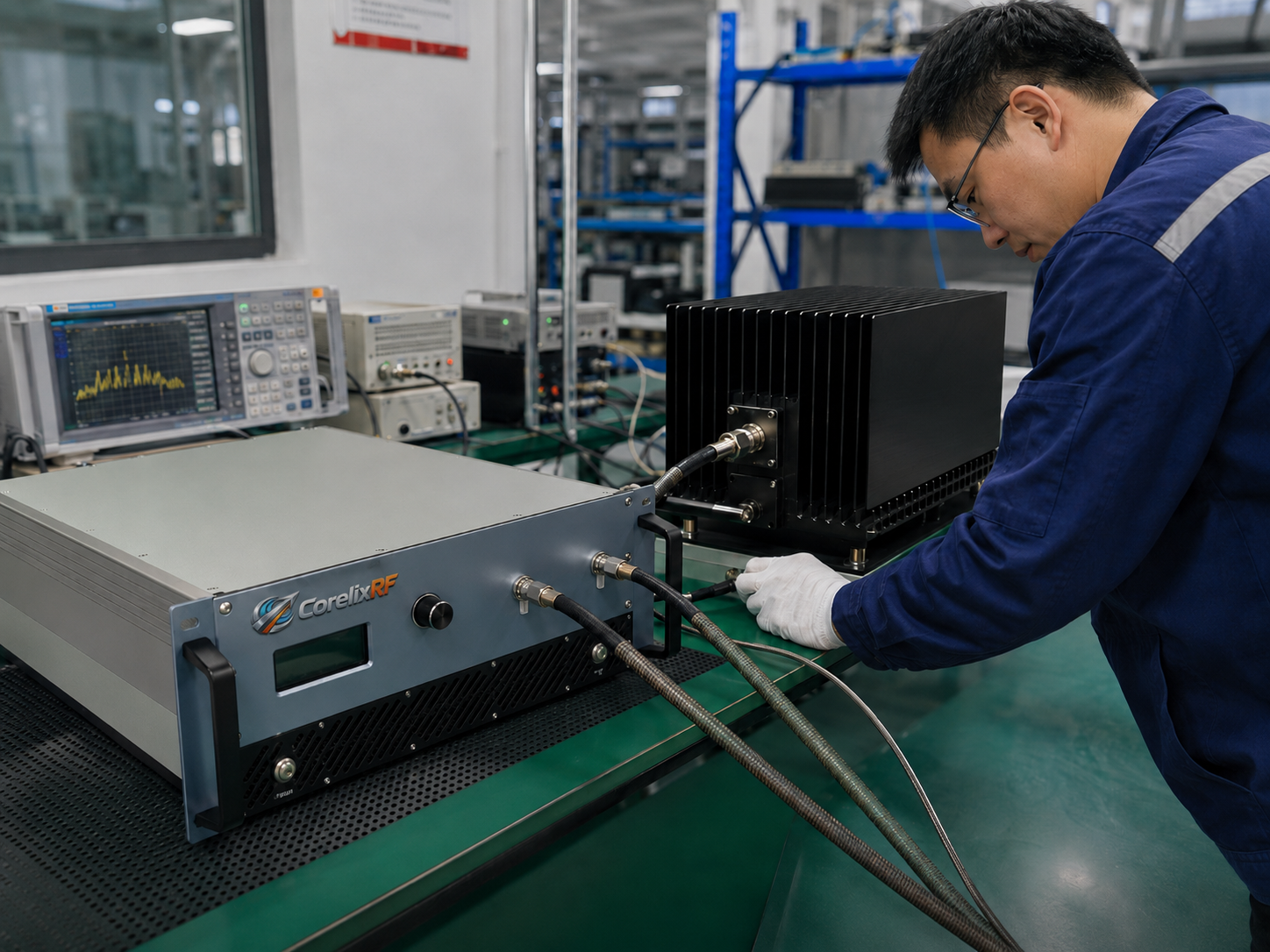
Factory Validation — Data, Review and Shipment Support