
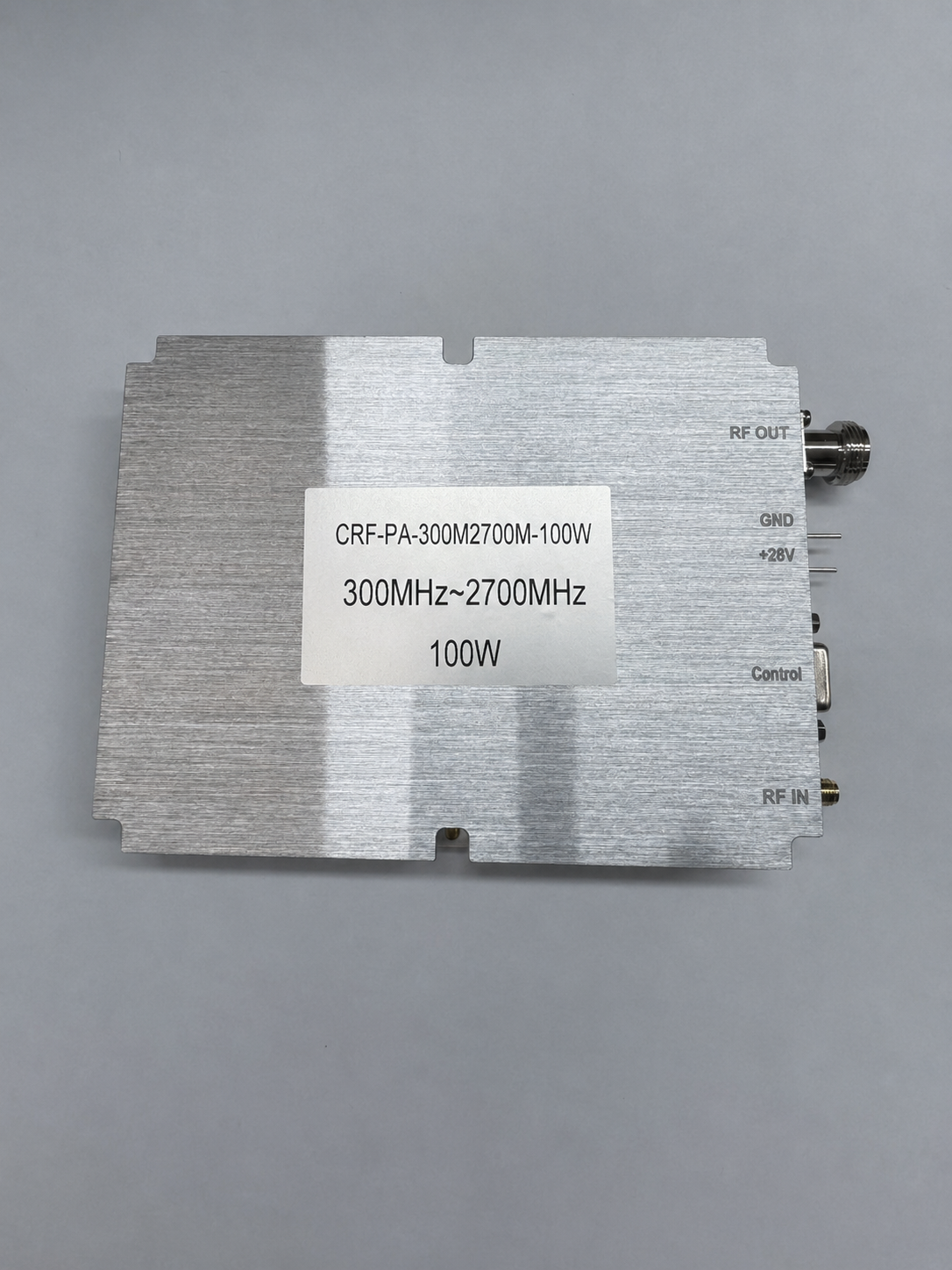
To compare a C-UAS RF amplifier with another candidate, read each power figure together with its frequency range, operating mode, measurement conditions, and cooling requirements. Similar headline ratings can describe different performance commitments. A useful comparison establishes what each number means before deciding whether it meets a requirement.
This guide explains how to read amplifier specifications for authorized C-UAS projects, focusing on frequency coverage, power ratings, model documentation, and thermal limits. For the broader relationship between components, see our overview of C-UAS RF components.
Why Frequency Coverage Alone Is Not Enough
A published operating frequency range identifies the band over which the manufacturer specifies amplifier operation. It does not, by itself, establish constant output power, gain, or efficiency throughout that band. The individual specifications and their conditions determine what performance is stated.
Look at how each parameter is presented. A guaranteed limit across a stated band, a typical curve, and a measurement at one frequency provide different kinds of information. A single-frequency result cannot establish performance across the entire band. Conversely, a clear full-band specification does not need a separate table entry for every possible frequency to define its scope.
For a wideband amplifier, read the frequency range alongside the power and gain specifications, including any sub-band qualifications. Record any required operating points that remain unsupported by the available documentation. This makes the information gap explicit before products are compared.
What RF Amplifier Power Ratings Actually Mean
“Rated output power” is not a universal measurement definition. Manufacturers may associate it with saturation, a compression point, or another specified condition. Check the definition used for the particular product, as discussed in AR's amplifier specification guide.
| Parameter | What it describes | What to confirm |
|---|---|---|
| Rated output power | A manufacturer's stated output rating | Definition, frequency, supply, load, mode, and cooling conditions |
| Typical value | Representative performance, not necessarily a guaranteed limit | Whether a separate guaranteed limit applies |
| Minimum value | A stated lower limit under specified conditions | Whether it is a guaranteed specification and which conditions apply |
| Guaranteed value | A manufacturer-committed value, limit, or range | Applicable model, conditions, and specification notes |
| Psat | Saturated RF output power under specified measurement conditions | Frequency, drive conditions, and operating mode |
| P1dB | Power at 1 dB gain compression relative to the reference gain | Input or output reference, frequency, and test conditions |
| P3dB | Power at 3 dB gain compression relative to the reference gain | Input or output reference and the same comparison conditions |
| CW rating | A rating for continuous-wave operation | Power definition and specified thermal conditions |
| Pulsed rating | A rating under defined pulse conditions | Peak or average power, pulse width, duty cycle, and cooling conditions |
Typical, minimum, and guaranteed describe the status of a specification. Psat and compression points describe power performance; CW and pulsed identify operating modes. These terms answer different questions. A typical Psat figure alone does not establish a guaranteed CW output rating. Datasheet footnotes matter because they qualify both the values and their test conditions. Analog Devices explains this distinction.
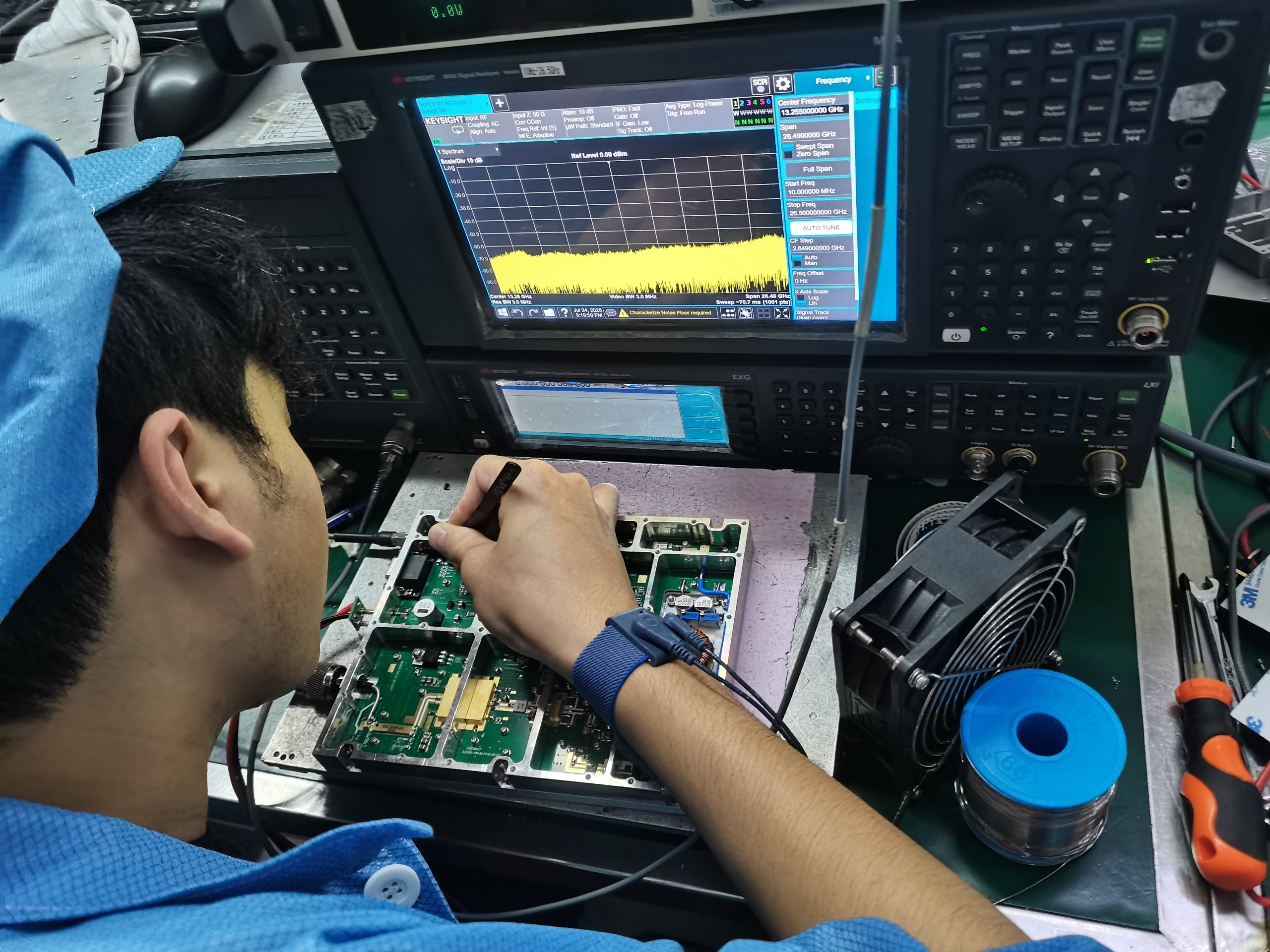
Take particular care with P1dB: it may be reported as input power or output power. The shorthand alone does not identify the reference. It also does not guarantee acceptable signal quality for every waveform; the relevant linearity requirements need their own supporting data. Keysight's compression guide describes the input and output distinction.
Understanding Model-Level Specifications
A platform name helps locate candidates, but the comparison should refer to an exact model and document revision. Keep electrical data, mechanical drawings, and operating instructions tied to that same configuration. An optional cooling assembly or a different product suffix can change which conditions apply.
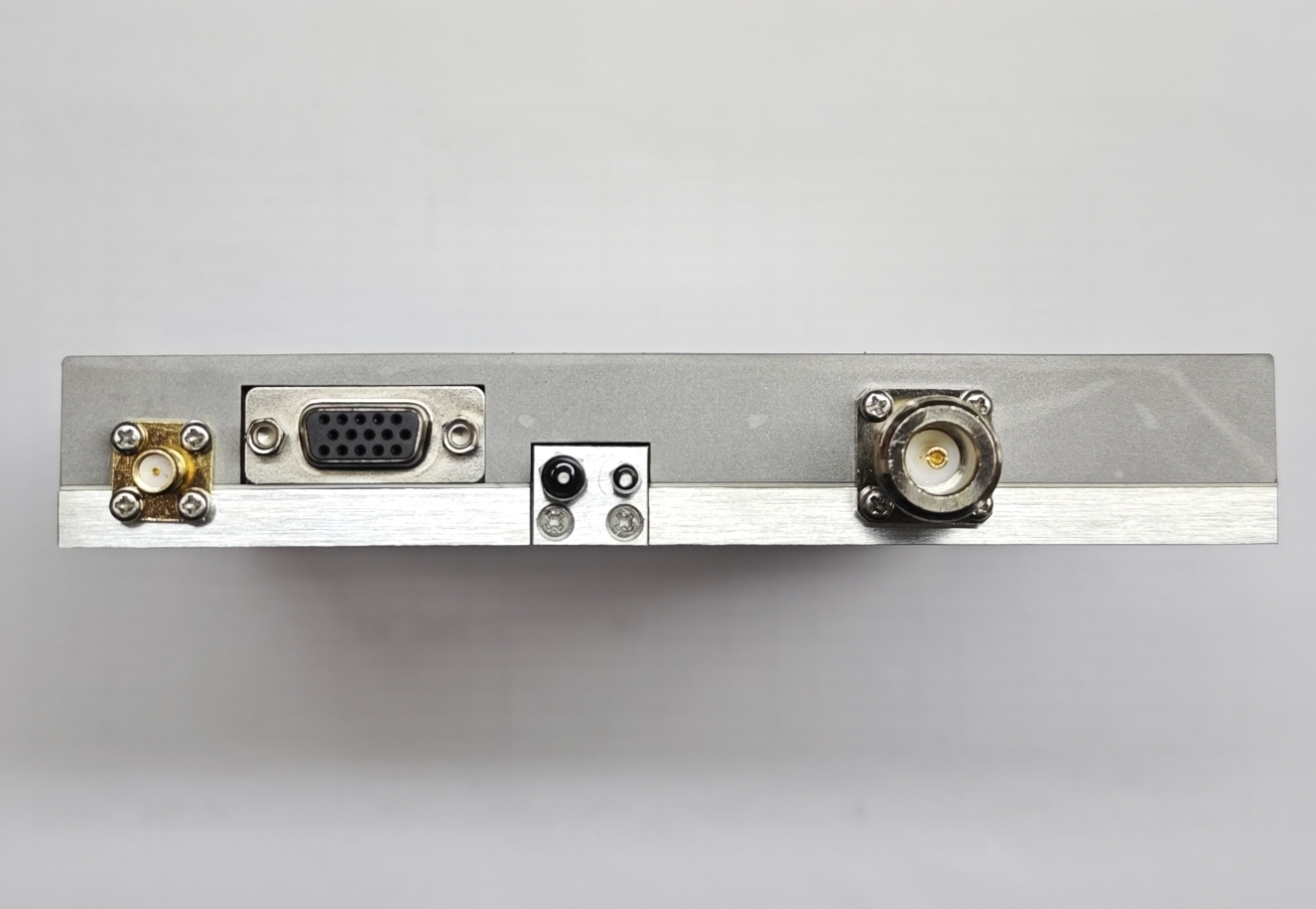
Separate specifications from characterization data. A typical performance curve helps explain behavior; a test report describes the unit and conditions tested. Neither automatically extends a guarantee to every unit or operating condition. Where documents disagree, ask the manufacturer to identify the applicable revision and clarify the affected parameter.
Also check what an output figure represents when multiple signals are involved. Coverage of a broad frequency band does not establish a separate full-rated output allowance for every simultaneous signal. Any such statement needs an explicit definition and supporting model documentation. Do not interpret a single-signal rating as a per-signal guarantee.
Over-Temperature Protection and Continuous Operation
Over-temperature protection describes a response to excessive temperature. It does not establish how long an amplifier can sustain its rated output under a particular installation condition. For example, a documented protective response may be shutdown after a cooling fault. AR's product documentation illustrates this distinction.
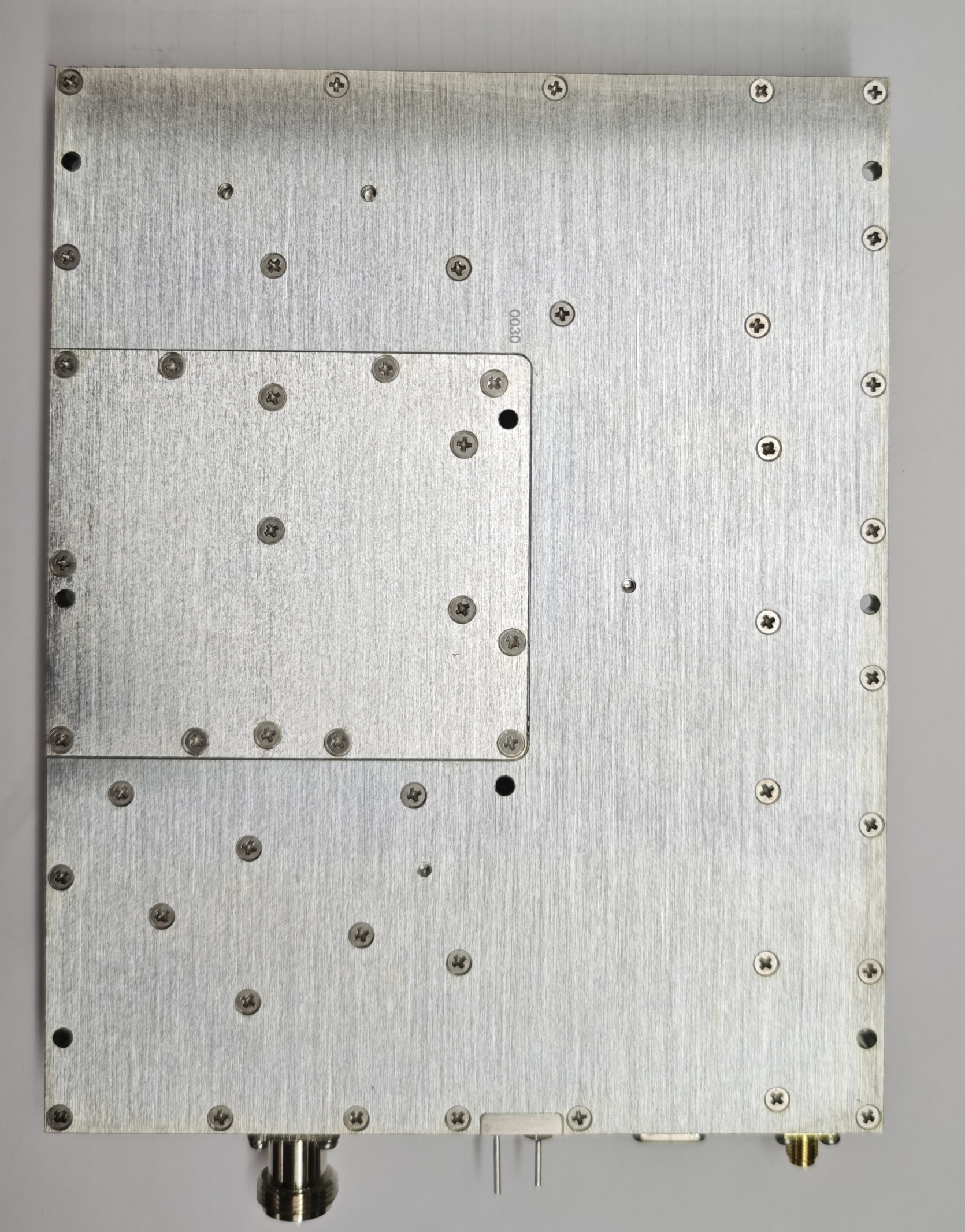
Read the temperature reference carefully. Ambient, case, and baseplate temperatures are different quantities. A baseplate limit should not be copied into an ambient-temperature requirement. Cooling arrangements also belong to the specification: an amplifier supplied with a heatsink and one requiring an external cooling arrangement may have different installation conditions. Mini-Circuits' thermal guidance distinguishes ambient and baseplate temperatures.
For continuous operation, look for documented conditions covering the cooling configuration, temperature reference, output definition, and any operating restrictions. If derating information is supplied, check which configuration it covers. If it is absent, request clarification instead of inferring a temperature-dependent power limit from a photograph or a protection feature. For installation context, see our RF front-end platform overview.
From Datasheet Review to Manufacturer Discussion
A useful inquiry carries the unresolved specification questions forward. Include:
- Required frequency range and any specific operating points needing confirmation.
- The requested power parameter, including whether a guaranteed limit is needed.
- Signal type and operating mode, with pulse conditions where applicable.
- Installation conditions, temperature reference, and available cooling arrangement.
- Candidate model, document revision, and any conflicting or missing information.
This supports a technical response with traceable conditions for each quoted figure. Review CorelixRF's RF amplifier platforms, use the RF Configurator for an initial search, or contact the engineering team to discuss candidate products and documentation.