
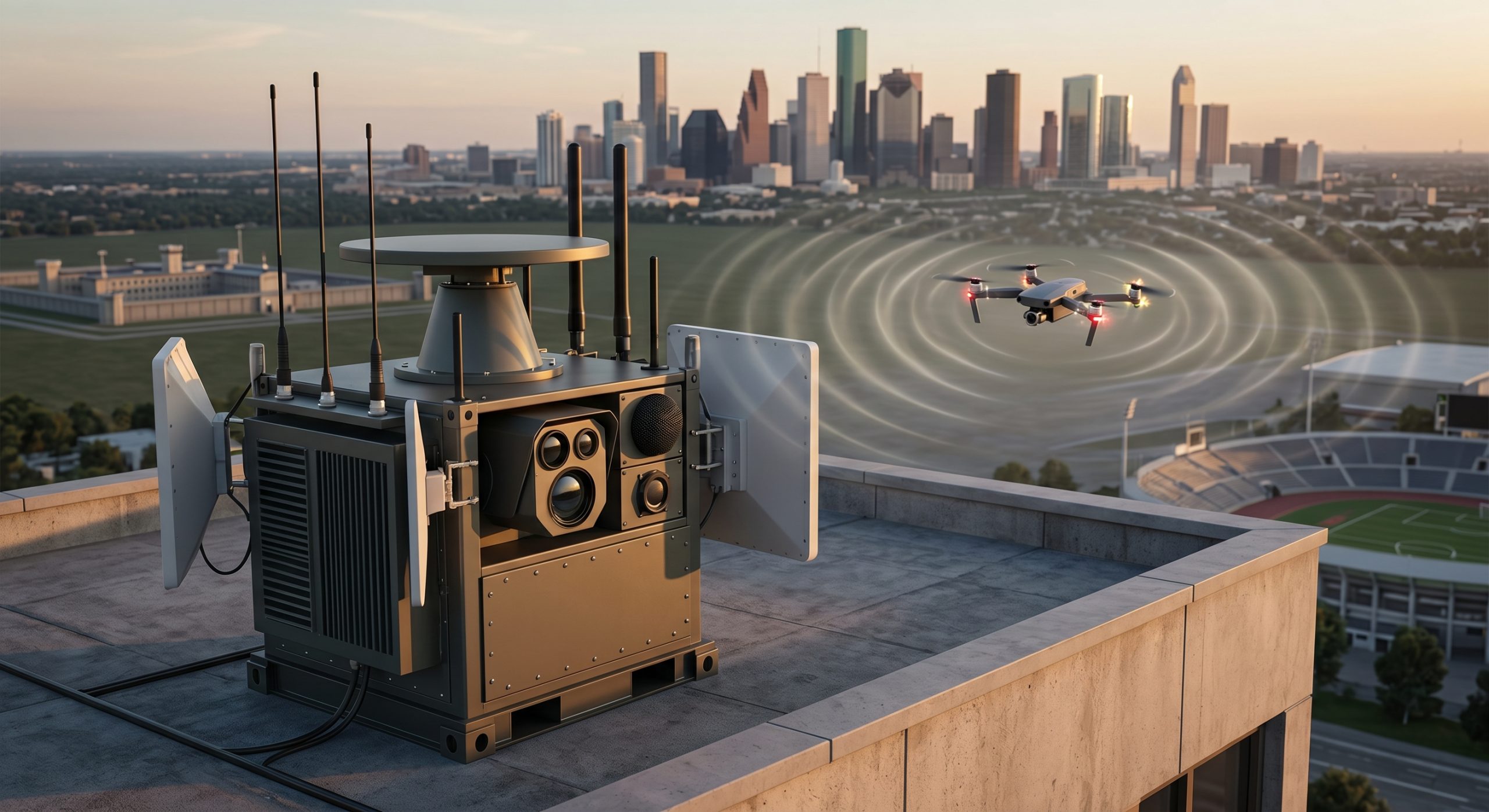
A drone jammer is a specialized electronic security device designed to disrupt the radio frequency (RF) and satellite signals that allow an unmanned aerial vehicle (UAV) to operate. Unauthorized drones are increasingly used for illegal surveillance and smuggling, creating significant safety risks for your high-security perimeters. You need a way to neutralize these airborne threats before they compromise your facility’s integrity. Identifying what is a drone jammer is the first step toward implementing a modular defense system that restores control over your local airspace.
What is a drone jammer and how does it work?
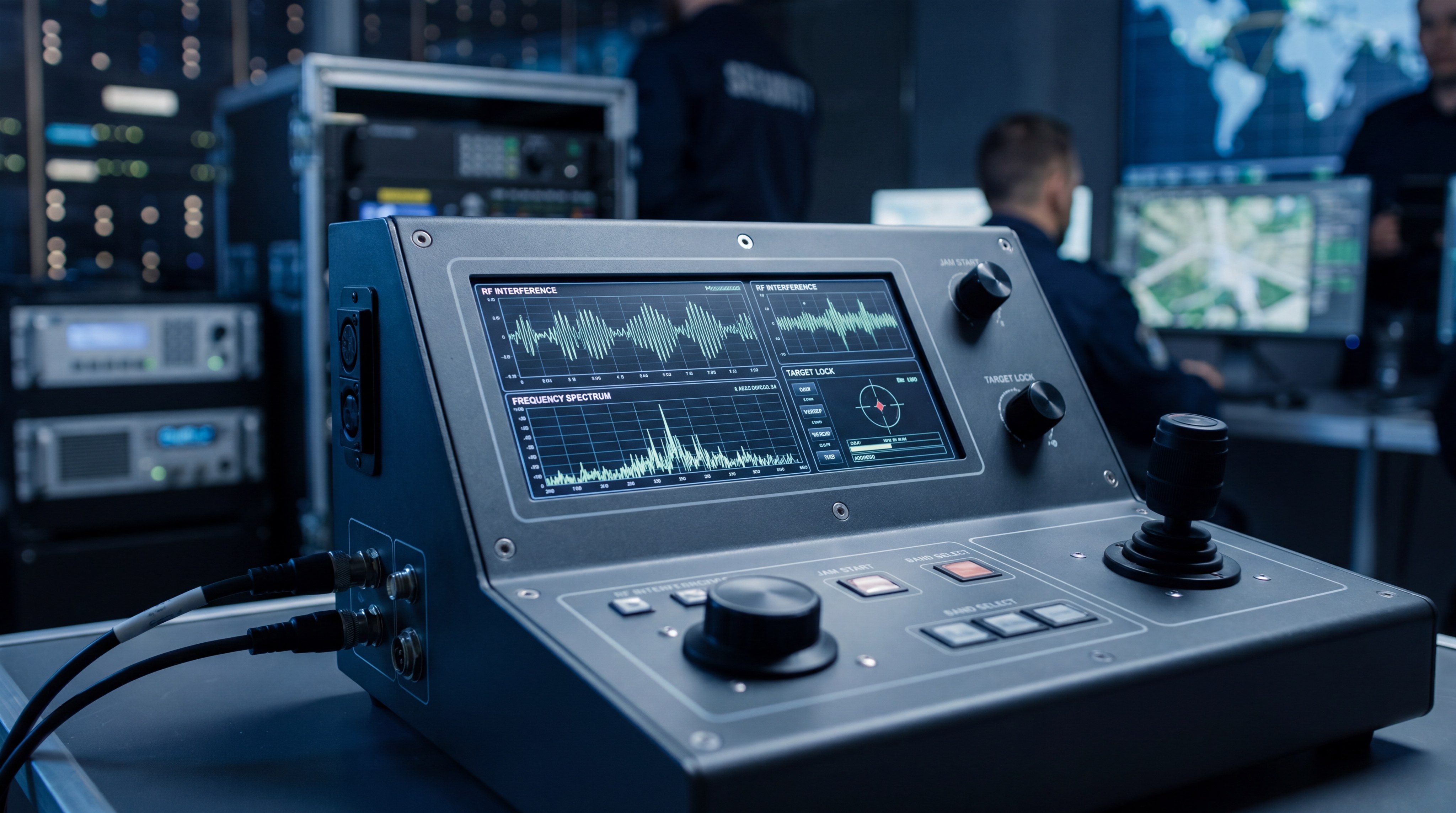
A drone jammer works by emitting electromagnetic noise at specific radio frequencies to override the communication link between a UAV and its controller. When you deploy this technology, you are essentially drowning out the pilot’s commands with a more powerful signal. Understanding what is a drone jammer is vital for security teams who must differentiate between simple signal interference and targeted electronic countermeasures.
How does the signal disruption occur?
Think about it: most commercial drones operate on public, unassigned frequencies that are easily accessible for interference. By flooding these bands with interference, the jammer forces the drone into a “fail-safe” mode.
- Signal Overload: The jammer produces a “cone” of noise.
- Frequency Target: It usually focuses on 2.4GHz or 5.8GHz bands.
- Protocol Interruption: The drone loses its data and control link instantly.
What are the typical drone responses?
Once the drone is successfully jammed, it will generally follow its pre-programmed safety protocols. Most units will either land immediately on the spot or attempt to return to their original takeoff point.
- Vertical Landing: Useful for forensic investigation and hardware seizure.
- Return to Home: Allows security to track the drone back to the pilot.
- Stationary Hover: The drone stays in place until battery depletion occurs.
| Drone Response | Security Benefit | Operational Outcome |
|---|---|---|
| Landing | Physical Capture | Forensic evidence collection |
| Return to Home | Pilot Localization | Law enforcement apprehension |
| Hovering | Threat Neutralization | Stationary target for removal |
Effective signal disruption ensures that no unauthorized data transmission or payload delivery can reach your target zone.
Key Takeaway: Deploying a jammer provides a non-destructive way to stop drones, giving you the choice to either capture the unit or find the operator.
How do radar subsystems detect unauthorized aerial threats?
Radar subsystems use active radio energy to detect the presence, distance, and direction of incoming drones. This component is the primary sensor for identifying what is a drone jammer is trying to stop in real-time. By emitting signals and measuring their reflections, radar provides a constant 360-degree shield for your perimeter.
Why is radar precision necessary?
But wait, there is more: modern radar can detect even miniature drones with extremely small radar cross-sections. This high-sensitivity detection ensures that you are never surprised by low-observable aerial threats.
- High-Speed Tracking: Monitors drones moving at rapid velocities.
- Wide Bandwidth: Operates across multiple ISM or X frequency bands.
- Distance Calculation: Provides exact coordinates for the jamming unit.
| Radar Feature | Capability | Security Impact |
|---|---|---|
| 50 MHz Bandwidth | High Resolution | Distinguishes birds from drones |
| 360-Degree Sweep | Total Coverage | Eliminates blind spots |
| Range Extension | 5km+ Detection | Early warning for response |
The radar subsystem acts as the eyes of your defense, providing the data necessary for automated jamming triggers.
Key Takeaway: Integrated radar allows you to identify threats long before they are visible to the naked eye, maximizing your reaction time.
What is the role of thermal cameras in UAV identification?
Thermal cameras serve as a secondary identification layer that uses heat signatures to track drones in low-visibility or nighttime conditions. Even when you know what is a drone jammer is capable of, you still need visual confirmation before activating high-power countermeasures. These EO/IR cameras ensure that your security team can visually verify the threat as an authentic UAV.
How do EO/IR cameras improve accuracy?
The best part? Thermal imaging works perfectly when optical cameras fail due to glare, fog, or darkness. By focusing on the heat produced by drone motors and batteries, you get a clear image of the intruder.
- Thermal Contrast: Highlights the heat of electronic components.
- Cooled vs. Uncooled: Offers various range options for specific sites.
- Lens Versatility: Multiple focal lengths for wide or narrow views.
Can cameras reduce false alarms?
Confirming the nature of the target is essential to prevent the accidental jamming of legitimate devices or birds. Automated algorithms analyze the shape and heat signature to confirm it is indeed a drone.
- Shape Recognition: Identifies the quadcopter or fixed-wing profile.
- Heat Tracking: Follows the movement of the motors.
- Visual Proof: Provides a recording for legal and forensic use.
| Camera Type | Visual Range | Best Use Case |
|---|---|---|
| Uncooled Thermal | Mid-Range | Perimeter fence monitoring |
| Cooled Thermal | Long-Range | Critical infrastructure defense |
| Optical/EO | Daylight | High-definition identification |
Visual verification through thermal subsystems prevents tactical errors and ensures a high probability of threat neutralization.
Key Takeaway: Thermal imaging provides the visual certainty you need to act, ensuring that every jamming event is justified and accurate.
Can RF sensors locate the position of a drone operator?
RF sensors function as a passive detection method that “listens” for the radio signals emitted by the drone and its remote control. This subsystem helps define what is a drone jammer must prioritize by identifying the specific frequencies in use. By discovering these radio links, you can map the location of both the drone and the pilot simultaneously.
How does direction finding work?
Here is the kicker: integrated direction-finding antennas allow you to pinpoint the exact GPS coordinates of the drone operator. This capability transforms a defensive stance into an offensive one by allowing security forces to intercept the person responsible.
- Signal Fingerprinting: Identifies the specific drone make and model.
- Swarm Tracking: Maps multiple drones in a single interface.
- Real-Time Mapping: Shows target movement on a digital terrain map.
| Sensor Capability | Technical Method | Strategic Result |
|---|---|---|
| RF Discovery | Link Identification | Detects command signals |
| Direction Finding | Phase Detection | Localizes the operator |
| Digital Mapping | GIS Integration | Tactical situational awareness |
Passive RF monitoring allows for covert detection, meaning the drone pilot is unaware they have been spotted until it is too late.
Key Takeaway: Using RF sensors allows you to find the human behind the machine, enabling permanent resolution of repeated drone incursions.
Why are acoustic sensors necessary for anti-drone defense?
Acoustic sensors use high-sensitivity microphone arrays to detect the unique sound signatures produced by drone motors and propellers. While you are researching what is a drone jammer, you should consider that acoustic detection does not require a direct line of sight. This makes it an ideal subsystem for urban environments with many buildings or dense vegetation.
What are the benefits of audio detection?
Think about it: every drone model has a “voice” based on its blade speed and motor configuration. Acoustic sensors can match these sounds against a database of known UAV signatures for instant identification.
- Non-Line-of-Sight: Works around corners and through trees.
- Array Detection: Uses multiple microphones to calculate direction.
- Urban Efficiency: Filters out background city noise to find targets.
| Acoustic Feature | Functional Value | Operational Environment |
|---|---|---|
| Signature Library | Model Identification | Complex urban centers |
| 3D Localization | Elevation Tracking | Multi-story buildings |
| Passive Operation | Zero Emission | Covert security zones |
Acoustic subsystems provide a critical fail-safe for detection when radar or cameras are obstructed by terrain or structures.
Key Takeaway: Adding acoustic detection ensures that no drone can hide in “blind spots,” providing your team with a multi-sensory warning system.
How does the RF jamming subsystem neutralize a target?
The RF jamming subsystem is the “active” component that performs the soft-kill action to stop the drone. When you investigate what is a drone jammer for professional use, you will see that this module is responsible for transmitting the disruptive signal. It utilizes high-power amplifiers to ensure the jamming signal is stronger than the original remote command.
How is the jamming signal directed?
The best part? You can choose between focused directional jamming or broad omnidirectional protection depending on the situation. This flexibility allows you to neutralize a specific threat without affecting nearby communications.
- Soft-Kill Method: Neutralizes threats without physical damage.
- Directional Control: Focuses energy in a 15-30 degree cone.
- Instant Action: Blocks signals the moment the trigger is pulled.
Can it block satellite navigation?
Yes, many advanced jamming subsystems also target GNSS and GPS bands. This prevents the drone from using satellite data for positioning, making it completely “blind” and forcing it to land.
- GPS Blocking: Disrupts autonomous flight paths.
- Control Severing: Stops the operator from steering.
- Video Link Cut: Prevents the drone from streaming images back.
| Jamming Mode | Signal Target | Drone Outcome |
|---|---|---|
| Command Jam | 2.4 / 5.8 GHz | Control link loss |
| GNSS Jam | Satellite Bands | Navigation failure |
| Video Jam | Data Link | Visual feedback loss |
A powerful RF jammer ensures that once a threat is identified, it can be neutralized in seconds.
Key Takeaway: High-performance jamming modules give you the power to disconnect unauthorized UAVs from their pilots and their navigation.
What are the primary frequency bands used by drone jammers?
Drone jammers primarily target the standard frequencies used for drone control, video transmission, and satellite navigation. Identifying what is a drone jammer target helps you understand which subsystems you need for your specific environment. Most commercial and military drones rely on a few predictable bands that can be neutralized with broad-spectrum interference.
Which control bands are most common?
Look at the data: the vast majority of drones utilize the 2.4 GHz and 5.8 GHz ISM bands for command and control. These are the same frequencies used by Wi-Fi, making precision crucial to avoid collateral interference.
- 2.4 GHz Band: The most common remote control frequency.
- 5.8 GHz Band: Often used for high-definition video streaming.
- 433 MHz / 915 MHz: Used by some long-range or industrial drones.
| Band Category | Frequency Range | Purpose |
|---|---|---|
| ISM 1 | 2.4 GHz | Standard Control |
| ISM 2 | 5.8 GHz | Video & Data Link |
| GNSS | L1 / L2 / L5 | Satellite Navigation |
Targeting these specific bands ensures that your jammer is effective against 99% of commercial drones on the market today.
Key Takeaway: Selecting a jammer with multi-band coverage ensures you are protected against both consumer drones and advanced long-range units.
Is the power subsystem critical for high-output jamming?
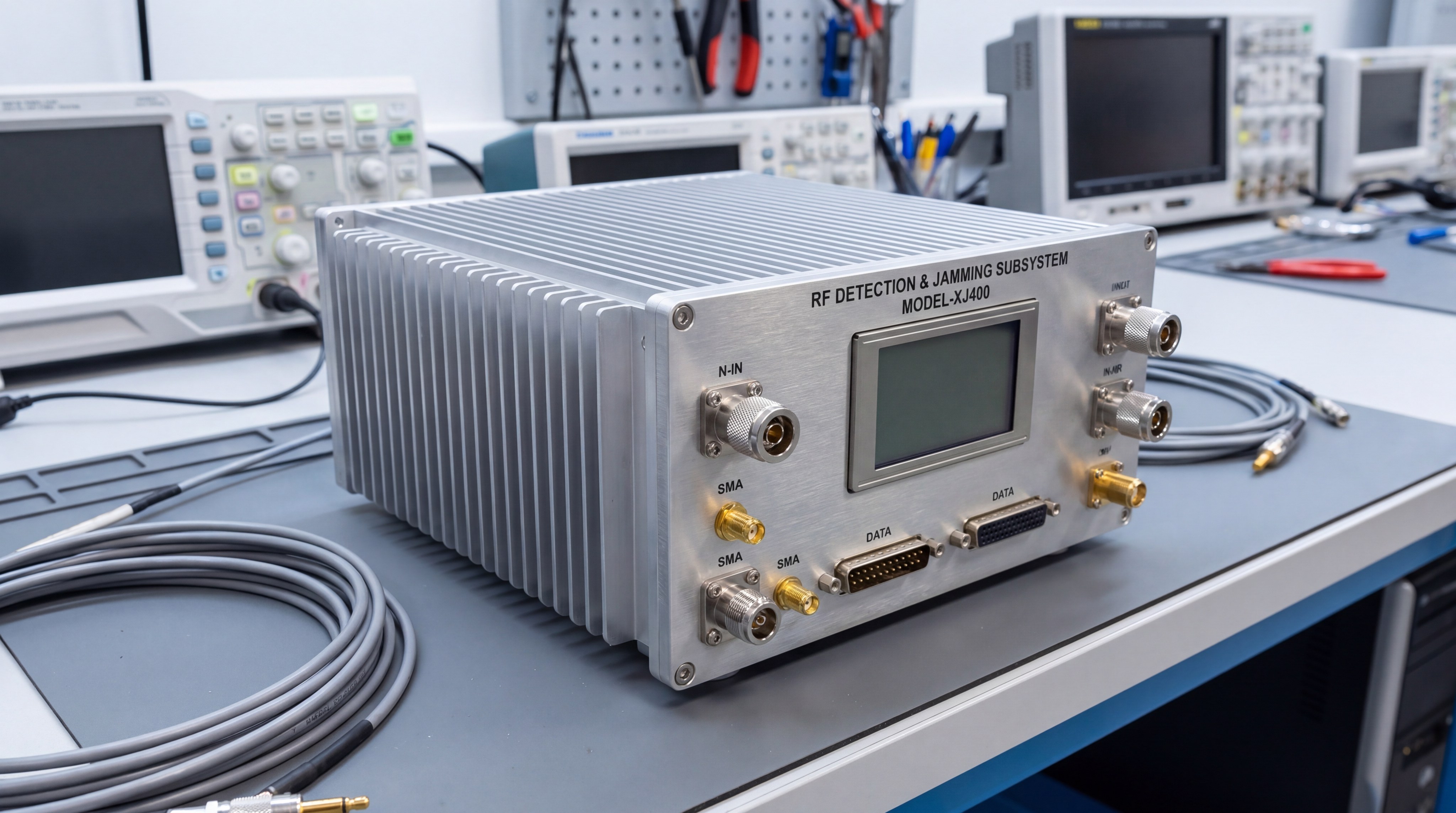
The power subsystem is the backbone of any electronic defense, providing the energy needed for what is a drone jammer to maintain a long-range interference field. Without a robust power source, the jamming signal will be too weak to overcome the drone’s internal noise filters. High-output power amplifiers are necessary to push the signal across kilometers of open space.
Why is thermal management important?
But wait, there is more: generating high-power RF signals creates a massive amount of heat that can damage the internal components. Advanced cooling systems are integrated into the power subsystem to ensure continuous operation during long engagements.
- Stable Output: Maintains signal strength for hours if needed.
- Active Cooling: Uses heat sinks and fans for temperature control.
- Modular Voltage: Supports various power inputs for field deployment.
| Power Component | Specification | Benefit |
|---|---|---|
| RF Amplifier | 20W – 100W+ | Long-range disruption |
| Thermal Solution | Forced Air / Liquid | Prevents hardware failure |
| Power Supply | AC/DC Options | High deployment flexibility |
A reliable power subsystem ensures that your drone defense remains active and effective even in the most demanding conditions.
Key Takeaway: Investing in a high-power system guarantees that your jamming signal will always be stronger than the intruder’s remote.
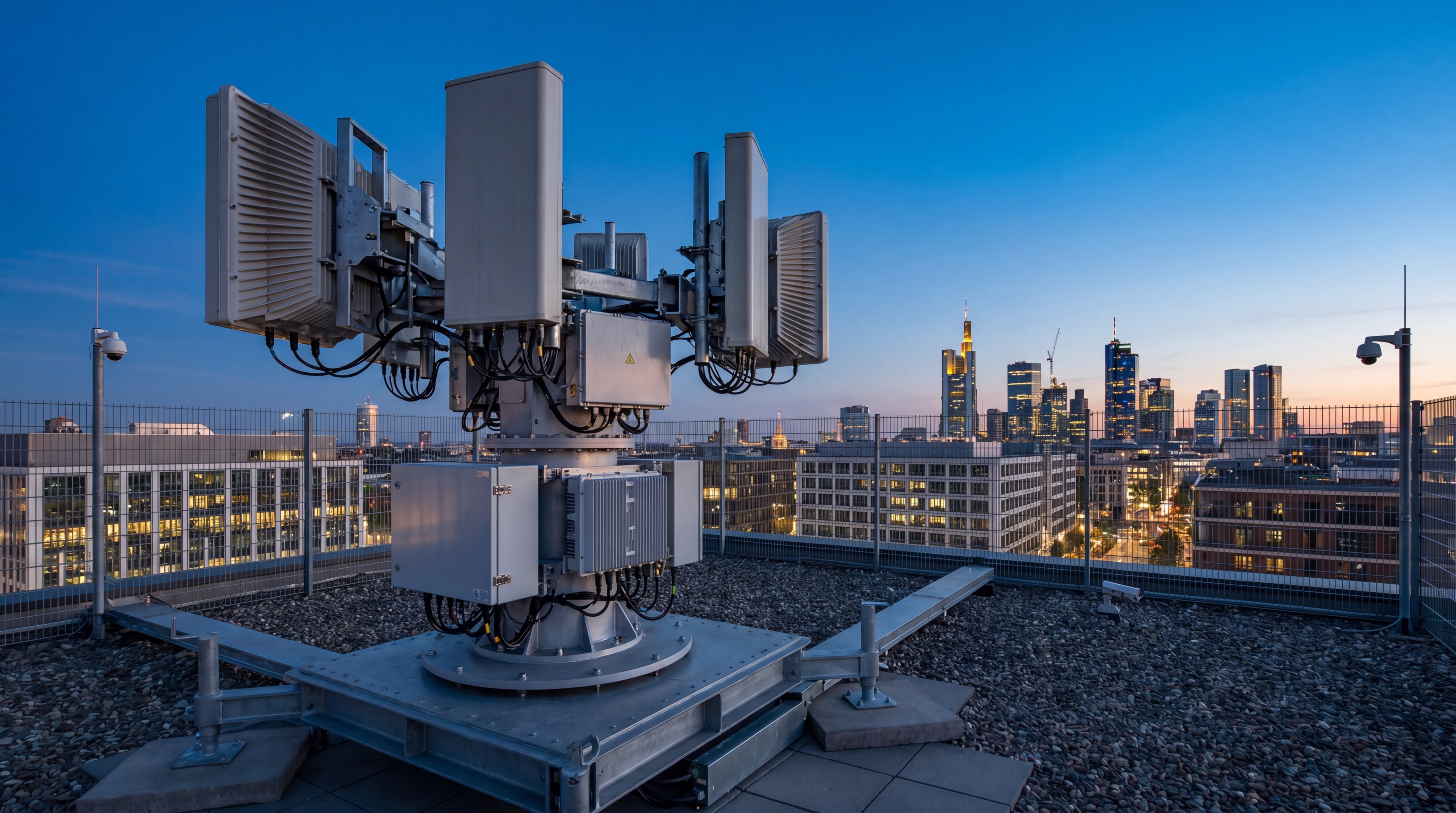
How do antenna subsystems shape the effective defense zone?
Antenna subsystems dictate the range and shape of the jamming signal, defining the area where drones will be neutralized. When you evaluate what is a drone jammer’s performance, the antenna choice is the single most important factor for geographical coverage. You must choose between a wide protective “bubble” or a focused, long-range beam.
Should you use directional or omnidirectional?
Think about it: an omnidirectional antenna provides 360-degree protection, which is perfect for securing a stationary building or courtyard. However, if you need to stop a drone several kilometers away, a high-gain directional antenna is required.
- Omnidirectional: Creates a protective dome over your site.
- Directional: Focuses all energy in one specific direction.
- High Gain: Extends the effective jamming distance significantly.
| Antenna Type | Coverage Shape | Best Application |
|---|---|---|
| Omni-pole | 360 Degree | General perimeter protection |
| Panel / Yagi | Focused Beam | Targeted long-range defense |
| Helix | Circular Pattern | Advanced drone swarm defense |
The right antenna configuration ensures that your jamming energy is used efficiently to cover your specific vulnerabilities.
Key Takeaway: Customizing your antenna setup allows you to create a tailored “no-fly zone” that fits the exact dimensions of your property.
Where should organizations deploy an integrated jammer system?
Integrated drone jammer systems are essential for any location where an aerial intrusion could cause physical harm, data theft, or a breach of privacy. Knowing what is a drone jammer used for helps you determine if your facility is at risk. From government buildings to private industrial sites, these systems provide a critical layer of modern electronic security.
Are prisons and stadiums high-risk zones?
Here is the kicker: drones are frequently used to drop contraband into correctional facilities and harass large crowds at sporting events. Deploying jammers in these areas prevents illegal deliveries and ensures public safety during high-profile gatherings.
- Prisons: Stops drugs, weapons, and phone deliveries.
- Stadiums: Protects crowds and prevents unauthorized broadcasting.
- Critical Infrastructure: Defends power plants and water supplies.
What about VIP and event security?
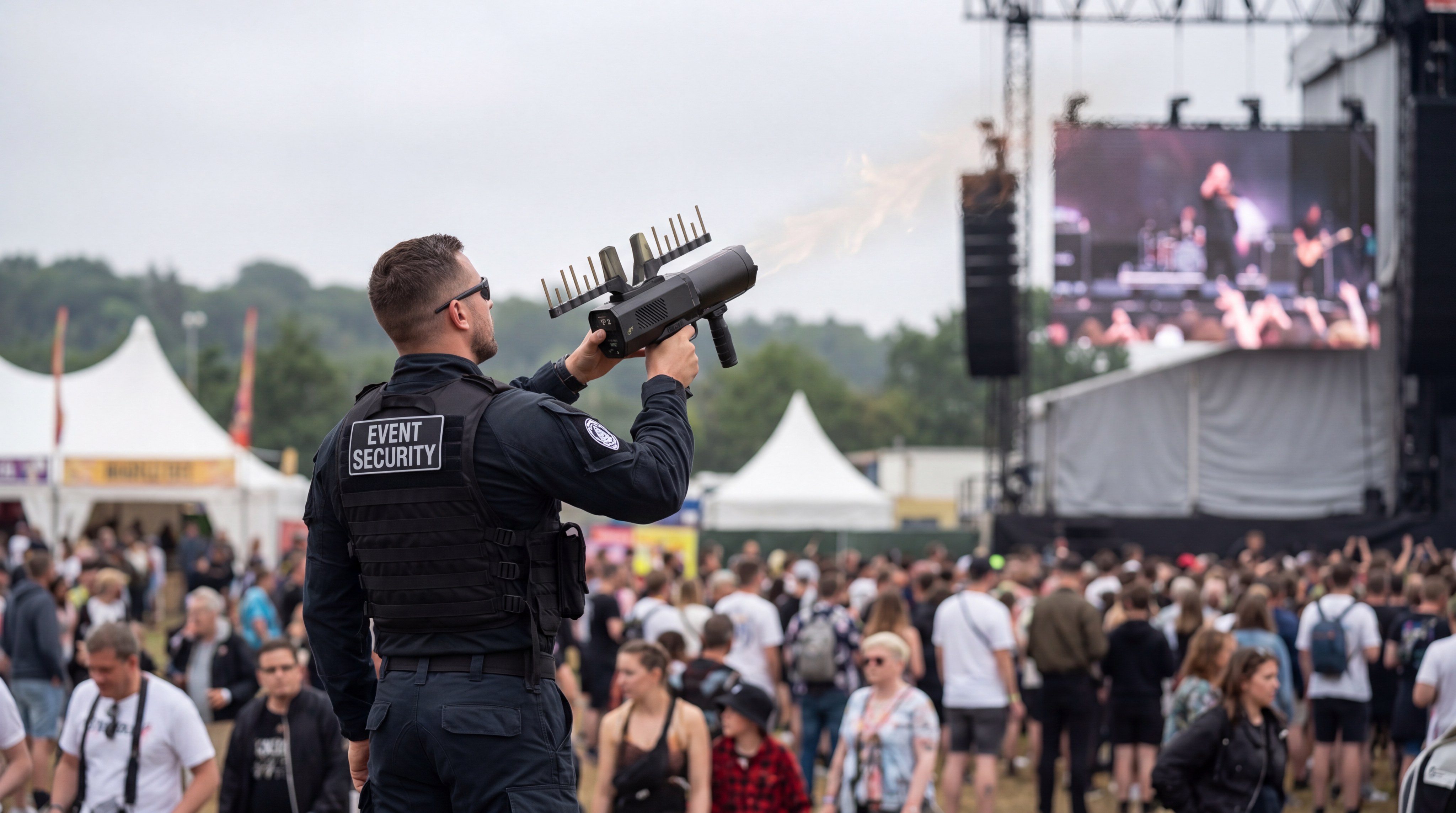
Portable drone jammers are often used by executive protection teams to secure a temporary area for a high-profile individual. This prevents “paparazzi” drones or potential kinetic threats from reaching the VIP.
- Mobile Defense: Handheld units for moving security teams.
- Event Zones: Secures political rallies and outdoor festivals.
- Residential Privacy: Protects high-net-worth estates from spying.
| Deployment Sector | Primary Threat | Tactical Solution |
|---|---|---|
| Correctional | Contraband Drops | Fixed omni-directional jammer |
| Public Events | Spying / Harassment | Mobile directional gun |
| Industrial | Corporate Espionage | Radar-integrated defense |
Proactive deployment of jammer technology is the only reliable way to close the gap in your aerial security posture.
Key Takeaway: Identifying your specific risks allows you to choose the right jammer configuration to protect your people and your property effectively.
*
Strengthening Your Airspace Perimeter
Drone jammers have evolved from simple interference tools into sophisticated, multi-subsystem defense platforms. By integrating radar, thermal imaging, RF sensors, and high-power jamming modules, you create a comprehensive shield that is nearly impossible for unauthorized UAVs to penetrate. This article has detailed the essential subsystems that make up a professional drone jammer and how they work together to detect, identify, and neutralize threats. Whether you are protecting a prison, a stadium, or a corporate campus, the right RF technology is your best defense against modern aerial vulnerabilities.
CorelixRF stands as the premier engineering force for critical airspace defense.
If you are ready to secure your facility from unauthorized drone activity, contact us today to discuss a custom RF solution tailored to your operational needs.
*
Frequently Asked Questions
Can I use a drone jammer to stop any drone in my yard?
No, because the use of jammers is heavily regulated and restricted to authorized government and security agencies in most countries. Always check your local laws before deploying RF countermeasures to avoid legal penalties.
What is the best way to detect a drone at night?
Thermal cameras are the most effective tool because they identify the heat signature of the drone’s motors against the cool night sky. Unlike optical cameras, they do not require any ambient light to provide a clear identification.
How do I know if a drone jammer will interfere with my Wi-Fi?
Most professional jammers use directional antennas to focus the interference away from your own infrastructure. However, since drones and Wi-Fi share the 2.4 GHz band, some local interference is possible if the jammer is positioned poorly.
Can a jammer stop a drone that is flying autonomously?
Yes, but only if the jammer includes a GNSS/GPS blocking module to disrupt the drone’s navigation. Without satellite data, most autonomous drones will lose their way and land or hover in place.
What is the maximum range of a handheld drone jammer?
Typically, handheld units have an effective range of 500 meters to 1.5 kilometers depending on the power output and the quality of the antennas. For ranges beyond 2 kilometers, stationary integrated systems are usually required.
Authorized RF engineering and compliance review
For regulated RF systems, this page should be used as an engineering and compliance review path, not as a public deployment checklist. CorelixRF starts with authorization status, operating region, frequency plan, output limit, antenna interface, safety controls, thermal limits and acceptance documents.
- RFQ checklist – send the data buyers usually forget, including band, power, duty cycle, interface and test standard
- delivery documentation – check what documents can support incoming inspection, FAT review and long-term maintenance
- quality and certification review – review the quality and compliance evidence before the project moves into procurement
- RF front-end platform – compare the RF chain as a system instead of selecting one isolated module
- RF configurator – turn frequency, power, thermal and interface requirements into a first configuration brief
- case studies – review similar engineering paths before sending an RFQ
- engineering contact – send the application notes, block diagram or target specification to engineering sales
This keeps the discussion inside lawful, authorized RF programs while still giving procurement teams a clear way to request amplifier, antenna, SDR source, documentation and factory review.
Secure Facility RF System Review Path
For lawful and authorized facility-security RF projects, translate site conditions into RF front-end architecture, amplifier chain requirements and antenna placement/load conditions. Send operating bands, power target, duty cycle, thermal limits, enclosure and documentation needs through the RF inquiry form.