
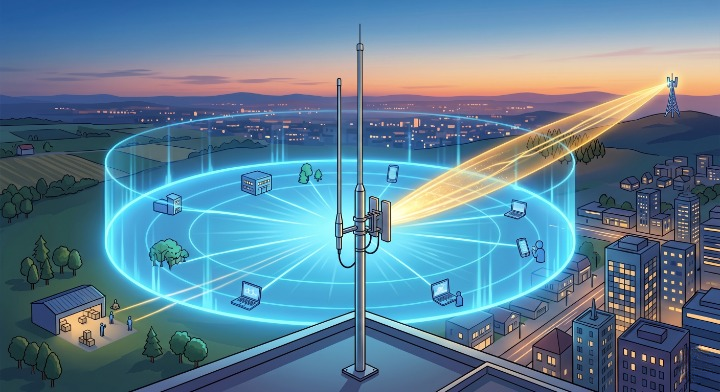
A directional antenna focuses power in a single path for long-range connectivity, while an omni antenna radiates 360 degrees for local area coverage. Weak signals and constant dropouts can cripple your business operations, leading to lost revenue and frustrated clients. Failing to resolve these RF dead zones keeps you stuck in a loop of inefficiency and connectivity lag. By choosing a high-performance directional antenna, you can pinpoint distant signals and ensure a stable, high-gain link that overcomes environmental obstacles.
What Are the Fundamentals of Antenna Technology?
Fundamentals revolve around how radiation patterns are manipulated to distribute RF energy across a specific geographic area. Selecting a directional antenna involves understanding how gain is traded for coverage width to achieve a specific communication goal.
Defining the Directional Antenna
Look:
A directional system is designed to act like a spotlight, throwing energy in a very narrow beam to reach distant points. You use these when you have a fixed target and need to ignore noise coming from other directions.
- Narrow beamwidth for precision.
- High gain for long-distance links.
- Rejection of unwanted interference.
What Is an Omni Antenna?
Think about it:
If the directional version is a spotlight, the omni antenna is a lightbulb, illuminating everything in a circle simultaneously. You will find these most useful when your users are moving around a central point, such as a warehouse floor.
- 360-degree horizontal coverage.
- Simplified installation with no aiming.
- Ideal for mobile client environments.
Key Takeaway: Understanding whether your application requires a concentrated “spotlight” or a broad “lightbulb” pattern is the first step in RF design.
| Feature | Directional | Omni |
|---|---|---|
| Beam Shape | Narrow Cone | 360° Cylinder |
| Best Use | Point-to-Point | Point-to-Multipoint |
| Range | Maximum | Moderate |
This data shows that directional units are specialized for distance, whereas omni units are built for accessibility.
How Does a Directional Antenna Differ from an Omni?
The core difference lies in the beamwidth and the concentration of signal gain toward a specific target. A directional antenna allows you to send signals several miles, whereas an omni antenna struggle to maintain clarity over long distances.

Comparing Signal Coverage and Range
The best part?
When you narrow the signal, the energy doesn’t just disappear; it gets pushed further out into the distance. You will notice that a directional beam can penetrate walls or foliage that would completely block a standard omni signal.
- Penetrates obstacles more effectively.
- Increases signal-to-noise ratio (SNR).
- Extends the reach of your wireless network.
Analyzing Energy Distribution Patterns
Listen:
Energy distribution is a zero-sum game in RF physics, meaning gain in one direction requires a loss in others. You must decide if you can afford to lose coverage behind the antenna to gain a stronger link in front of it.
- Concentrated front-to-back ratios.
- Reduced side-lobe interference.
- High-density energy throughput.
Key Takeaway: Choosing between these two depends entirely on whether your priority is distance-focused or area-wide accessibility.
| Metric | Directional Pattern | Omni Pattern |
|---|---|---|
| Gain (dBi) | High (12-25+) | Low to Mid (2-12) |
| Vertical Beam | Narrow | Flat / Wide |
| Deployment | Stationary | Central Hub |
Analyzing these patterns confirms that directional hardware is the “long-range specialist” in any RF toolkit.
When Is a Directional Antenna the Superior Choice?
It is superior when you need to bridge long distances or isolate a single transmitter from a noisy background. Deploying a directional antenna is the standard solution for connecting two buildings across a campus or large industrial site.
Enhancing Long-Distance Connectivity
Actually:
Distance is the enemy of throughput, but directional gain helps you fight back by focusing every milliwatt of power. You can maintain high-speed data rates over miles by using the high gain inherent in these specialized designs.
- Bridges remote sites efficiently.
- Reduces the need for intermediate repeaters.
- Provides stable throughput in rural areas.
Reaching Specific Signal Sources
Here’s the deal:
If you know exactly where your signal is coming from, like a specific cell tower, why waste energy looking elsewhere? You will save time and hardware costs by pointing your receiver directly at the source.
- Targets specific remote base stations.
- Bypasses local congestion sources.
- Optimizes uplink and downlink speeds.
Key Takeaway: Whenever the location of the transmitter is fixed and distant, the directional approach is the only logical choice for performance.
| Application | Directional Advantage | Omni Limitation |
|---|---|---|
| Site-to-Site | High Stability | High Signal Loss |
| Remote Office | Clear Connection | Dropped Packets |
| Backhaul | Secure Link | Broad Vulnerability |
This comparison highlights that for backhaul and remote office connectivity, directional gain is non-negotiable.
Why Should You Select an Omni Antenna for General Use?
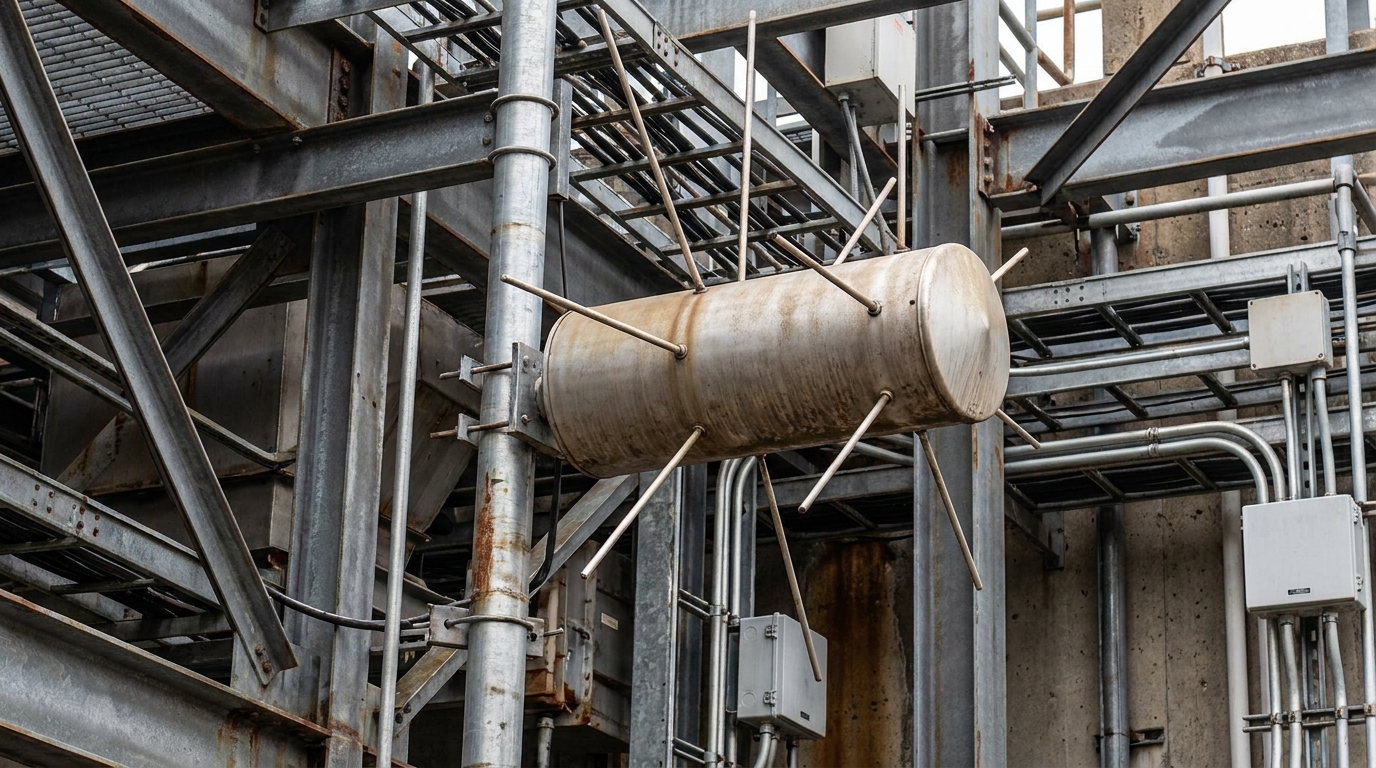
Omni antennas are chosen for their ability to provide uniform coverage to multiple mobile devices within a specific radius. While a directional antenna is great for a static link, it is useless if your team is moving throughout a complex building.
Benefits for Multi-Room Coverage
Why?
Indoor environments are unpredictable, and signals often bounce off walls to reach their destination via multi-path propagation. You rely on the omni’s 360-degree spread to fill these rooms and provide a seamless experience for every user.
- Supports roaming between access points.
- Simplifies device discovery for new clients.
- Reduces “dead zones” in open-plan offices.
Providing Steady 360-Degree Reception
Think about it:
You don’t want to adjust your antenna every time you move your laptop to a different desk. An omni antenna ensures that no matter where you sit, the signal strength remains relatively consistent and predictable.
- Uniform signal distribution.
- Zero-alignment installation process.
- Low-profile aesthetic for office ceilings.
Key Takeaway: Omni antennas are the “workhorses” of the local area network, providing the flexibility that modern mobile workforces demand.
| User Needs | Omni Performance | Directional Performance |
|---|---|---|
| Mobility | Excellent | Very Poor |
| Setup Speed | Instant | Requires Tuning |
| User Density | High Local | Targeted Single |
This analysis suggests that for standard indoor Wi-Fi or local cellular boosting, the omni antenna remains the king of convenience.
Which Factors Influence Your Directional Antenna Choice?
Choice is influenced by the proximity of the tower and the specific gain required to overcome cable loss and environmental interference. Choosing the right directional antenna requires an audit of your physical site and the distance to the nearest RF source.
Locating the Primary Signal Source
Look:
Before you buy, you must identify the azimuth of the signal you are trying to capture. You can’t point a directional beam at a target you haven’t located, making site surveys a critical part of your planning phase.
- Maps the direction of the nearest tower.
- Identifies competing signal sources.
- Calculates the required beamwidth for accuracy.
Assessing Physical Obstacles
The truth is:
Trees, buildings, and hills act as RF sponges, soaking up your signal before it ever reaches your desk. You will need a higher gain antenna or a more focused beam to “punch through” these barriers and maintain a connection.
- Evaluates line-of-sight (LOS) conditions.
- Accounts for Fresnel zone clearance.
- Determines the necessary mounting height.
Key Takeaway: Your choice isn’t just about the antenna; it’s about the environment the signal must travel through to reach you.
| Factor | High Impact Choice | Low Impact Choice |
|---|---|---|
| Distance | Parabolic Dish | Yagi Antenna |
| Obstacles | High-Gain Panel | Low-Gain Panel |
| Interference | Ultra-Narrow Beam | Standard Directional |
Choosing based on these environmental factors ensures you don’t overspend on gain you don’t need or underspend on reach you do.
How Can You Optimize Your Antenna for Peak Performance?
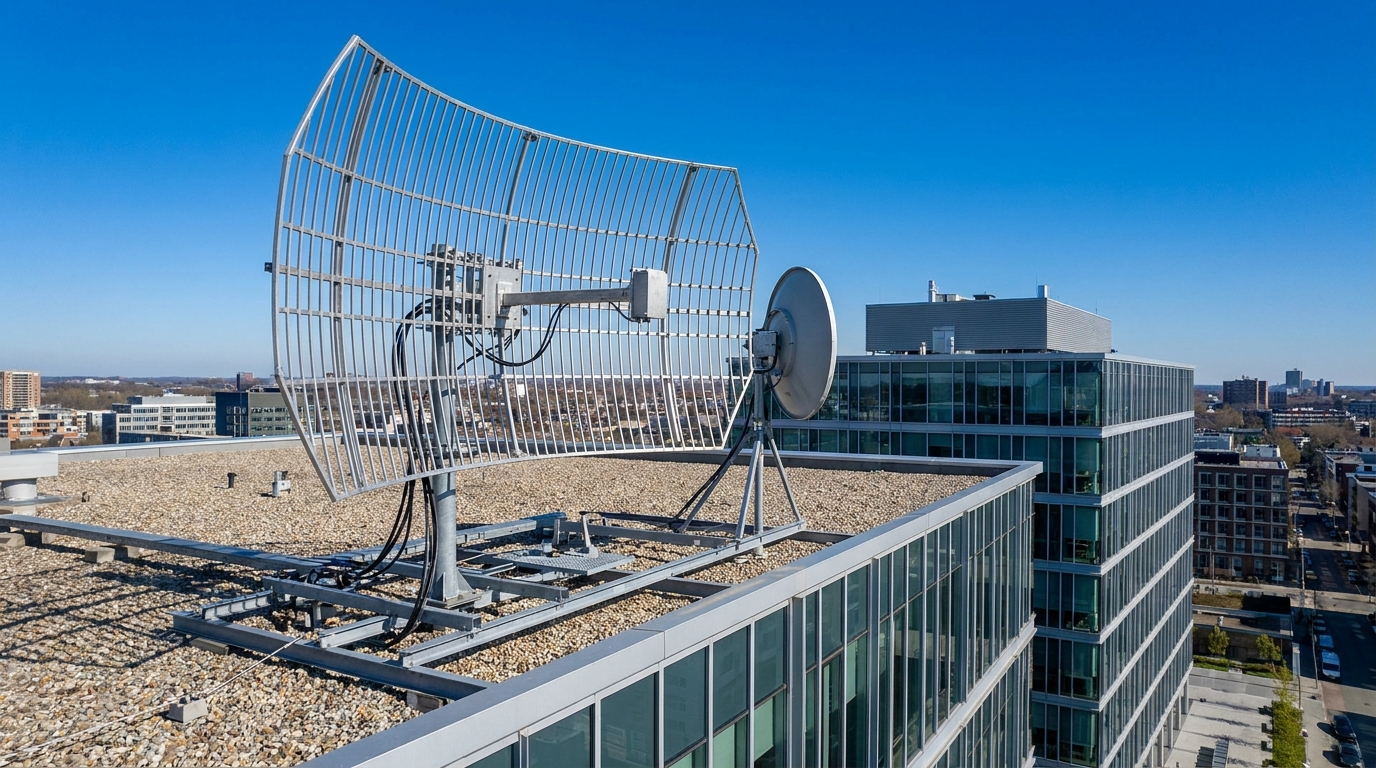
Performance optimization requires precise alignment and the use of high-quality, low-loss coaxial cabling throughout the system. Even a premium directional antenna will underperform if it is misaligned by just a few degrees or connected with cheap, unshielded wire.
Tips for Precise Antenna Positioning
Listen:
Optimization is a game of inches where even a slight tilt can dramatically change your signal quality metrics. You should use a signal meter or software tool to find the exact “sweet spot” during the initial installation.
- Uses real-time RSSI feedback for aiming.
- Tightens all mounting brackets to prevent wind drift.
- Considers vertical tilt for varying elevations.
Minimizing Cable Signal Loss
The best part?
High-quality LMR-400 or similar cabling can save you several decibels of gain that would otherwise be wasted as heat. You will see a massive improvement in data stability simply by keeping your cable runs as short as possible.
- Uses thick, well-shielded coaxial cables.
- Weatherproofs all outdoor connections.
- Avoids sharp bends in the cable path.
Key Takeaway: Optimization is a holistic process that includes everything from the tip of the antenna to the connector on your modem.
| Component | Optimization Step | Result |
|---|---|---|
| Mounting | Rigid Bracing | Stability in Storms |
| Alignment | Signal Mapping | Maximum Throughput |
| Cabling | Shortest Path | Minimal DB Loss |
This guide sentence confirms that precision in placement and wiring is just as important as the antenna’s raw specifications.
Which Directional Antenna Solution Suits Your Needs?
Selection depends on whether your application is indoor, outdoor, or requires specific frequency bandwidths for diverse radio protocols. A directional antenna can take many forms, from flat panels to complex grid dishes, each suited to different power levels.
High-Gain vs Standard Performance
Here’s the deal:
Not every situation requires a massive 24dBi dish that looks like a satellite receiver. You will often find that a medium-gain panel antenna is more than enough for suburban environments where towers are relatively close.
- Panel antennas for mid-range suburban use.
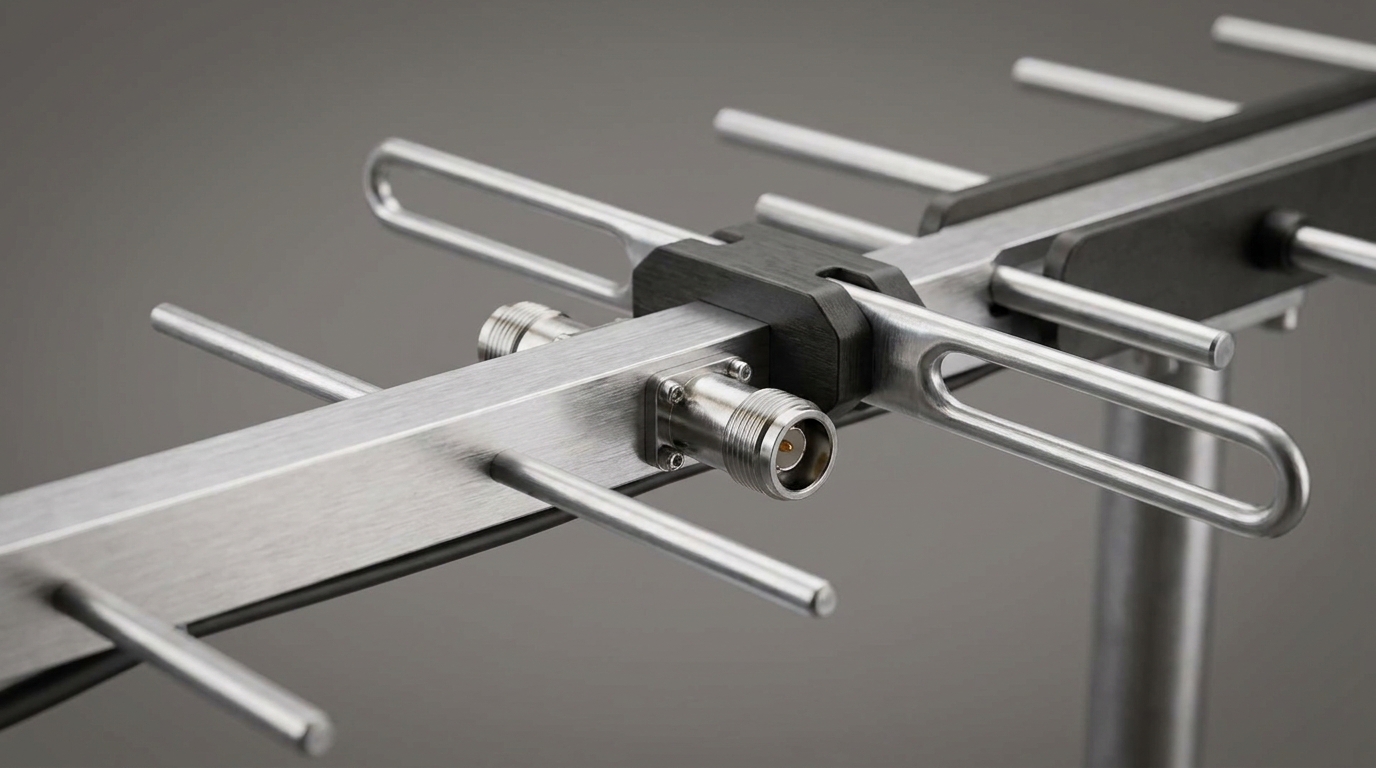
- Yagi antennas for precise, long-range rural links.
- Parabolic grids for the most extreme distances.
Selecting Frequency Range
Actually:
An antenna tuned for 2.4GHz Wi-Fi won’t help you much if you’re trying to boost 5G cellular signals at 3.5GHz. You need to verify that your hardware matches the exact frequency bands used by your service provider.
- Wideband models for cellular flexibility.
- Single-band models for maximum gain.
- Multi-polarization for MIMO technology support.
Key Takeaway: Match the form factor and the frequency range to your specific use case to ensure the highest return on investment.
| Antenna Type | Best Environment | Key Advantage |
|---|---|---|
| Yagi | Rural / Open Space | Cost-Effective Range |
| Panel | Urban / Residential | Aesthetic / Wide Focus |
| Grid | Extreme Distance | Wind Resistance |
Analyzing these types allows you to select the “right tool for the job” based on your local terrain and performance goals.
Does a Directional Antenna Reduce Signal Interference?
Yes, its narrow beamwidth naturally rejects off-axis noise and signals from competing sources that would overwhelm an omni receiver. By using a directional antenna, you create a “shield” of sorts, only allowing the intended signal to enter your radio system.
Focused Beams and Background Noise
Look:
In a city, thousands of radios are screaming at once, creating a “fog” of RF noise. You can cut through this fog by focusing your “vision” on one small point, effectively silencing the noise coming from the sides and back.
- Higher signal-to-interference ratio (SIR).
- Improved clarity in dense urban areas.
- Better performance in crowded Wi-Fi bands.
How Is VSWR Managed for Stability?
The best part?
A well-designed antenna maintains a low Voltage Standing Wave Ratio, ensuring energy moves into the air rather than bouncing back to your equipment. You will protect your expensive radio hardware from overheating by choosing components with superior impedance matching.
- Reduces reflected power and heat buildup.
- Ensures maximum energy transfer.
- Extends the lifespan of radio transmitters.
Key Takeaway: Interference rejection is perhaps the most underrated benefit of moving from an omni to a directional setup.
| Noise Type | Omni Response | Directional Response |
|---|---|---|
| Neighboring Wi-Fi | Absorbs All | Rejects Side Noise |
| Industrial Hum | High Interference | Isolated Capture |
| Signal Overlap | Frequent Collisions | Clear Path |
This analysis confirms that for mission-critical data in noisy environments, directional focus is the safest path to stability.
What Is the Role of Polarization in Antenna Selection?
Polarization determines the orientation of the electric field and must match the transmitting source’s alignment for maximum power transfer. A directional antenna often supports multiple polarizations, which is a key requirement for modern high-speed data standards.
Understanding Vertical vs Horizontal Alignment
Think about it:
If you hold a polarized lens vertically, it blocks horizontal light; radio waves work exactly the same way. You will lose up to 20dB of signal—nearly all of it—if your antenna’s polarization is 90 degrees off from the transmitter.
- Vertically polarized for most mobile networks.
- Horizontally polarized for some TV/Radio.
- Cross-polarization (+/- 45°) for MIMO data.
Impact on Reception Quality
Listen:
MIMO technology uses two or more polarizations simultaneously to double your data speeds without needing more spectrum. You should always look for “Dual Pol” or “Cross Pol” antennas if you are aiming for the fastest LTE or 5G speeds.
- Doubles potential data throughput.
- Reduces signal fading in urban canyons.
- Improves reliability for video streaming.
Key Takeaway: Never ignore polarization, as even the highest-gain antenna will fail if its alignment doesn’t match the source.
| Polarization | Common Use Case | Performance Benefit |
|---|---|---|
| Vertical | Standard Cellular | Wide Compatibility |
| Horizontal | Specialized Broadcast | Reduced Ground Echo |
| Dual-Polarized | 4G/5G/Wi-Fi 6 | High-Speed MIMO |
This summary table illustrates why matching polarization is a fundamental requirement for modern high-speed wireless links.
How Do You Maintain Your Specialized Antenna System?
Maintenance involves periodic physical inspections of mounting hardware and checking for moisture ingress in the electrical connectors. Even the most rugged directional antenna is subject to the destructive forces of wind, rain, and temperature fluctuations over time.
Routine Inspection Best Practices
Why?
Hardware that sits on a roof for five years will eventually vibrate loose or suffer from bird-related damage. You should schedule a visual check twice a year to ensure your brackets are tight and your cables aren’t frayed.
- Checks for rust or corrosion on mounts.
- Inspects cable jackets for UV damage.
- Verifies the antenna is still pointed correctly.
Testing Signal Clarity Over Time
Actually:
Signal degradation is often slow and hard to notice until it’s too late. You will prevent emergency downtime by logging your signal strength weekly and looking for any downward trends that suggest equipment failure.
- Monitors SNR and throughput metrics.
- Uses automated alerts for signal drops.
- Performs “speed tests” during off-peak hours.
Key Takeaway: Proactive maintenance is significantly cheaper than reactive repairs following a total system failure.
| Task | Frequency | Impact |
|---|---|---|
| Visual Check | Bi-Annually | Prevents Physical Fall |
| Connector Tightening | Annually | Stops Signal Leaks |
| Signal Logging | Weekly | Identifies Slow Failure |
Following these guidelines ensures that your investment in high-quality antenna hardware continues to pay dividends for years.
Conclusion
Mastering the difference between directional and omnidirectional patterns is essential for building a resilient RF infrastructure. Whether you are bridging massive distances across an industrial site or providing seamless Wi-Fi for a mobile workforce, the right choice of antenna ensures your data moves without interruption. We are committed to a future where every business enjoys flawless connectivity, unburdened by the limitations of traditional hardware. To explore how we can tailor a high-performance signal solution for your specific operational needs, contact us today.
FAQ
How do I know if I need a directional or omnidirectional antenna?
Choose based on your target’s location. If your signal source is in a fixed, known spot several miles away, a directional antenna is required. If your users are moving around your building in multiple rooms, an omni antenna is the correct choice.
What’s the best way to aim a directional antenna?
Use real-time signal monitoring software. You should rotate the antenna slowly in 5-degree increments, pausing at each point to check the RSRP or RSSI values on your modem. The position with the highest signal and lowest noise is your optimal azimuth.
Can I use a directional antenna indoors?
Yes, but it is often unnecessary. You might use a directional panel inside a long hallway or a specific “dead zone” that needs a targeted boost from a nearby window. However, for most home and office uses, an omni antenna provides better overall value.
How do I know if my antenna is properly weatherized?
Check the IP rating and connector seals. You should look for antennas with an IP65 or higher rating for outdoor use. Always apply silicone grease or weather-proofing tape to the N-type or SMA connectors to prevent moisture from ruining your cables.
Can I mix directional and omni antennas in one system?
Yes, this is common in signal boosting. Many professional setups use a directional antenna on the roof to “pull” the signal from a far-off tower and an omni antenna inside the building to “spread” that signal to everyone in the office.