
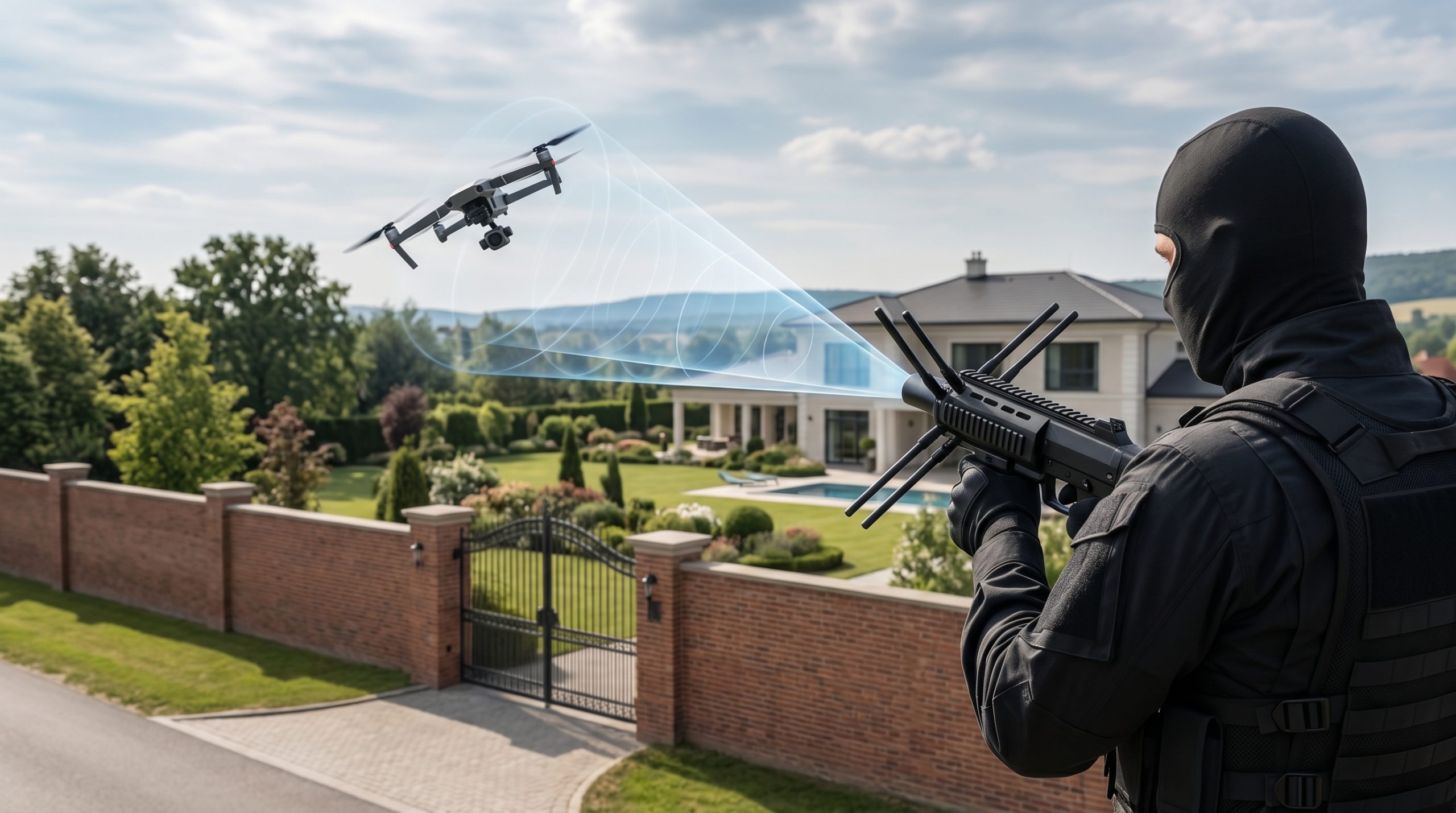
Yes, a portable Drone Gun effectively saves private property by severing rogue communication links instantly. Picture this specific scenario: you enjoy a quiet weekend outdoors. Suddenly, an unknown camera hovers directly above your backyard. Standard security measures cannot stop such aerial intrusions. An optimal solution involves deploying a localized jammer device safely neutralizing overhead threats.
1. What Are Specific UAV Property Risks?
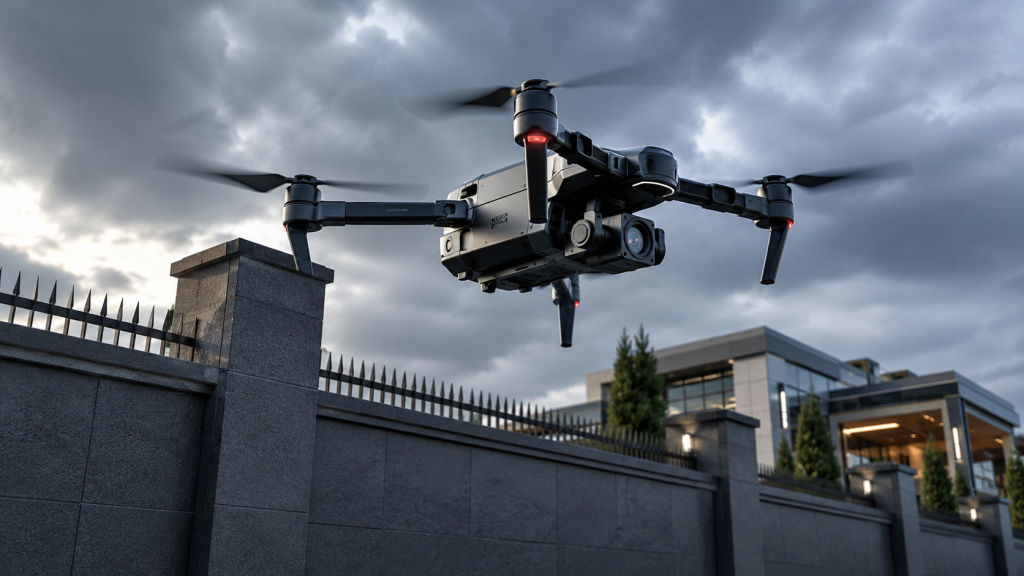
Unregulated UAVs threaten privacy by capturing unauthorized footage and potentially bypassing traditional ground-based security measures completely. Utilizing a reliable Drone Gun mitigates these exact vulnerabilities effectively. Many homeowners fail recognizing aerial surveillance capabilities until a breach happens.
How Severe Are Privacy Breaches?
Modern quadcopters carry high-resolution cameras capable of filming sensitive areas easily. You might be wondering… how much detail they actually capture. A standard 4K lens reads text from hundreds of feet away.
What Physical Threats Exist?
Beyond just filming, rogue devices sometimes carry payloads or crash into fragile structures.
- Property damage from battery fires
- Interference with local wildlife
- Harassment of family members
Key Takeaway: Understanding aerial risks helps you prepare better defense strategies.
| Threat Type | Frequency | Impact Level |
| Surveillance | High | Severe |
| Physical Damage | Low | Moderate |
| Nuisance | Medium | Low |
Analyzing this data shows surveillance remains the most pressing concern for homeowners today.
2. How Does A Drone Gun Function?
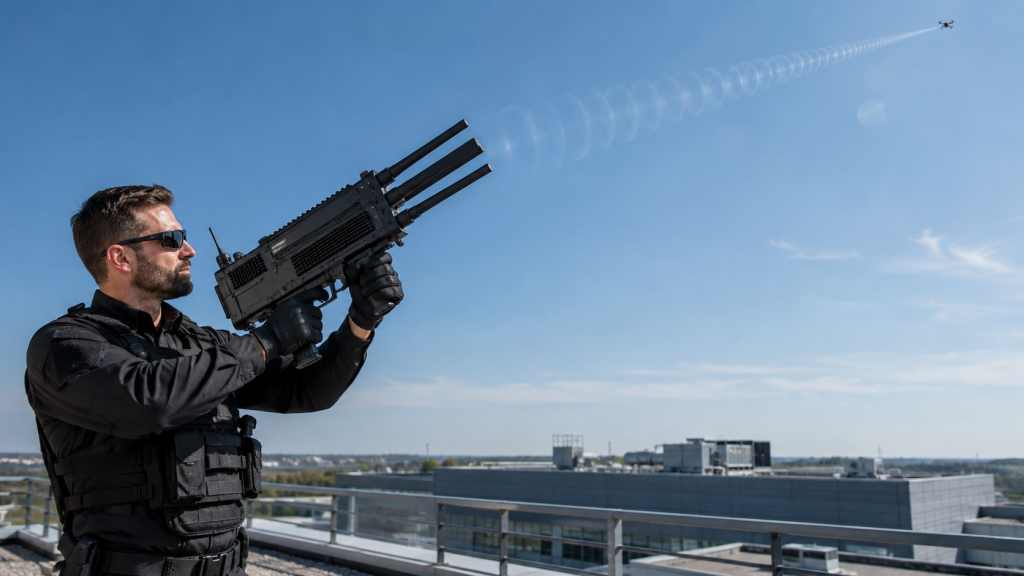
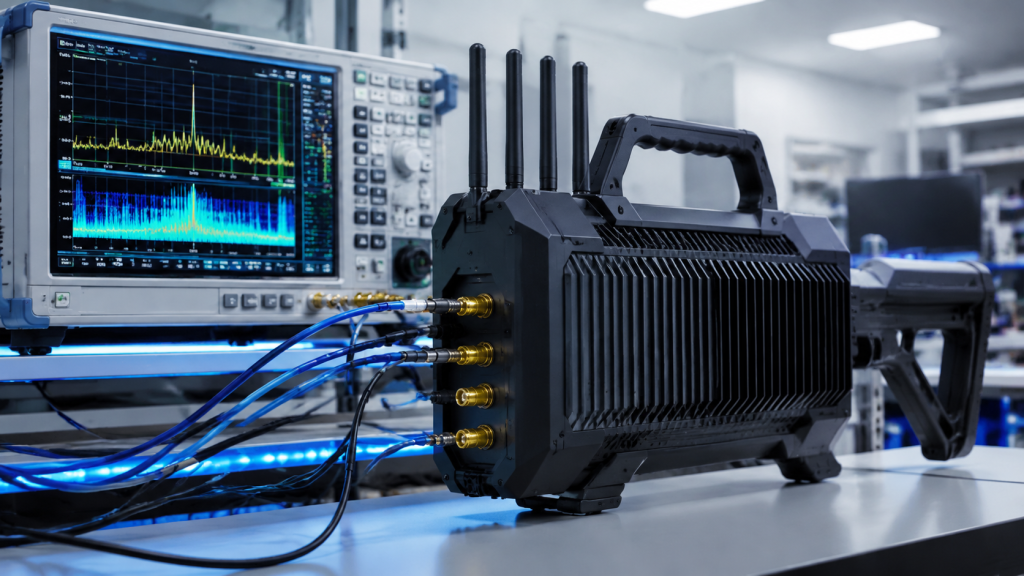
These devices function by blasting targeted radio frequencies that overpower a controller’s original signal. Every modern Drone Gun requires specific high-power amplifiers for achieving this disruption. An operator aims the directional antenna directly at an incoming target.
Do They Destroy The Target?
Most jamming modules do not physically harm incoming flying machines. Instead, they trigger pre-programmed safety protocols like returning home or landing immediately. Here is the real story… no projectiles fire from these units.
What Frequencies Matter Most?
Different bands handle varying protocols perfectly.
- 2.4 GHz for standard video feeds
- 5.8 GHz for advanced telemetry
- GNSS bands for navigation interruption
Key Takeaway: Signal jamming forces a safe, controlled landing rather than a dangerous crash.
| Frequency Band | Primary Use | Effectiveness |
| 2.4 GHz | Commercial Control | High |
| 5.8 GHz | Video Transmission | Very High |
| GNSS | GPS Navigation | Maximum |
Targeting multiple frequency bands simultaneously guarantees a much higher success rate against modern models.
3. Are Drone Guns Legal For Civilians?
Civilian legality varies widely by country, but many jurisdictions strictly prohibit private citizens from operating active signal jammers. However, purchasing a specific Drone Gun often requires government authorization or specialized commercial licensing. Always consult local broadcasting regulations before acquiring any RF disruption hardware.
What Does The FCC Say?
In America, federal law prohibits non-authorized users from actively blocking radio communications. But here is the kicker… certain infrastructure facilities hold special exemptions.
Can You Get Permits?
Private estates rarely qualify for jamming permits under current regulatory frameworks.
- Military installations get automatic approval
- Airports hold specific operational rights
- Private citizens face steep fines
Key Takeaway: Always verify local transmission laws before deploying active RF countermeasures.
| User Category | Legality | Permit Required |
| Military | Fully Legal | No |
| Airports | Restricted | Yes |
| Civilians | Illegal | N/A |
This legal framework clearly restricts active jamming technology primarily toward authorized state organizations.
4. What Features Make The Best Choice?
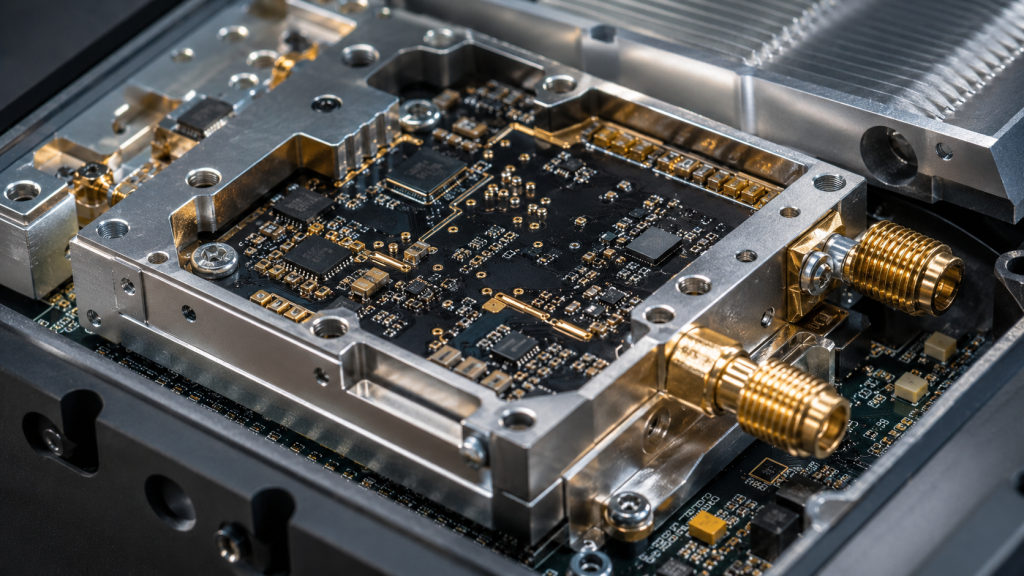
Selecting superior equipment requires examining output power, battery life, and overall frequency coverage. A dependable Drone Gun provides continuous operation without overheating during critical interception moments. High-efficiency GaN amplifiers provide necessary power headroom for these demanding situations.
Why Is Gain Flatness Relevant?
Signal stability across all channels guarantees consistent jamming strength. Ready for the good part? Premium models maintain performance regardless of environmental temperature changes.
Which Ergonomic Details Matter?
Field operators need lightweight designs for rapid deployment scenarios.
- Integrated aluminum heat-sinks
- Balanced weight distribution
- Intuitive trigger mechanisms
Key Takeaway: Prioritizing thermal management guarantees reliable field performance during emergencies.
| Feature | Importance | Benefit |
| GaN Amplifiers | Critical | Sustained Power |
| Light Weight | High | Operator Mobility |
| Multi-band | Critical | Broad Protection |
Evaluating these technical parameters prevents buying underperforming hardware when facing agile aerial targets.
5. Can A Drone Gun Stop All Models?
No single device stops absolutely every flying model because military-grade units often use advanced anti-jamming protocols. Still, a well-engineered Drone Gun easily neutralizes about ninety-five percent of commercially available quadcopters. Custom frequency hopping technologies sometimes evade basic consumer-level jammers.
How Do Swarms Change Things?
Handling multiple targets requires wider beam angles and massive power output. This is where it gets interesting… omnidirectional antennas handle swarms better than directional rifles.
What About Autonomous Flights?
Pre-programmed waypoints present unique challenges.
- GNSS spoofing misdirects pre-programmed routes
- Loss of controller links won’t stop autonomous missions
- Physical capture nets become necessary sometimes
Key Takeaway: Combining RF jamming with optical tracking builds a comprehensive defense shield against diverse threats.
| Threat Type | Jamming Success Rate | Recommended Countermeasure |
| Commercial Quadcopter | 99% | Directional Jammer |
| Autonomous Mission | 40% | GNSS Spoofing |
| Military UAV | Variable | Multi-layered System |
Observing success rates highlights why layered defense systems outperform standalone jamming rifles.
6. How Far Can They Reach?
Effective range depends heavily on output wattage and environmental interference, typically spanning between one and three kilometers. A standard Drone Gun loses effectiveness if large buildings or thick forests block the line of sight.
Does Weather Affect Range?
Heavy rain and thick fog slightly degrade RF signal penetration. Truth be told… clear conditions provide maximum operational distances.
How Does Antenna Gain Help?
Higher gain focuses energy tighter, extending usable disruption distance significantly.
- 10 dBi antennas work for short ranges
- 16 dBi antennas push signals further
- Omni antennas sacrifice range for wider coverage
Key Takeaway: Matching antenna specifications with your terrain dictates actual engagement distances.
| Environmental Factor | Range Impact | Signal Degradation |
| Clear Sky | Minimal | 0% |
| Heavy Rain | Moderate | 15% |
| Dense Urban | Severe | 40% |
Urban environments dramatically reduce operational range due to overwhelming background signal noise.
7. What Are Reliable Alternatives?
If active signal disruption proves illegal locally, physical capture methods offer viable property protection options. While a traditional Drone Gun uses invisible waves, net-firing bazookas physically entangle offending rotors safely.
Are Laser Systems Practical?
Directed energy weapons burn through critical components quickly. You may be wondering… if civilians can buy these. Military regulations heavily restrict high-power laser deployments worldwide.
What About Trained Birds?
Some security firms use eagles for taking down small quadcopters.
- Eagles intercept targets silently
- Training requires immense time investments
- Birds only handle lightweight models safely
Key Takeaway: Exploring physical interception techniques gives you options when RF disruption remains legally prohibited.
| Alternative Method | Legality | Effectiveness |
| Net Guns | High | Medium |
| Lasers | Low | High |
| Avian Interceptors | Medium | Low |
Alternative interception methods lack the immediate widespread reliability found in electronic warfare solutions.
8. How Do You Maintain Equipment?
Routine maintenance involves checking battery health, inspecting antenna connections, and updating digital signal source firmware. Keeping your Drone Gun inside a climate-controlled case prevents moisture from damaging sensitive internal RF modules.
Why Is Battery Health Critical?
Lithium cells degrade over time, reducing maximum output duration. Listen closely… failing batteries cause sudden power drops during active engagements.
How Often Should You Test?
Regular diagnostic checks verify amplifier performance.
- Perform monthly visual inspections
- Run quarterly output power tests
- Calibrate frequency modules annually
Key Takeaway: Consistent maintenance routines guarantee your hardware performs flawlessly when unexpected intrusions occur.
| Component | Maintenance Frequency | Action Required |
| Batteries | Monthly | Charge Cycling |
| Antennas | Quarterly | Connector Cleaning |
| Firmware | Annually | System Update |
Scheduled upkeep drastically extends the lifespan of expensive high-frequency amplification modules.
9. Will They Interfere With Local Wi-Fi?
Yes, activating disruption bands will likely drop nearby civilian wireless internet connections temporarily. Because a standard Drone Gun blasts common 2.4GHz and 5.8GHz frequencies, routers within the beam path stop working.
Does It Break Your Devices?
Jamming only drowns out signals; it does not physically break your television or smartphone. Here is the deal… once that trigger releases, normal internet traffic resumes immediately.
Can You Shield Your Network?
Directional antennas minimize collateral interference compared to omnidirectional antennas.
- Aim away from main residential buildings
- Use wired ethernet for critical security cameras
- Select narrow beam-width hardware
Key Takeaway: Proper aiming prevents accidentally knocking your own smart home devices offline during use.
| Device Type | Interference Risk | Recovery Time |
| Smart TV (Wi-Fi) | High | Instant |
| Wired PC | None | N/A |
| Bluetooth Audio | High | Instant |
Wired infrastructure remains completely immune to airborne radio frequency interference attacks.
10. Is This Investment Truly Worth It?
Investing heavily makes sense for high-net-worth individuals facing persistent corporate espionage or celebrity stalking threats. A reliable Drone Gun costs several thousand dollars, representing a significant capital expenditure for casual homeowners.
How Do You Calculate ROI?
Measure the value of stolen intellectual property against equipment costs. What is the real story? One prevented corporate leak pays for that hardware ten times over.
Who Actually Needs These?
Not everyone requires military-grade protection systems.
- VIPs requiring extreme privacy
- Data centers protecting physical infrastructure
- Prisons stopping contraband deliveries
Key Takeaway: Assessing your true threat level determines if high-end electronic countermeasures justify their price tag.
| Threat Profile | Recommendation | Investment Level |
| Casual Hobbyists | Avoid | Zero |
| VIP Estates | Recommended | Moderate |
| Critical Infrastructure | Mandatory | High |
Matching your security budget with actual threat realities prevents overspending on unnecessary tactical hardware.
Implementing robust counter-UAV measures protects sensitive locations from unprecedented modern aerial threats effectively. We engineer military-grade RF chains ensuring you maintain absolute control over your local airspace. Please contact us today if you demand unwavering electromagnetic superiority. We build the core modules powering tomorrow’s defense systems.
FAQ
Q1: Can I buy these devices legally?
Private citizens generally cannot purchase active jammers legally without special government authorization. Federal communication laws strictly regulate radio frequency transmission.
Q2: What’s the best frequency to jam?
Targeting 2.4 GHz and 5.8 GHz yields maximum effectiveness against commercial quadcopters. Most consumer models rely entirely on these specific bands for video feeds.
Q3: How do I know if my area is targeted?
Unexplained hovering noises or flashing LED lights at night often indicate unauthorized surveillance. High-value estates frequently experience these probing flights before physical breaches occur.
Q4: Can I build my own jammer?
Constructing homemade RF disruption equipment violates federal law and creates severe safety hazards. Improperly tuned amplifiers frequently cause dangerous out-of-band interference.
Q5: What’s the best way to detect them?
Installing dedicated RF scanning receivers provides early warning alerts before a visual sighting happens. These passive scanners identify controller handshakes miles away.