
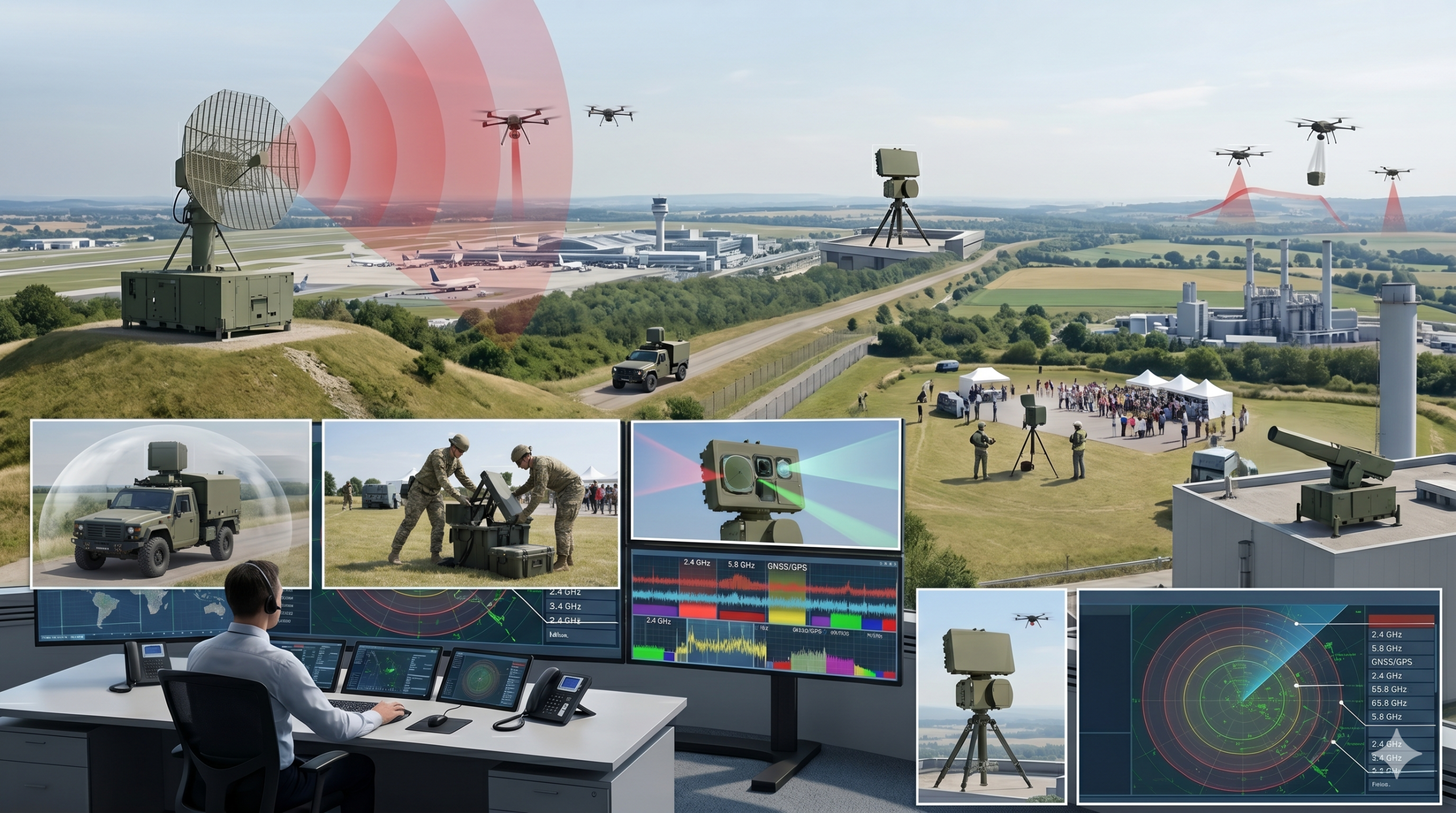
The top 5 long range drone jammers in 2025 include elite systems like the Guardian LR-5000, Chimera X, and DroneCannon XL, which provide decisive airspace control at distances exceeding 5 kilometers. Unregulated UAVs are increasingly used for corporate espionage and security breaches, threatening the privacy of your sensitive operations. If a rogue pilot bypasses your perimeter, the loss of data or physical safety could be catastrophic for your organization. This is why you must invest in professional Drone Jammers to neutralize threats before they reach your critical infrastructure.
What is a long range drone jammer?
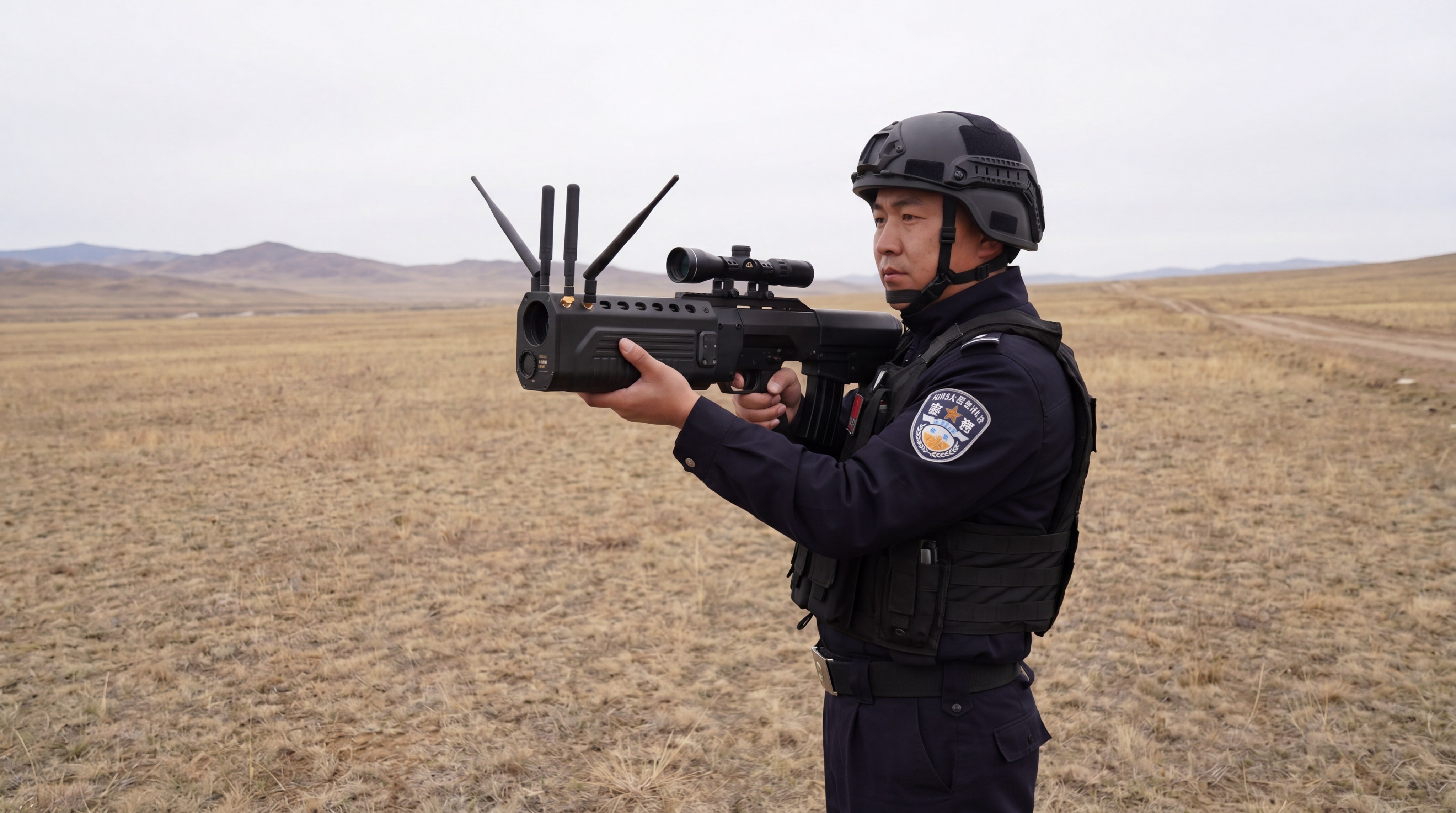
A long range drone jammer is a high-power electronic warfare device designed to disrupt the radio frequency links of unmanned aerial vehicles from several kilometers away. These Drone Jammers work by emitting a concentrated “noise” signal that overpowers the drone’s connection to its operator or navigation satellites.
Here is the deal: without these devices, a modern drone can fly for miles autonomously while capturing high-definition footage of your site. By using specialized interference technology, you can force these intruders to land or return to their point of origin.
How do signals get disrupted?
The jamming process targets specific frequencies used by consumer and military drones, such as 2.4 GHz and 5.8 GHz. When the signal is saturated, the drone loses its command link, effectively becoming “blind” to its pilot’s instructions.
What is the typical effective radius?
In 2025, a system is only considered “long range” if it can reach at least 5 kilometers under standard conditions. Top-tier models can extend this reach to 20 kilometers, providing a massive safety buffer for airports and borders.
| Feature | Description |
|---|---|
| Primary Goal | Signal Disruption |
| Common Range | 5 km – 20 km |
| Frequencies | 2.4GHz, 5.8GHz, GNSS |
The data shows that long range capabilities are essential for modern defense-in-depth strategies.
Key Takeaway: You need a long range solution to ensure that drones are neutralized long before they can transmit sensitive data or drop payloads on your property.
Why is range critical for airspace safety?
Range is critical because it provides security teams with the necessary reaction time to identify and mitigate high-speed aerial threats. Standard Drone Jammers with short reach often leave you vulnerable to drones that are already too close to stop effectively.
Think about it: a drone traveling at 60 miles per hour can cover a kilometer in less than a minute. If your defense system only works at close range, you have almost no time to react to a sudden breach.
Can long range prevent payload delivery?
- Yes, by stopping drones miles away, you ensure any hazardous payloads are dropped in safe zones.
- Early disruption prevents the drone from reaching its target coordinates.
- It minimizes the risk of collateral damage near your personnel.
Improving situational awareness
Long range systems often integrate with radar to provide a complete picture of the sky. This allow you to see threats coming from the horizon and engage them immediately.
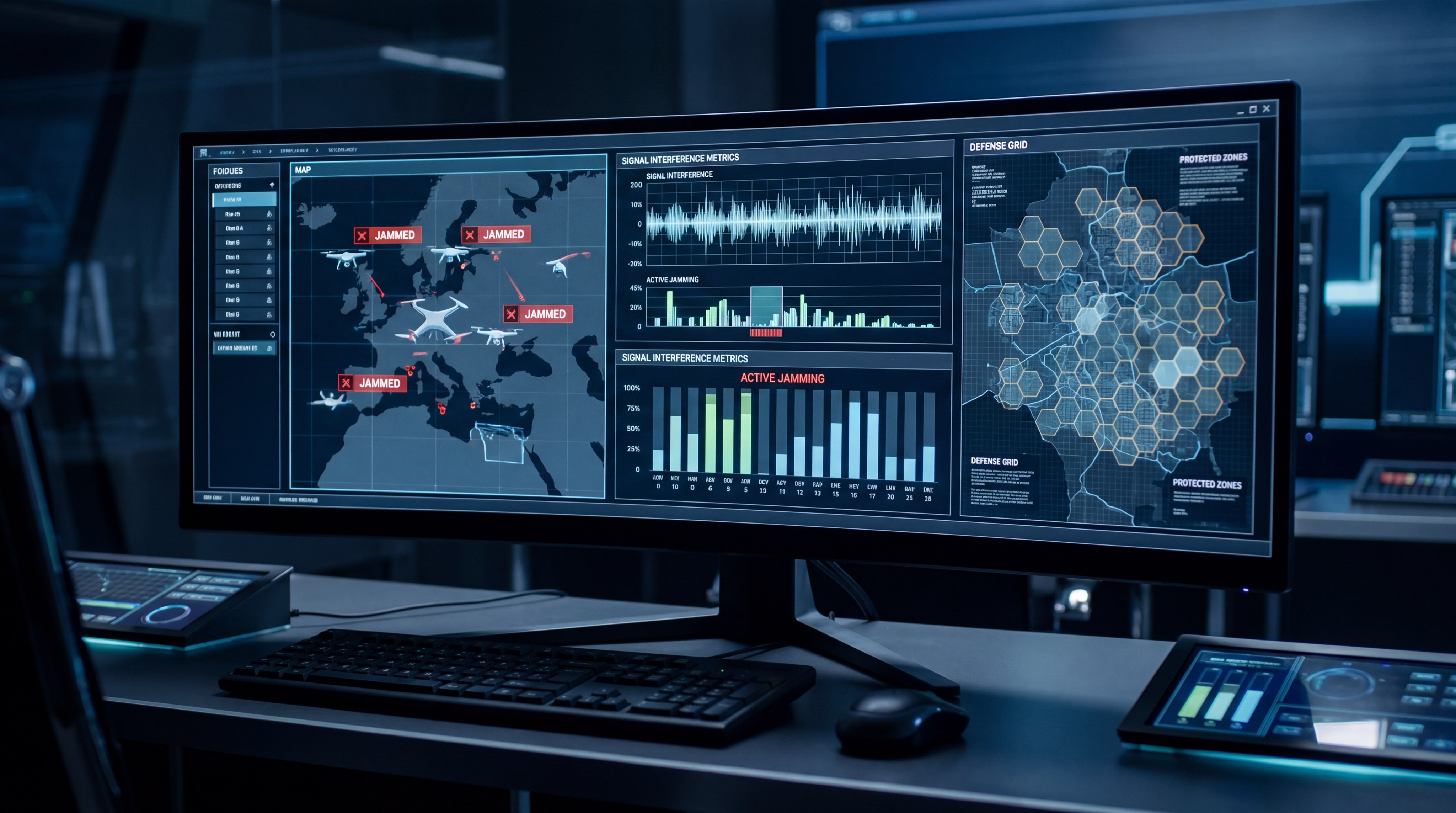
| Metric | Short Range | Long Range |
|---|---|---|
| Reaction Time | < 30 seconds | > 5 minutes |
| Safety Buffer | Minimal | Extensive |
The comparison illustrates how extended range shifts the advantage back to the security operator.
Key Takeaway: Extending your defensive perimeter is the only way to stay ahead of increasingly fast and autonomous drone technology.
How does the Guardian LR-5000 perform?
The Guardian LR-5000 is currently the industry leader for distance, offering a massive 20-kilometer disruption radius for strategic defense. These Drone Jammers are specifically engineered for fixed installations where wide-area coverage is non-negotiable.
The best part? This system outputs 500W of power across multiple bands, making it nearly impossible for a drone to maintain a connection once it enters the zone.
Is the 20 km range realistic?
The 20 km range is achieved through high-gain directional antennas that focus energy precisely toward the horizon. This makes it a perfect fit for national border security and massive industrial complexes.
What bands are covered by this model?
- 433 MHz and 900 MHz for long-range control.
- 1.2 GHz and 1.5 GHz for GNSS/GPS navigation.
- 2.4 GHz and 5.8 GHz for standard video feeds.
| Specification | Guardian LR-5000 |
|---|---|
| Max Range | 20 Kilometers |
| Output Power | 500 Watts |
| Best For | Borders & Airports |
The Guardian LR-5000 sets the benchmark for what high-wattage jamming systems can achieve in 2025.
Key Takeaway: If your mission involves protecting vast stretches of land or critical national infrastructure, the LR-5000 provides the most reliable long-distance shield available.
Is the CerbAir Chimera X good for convoys?
The CerbAir Chimera X is an excellent choice for mobile protection, offering a 15-kilometer range in a format that can be mounted on vehicles. These Drone Jammers provide a moving bubble of safety for VIPs or high-value logistics units.
Bottom line: you cannot protect a moving target with fixed systems, so the Chimera X fills a vital gap in modern tactical security operations.
How does it handle mobile deployment?
The system uses ruggedized components that can withstand the vibrations and environmental stress of vehicle movement. It ensures that your protective shield remains active even while traveling at highway speeds.
Does it offer 360-degree protection?
- While primarily directional for range, it can be configured with omnidirectional arrays.
- You can switch modes depending on whether you are tracking a specific threat or providing general cover.
- The unit integrates seamlessly with mobile command centers.
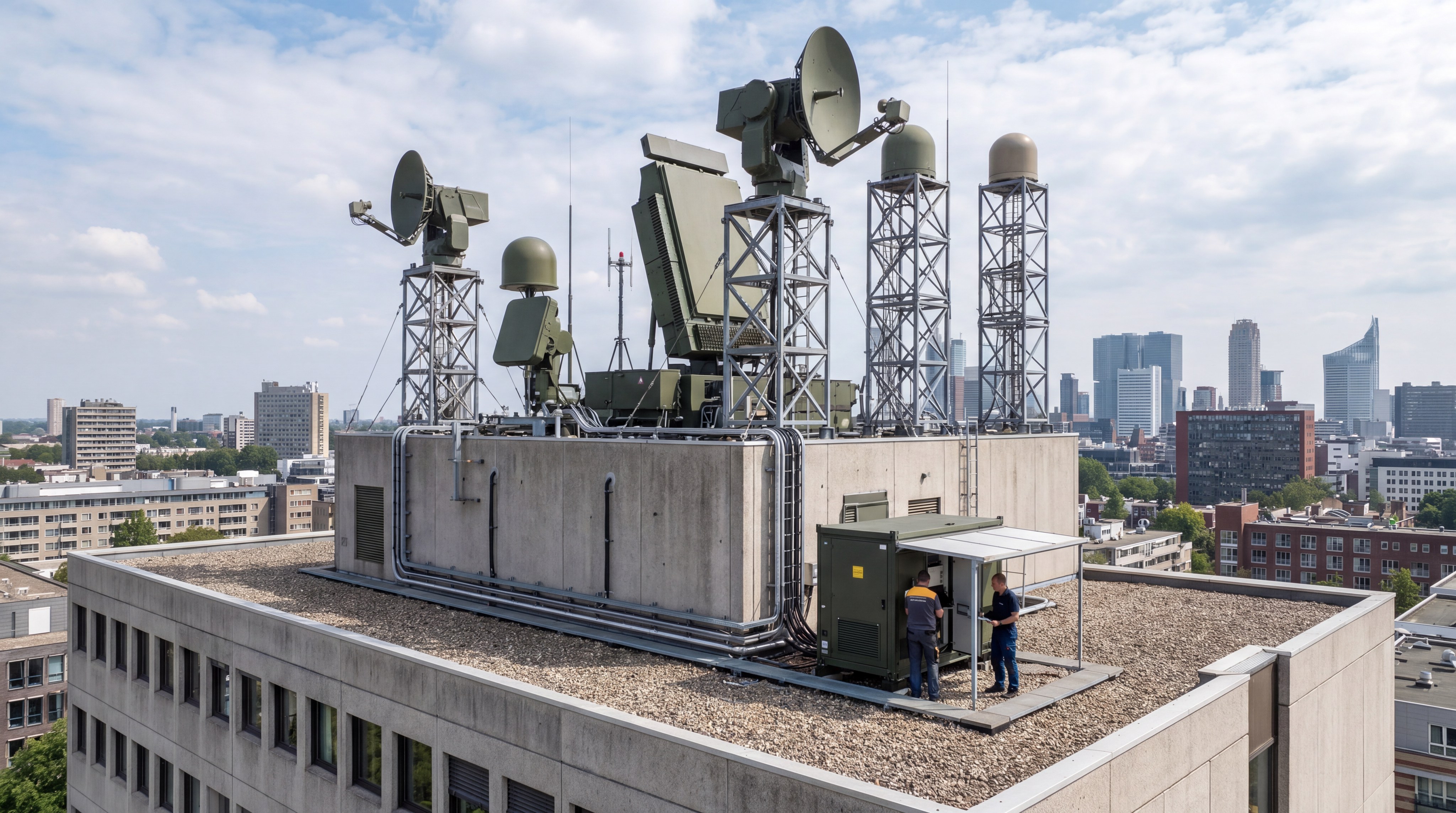
| Feature | Chimera X Detail |
|---|---|
| Range | 15 Kilometers |
| Mobility | Vehicle-Mounted |
| Deployment | Rapid Response |
The Chimera X combines the power of a fixed system with the flexibility of a mobile unit for versatile defense.
Key Takeaway: Choose the Chimera X when you need high-power jamming that can move with your assets across diverse terrains.
What makes Dedrone DefendAir Max portable?
The Dedrone DefendAir Max is unique because it offers a 10-kilometer range in a package that can be deployed by a two-person team in minutes. These Drone Jammers are designed for rapid response at temporary events or emergency scenes.
In other words: you get elite performance without the need for permanent concrete foundations or heavy industrial wiring.
How fast can you set it up?
Most teams can have the DefendAir Max fully operational in under ten minutes. This agility is perfect for law enforcement agencies that need to secure a crime scene or a public gathering on short notice.
Is the power sufficient for its size?
The device utilizes advanced GaN (Gallium Nitride) technology to pack 300W of output into a relatively small chassis. This allows you to maintain a strong signal over several miles without a massive footprint.
| Advantage | Benefit |
|---|---|
| Weight | Man-portable components |
| Range | 10 Kilometers |
| Power Source | Battery or Generator |
The DefendAir Max proves that you don’t have to sacrifice range for portability in the current market.
Key Takeaway: You should opt for the DefendAir Max if your security requirements change frequently and demand a “plug-and-play” long-range solution.
Does Blighter AUDS-LR detect and jam?
The Blighter AUDS-LR is a sophisticated all-in-one system that combines electronic scanning radar with high-power Drone Jammers. This dual-purpose capability ensures that you are not just blindly jamming, but targeting threats with surgical precision.
Keep in mind: jamming is most effective when it is directed at a known target, and the AUDS-LR automates this entire detect-and-defeat cycle for you.
What are the radar benefits?
The integrated radar can pick up small drones from 10 kilometers away, even in cluttered environments. Once a threat is confirmed, the system automatically slews the jammer to the correct heading.
Can it track multiple targets?
- The system can track dozens of targets simultaneously across the horizon.
- It prioritizes threats based on their speed and proximity to your site.
- Automated hand-off to the jammer reduces the burden on your security staff.
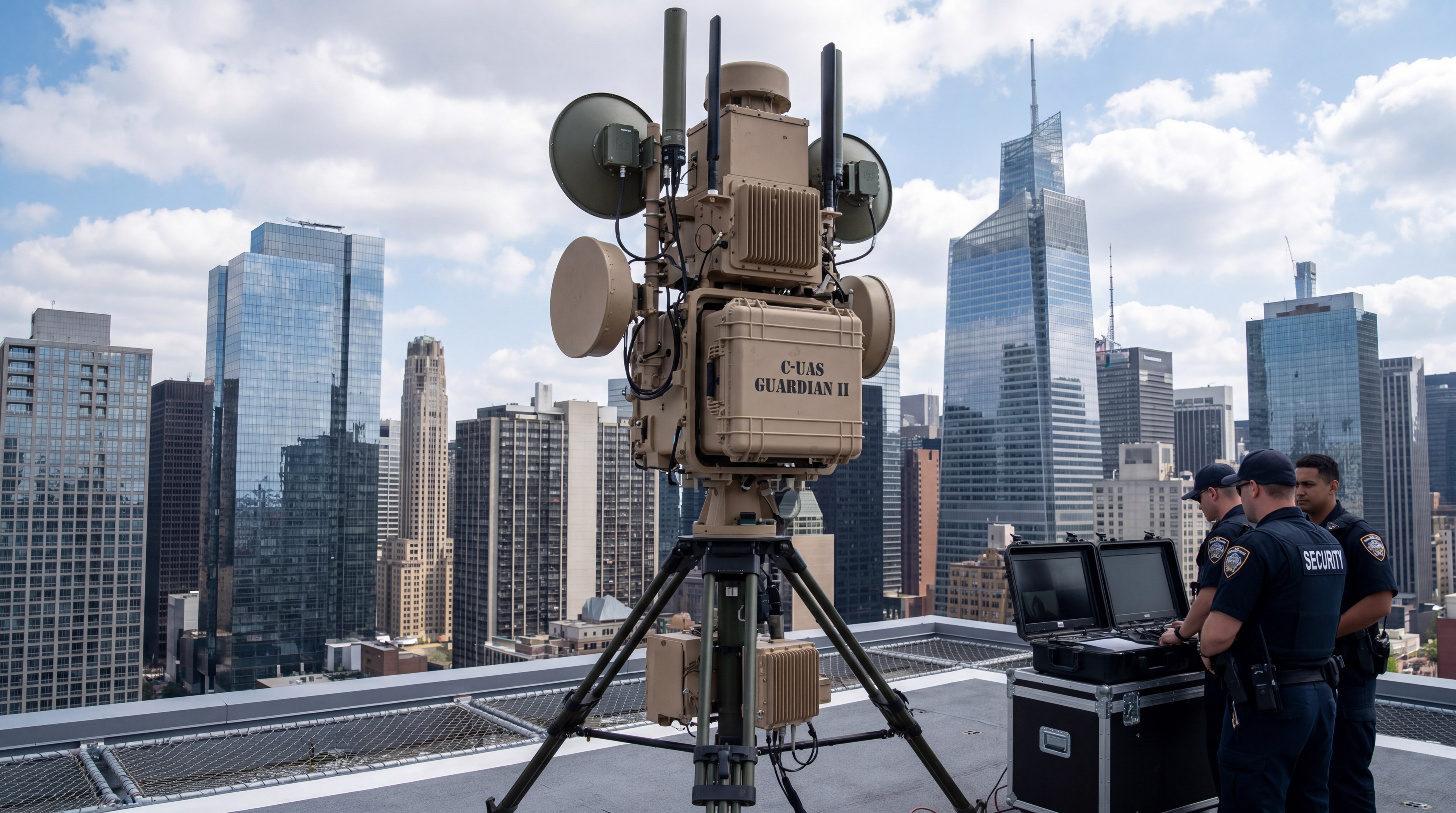
| Component | Function |
|---|---|
| Radar | Detection & Tracking |
| EO/IR | Visual Identification |
| Jammer | Signal Neutralization |
The integration of these three components creates a highly efficient “kill chain” for aerial intruders.
Key Takeaway: The AUDS-LR is the best option for users who want an automated system that handles both detection and jamming in a single interface.
Can DroneCannon XL cover static sites?
The DroneCannon XL is the premier choice for 360-degree protection of static facilities like power plants and data centers. These Drone Jammers use high-gain omnidirectional antennas to create a 5-kilometer “no-fly zone” in every direction.
Here is the deal: while some jammers require you to point them at the drone, the DroneCannon XL provides constant, passive protection for your entire perimeter.
Why choose 360-degree coverage?
In urban environments, drones can approach from any angle, often hiding behind buildings until the last moment. An omnidirectional system ensures there are no blind spots in your defense.
Is it built for 24/7 operation?
The XL model is designed with advanced cooling systems and weatherproofing for permanent outdoor installation. It can run continuously for years with minimal maintenance, providing peace of mind for site managers.
| Spec | DroneCannon XL |
|---|---|
| Coverage | 360° Omnidirectional |
| Range | 5 Kilometers |
| Durability | IP67 Weatherproof |
The DroneCannon XL simplifies facility defense by removing the need for manual tracking or complex aiming.
Key Takeaway: For permanent facility protection where threats can come from any direction, the DroneCannon XL offers the most reliable “set-and-forget” coverage.
How do you choose the right frequency?
Choosing the right frequency involves matching your jammer’s output to the specific bands used by the drones you are most likely to encounter. Most professional Drone Jammers in 2025 come with modular frequency cards to allow for future-proofing.
Think about it: as drone manufacturers release new models, they often shift frequencies to avoid common interference, meaning your system must stay adaptable.
Are consumer bands enough?
Most off-the-shelf drones use 2.4 GHz and 5.8 GHz, but professional espionage units may use custom 900 MHz or 1.2 GHz links. You need a multi-band system to ensure you aren’t bypassed by a “frequency hopper.”
Why jam GNSS/GPS?
- Many drones use GPS to return home or fly to pre-set waypoints.
- Jamming the 1.5 GHz band causes the drone to lose its orientation.
- This prevents autonomous missions that don’t rely on a live radio controller.
| Band | Typical Usage |
|---|---|
| 2.4 GHz | Standard WiFi Control |
| 5.8 GHz | High-Def Video Feed |
| GNSS/L1 | Satellite Navigation |
The table highlights why a comprehensive frequency approach is necessary for total airspace denial.
Key Takeaway: Always select a jammer that covers at least five bands to ensure you are protected against both consumer and custom-built drone threats.
What are the legal rules for jammer use?
The legal rules for using Drone Jammers are strict and typically vary by country, often requiring specific military or government authorization. In the United States, for example, the FCC and FAA have very clear guidelines on who can operate high-power RF equipment.
The truth is: jamming signals can inadvertently interfere with legitimate communications like emergency services or cellular networks. You must ensure you are fully compliant before activating any long-range system.
Who is authorized to use them?
Typically, authorization is granted to federal agencies, military units, and certain critical infrastructure operators. Private individuals are usually prohibited from using these devices due to public safety risks.
What are the penalties for misuse?
Operating an unauthorized jammer can lead to massive fines and the seizure of the equipment. It is essential to work with a reputable provider who can help you navigate the licensing process for your specific region.
| Entity | Typical Authorization |
|---|---|
| Military | Full Usage (Tactical) |
| Government | Authorized (Security) |
| Private | Highly Restricted |
Understanding these categories will help you determine the feasibility of a jammer deployment for your organization.
Key Takeaway: You must consult with legal counsel and your local regulatory body before purchasing or deploying any high-power jamming equipment.
How do swarms impact counter-drone tech?
Drone swarms impact counter-drone tech by attempting to overwhelm defense systems through sheer numbers and coordinated movement. Standard Drone Jammers may struggle if they are only designed to track one target at a time.
Bottom line: 2025’s long-range systems are evolving to include “wide-beam” jamming modes that can saturate an entire area to drop an entire swarm at once.
Can one jammer stop a swarm?
A single high-power jammer with a wide-angle antenna is often enough to disrupt a swarm if they are using the same control frequencies. The concentrated RF energy creates a “dead zone” that no drone in the group can penetrate.
The future of swarm defense
- AI-driven signal analysis to identify swarm patterns.
- Cognitive jamming that adapts in real-time to frequency changes.
- Networked jammers that share data to create a seamless wall of interference.
| Threat Type | Defense Strategy |
|---|---|
| Single Drone | Directional Jamming |
| Small Group | Sector Jamming |
| Large Swarm | Wide-Area Saturation |
This hierarchy shows how defense tactics must scale alongside the complexity of the aerial threat.
Key Takeaway: To defend against the future of coordinated drone attacks, you need systems capable of wide-area disruption rather than just point-to-point engagement.
*
Conclusion
In 2025, the threat from unauthorized UAVs has evolved from a nuisance to a significant security risk for global enterprises and governments. We have explored how long-range systems like the Guardian LR-5000 and the AUDS-LR solve the critical problem of reaction time by extending your defensive perimeter up to 20 kilometers. Our mission is to provide you with the most advanced RF interference technology to ensure your private airspace remains truly secure. The future of security lies in proactive, multi-layered defense that anticipates threats long before they reach your doorstep. If you are ready to secure your facility against the next generation of aerial intruders, contact us today for a professional consultation.
Frequently Asked Questions
Can I legally use a drone jammer on my private property?
Usually, the answer is no for private individuals. In most jurisdictions, only government, military, or authorized critical infrastructure agencies can legally operate jamming equipment due to potential interference with public safety signals.
What is the best jammer for a large international airport?
The best choice is typically a fixed, high-power system like the Guardian LR-5000 combined with integrated radar. These systems provide the 20 km range necessary to protect approach and departure paths for commercial aircraft.
Can a drone jammer stop a drone that doesn’t use GPS?
Yes, it can. While GPS jamming is a common tactic, professional jammers also target the 2.4 GHz and 5.8 GHz control frequencies, forcing the drone to lose its link with the pilot regardless of its satellite connection.
How does weather impact long-range jamming performance?
Generally, heavy rain or thick fog can slightly reduce the effective range of RF signals. However, high-power systems are designed with enough “link margin” to maintain effective disruption even in adverse environmental conditions.
What happens to a drone when it gets jammed?
Most drones will either perform a “Return to Home” maneuver, hover in place until the battery dies, or initiate an emergency landing. The exact behavior depends on the drone’s internal safety programming and the bands being jammed.