

What defines an RF power amplifier’s performance?
Understanding RF amplifiers requires a deep dive into four critical parameters: gain, noise figure, linearity, and efficiency, which collectively determine signal quality. You likely face the challenge of weak signal strength or distorted data during long-distance transmissions, which compromises your entire communication link. It is frustrating to see expensive hardware underperform because the RF Power Amplifier is not matched to the specific technical demands of the environment. Our comprehensive analysis provides the solution by breaking down these complex specifications so you can optimize your system design with confidence.
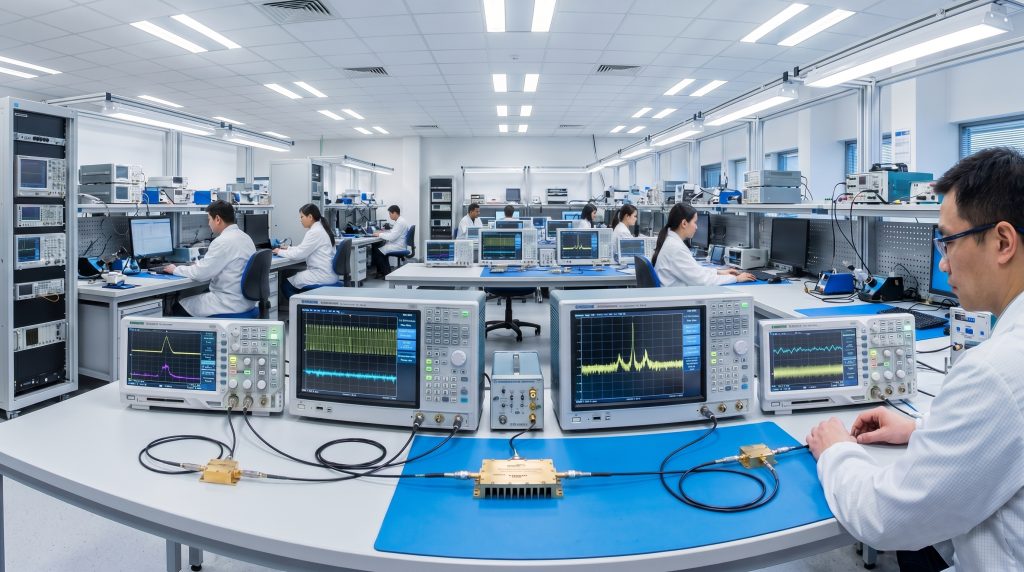
What are the fundamental metrics?
You need to look at more than just the output power when selecting a unit for your project. The interaction between internal components determines how well the system handles various modulations.
Look:
- Frequency range coverage.
- Input and output impedance matching.
- Operating voltage requirements.
Here is the deal: if you ignore the secondary parameters, you risk system failure under real-world stress.
Key Takeaway
Every high-performance system begins with a clear understanding of the baseline metrics that govern signal amplification and hardware stability.
How does gain impact your signal strength?
Gain is the fundamental measure of amplification that quantifies the ratio of output power to input power, typically expressed in decibels. When you integrate an RF Power Amplifier into your system, the gain determines how much the signal is “boosted” to overcome path loss. Higher gain is essential for long-range communication where signal attenuation is a significant hurdle.
Can you have too much gain?
While high gain sounds ideal, it must be balanced against the potential for system oscillation or signal saturation. If your gain is too high for the input stage, you will experience clipping and loss of data integrity.
Think about it:
- High gain improves link budget.
- Excessive gain increases thermal noise.
- Fixed vs. variable gain options.
The kicker is that you must match the gain to your specific receiver’s sensitivity to avoid overloading the front end.
Key Takeaway
Optimal gain provides enough signal strength to reach the destination while remaining low enough to prevent distortion and hardware damage.
| Parameter | Impact on System | Typical Unit |
|---|---|---|
| Gain | Signal Magnitude | dB |
| Input Power | Driving Level | dBm / Watts |
| Output Power | Transmit Range | dBm / Watts |
Review the technical breakdown below.
Why is noise figure critical for signal integrity?
The noise figure of an RF power amplifier measures the degradation of the signal-to-noise ratio as the signal passes through the device. This metric is paramount because any noise added by the amplifier directly reduces the clarity of your transmitted data. A lower noise figure signifies that the hardware is maintaining a high-fidelity signal path.
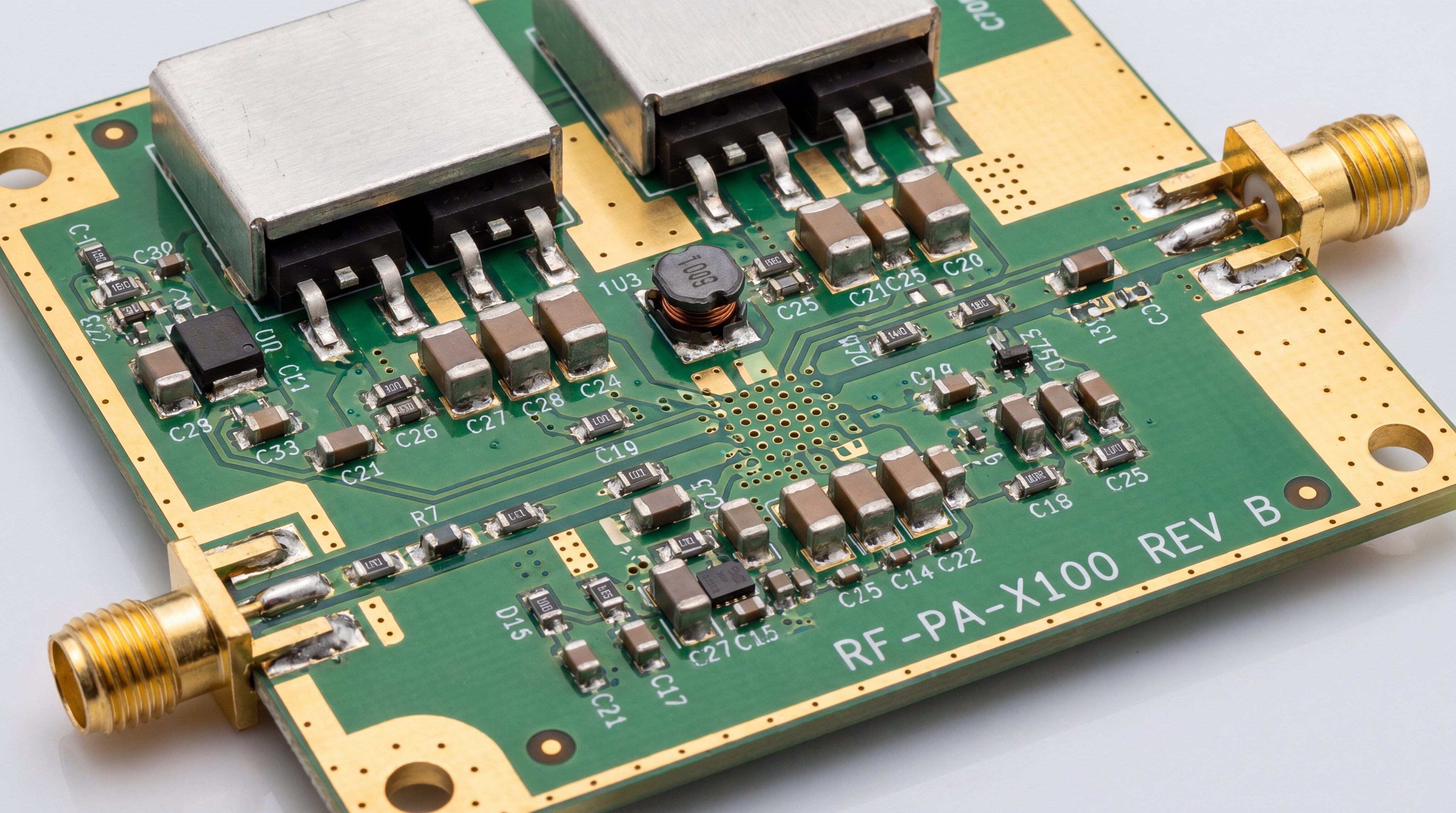
Is low noise always necessary?
In sensitive applications like satellite communications or radar, even a tiny increase in noise can make a signal unreadable. You must prioritize low-noise designs when working with low-power inputs that are close to the noise floor.
Here is the deal:
- Low noise enables longer detection ranges.
- It reduces the bit error rate (BER).
- Crucial for high-frequency receivers.
But wait, there’s more: noise figure is often a trade-off with high power output, requiring careful engineering selection.
Key Takeaway
Protecting signal integrity requires selecting components that introduce minimal electronic noise to ensure the receiver can accurately decode information.
| Metric | High Noise Impact | Low Noise Benefit |
|---|---|---|
| SNR | Reduced range | Enhanced clarity |
| BER | Increased errors | Reliable data |
| Sensitivity | Poor detection | Precision tracking |
Review the technical breakdown below.
What role does linearity play in signal purity?
Linearity refers to the amplifier’s ability to provide a consistent output that is a faithful, linear representation of the input signal. In modern communications using complex modulation, a non-linear RF Power Amplifier can cause spectral regrowth and intermodulation distortion. This distortion bleeds into adjacent channels, causing interference and violating regulatory standards.
Why does distortion happen?
When an amplifier is driven into its saturation region, it can no longer increase output power linearly with input power. This results in signal compression, where the peaks of your waveform are flattened, destroying the encoded data.
Look:
- P1dB (1dB Compression Point).
- IP3 (Third-Order Intercept Point).
- Harmonic distortion levels.
Think about it: without linearity, your high-speed data stream becomes a chaotic mess of electronic noise.
Key Takeaway
Maintaining linearity ensures that your signal remains within its assigned bandwidth and preserves the intricate phase and amplitude data of modern modulations.
| Parameter | Definition | Importance |
|---|---|---|
| P1dB | Power at 1dB compression | Saturation limit |
| IP3 | Theoretical intercept point | Non-linear metric |
| Harmonics | Multiples of fundamental | Regulatory compliance |
Review the technical breakdown below.
How does efficiency affect thermal management?
Efficiency is the ratio of the RF output power to the total DC power consumed by the device, which directly impacts heat generation. An inefficient RF power amplifier wastes energy as heat, requiring bulky cooling systems and increasing operational costs. For portable or remote installations, high efficiency is the difference between a successful mission and a thermal shutdown.
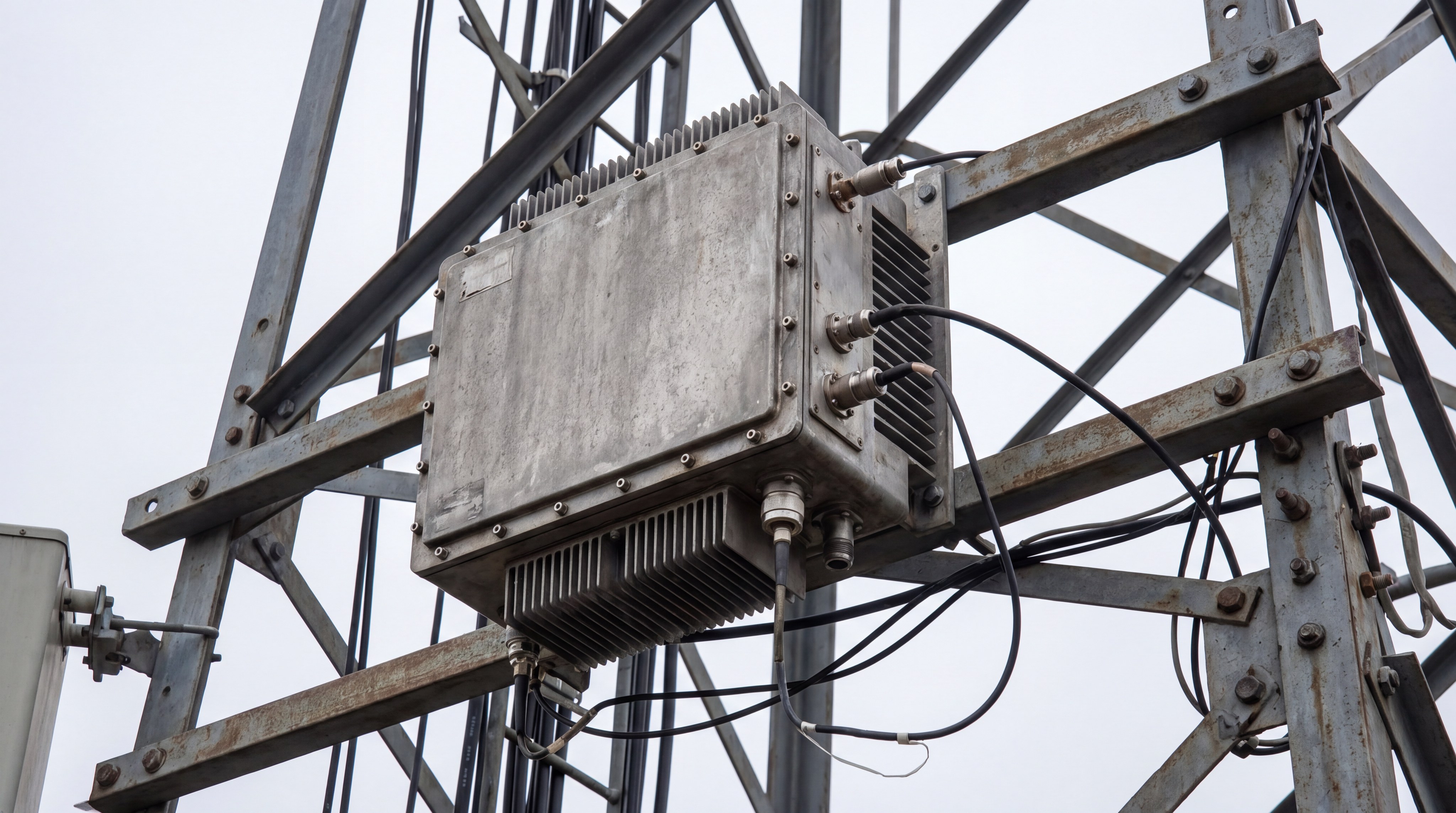
Can efficiency save your hardware?
High efficiency reduces the thermal stress on internal transistors, which significantly extends the Mean Time Between Failures (MTBF). If you can keep the temperatures low, you ensure the long-term reliability of the entire communication system.
The deal is this:
- Reduced power consumption.
- Smaller heat sinks required.
- Longer battery life for mobile units.
The kicker is that as you move to higher frequencies, maintaining high efficiency becomes exponentially more difficult for designers.
Key Takeaway
Prioritizing efficiency allows for smaller, more reliable system footprints while minimizing the energy required to maintain a robust signal.
| Type | Typical Efficiency | Heat Output |
|---|---|---|
| Class A | Low (20-30%) | Very High |
| Class AB | Moderate (40-60%) | Moderate |
| Class D/E/F | High (70%+) | Low |
Review the technical breakdown below.
What are the benefits of pulsed operation?
Pulsed operation allows an RF Power Amplifier to deliver extremely high peak power for short durations without overheating the internal components. This mode is widely used in radar and medical imaging where high-energy bursts are required followed by periods of rest. By focusing energy into specific time slots, you can achieve performance levels that continuous-wave systems cannot match.
Why choose pulsed over CW?
Pulsed systems offer significant advantages in thermal management because the “off” time allows the semiconductor junctions to cool down between pulses. This enables you to use smaller form factors while still achieving massive peak output levels.
Think about it:
- Lower average power consumption.
- Higher peak-to-average power ratio (PAPR).
- Duty cycle management is key.
Look: if you need high power but have limited space for cooling, pulsed operation is your best friend.
Key Takeaway
Pulsed amplifiers are the ideal choice for applications requiring high-intensity signal bursts where size, weight, and thermal limits are primary constraints.
| Pulse Metric | Description | Significance |
|---|---|---|
| Pulse Width | Duration of “on” time | Energy per pulse |
| Duty Cycle | Ratio of on vs off | Thermal load |
| Rise Time | Speed of activation | Signal precision |
Review the technical breakdown below.
Why is VSWR important for system protection?
Voltage Standing Wave Ratio (VSWR) indicates how well the amplifier’s output is matched to the connected load, such as an antenna. If the impedance is mismatched, power is reflected back into the RF power amplifier, which can cause catastrophic damage to the output transistors. Monitoring VSWR is your first line of defense against cable failures or antenna damage in the field.
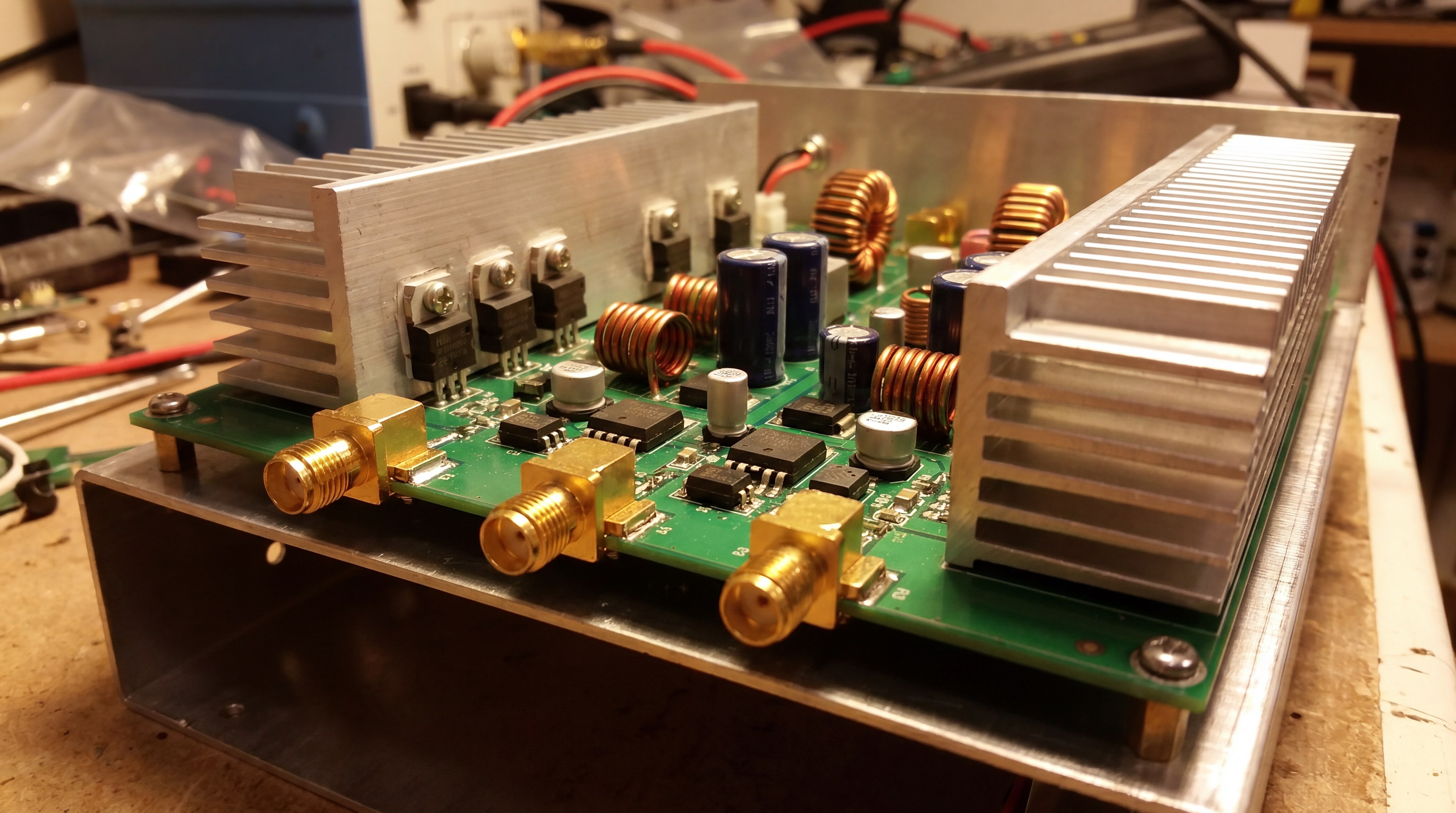
How do you mitigate reflections?
Modern high-power systems often include internal protection circuits that “fold back” or reduce power when a high VSWR is detected. You should always ensure your system is rated for the specific load conditions it will encounter in the field.
Here is the deal:
- VSWR 1:1 is a perfect match.
- High VSWR causes heat buildup.
- Reflections can distort signal phase.
The kicker is that even a perfectly designed amplifier can be destroyed by a poorly installed or damaged coaxial cable.
Key Takeaway
Proactive VSWR management protects your hardware investment and ensures that the maximum amount of power is actually transmitted to the air.
| VSWR Ratio | Reflected Power | Status |
|---|---|---|
| 1.0:1 | 0% | Ideal |
| 1.5:1 | 4% | Excellent |
| 3.0:1 | 25% | Dangerous |
Review the technical breakdown below.
How do frequency ranges dictate amplifier choice?
The operating frequency determines the semiconductor technology and circuit topology required for an RF Power Amplifier to function correctly. Low-frequency units might use standard LDMOS technology, while high-frequency microwave or millimeter-wave systems often require Gallium Nitride (GaN) for performance. You must select hardware that is optimized for your specific band to ensure gain flatness and power consistency.
Does frequency affect power?
Generally, it is much harder to generate high power at higher frequencies due to parasitic capacitance and inductance within the chips. As you move from UHF to Ka-band, the physical size of the components shrinks, and the manufacturing precision must increase.
Think about it:
- Broadband vs. Narrowband design.
- Band-specific gain flatness.
- Harmonic suppression requirements.
Look: using an amplifier outside its rated frequency range will result in poor efficiency and potential hardware instability.
Key Takeaway
Selecting the right frequency-optimized hardware ensures that your signal remains stable and efficient across the entire operating bandwidth.
| Band | Frequency Range | Common Tech |
|---|---|---|
| UHF | 300 – 3000 MHz | LDMOS / GaN |
| X-Band | 8 – 12 GHz | GaN / GaAs |
| Ka-Band | 26 – 40 GHz | GaN / InP |
Review the technical breakdown below.
Can custom RF solutions solve complex problems?
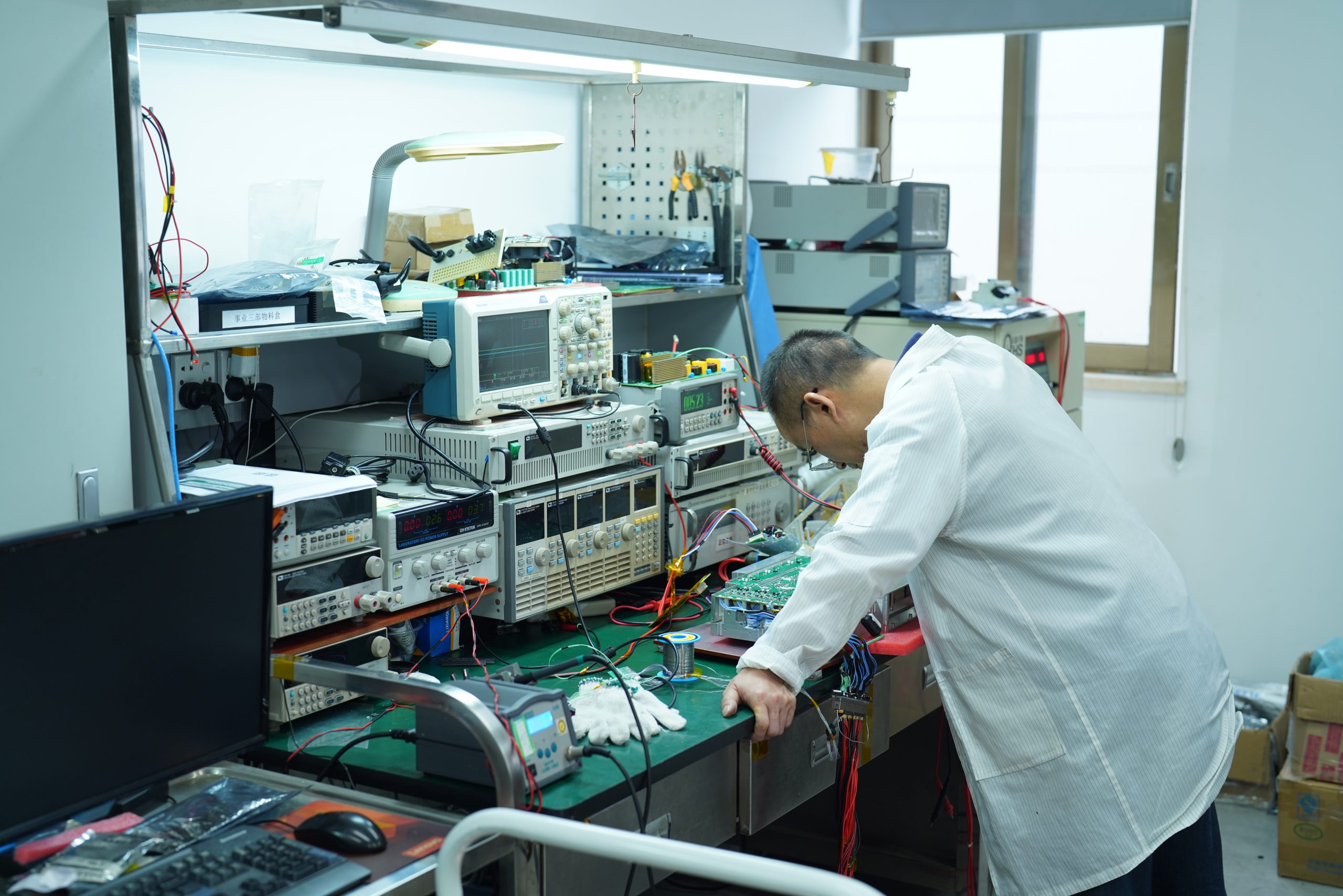
Customized RF Power Amplifier platforms allow you to tailor frequency, power, and form factor to meet unique project constraints that off-the-shelf units cannot. When you are dealing with non-standard bands or extreme environmental conditions, a custom engineering approach is often the only path to success. These projects focus on integrating specific control interfaces or specialized cooling methods required for your specific deployment.
Is customization worth the effort?
While standard platforms are faster to deploy, they often involve compromises in size, weight, or power (SWaP) that can hinder high-end system performance. A custom solution ensures that every watt of power and every inch of space is optimized for your mission-critical application.
Here is the deal:
- Exact frequency matching.
- Specialized mechanical housing.
- Unique signal modulation support.
But wait, there’s more: custom units can often integrate SDR sources or specific antenna interfaces directly into the module.
Key Takeaway
Custom RF engineering removes the limitations of “one-size-fits-all” hardware, providing a precision-engineered solution for the most demanding technical requirements.
| Custom Factor | Standard Unit | Custom Solution |
|---|---|---|
| Form Factor | Fixed Rack/Box | Bespoke Housing |
| Bandwidth | Catalog Bands | Application Specific |
| Control | Standard GPIO | Custom Protocol |
Review the technical breakdown below.
Frequently Asked Questions (FAQ)
Can I use a pulsed amplifier for continuous wave applications?
No, most pulsed amplifiers are designed with thermal limits that assume an “off” time, and running them in CW mode will likely lead to rapid overheating and failure of the RF Power Amplifier.
What is the best way to monitor amplifier health in the field?
The best method is to use a system that provides real-time telemetry for temperature, current draw, and VSWR to detect potential issues before they cause a shutdown.
Can I operate an amplifier without an antenna connected?
You should never do this unless the amplifier is connected to a dummy load, as the 100% reflected power will likely destroy the output stage transistors immediately.
What is the best semiconductor material for high-frequency power?
Gallium Nitride (GaN) is currently the industry leader for high-frequency, high-power applications due to its high power density and thermal conductivity.
Can I daisy-chain amplifiers to get more gain?
Yes, but you must ensure the first amplifier does not saturate the input of the second, and you must carefully manage the combined noise figure of the chain.
Conclusion
Navigating the complexities of RF parameters is essential for any professional engineering project. By mastering gain, noise figure, linearity, and efficiency, you solve the fundamental problems of signal degradation and system instability. We believe in empowering technical buyers with factory-direct engineering and verified data to ensure your RF systems perform flawlessly in any environment. Our vision is to provide the most reliable, high-frequency, and high-power platforms for the next generation of communication technology.
If you have a challenging project or need a specialized configuration, contact us today to discuss your requirements with an expert engineer.