
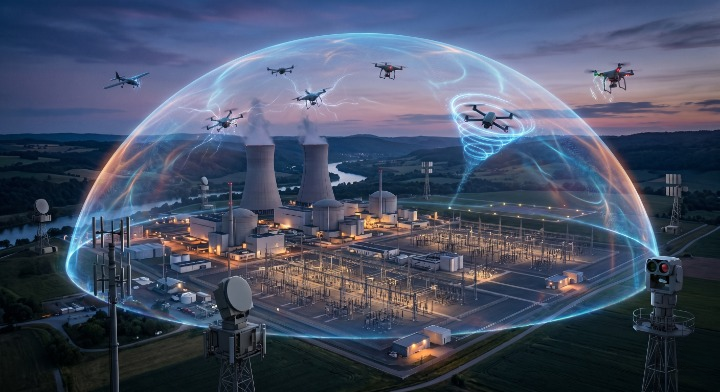
Unauthorized unmanned aerial vehicles are neutralized through multi-layered defense architectures that detect and identify airborne threats. You face growing risks as drone technology becomes cheaper and more accessible for espionage or smuggling operations. Traditional security perimeters cannot stop low-flying devices that bypass cameras and fences easily. Integrating advanced Anti-drone systems allows you to regain control of your airspace using high-frequency signal processing.
How do these systems mitigate modern security risks?
Anti-drone systems identify incoming aerial threats through radio frequency analysis to establish a comprehensive electronic shield. You maintain constant vigilance over your perimeter while distinguishing between friendly logistics and malicious intruders. High-gain components allow the detection of low-signal signatures that often evade conventional radar arrays.
What role does proactive detection play?
Establishing a baseline for aerial activity is the first step in maintaining a secure environment against rising threats. You must utilize sensors capable of scanning common communication frequencies to ensure no device enters unannounced.
Think about this:
- Real-time frequency scanning
- Automated classification of models
- Signal strength logging
How is threat identification automated?
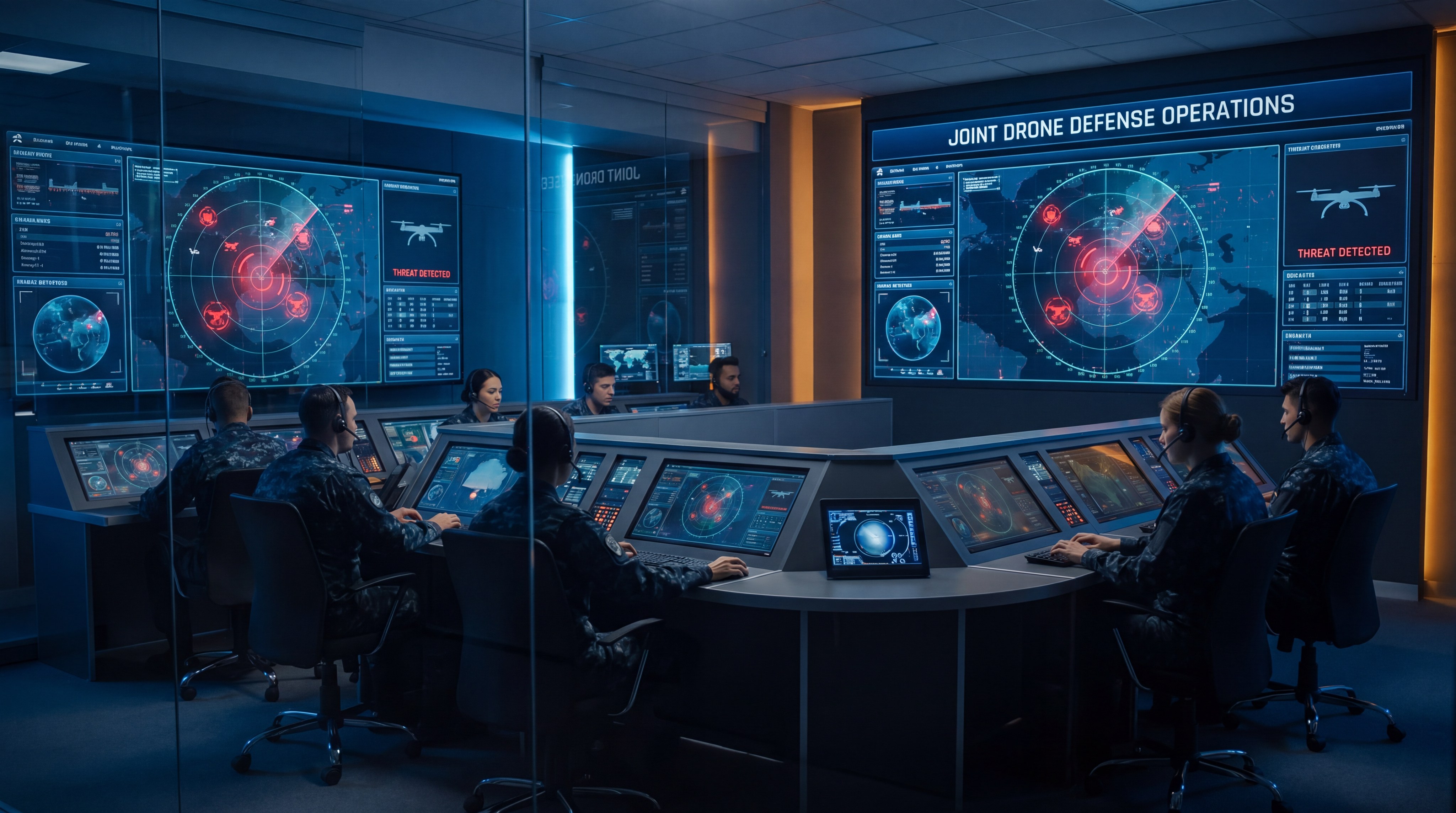
Automation reduces the cognitive load on your security personnel by providing immediate classification of detected signals. You can implement systems that cross-reference signal signatures against known databases to provide instant threat levels.
Make no mistake:
- Instant library matching
- Priority alert systems
- False positive filtering
Key Takeaway: Proactive identification and automated classification provide the reaction time necessary to prevent a security breach before it escalates.
| Identification Method | Advantage | Reliability |
|---|---|---|
| RF Analysis | Long range detection | High |
| Signal Fingerprint | Precise model ID | Very High |
| Visual Cross-check | Human confirmation | Moderate |
This data structure helps you understand which detection method best fits your specific facility constraints.
Why is kinetic interception often problematic?
Kinetic interception presents significant legal and physical risks because Anti-drone systems that rely on projectiles can cause falling debris in populated areas. You must consider that destroying a drone over a crowded stadium or chemical plant may lead to a secondary disaster. Professional security teams are moving toward non-kinetic methods to prioritize the safe handling of unauthorized vehicles.
What are the risks of falling debris?
Physical contact with an airborne device creates uncontrollable hazards for people and property on the ground below. You have to account for gravity, as projectile fragments and lithium batteries can cause fires or severe injuries.
Look closer:
- Unpredictable debris paths
- High liability for damage
- Environmental contamination risks
Key Takeaway: You should prioritize electronic neutralization to avoid the physical and legal liabilities associated with shooting down hardware.
| Defense Type | Ground Risk | Legal Liability |
|---|---|---|
| Kinetic Strike | Extreme | High |
| Physical Net | Moderate | Moderate |
| Electronic Jamming | Negligible | Low |
Evaluating these risks ensures your defense strategy does not create more problems than it solves during an incursion.
Can radio frequency jamming solve trespass issues?
Radio frequency jamming solves drone trespass by flooding the communication link between the pilot and the device with electronic noise. These Anti-drone systems target specific bands used for control and navigation to force a failsafe response. You can compel a drone to hover in place or return to its launch point without physical contact.
How does uplink disruption work?
Disrupting the command-and-control uplink breaks the electronic tether that allows an operator to steer the device remotely. You must ensure your signal power exceeds the pilot’s transmitter at the drone’s specific location.
Believe it or not:
- Saturation of control bands
- Forced return-to-home modes
- Pilot location tracking
Key Takeaway: Jamming provides a reliable “soft-kill” solution that protects your airspace while preserving the hardware for potential investigation.
| Jamming Mode | Signal Target | Success Rate |
|---|---|---|
| Control Link | Remote pilot uplink | High |
| Navigation | GPS/GNSS signals | Very High |
| Video Feed | Downlink stream | Moderate |
Targeted signal disruption allows you to manage the situation without resorting to destructive physical violence against the aircraft.
What makes cyber-takeover a superior strategy?
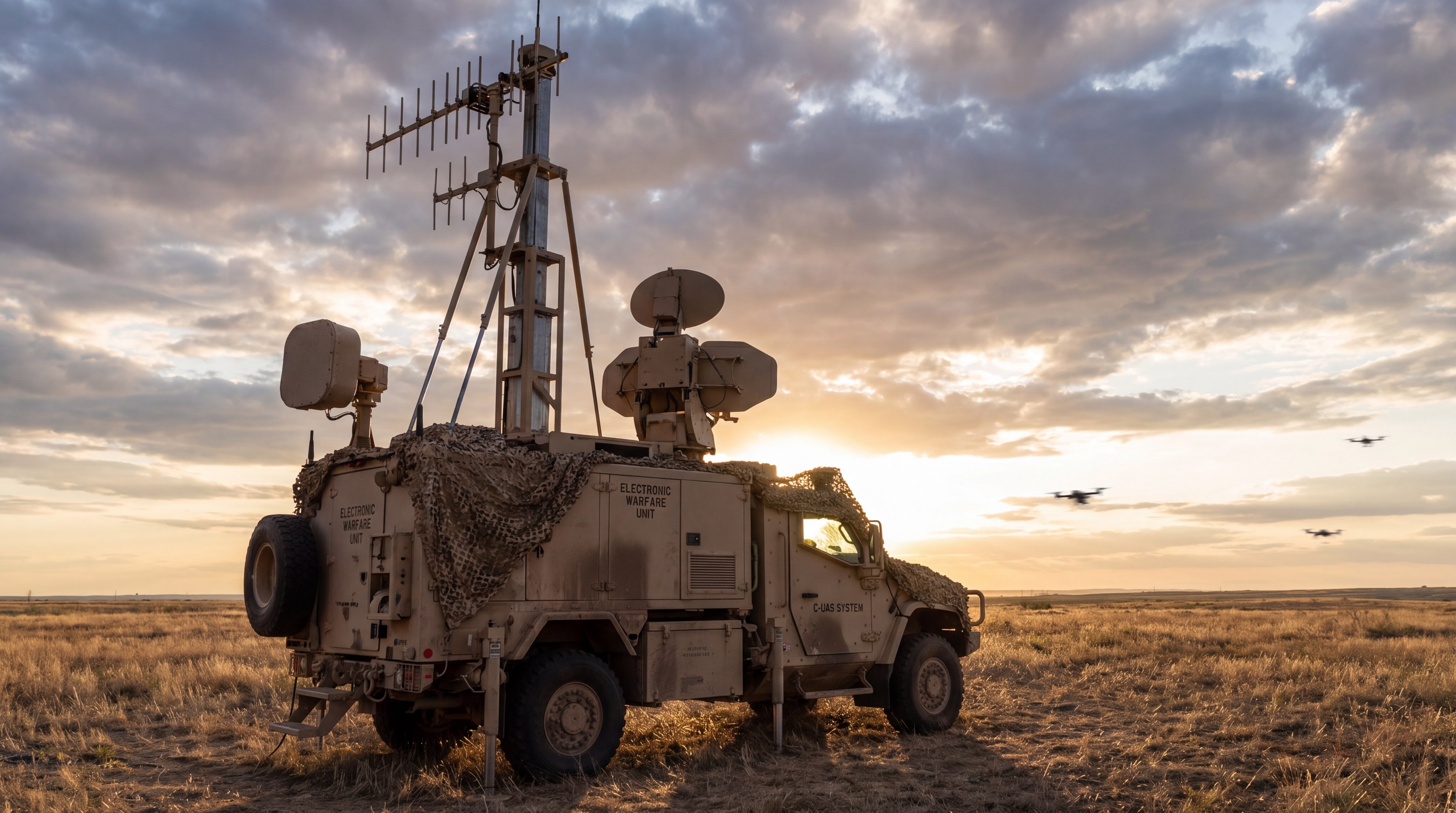
Cyber-takeover is superior because Anti-drone systems using this technology hijack the control protocol to command a safe remote landing. You gain the ability to steer the drone away from sensitive areas, eliminating the unpredictability of signal disruption. This method keeps the device intact for law enforcement to conduct forensic analysis of the pilot’s intent.
Is safe remote landing possible?
Safe remote landing is achieved by impersonating the authorized controller and sending valid commands to the aircraft’s receiver. You are essentially taking the wheel from the rogue pilot and directing the drone to a secure zone.
Here is the key:
- Protocol manipulation
- Controlled descent paths
- Designated landing zones
Key Takeaway: Cyber-hijacking offers a surgical approach to threat mitigation that provides both security and vital forensic intelligence for prosecution.
| Mitigation Method | Device Integrity | Intelligence Potential |
|---|---|---|
| Jamming | Intact | Low |
| Cyber Hijack | Pristine | Very High |
| Kinetic | Destroyed | Moderate |
Utilizing protocol-level control gives you the highest degree of authority over unauthorized devices in your controlled airspace.
How do pulse platforms enhance security?
Pulse platforms enhance Anti-drone systems by delivering high-peak electromagnetic energy that can overwhelm the electronics of sophisticated devices. You might find that high-end drones are designed to resist standard noise, but they cannot withstand intense pulsed energy. This technology ensures you remain protected against evolution in UAV hardened circuitry.
Can peak power overwhelm circuits?
High-peak power concentrates massive energy into microseconds to effectively blind the drone’s receiver regardless of its shielding. You gain a tactical advantage against autonomous flight modes that do not rely on a continuous remote pilot link.
Make no mistake:
- Overwhelming electronic filters
- Penetration of shielded units
- Efficient energy consumption
Key Takeaway: Integrating pulsed amplification allows your defense system to defeat military-grade or hardened commercial drones that standard jammers miss.
| Platform Type | Peak Power | Target Class |
|---|---|---|
| Continuous Wave | Standard | Consumer |
| Pulsed | Extreme | Hardened/Industrial |
| Broad Spectrum | Variable | Multi-Drone Swarms |
Upgrading to pulse-capable systems ensures your facility is ready for the next generation of sophisticated aerial threats.
Is regulatory compliance a barrier to defense?
Regulatory compliance is a barrier because Anti-drone systems operate in a legal landscape originally written for manned aviation. You may find that while the hardware is available, local authorities often lack the federal permission to deploy active jammers. Navigating telecommunications and privacy laws is essential before you install any active defense technology.
How do aviation laws impact local use?
Current aviation laws often treat small drones with the same legal protections as large commercial aircraft. You are restricted from using signal interference because it is governed by strict radio frequency allocation rules.
Now, consider this:
- FAA flight protections
- FCC frequency restrictions
- Liability for air interference
Key Takeaway: You must verify your specific legal authority to operate active mitigation tools to avoid federal prosecution or civil litigation.
| Entity | Legal Authority | Role in Defense |
|---|---|---|
| Federal Agencies | Full Authority | Active Mitigation |
| Local Police | Limited | Monitoring/Detection |
| Private Security | Restricted | Reporting/Observation |
Understanding the limits of the law helps you build a defense strategy that is both effective and legally sound.
Why are multi-layered arrays necessary today?
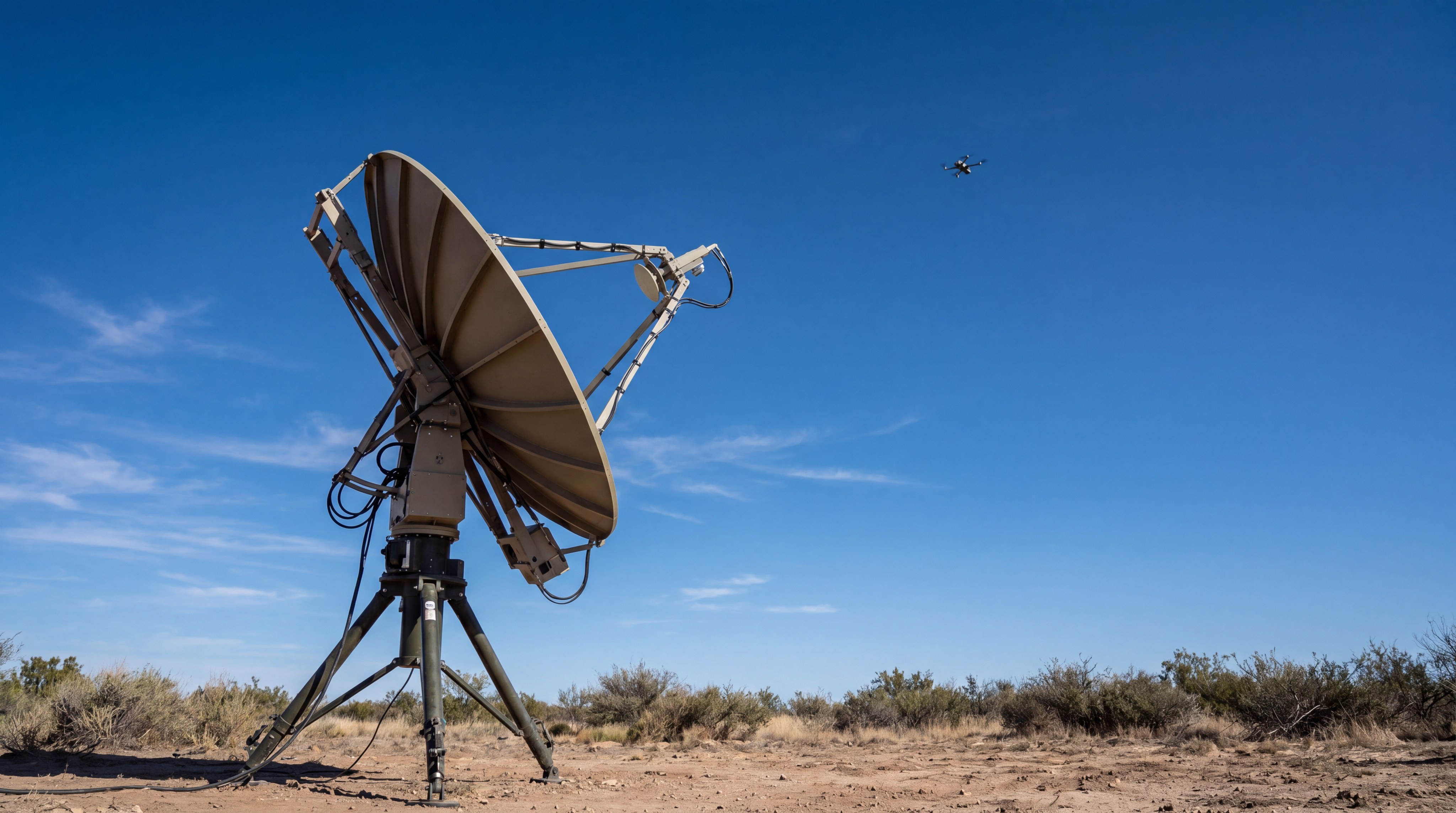
Multi-layered arrays are necessary because no single sensor can track every drone type in all environmental conditions. Anti-drone systems that integrate radar, radio frequency sensors, and optical cameras provide you with redundant situational awareness. You eliminate blind spots created by plastic devices or silent, pre-programmed flight paths.
Can integrated sensors improve accuracy?
Integrated sensors improve accuracy by cross-verifying signals across different physical domains like heat, sound, and radio waves. You can use radar for long-range warning and optical cameras to visually confirm the threat before reacting.
Think about this:
- Redundant tracking data
- Day and night visibility
- Reduced false alarm rates
Key Takeaway: A multi-sensor approach ensures that no drone can enter your zone undetected, regardless of its size or flight mode.
| Sensor Type | Detection Basis | Environment Strength |
|---|---|---|
| Radar | Kinetic movement | Long Range |
| RF Scanner | Electronic signal | Identifying Model |
| Thermal | Heat signature | Night Operations |
Redundancy in your sensor suite is the only way to achieve total confidence in your aerial security perimeter.
Can these systems protect civilian infrastructure?
These systems protect civilian infrastructure by establishing no-fly zones around vulnerable sites like power grids and water plants. Anti-drone systems provide a critical layer of security that traditional fences and guards simply cannot offer against aerial sabotage. You can prevent unauthorized reconnaissance and physical strikes before they disrupt vital public services.
Are water and power facilities safer?
Water and power facilities are significantly safer when protected by a 360-degree electronic shield that stops remote contamination or damage. You are responsible for maintaining service continuity, and aerial defense is now a requirement for critical utility management.
Look closer:
- Sabotage prevention
- Perimeter extension
- Infrastructure resilience
Key Takeaway: Implementing dedicated drone defense at critical sites prevents massive economic damage and preserves public safety during civil emergencies.
| Facility Type | Main Threat | Mitigation Goal |
|---|---|---|
| Nuclear Plant | Espionage/Mapping | Maintain Secrecy |
| Water Works | Contamination | Public Health |
| Power Grid | Physical Damage | Grid Stability |
Establishing a proactive defense posture is necessary to keep essential services running in an increasingly automated world.
What role does GaN technology play in defense?
Gallium Nitride (GaN) technology allows Anti-drone systems to generate higher power levels within a much smaller physical footprint. You benefit from higher efficiency, which means your amplifiers produce less heat while delivering more potent jamming signals. This is critical for mobile security teams who require lightweight, high-performance hardware for field deployment.
How does efficiency impact signal range?
Higher electronic efficiency translates directly into greater effective range for your signal interference and tracking subsystems. You can neutralize threats from much further away, providing your security team with a larger safety buffer.
Here is the key:
- Greater power density
- Longer battery life
- Smaller hardware size
Key Takeaway: Specifying GaN-based components in your defense procurement ensures your system has the reach needed to stop high-end drones.
| Component | Efficiency | Heat Load | System Size |
|---|---|---|---|
| Silicon-Based | Moderate | High | Large |
| GaN-Based | Very High | Low | Compact |
| Older LDMOS | Standard | Moderate | Medium |
Modernizing your amplifier technology is the most effective way to improve the tactical range of your counter-drone platforms.

How should you evaluate counter-UAS vendors?
Evaluating vendors requires a focus on unit-level validation and the ability to provide factory-direct data for Anti-drone systems. You should look for partners who understand the underlying RF engineering and control their entire manufacturing chain. This ensures you receive hardware that is tested and validated for your specific operational environment.
Why is unit-level validation critical?
Unit-level validation ensures that the specific hardware you receive meets its performance specifications without any manufacturing variance. You need to see actual test reports for your serial numbers to ensure gain and power are consistent.
Make no mistake:
- Verified test reports
- ISO quality standards
- Direct engineering support
Key Takeaway: Choosing a manufacturer with factory-direct engineering ensures you have the support needed to scale your defense as threats evolve.
| Vendor Type | Support Level | Customization | Lead Times |
|---|---|---|---|
| Factory-Direct | High | Available | Shorter |
| Distributor | Low | Not Available | Longer |
| Reseller | Minimal | N/A | Variable |
The quality of your vendor relationship is just as important as the quality of the hardware in a high-stakes security mission.
Modern security challenges require you to shift from physical barriers to electronic dominance in the airspace. By integrating advanced detection and neutralization capabilities, you can effectively mitigate the risks posed by the proliferation of low-cost drones. Our team is dedicated to providing high-performance amplification and signal platforms that empower your organization to reclaim control of its perimeter. Whether you are securing a sensitive government site or a major public hub, we offer the engineering expertise and hardware reliability necessary for mission success. We invite you to contact us today to discuss your specific operational requirements and build a defense strategy that stands against the threats of tomorrow.
FAQ
Can I use jamming equipment on my private property to stop neighbor drones?
It depends entirely on your local laws, as operating a jammer is often illegal for private citizens because it interferes with authorized radio services. You must consult with federal telecommunications authorities to see if you qualify for a specific exemption or are restricted to detection-only technology.
What is the best way to handle a drone swarm?
The best way is a multi-layered approach using wideband jamming to disrupt the entire group or a cyber-takeover system that can manage multiple protocols. Swarms are designed to overwhelm single defenses, so high-power broadband capability is essential for successful mitigation.
How do I know if an anti-drone system will interfere with my Wi-Fi?
Professional-grade systems use directional antennas and narrow filters to focus energy only where the drone is located, which limits interference. You should review the frequency management plan with your vendor to ensure the system is tuned away from your essential office network bands.
Can I stop a drone that is flying on a pre-programmed GPS path?
Yes, but you may need a specialized GPS spoofing or high-power pulse system to overcome its internal filters. Because these drones do not rely on a pilot’s signal, you must disrupt their ability to receive satellite navigation data to force a landing.
What’s the best range for drone detection in urban areas?
The best range typically varies between one and three miles depending on the sensor type and the amount of signal noise in your city. High-end radar provides the longest early warning, while RF sensors are more effective at identifying the specific pilot link at closer ranges.