
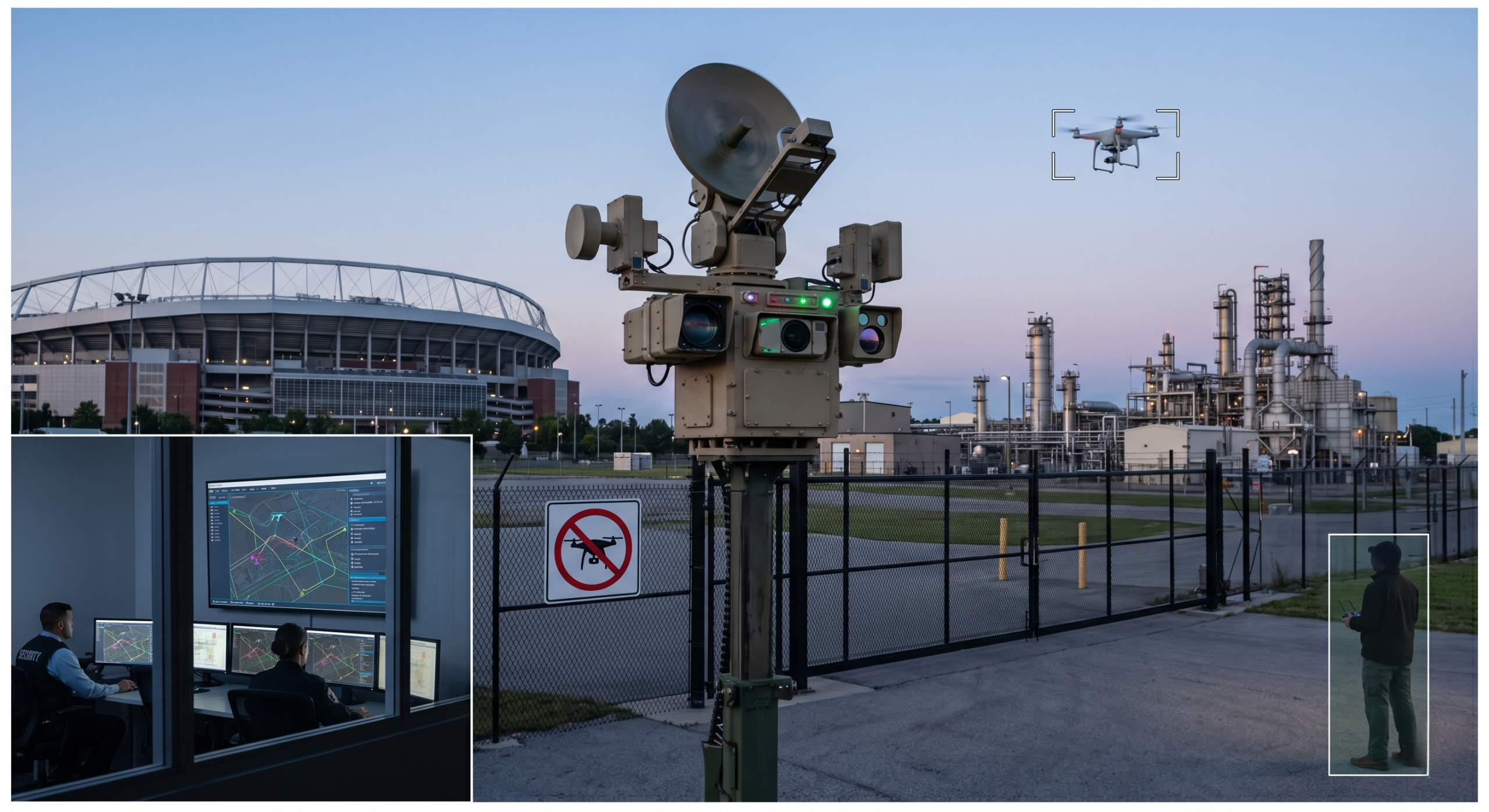
You develop a Counter-UAS program by conducting a multi-layered assessment of risks, technology, and legal frameworks. Uncontrolled drones are increasingly infiltrating sensitive airspace and threatening infrastructure safety. This creates a dangerous security gap that puts lives and property at significant risk if left unaddressed. You can bridge this gap by following a structured 10-step implementation strategy.
1. How do you assess risks for a Counter-UAS program?
You assess risks by cataloging high-value targets and identifying specific site vulnerabilities. A successful Counter-UAS initiative begins with a thorough audit of your perimeter. You must determine if your primary concern is “clueless” hobbyists or criminal actors.
Look at it this way:
- Airports and nuclear facilities.
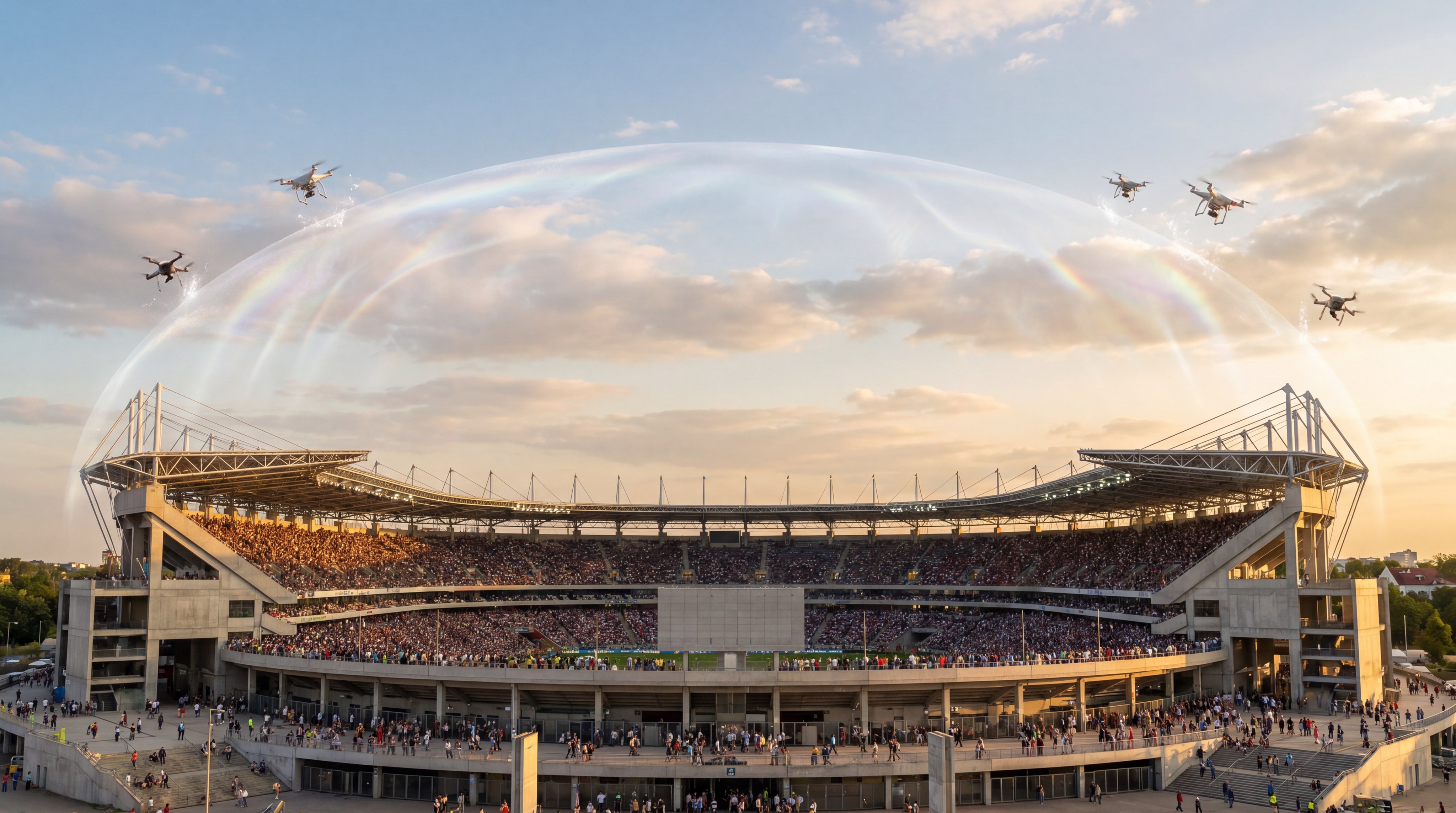
- Stadiums and mass gatherings.
- High-tech industrial espionage targets.
What are your primary site vulnerabilities?
You must identify the “soft targets” within your facility where a drone could cause maximum disruption. Consider physical entry points and areas with high pedestrian density. Look for blind spots in your existing security cameras that an aerial threat could exploit.
How do you categorize potential drone threats?
Categorizing threats helps you determine the appropriate level of technical response needed. You should distinguish between careless recreational users and intentional criminal incursions. This distinction dictates whether you focus on public education or tactical mitigation.
Key Takeaway: Risk assessment provides the data-backed foundation required to justify equipment expenditures and policy changes.
| Assessment Factor | Description | Priority Level |
|---|---|---|
| Target Type | Infrastructure vs. Public Event | High |
| Vulnerability | Blind spots and soft targets | Medium |
| Threat Profile | Intent of the drone operator | High |
A detailed risk audit ensures your defense resources are allocated to the most critical vulnerabilities.
2. What tech is needed for Counter-UAS detection?
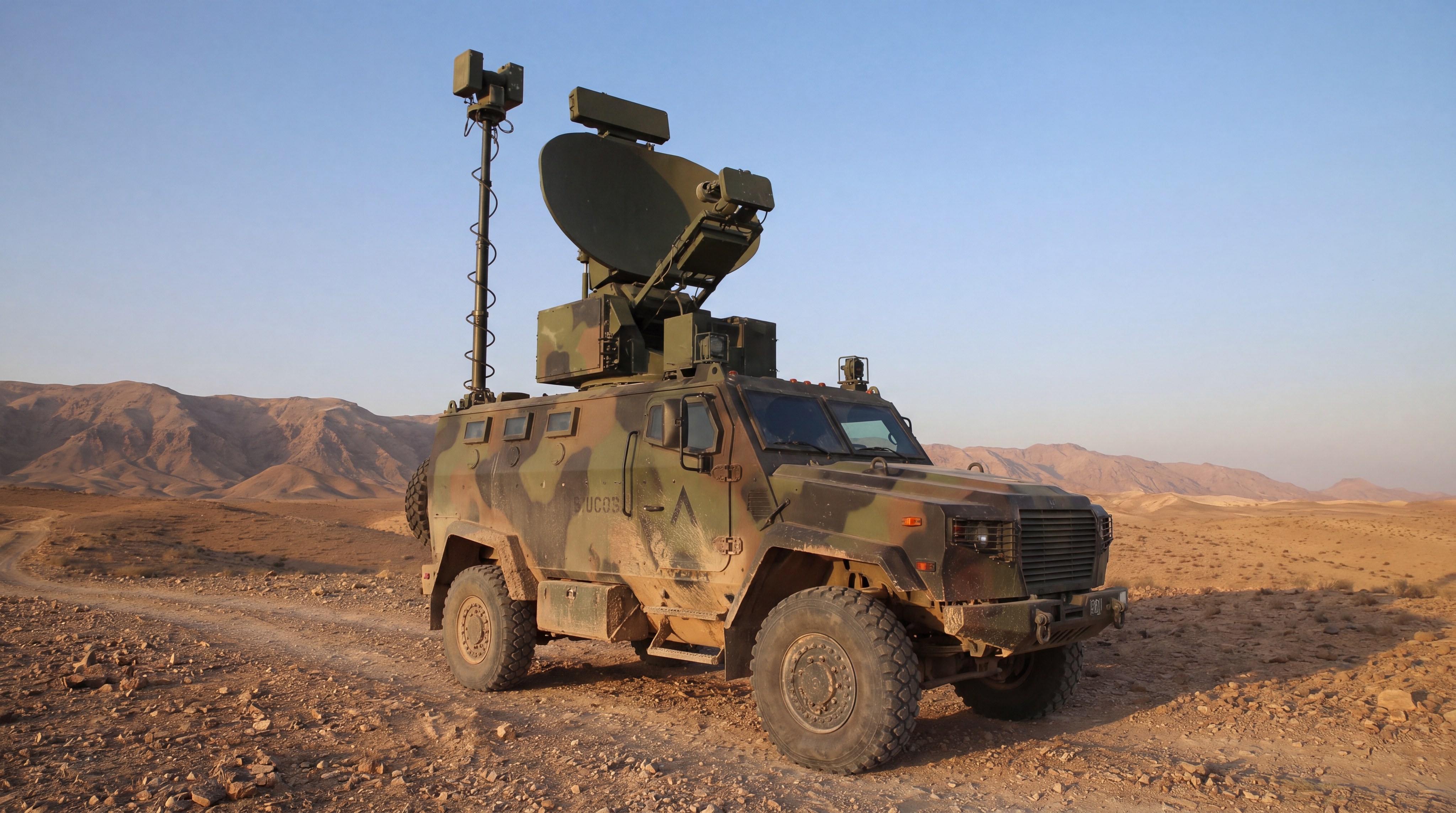
Effective airspace awareness relies on high-resolution radar and RF sensors. Your Counter-UAS hardware must distinguish small aircraft from birds or environmental clutter. Without precise detection, your security team will remain blind to aerial incursions until they are too late.
Think about it:
- Radar for physical tracking.
- RF sensors for signal identification.
- Optical cameras for visual confirmation.
Why is radar the gold standard for detection?
Radar remains the most reliable method because it does not depend on a drone emitting a radio signal. It provides constant tracking of the aircraft’s position and speed regardless of ambient light. This ensures you maintain situational awareness even when “dark” drones are used.
Does RF detection cover silent drone threats?
RF detection is highly effective for identifying remote control signals but may miss autonomous pre-programmed drones. These “silent” threats do not communicate with a ground station during flight. You should combine RF sensors with radar to ensure comprehensive coverage across all flight profiles.
Key Takeaway: Multi-sensor fusion is the only way to achieve 100% airspace awareness against evolving drone technology.
| Technology | Detection Method | Legal Requirement |
|---|---|---|
| Radar | Signal Reflection | FCC License |
| RF Sensors | Signal Interception | Standard Permit |
| Optical | Visual Imaging | Privacy Compliance |
Integrating diverse sensor types eliminates single points of failure in your aerial defense grid.
3. How do you write a Counter-UAS response policy?
Writing a policy requires codifying a chain of command and evidence preservation steps. Your Counter-UAS response must be repeatable and legally defensible in court. Officers need clear instructions on how to handle recovered aircraft and digital flight logs.
Here is the deal:
- Define the chain of command.
- Set evidence handling protocols.
- Establish reporting requirements.
What are the rules for evidence preservation?
You must treat a downed or recovered drone as a forensic evidence site. Ensure your team knows to handle the device with gloves to preserve fingerprints and DNA. Always document the exact location and orientation of the aircraft upon discovery.
How do officers manage recovered flight data?
Managing flight data involves securing the internal memory cards and communication logs without altering the timestamps. This data is critical for proving operator intent and flight paths during legal proceedings. You should coordinate with digital forensics experts to extract this information safely.
Key Takeaway: A written policy ensures that your department acts within the law and maintains the integrity of criminal evidence.
| Policy Element | Goal | Stakeholder |
|---|---|---|
| Response Chain | Define who takes action | Security Lead |
| Forensic Steps | Preserve flight data | Evidence Officer |
| Reporting | Document the incident | Management |
Clear response guidelines reduce hesitation and minimize the risk of procedural errors during an incident.
4. Can deterrence improve your Counter-UAS plan?
Deterrence improves your plan by preventing accidental incursions through signage and education. A proactive Counter-UAS strategy stops “clueless” pilots before they enter restricted zones. Often, a visible security presence and clear boundaries are enough to keep the airspace clear.
Make no mistake:
- Post “No Drone Zone” signs.
- Launch public education campaigns.
- Use visible detection equipment.
Are “No Drone Zones” legally enforceable?
While you cannot always regulate the airspace itself, you can regulate the operator’s ground-based activity. Enforceability often depends on local ordinances regarding drone takeoff and landing on your property. You should work with local government to ensure your signage is backed by valid legal codes.
How to conduct effective public outreach?
Public outreach involves communicating with local hobbyist clubs and drone retail outlets. You want to ensure the community knows where they can and cannot fly safely. This collaborative approach reduces the number of non-threat incidents your team must investigate.
Key Takeaway: Effective deterrence filters out unintentional violators, allowing your team to focus exclusively on real threats.
| Deterrence Tool | Target Audience | Expected Outcome |
|---|---|---|
| Signage | Casual Pilots | Reduced incursions |
| Social Media | General Public | Awareness of rules |
| Direct Outreach | Hobbyist Clubs | Cooperation |
Strategic deterrence is a low-cost method to significantly improve your overall airspace security posture.
5. Who should join your Counter-UAS outreach?
You should involve local hobbyist groups, industrial neighbors, and facility management. Collaboration is the cornerstone of a regional Counter-UAS defensive posture. When neighboring facilities share data, you create a larger detection grid that benefits everyone.
In other words:
- Neighboring facility managers.
- Local law enforcement agencies.
- Regional hobbyist associations.
Which local stakeholders should be involved?
You need to identify anyone who operates or regulates drones within a five-mile radius of your site. This includes local police departments, stadium operators, and even utility companies. Building these relationships now ensures faster communication during a real-world aerial emergency.
How to coordinate with neighboring facilities?
Coordination involves establishing shared communication channels or integrated software dashboards. If a neighbor detects a drone heading toward your property, they should be able to alert you instantly. This “neighborhood watch” for the sky significantly increases your reaction time.
Key Takeaway: Security is a team sport, and outreach ensures you have allies watching the sky with you.
| Stakeholder | Role | Benefit |
|---|---|---|
| Neighboring Sites | Data Sharing | Early Warning |
| Local Police | Enforcement | Legal Action |
| Hobbyist Groups | Compliance | Fewer false alarms |
Integrated outreach programs transform isolated security silos into a unified regional defense network.
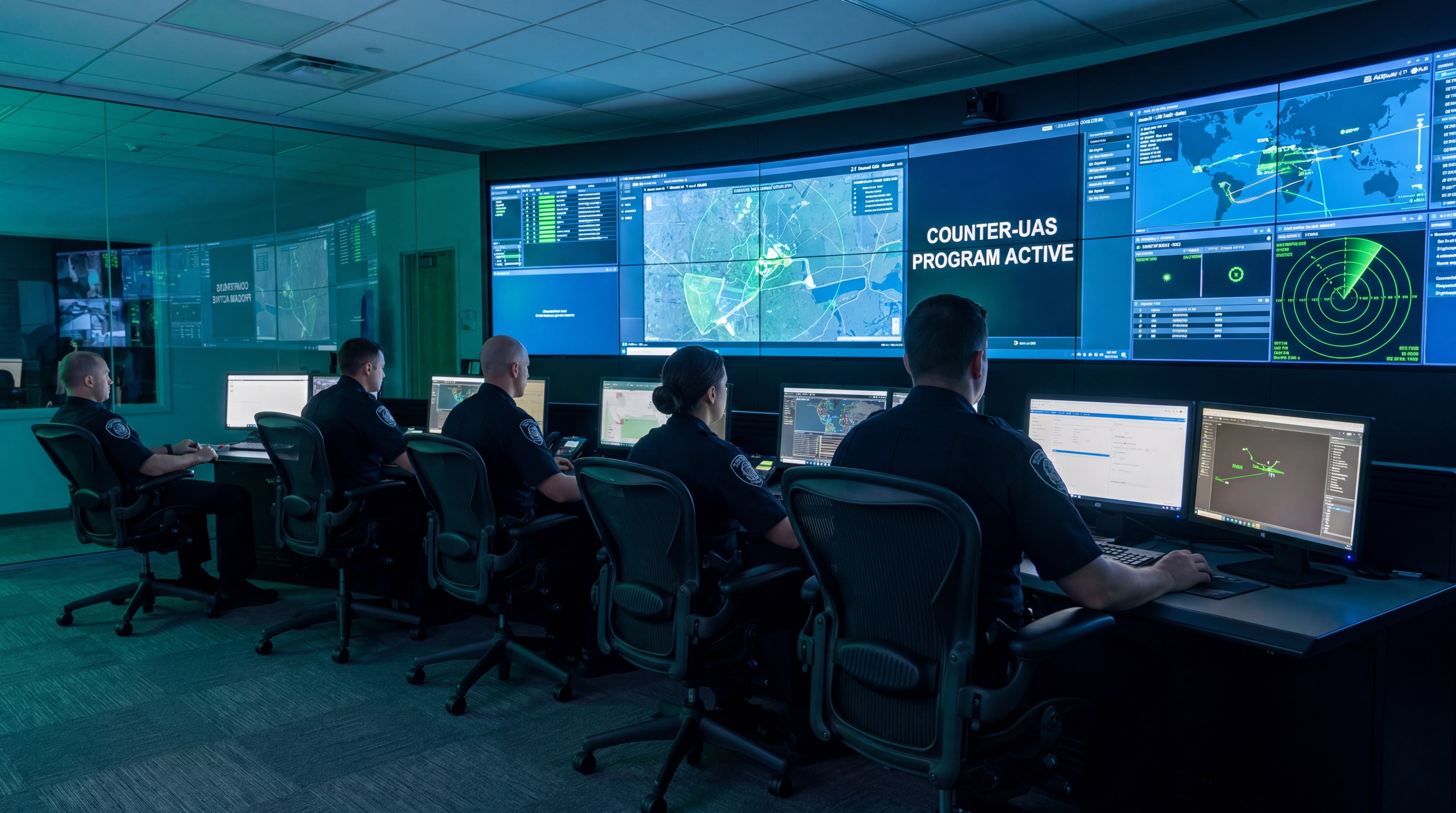
6. What legal rules govern Counter-UAS engagement?
Legal engagement is governed by federal aircraft protection laws and clear-and-present-danger standards. Navigating Counter-UAS mitigation remains the most complex regulatory hurdle today. You must understand that drones are legally considered aircraft, and disrupting them can carry federal penalties.
The bottom line is:
- Federal aircraft protection laws.
- Wiretapping and FCC regulations.
- Local use-of-force standards.
When is drone mitigation legally justified?
Mitigation is generally only justified when there is an imminent threat to human life. You cannot legally down a drone simply because it is trespassing or taking unauthorized photos. You must be able to articulate a specific, lethal threat to justify using force against an aircraft.
How to document the threat to human life?
Documentation requires capturing sensor data, visual logs, and officer statements in real-time. You must prove that the drone’s behavior or payload posed a direct risk to people on the ground. This evidence will be the primary defense if the drone owner pursues civil or criminal litigation.
Key Takeaway: Understanding the legal boundaries of mitigation prevents your organization from facing federal prosecution.
| Legal Constraint | Governing Body | Impact |
|---|---|---|
| Aircraft Protection | FAA | No kinetic strikes |
| RF Jamming | FCC | Signal restrictions |
| Privacy | State Law | Data handling rules |
A firm grasp of the legal landscape is essential for protecting your personnel and your organization’s reputation.
7. How can you track pilots in Counter-UAS operations?
You track pilots by pinpointing ground control station signals to direct ground-based intervention. Advanced Counter-UAS sensors help identify the operator’s precise location. Since you often cannot touch the drone, arresting the pilot is the most effective legal tactic.
Consider this:
- Radio direction finding.
- SDR signal analysis.
- Visual spotting by ground teams.
What are the best methods to find operators?
The best methods utilize radio frequency triangulation to find where the control signal is originating. This allows you to dispatch a security team directly to the pilot’s location while the drone is still in the air. Finding the operator often leads to a quick and peaceful resolution of the incident.
Why is pilot arrest a safer tactical option?
Arresting the pilot avoids the risk of a drone falling from the sky and causing injury or property damage. It also ensures you identify the person responsible for the incursion for future prosecution. This approach places the responsibility for the aircraft back on the operator’s shoulders.
Key Takeaway: Operator tracking is the most legally sound and tactically effective way to end a drone threat.
| Tracking Method | Primary Tool | Accuracy |
|---|---|---|
| RF Triangulation | Directional Sensors | High |
| Signal Analysis | SDR Platforms | Medium |
| Visual Scouting | Ground Patrols | Low |
Focusing on the pilot rather than the aircraft provides a safer path to threat resolution.

8. Is federal aid available for Counter-UAS needs?
Federal aid is available for high-risk sites through FBI assessment agents and special event ratings. Large-scale Counter-UAS support often requires governor-level coordination and months of planning. You should determine if your facility meets the criteria for Special Event Assessment Rating (SEAR) assistance.
What it boils down to:
- SEAR rating applications.
- FBI agent coordination.
- Governor-level support requests.
Who is your local federal assessment agent?
Your local FBI field office can put you in touch with a Special Event Assessment Rating agent. These professionals specialize in evaluating the security needs of major public gatherings and critical sites. They can provide technical guidance and help you navigate federal request protocols.
How do you request governor-level support?
Requesting support involves submitting a formal security audit to your state’s executive office. The governor must then make an official request to federal agencies for specialized equipment or personnel. This process takes time, so you should begin coordination at least six months before a major event.
Key Takeaway: Federal resources are available, but they require early planning and official state-level endorsements.
| Aid Category | Source | Requirement |
|---|---|---|
| Technical Data | DHS / FBI | Formal Audit |
| Site Assessment | SEAR Agent | High-risk Profile |
| Field Support | Federal Agencies | Governor Request |
Leveraging federal aid can provide high-tier defensive capabilities that are otherwise unaffordable for local agencies.
9. How do you secure a Counter-UAS equipment budget?
You secure funding by using data-backed justifications to apply for homeland security grants. A robust Counter-UAS budget focuses on detection first to prove the threat actually exists. Presenting actual flight logs of trespassing drones is the most convincing way to win budget approval.
Let’s be honest:
- Grant applications (DHS/DoD).
- ROI data on threat reduction.
- Documented incident history.
Which grants support aerial defense tech?
DHS and FEMA often provide homeland security grant money that can be used for aerial surveillance and defense. You should search for grants specifically targeting “critical infrastructure protection” or “emerging technology threats.” These funds are highly competitive and require a detailed project justification.
How to justify detection system costs?
Justifying costs involves showing a direct correlation between the detection system and the prevention of high-cost disruptions. Use your risk assessment data to show the potential financial impact of a successful drone strike. Highlighting the legal risks of remaining “blind” to the airspace is also a powerful argument.
Key Takeaway: Data-driven budget requests are far more likely to be approved than generic requests for “new technology.”
| Budget Source | Strategy | Focus Area |
|---|---|---|
| Federal Grants | Threat Documentation | Public Safety |
| Internal Capital | ROI Projections | Asset Protection |
| State Grants | Compliance Proof | Regional Security |
Securing a budget requires you to move from fear-based requests to evidence-based investment strategies.
10. Why lobby for better Counter-UAS authority?
Lobbying is necessary to expand the legal authority for local agencies to mitigate threats. Organizations must provide scientific data to show that Counter-UAS operations are safe and reliable. As drone threats evolve, the law must adapt to allow for more flexible defensive measures.
The fact is:
- Data influences federal regulators.
- Advocacy groups drive policy change.
- Safety records build public trust.
How does quality data influence regulators?
Regulators like the FAA respond to empirical evidence regarding the safety of mitigation technologies. By sharing your system’s performance data, you help prove that modern countermeasures do not interfere with manned aircraft. This build’s the credibility needed to advocate for expanded legal permissions.
What is the path to expanded authority?
The path involves working through the SLTT Executive Management to acknowledge and accept technical risks. You must demonstrate that your staff is trained and your equipment meets rigorous quality standards. Success at the local level provides the blueprint for federal legislative changes.
Key Takeaway: Collective lobbying is the only way to overcome the legal restrictions currently limiting drone defense.
| Lobbying Target | Desired Outcome | Evidence Needed |
|---|---|---|
| FAA | Mitigation Authority | Flight Safety Data |
| FCC | Jamming Permissions | Signal Control Logs |
| Congress | Legislative Updates | Threat Trends |
Participating in the regulatory dialogue ensures your security needs are represented in future drone laws.
*
Conclusion
Developing a Counter-UAS program solves the critical problem of unauthorized aerial incursions and the legal ambiguity surrounding drone defense. By following this 10-step guide, you move from a vulnerable state to a proactive, multi-layered defensive posture. We can help you navigate the complex RF requirements and system integration needed to protect your site. To ensure your facility is ready for the next generation of aerial threats, contact us today.
FAQ
Can I legally shoot down a drone on my property?
No, federal law classifies drones as aircraft, and damaging them carries severe legal penalties unless there is an imminent threat to human life.
What’s the best way to detect a “dark” drone?
The best method is high-resolution radar, as it does not rely on the drone emitting any radio frequency signals to track its position.
Can I use RF jamming to stop a drone?
Current FCC regulations strictly limit the use of jamming technology to specific federal agencies; local and state police generally lack this authority.
What’s the first step in starting a program?
You should begin with a comprehensive risk assessment to identify your vulnerabilities and document the actual frequency of drone activity.
How can I find federal funding for my program?
You should look for DHS homeland security grants and coordinate with your local FBI SEAR agent to justify your funding requests with scientific data.
Authorized RF engineering and compliance review
For regulated RF systems, this page should be used as an engineering and compliance review path, not as a public deployment checklist. CorelixRF starts with authorization status, operating region, frequency plan, output limit, antenna interface, safety controls, thermal limits and acceptance documents.
- RFQ checklist – send the data buyers usually forget, including band, power, duty cycle, interface and test standard
- delivery documentation – check what documents can support incoming inspection, FAT review and long-term maintenance
- quality and certification review – review the quality and compliance evidence before the project moves into procurement
- RF front-end platform – compare the RF chain as a system instead of selecting one isolated module
- RF configurator – turn frequency, power, thermal and interface requirements into a first configuration brief
- case studies – review similar engineering paths before sending an RFQ
- engineering contact – send the application notes, block diagram or target specification to engineering sales
This keeps the discussion inside lawful, authorized RF programs while still giving procurement teams a clear way to request amplifier, antenna, SDR source, documentation and factory review.
Counter-UAS RF Program Hardware Path
When an authorized counter-UAS program reaches RF hardware planning, connect risk assessment outputs to RF front-end integration, RF power amplifier selection and antenna/load planning. Send bands of interest, duty cycle, power targets, deployment constraints, documentation needs and validation evidence requirements through the RF inquiry form.