
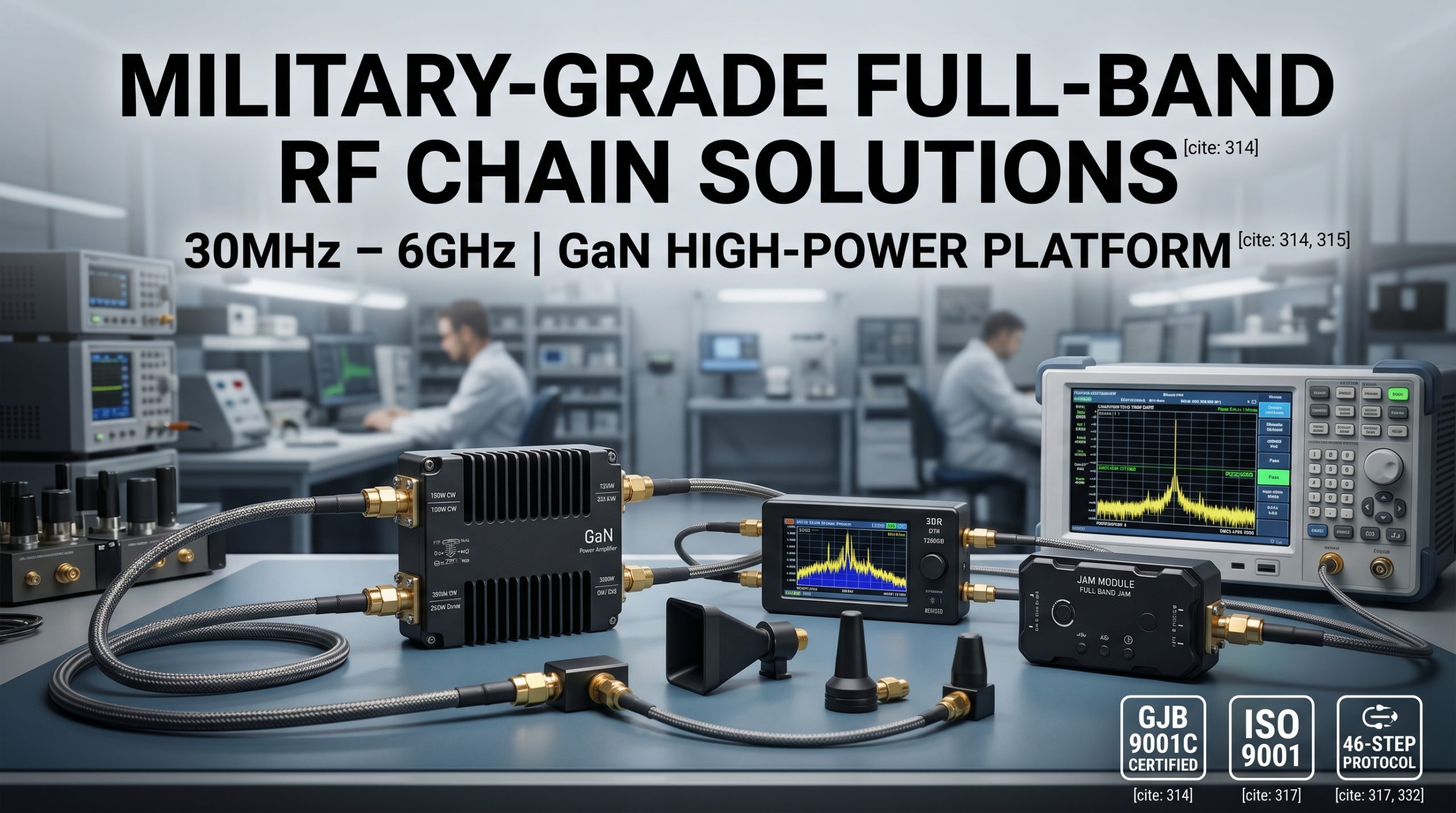
Primary engineering guide: this near-duplicate reference has been consolidated under How to Maximize Range With a Mobile Omnidirectional Antenna?. Use the primary guide for the latest RF engineering review, compliance-safe wording, RFQ inputs and factory documentation path.
- Open the primary guide for the current topic cluster.
- Prepare RFQ inputs before requesting engineering review.
- Use the RF configurator to summarize band, power, interface and duty-cycle needs.
- Review delivery documentation for FAT-style evidence and shipment records.
- Contact CorelixRF when the project has a documented scope.
Archived page topic: How to Maximize Range With Directional and Omnidirectional Antennas?. This page remains available for reference, but search engines are pointed to the primary guide through canonical consolidation.
A 2.4 GHz antenna transmits wireless signals across specific frequency bands. Dropping connections in crowded warehouses creates immense frustration. Equipment downtime costs money when networks fail during critical operations. Installing correct Directional and Omnidirectional Antennas provides reliable coverage everywhere. You gain total control over wireless stability.
1. What Core Functions Do 2.4 GHz Antennas Perform?
A 2.4 GHz antenna functions primarily as a physical transducer for radio waves. Understanding Directional and Omnidirectional Antennas helps you maximize network performance. Industrial systems rely heavily on stable signal propagation daily. You need robust components for uninterrupted data transmission.

How Do These Devices Process Signals?
Here is the deal: antennas convert electrical power into electromagnetic waves efficiently.
- They radiate energy outwards into surrounding physical space.
- Receiving units capture these waves for immediate decoding.
- Proper alignment guarantees maximum signal strength almost always.
Your factory operations depend entirely on this invisible infrastructure.
Why Should You Care About Frequency?
Specific frequencies dictate physical range and wall penetration capabilities. You might be wondering: does 2.4 GHz penetrate concrete structures well? Yes, lower frequencies navigate physical obstacles better than higher frequency alternatives.
Key Takeaway: Choosing appropriate operating frequencies guarantees seamless communication across vast industrial facilities.
| Signal Properties | Physical Penetration | Effective Range |
| 2.4 GHz | High | Long |
| 5.0 GHz | Low | Short |
Data shows physical obstacle navigation metrics very clearly.
![Photorealistic 16:9 image of an industrial 2.4 GHz antenna installation in a modern warehouse]
2. How Do Directional And Omnidirectional Antennas Differ?
Directional models focus radio energy toward specific target receivers exclusively. Using Directional and Omnidirectional Antennas correctly requires understanding their unique radiation patterns. Omnidirectional units broadcast signals uniformly in a 360-degree radius. You must select appropriate types based on specific facility layouts.
What Are The Main Coverage Differences?
What is the real story? Pattern shapes determine overall network efficiency.
- Focused beams travel much farther distances than circular ones.
- Circular patterns blanket immediate surrounding areas perfectly.
- Targeted setups reduce unwanted electronic interference significantly.
Network engineers analyze floor plans before deploying any hardware.
Which Option Fits Your Specific Needs?
Point-to-point links require highly focused radio energy beams. This is where it gets interesting: broad coverage areas demand 360-degree signal dispersion.
Key Takeaway: Match your radiation pattern with physical operational requirements for total success.
| Antenna Type | Coverage Pattern | Best Use Case |
| Directional | Narrow Beam | Long Distance |
| Omnidirectional | 360 Degree | General Access |
Analyzing deployment scenarios reveals perfect hardware choices immediately.
3. What Impacts Your Wireless Network Range?
Physical obstructions significantly reduce wireless transmission distances outdoors. Deploying Directional and Omnidirectional Antennas effectively mitigates many common environmental challenges. Metal walls reflect signals away from intended receiving devices. Proper placement strategies overcome these annoying architectural network barriers.
How Does Interference Degrade Signal Quality?
Ready for the good part? You can outsmart electronic background noise.
- Microwaves disrupt standard communication channels heavily during operation.
- Overlapping networks cause severe packet loss daily.
- Shielded cables prevent localized electromagnetic interference completely.
Identifying noise sources remains your most critical engineering task.
Can Higher Gain Solve Range Issues?
Amplifying signals pushes them further across vast open spaces. Truth be told: excess gain sometimes introduces unwanted signal distortion.
Key Takeaway: Balancing power output with antenna sensitivity creates stable long-range connections.
| Range Factor | Impact Level | Mitigation Strategy |
| Physical Walls | Severe | Repositioning |
| Microwaves | Moderate | Channel Change |
Environmental obstacles demand strategic equipment placement solutions always.
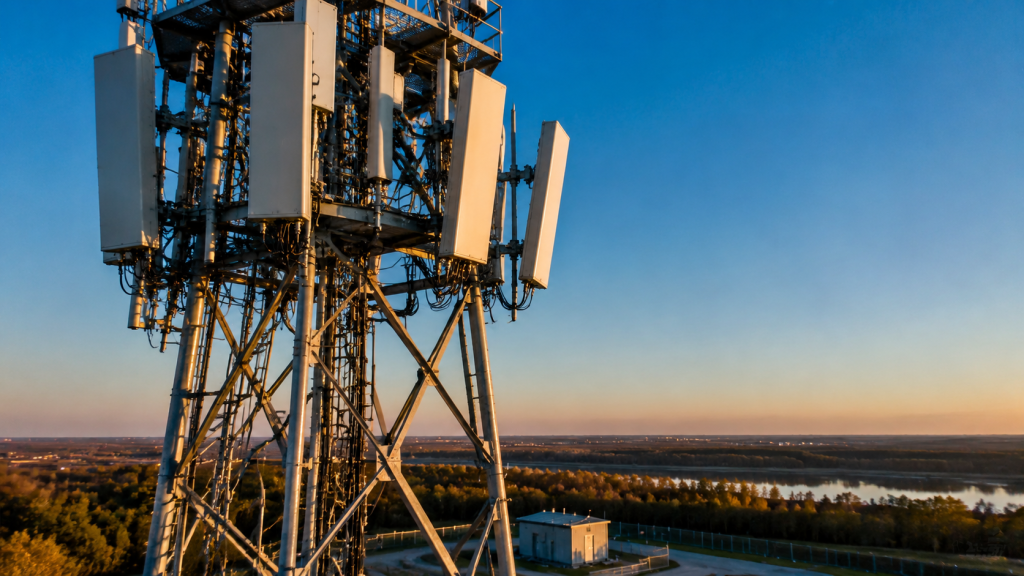
![Photorealistic 16:9 image of a directional antenna mounted on a telecommunications tower against a clear sky]
4. Why Does Impedance Matching Matter So Much?
Mismatched components reflect power back into fragile radio transmitters. Evaluating Directional and Omnidirectional Antennas involves checking their electrical resistance values. Standard radio equipment utilizes a 50-ohm characteristic impedance profile. Variations cause severe performance degradation over long operational periods.
What Happens When Mismatch Occurs?
Listen to this: reflected power generates excess heat internally.
- Amplifier components burn out prematurely under stress.
- Transmission range drops off precipitously without warning.
- Data throughput speeds become incredibly slow rapidly.
Protecting hardware requires strict adherence to manufacturer specification sheets.
How Do Engineers Measure System Health?
Voltage Standing Wave Ratio indicates overall electrical matching efficiency. Let us be clear: lower ratios mean better power transfer.
Key Takeaway: Perfect alignment protects expensive radio frequency modules from catastrophic failure.
| VSWR Ratio | Power Transfer | System Risk |
| 1.0:1 | 100 Percent | None |
| 2.0:1 | 89 Percent | Moderate |
Reflected power metrics guide safe operational boundaries effectively.
5. How Do Materials Affect Antenna Performance?
Corrosion destroys delicate electrical connections in harsh outdoor environments. Selecting durable Directional and Omnidirectional Antennas guarantees long-term operational stability. Copper conductors provide excellent signal transmission characteristics constantly. Fiberglass radomes protect internal elements from severe weather events.

Which Metals Resist Environmental Damage Best?
Here is the secret: marine-grade stainless steel survives harsh conditions.
- Aluminum offers lightweight structural integrity for towers.
- Gold plating prevents electrical contact oxidation completely.
- Silver maximizes physical surface conductivity metrics significantly.
Your deployment location dictates necessary construction material specifications.
Why Do Manufacturers Use Protective Radomes?
Exposed elements degrade rapidly when facing strong harsh winds. Think about it: protective casings extend component lifespans exponentially.
Key Takeaway: Investing in high-quality housing materials saves massive replacement costs later.
| Material Type | Primary Benefit | Common Application |
| Fiberglass | Weatherproof | Outdoor Radomes |
| Aluminum | Lightweight | Mounting Brackets |
Selecting appropriate casing materials guarantees ultimate environmental durability.
![Photorealistic 16:9 image of an engineer testing a weatherproof fiberglass antenna radome in a laboratory]
6. What Role Does Polarization Play In Networks?
Aligning wave orientations maximizes signal reception quality perfectly. Installing Directional and Omnidirectional Antennas correctly involves matching their polarization states. Vertical alignment suits standard mobile communication networks very well. Horizontal configurations often bypass common terrestrial electronic interference sources.
Why Do Mismatches Cause Signal Loss?
Check this out: crossed polarizations reject incoming energy waves.
- A 90-degree mismatch destroys active connection links.
- Multipath environments alter wave orientations quite randomly.
- Circular polarization helps mitigate reflected signal issues.
Synchronizing transmitter and receiver orientations proves absolutely mandatory here.
When Should You Use Circular Polarization?
Moving targets rarely maintain strict vertical alignments during transit. Truth is: circular waves spiral through empty space dynamically.
Key Takeaway: Adapting polarization strategies solves complex mobile communication challenges easily.
| Polarization | Best Use Case | Interference Resistance |
| Vertical | Mobile Devices | Low |
| Circular | Fast Drones | High |
Matching wave orientations guarantees optimal network power transfer.
7. How Can You Optimize Outdoor Installations?
Elevated mounting positions clear immediate physical ground obstacles easily. Securing Directional and Omnidirectional Antennas requires heavy-duty metal mechanical brackets. Lightning arrestors protect entire networks from destructive electrical storms. Proper grounding prevents catastrophic hardware damage during active lightning strikes.
What Setup Mistakes Ruin Wireless Coverage?
Watch out for this: mounting near metal alters radiation patterns.
- Water accumulation degrades coaxial cable performance rapidly.
- Loose connectors introduce massive signal loss immediately.
- Improper sealing causes rapid internal wire corrosion.
Installers must follow strict weatherproofing protocols religiously during deployment.
Why Does Line Of Sight Matter Here?
Direct paths between radios guarantee maximum bandwidth availability always. Keep this in mind: trees absorb radio frequency energy significantly.
Key Takeaway: Securing unobstructed visual paths maximizes long-distance communication reliability.
| Installation Step | Primary Risk | Suggested Solution |
| Cable Routing | Water Damage | Add Drip Loops |
| Pole Mounting | Pattern Distortion | Clear Metal Zones |
Following proper mounting procedures eliminates physical signal interference.
![Photorealistic 16:9 image of an advanced RF testing laboratory showing vector network analyzers and testing equipment]
8. What Testing Procedures Verify Hardware Quality?
Network analyzers measure precise electrical characteristics before field deployment. Validating Directional and Omnidirectional Antennas prevents future catastrophic system failures. Anechoic chambers block outside electromagnetic noise entirely during tests. Engineers plot radiation patterns using specialized automated rotating equipment.
How Do Factories Validate Performance Specs?
You will love this: automated systems run continuous stress tests.
- Thermal chambers simulate extreme global weather conditions.
- Vibration tables test physical mechanical joint strength.
- Salt spray evaluates long-term external corrosion resistance.
Rigorous laboratory validation guarantees field deployment success completely.
Can Software Simulate Complex Antenna Behavior?
Computer models predict radiation patterns with extreme mathematical accuracy. Believe it or not: virtual testing saves months of development.
Key Takeaway: Combining software simulation with physical testing produces superior radio products.
| Test Category | Parameter Checked | Testing Equipment Used |
| Electrical | VSWR Ratio | Network Analyzer |
| Environmental | Temperature | Thermal Chamber |
Stringent laboratory protocols guarantee consistent industrial manufacturing quality.
9. How Do Software Defined Radios Utilize Antennas?
Modern SDR platforms require wideband coverage for agile operations. Integrating Directional and Omnidirectional Antennas with SDRs expands functional capabilities. Real-time frequency hopping demands highly responsive physical hardware components. You can monitor vast spectrums using proper receiving equipment.
Why Are Wideband Models Necessary Now?
Here is another fact: sweeping frequencies requires broad resonance profiles.
- Narrowband models restrict agile spectrum scanning operations.
- SDR systems process multiple signal bands simultaneously.
- Adaptive matching networks improve transmitter efficiency dramatically.
Hardware flexibility remains paramount in modern electronic warfare scenarios.
Can SDRs Improve Signal Processing Tasks?
Digital filtering removes adjacent channel noise almost perfectly. Get this: software algorithms extract weak signals quite magically.
Key Takeaway: Pairing high-quality radiators with digital processors maximizes spectrum dominance.
| SDR Requirement | Hardware Feature | Primary Benefit |
| Frequency Agility | Wideband Support | Fast Scanning |
| Signal Clarity | Low Noise Floor | Better Reception |
Advanced digital signal processing enhances physical hardware capabilities immensely.
10. What Future Trends Will Shape Wireless Networks?
Smart arrays dynamically steer radio beams toward active users. Developing Directional and Omnidirectional Antennas involves advanced metamaterial research now. Higher frequencies promise massive data throughput increases very soon. Miniaturization allows integration into incredibly small portable mobile devices.
How Will 5G And Beyond Impact Design?
Take note: millimeter waves require radically different engineering approaches.
- MIMO arrays multiply active connection density massively.
- Beamforming reduces wasted broadcast energy significantly everywhere.
- Printed circuits replace bulky metal physical elements.
Future networks demand highly intelligent responsive hardware components.
Are Metamaterials The Next Big Leap?
Artificial structures manipulate electromagnetic waves in unnatural exciting ways. Look at it this way: cloaking devices might become reality.
Key Takeaway: Ongoing materials science research unlocks unprecedented wireless communication possibilities.
| Future Trend | Core Technology | Primary Benefit |
| Beamforming | Smart Arrays | Energy Efficiency |
| Miniaturization | PCB Antennas | Compact Size |
Emerging technologies continue reshaping global wireless infrastructure standards.
FAQ
Q1: Can I use a 2.4 GHz antenna for 5 GHz networks?
No, they operate on completely different frequency bands. A component designed for one band reflects power poorly on another due to severe impedance mismatch.
Q2: What is the best antenna type for a long hallway?
A directional model provides superior performance here. It focuses radio energy down the corridor rather than wasting it on adjacent concrete walls.
Q3: How do I know if my antenna requires replacement?
High VSWR readings indicate physical internal damage clearly. If your range drops suddenly, water ingress or connector corrosion likely occurred recently.
Q4: Can I mount an outdoor antenna indoors safely?
Yes, but it might appear visually unappealing inside. Outdoor models possess heavy weatherproofing which remains unnecessary for indoor climate-controlled environments.
Q5: What is the best cable for connecting these devices?
LMR-400 offers excellent low-loss signal characteristics. Thicker cables prevent data degradation over long runs between radio transmitters and radiators.
Optimizing your wireless infrastructure demands high-quality physical components. We design robust military-grade RF solutions solving your most complex coverage problems. To discuss your specific networking requirements, contact us today for expert engineering support. Our factory stands ready assisting you with reliable communication systems.
Turn this RF requirement into a quotable specification
Use this article as a starting point for a buildable RF specification. Before quoting, CorelixRF normally checks frequency range, output power, gain flatness, duty cycle, load mismatch, thermal path, control interface, enclosure limits and acceptance data.
- custom RF antenna support – match antenna pattern, connector, radome and mounting limits to the RF chain
- directional antenna options – compare directional antenna choices for link budget and installation constraints
- RF configurator – turn frequency, power, thermal and interface requirements into a first configuration brief
- RFQ checklist – send the data buyers usually forget, including band, power, duty cycle, interface and test standard
- delivery documentation – check what documents can support incoming inspection, FAT review and long-term maintenance
- case studies – review similar engineering paths before sending an RFQ
- engineering contact – send the application notes, block diagram or target specification to engineering sales
For a faster review, send operating band, power target, modulation or waveform, antenna/load condition, cooling limit, mechanical envelope and target test standard through the RFQ or contact path.