

An in-depth analysis of this Anti-Drone architecture reveals a multi-layered electronic defense ecosystem designed to detect, identify, and ground threats before they reach a restricted perimeter. The rapid proliferation of low-cost, high-capability Unmanned Aerial Vehicles (UAVs) has created unprecedented security vulnerabilities for critical infrastructure and private airspace. You may find that a single unauthorized drone can disrupt airport operations or capture sensitive intellectual property, bypassing traditional security entirely. Implementing a robust architecture of long-range sensors and intelligent spoofers is the only way to ensure total airspace sovereignty and protect against catastrophic financial damage.
How do modern detection systems identify threats?
Modern sensors scan the electromagnetic spectrum to identify unique communication protocols used by both commercial and custom-built drones. This Anti-Drone approach allows you to distinguish between a hobbyist craft and a malicious intruder by comparing signals against a deep signature database.
Analyzing radio frequency signatures?
The system analyzes incoming signals to identify the unique electronic fingerprints left by various transmitter types.
Check this out:
- Passive spectrum scanning technology.
- Identification of proprietary radio protocols.
- Real-time frequency hopping analysis.
This ensures no signal goes unverified during the monitoring process.
Distinguishing between drone models?
Advanced detection goes beyond presence by identifying the specific manufacturer and model type of the incoming craft.
Here is the kicker:
- Identification of popular brands like DJI and Autel.
- Detection of custom-built FPV racing drones.
- Reporting of flight altitude and payload data.
Key Takeaway: Real-time identification of RF signatures allows for a preemptive response tailored to the specific capabilities of the intruding drone.
| Detection Method | Target Types | Data Provided |
|---|---|---|
| Passive RF Scanning | WiFi, FPV, Custom UAVs | ID, Model, and Operating Frequency |
| Spectral Analysis | OcuSync, Lightbridge | Distance, Altitude, and Heading |
Analytical Guidance: Passive scanning minimizes local electronic interference while maximizing the detection window for effective interdiction.
What range can portable detection units cover?
Portable detection units are engineered to achieve situational awareness at a distance of up to 10 kilometers. Utilizing this Anti-Drone capability gives you the vital minutes needed to activate countermeasures against incoming threats effectively.
Achieving 10 km detection coverage?
Long-range sensors allow security teams to spot targets long before they cross the physical perimeter of a sensitive site.
Think about it:
- Extended early warning for response teams.
- Wide-area situational awareness for large events.
- Detection of remote pilot control signals.
These units are highly adaptable for both vehicle-mounted and tripod-based operations.
Utilizing GIS mapping for tracking?
To provide actionable intelligence, all detection data is overlaid onto Geographic Information System maps in real-time.
The real secret is:
- Visual flight path representation on-screen.
- Tracking of altitude and speed trends.
- Precise distance measurement to the intruder.
Key Takeaway: A 10 km detection radius coupled with GIS visualization transforms raw spectral data into a strategic tactical map for operators.
| Specification | Metric | Operational Use |
|---|---|---|
| Max Detection Range | Up to 10 km | Long-range early warning |
| Mapping Integration | Real-time GIS Overlay | Visual flight path tracking |
| Deployment Mode | Mobile/Tripod | Flexible field operation |
Analytical Guidance: Mobile long-range detection is essential for securing sprawling industrial sites where fixed infrastructure is not feasible.
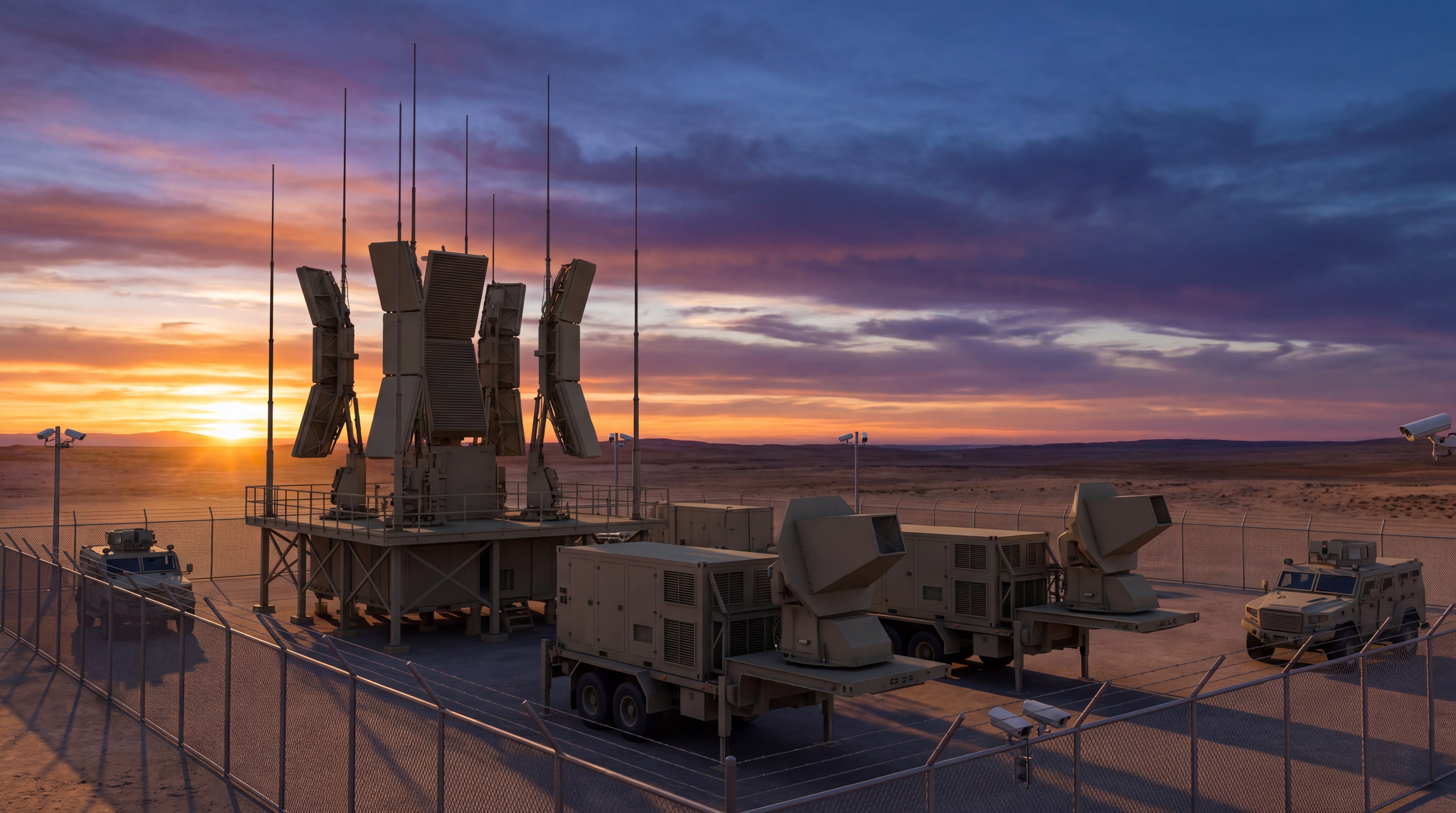
Why is passive detection critical for security?
Passive detection is vital because it operates without emitting any signals, ensuring your security presence remains undetectable to the drone pilot. This Anti-Drone strategy is crucial in environments sensitive to electromagnetic interference where active radar might be prohibited.
Eliminating electronic interference?
Passive sensors are safe for use in hospitals, airports, or research facilities where traditional active sensors might disrupt existing systems.
But wait, there is more:
- Zero signal emission for total stealth.
- Compliance with strict radio regulations.
- Safe operation near critical flight hardware.
This allows for continuous monitoring without the risk of operational downtime for neighboring facilities.
Benefits of non-emitting hardware?
By remaining “silent,” handheld detection tools prevent the drone operator from being alerted to the fact that they are being tracked. For sophisticated signal processing, engineers often utilize SDR Signal Source Modules to validate these complex detection algorithms.
Believe it or not:
- Completely undetectable by the intruder pilot.
- Facilitates the tracking of the pilot’s location.
- Lightweight handheld form factor for patrols.
Key Takeaway: Passive detection ensures that the security presence remains hidden while protecting the integrity of surrounding electronic systems.
| Component | Advantage | Security Profile |
|---|---|---|
| Signal Emission | Zero (Passive Monitoring) | High Stealth |
| Environmental Impact | No Interference | Airport/Hospital Safe |
| Mobility | Under 750 Grams | High Field Portability |
Analytical Guidance: Covert monitoring provides the tactical advantage needed to identify and apprehend unauthorized operators without alerting them to detection.
How does directional jamming stop intruders?
Directional jamming stops intruders by focusing concentrated RF energy toward the target to sever the control and video link. Deploying this Anti-Drone tool causes the aircraft to enter a fail-safe mode, such as hovering or returning to its launch point.
Disrupting the control link?
The jammer overwhelms the communication between the aircraft and the remote controller to force an immediate response.
Here is the deal:
- Immediate disconnection of control signals.
- Forced hovering or return-to-home behavior.
- Disruption of live video telemetry feeds.
This provides a non-destructive way to halt a threat without causing physical damage to the surrounding area.
Rapid deployment in critical zones?
Modern neutralization tools allow a single operator to engage a target instantly upon visual confirmation in high-stakes scenarios. High-performance Broadband RF Power Amplifiers are essential components for achieving this level of directional power.
You won’t believe this:
- Weight under 3 kilograms for ease of use.
- Over two hours of continuous battery operation.
- Immediate activation upon target sighting.
Key Takeaway: Concentrated directional jamming provides a non-destructive method to immediately halt drone movement and communication control.
| Factor | Description | Efficiency |
|---|---|---|
| Neutralization Method | Directional RF Disruption | High (Line of Sight) |
| Response Speed | Instant Activation | < 1 Second |
| Operational Weight | Approximately 2.53 kg | Single Operator Use |
Analytical Guidance: Speed of response is the primary metric for mobile interdiction units tasked with protecting VIPs or temporary public gatherings.
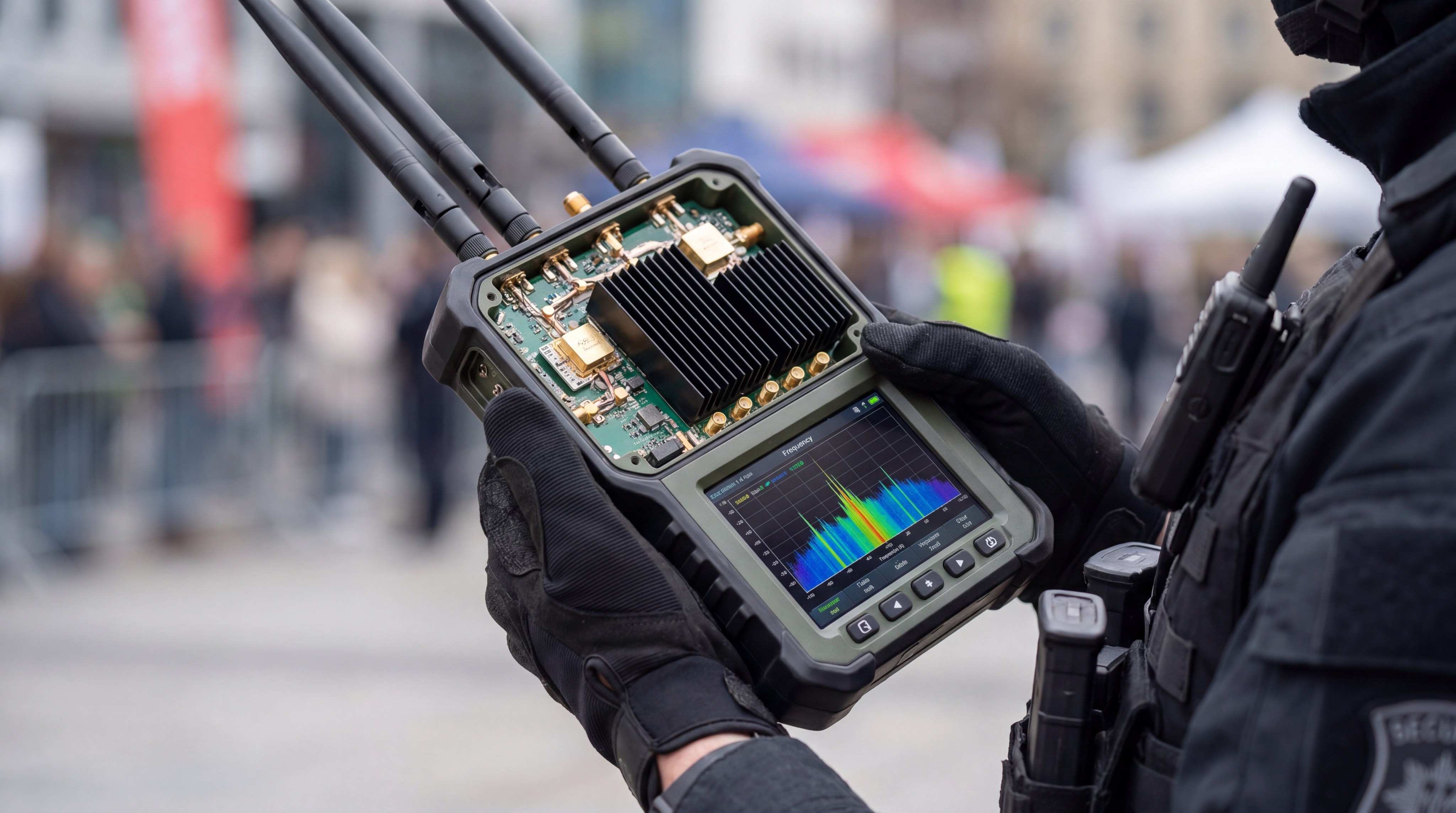
What makes signal spoofing a superior defense?
Signal spoofing is superior because it allows you to take “virtual control” of an intruder by transmitting misleading navigation data. This Anti-Drone capability enables the redirection of the drone to a safe, predetermined landing zone rather than simply disabling it.
Redirecting drones to safe zones?
By manipulating GPS or GLONASS coordinates, security teams can guide an intruder away from sensitive areas like crowds or fuel depots.
The kicker is:
- Precise manipulation of the flight path.
- Forced landing at a designated secure site.
- Prevention of hazardous uncontrolled crashes.
This level of control is far beyond what simple signal jamming can offer to an operator.
Enforcing automated area denial?
Spoofing systems can create an invisible “no-fly bubble” around a facility that automatically forces drones to land or retreat.
The best part:
- Intrusion detection and response in under 3 seconds.
- Automated execution of landing protocols.
- Persistent protection of sensitive airspace.
Key Takeaway: Spoofing offers the highest level of control, allowing for the safe removal of drones without the risk of an uncontrolled crash.
| Action | Result | System Speed |
|---|---|---|
| Signal Takeover | Virtual flight path control | Real-time |
| Area Denial | Automated landing/retreat | < 3 Seconds |
| Safety Profile | Controlled descent | Urban-optimized |
Analytical Guidance: Spoofing is the preferred method for urban environments where falling debris from a jammed drone poses a significant safety risk.
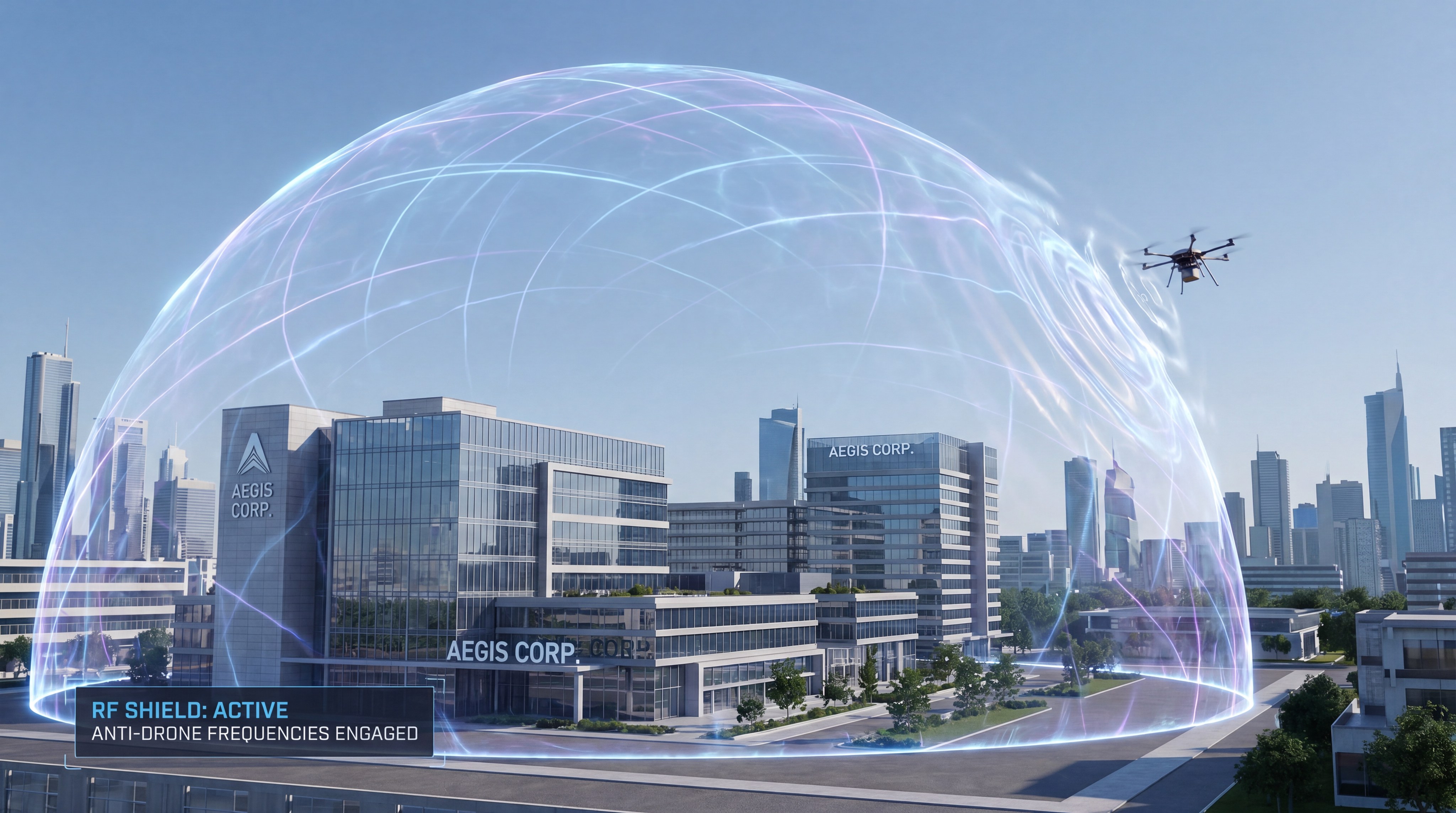
Can multi-band monitoring ensure total safety?
Multi-band monitoring ensures total safety by scanning a wide frequency range to catch drones that avoid standard commercial bands. Integrating this Anti-Drone feature covers everything from 900 MHz to 5.8 GHz to ensure no signal is missed.
Covering the 900 MHz to 5.8 GHz range?
UAVs often operate across various frequencies to avoid interference and standard security scanners used by law enforcement.
Here is the catch:
- Monitoring of five distinct frequency bands simultaneously.
- Support for long-range and industrial telemetry.
- Prevention of frequency-hopping evasions.
No drone goes unnoticed regardless of its specific communication protocol or radio link.
Supporting FPV and custom builds?
Custom-built racing drones and FPV units often use specialized frequencies that standard commercial security ignores.
Make no mistake:
- Tracking of high-speed agile FPV targets.
- Identification of unique high-frequency intruders.
- Elimination of protocol-based blind spots.
Key Takeaway: Comprehensive coverage across all common UAV frequency bands is mandatory to prevent blind spots in the defense perimeter.
| Frequency Band | Common Application | Security Relevance |
|---|---|---|
| 900 MHz / 1.2 GHz | Long-range control links | Early detection of far threats |
| 2.4 GHz / 5.8 GHz | Standard commercial video | Coverage of 90% of UAVs |
| 5.2 GHz | High-end industrial telemetry | Industrial espionage protection |
Analytical Guidance: A multi-band approach is the only way to defend against the technical diversity of modern custom-built threats.
How do integrated systems counter swarming?
Integrated systems counter swarms by linking multiple sensors and jammers together to engage several targets simultaneously and automatically. This Anti-Drone ecosystem ensures that your defense scales with the size and complexity of the attack.
Linking spectrum sensors with jammers?
Automation allows the system to feed target coordinates directly from the sensors to the neutralization hardware without delay.
The logic is simple:
- Rapid prioritization of the closest threats.
- Simultaneous engagement of multiple drone targets.
- Significant reduction in human operator fatigue.
This creates a seamless path from the first detection to the final neutralization of the swarm.
Synchronized identification and response?
The command software can prioritize the most dangerous drone for spoofing while using Directional Antennas to jam the supporting craft.
Here is the kicker:
- Tiered response based on proximity and model.
- Wide-angle jamming for cluster neutralization.
- Continuous tracking of remaining swarm members.
Key Takeaway: Automation and synchronization between detection and response hardware are essential for managing multiple simultaneous threats.
| System Component | Role in Swarm Defense | Impact |
|---|---|---|
| RF Sensor | Multi-target identification | Situational awareness |
| Command Software | Automated threat prioritization | Decision speed |
| Active Jammer | Simultaneous target engagement | Threat reduction |
Analytical Guidance: True swarm defense requires high-speed automation to outpace the coordination of synchronized drone attacks.
What are the benefits of lightweight tools?
Lightweight tools benefit security by allowing for maximum mobility and rapid response across large or uneven perimeters. This Anti-Drone portability means you can maintain protection without being anchored to a fixed installation or heavy vehicle.
Mobility for patrol personnel?
Handheld units allow security guards to carry professional-grade defense technology during their routine foot patrols.
Think about it:
- Instant protection at any point on the property.
- Highly flexible management of the perimeter.
- No specialized vehicle training required for staff.
This effectively moves your defensive umbrella along with the guards as they patrol.
Operating without heavy infrastructure?
These compact tools do not require massive power supplies, fixed towers, or permanent wiring to remain effective. For specialized mobile needs, Custom RF Integration can provide tailored power-to-weight solutions.
The real benefit is:
- Internal lithium batteries for independent use.
- Zero setup time for rapid response teams.
- Ergonomic designs for long-term field use.
Key Takeaway: Portability ensures that security remains flexible and responsive to unpredictable drone flight patterns.
| Attribute | Handheld Benefit | Value |
|---|---|---|
| Weight | Under 750g (Detection Unit) | Ease of carry |
| Battery Life | 2+ Hours of Active Operation | Sustained defense |
| Deployment | Instant-On Interface | Critical speed |
Analytical Guidance: Portable units serve as the essential last line of defense for mobile security teams on the move.
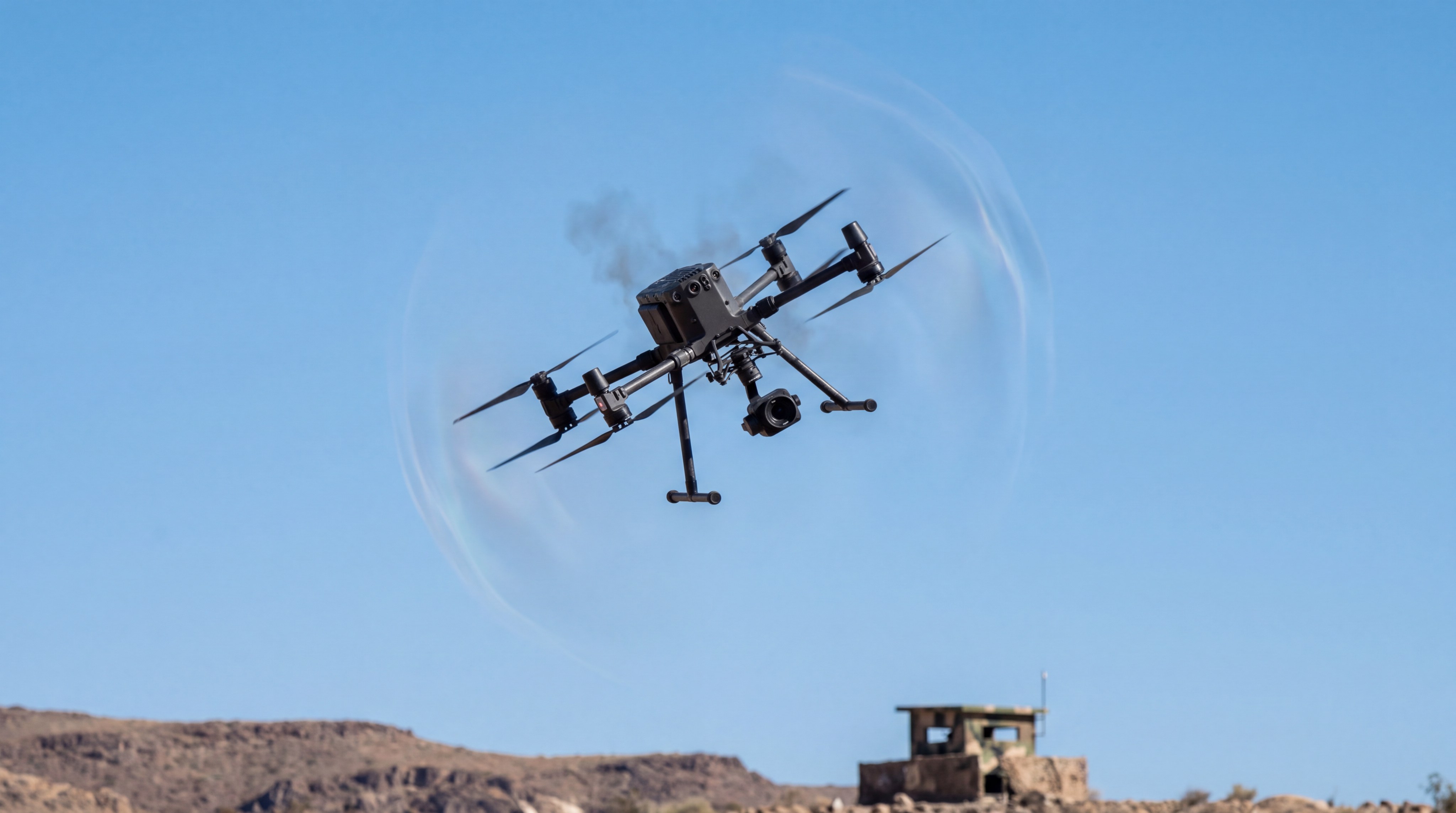
Why is pilot location data a game changer?
Pilot location data is a game changer because it allows law enforcement to address the root of the threat at the launch site. Using this Anti-Drone feature, you can triangulate the signal of the remote controller in real-time.
Identifying remote operator coordinates?
Triangulation provides the exact GPS coordinates of the person flying the drone, often within meters of their actual position.
Here is the deal:
- Facilitates immediate legal intervention.
- Locates common drone launch and recovery points.
- Acts as a severe deterrent for repeat offenders.
Knowing exactly where the pilot is located provides a permanent solution to persistent incursions.
Gathering real-time flight telemetry?
Beyond simple location, the system tracks the altitude, speed, and heading to assess the potential intent of the flight.
The kicker is:
- Distinguishing simple trespass from surveillance.
- Predicting the intruder’s likely destination.
- Recording digital evidence for later prosecution.
Key Takeaway: Tracking the pilot is the only way to achieve a permanent solution to persistent drone incursions.
| Data Point | Security Value | Outcome |
|---|---|---|
| Pilot Coordinates | Law enforcement intervention | Apprehension |
| Flight Path History | Identifying vulnerability points | Better hardening |
| Telemetry Data | Assessment of threat intent | Prioritization |
Analytical Guidance: Shifting the focus from the aircraft to the operator transforms defensive security into an active deterrent strategy.
How can facilities maintain airspace integrity?
Airspace integrity is maintained by implementing a tiered defense strategy that combines long-range warning with local interdiction. This multi-layered Anti-Drone approach ensures that no single point of failure compromises your facility’s security.
Implementing tiered defense layers?
You should combine fixed-mount sensors with mobile handheld units to create overlapping zones of protection around your site.
Check this out:
- Early warning at the 10-kilometer mark.
- Rapid mobile response teams for visual ID.
- Critical area spoofing for total denial.
This ensures total coverage from the horizon all the way to the building’s roof.
Selecting the right countermeasure?
The choice between signal jamming and spoofing depends entirely on your specific operational environment and local safety rules.
Here is the real secret:
- Jamming for rapid, low-cost interdiction.
- Spoofing for safety-critical urban zones.
- Integration for a multi-option defense.
Key Takeaway: Airspace integrity is maintained through a combination of early warning intelligence and versatile neutralization options.
| Defense Tier | Primary Tool | Strategic Goal |
|---|---|---|
| Detection | Long-range RF Scanning | Situational Awareness |
| Interdiction | Directional Jamming Tools | Rapid Signal Disruption |
| Denial | Signal Spoofing Systems | Controlled Airspace Exclusion |
Analytical Guidance: Success in modern airspace security depends on the ability to scale countermeasures to the specific threat profile of the intruder.
Frequently Asked Questions (FAQ)
- Can I detect drones that don’t use WiFi?
Yes. Modern systems scan multiple frequency bands to identify OcuSync, FPV, and custom radio protocols used by high-end drones. - What’s the best way to handle multiple drones at once?
The best strategy involves using an integrated system that automates the link between sensors and jammers to manage swarms effectively. - How do I know if a drone is a threat or just a hobbyist?
The system identifies the drone’s unique ID and model, while real-time flight path tracking helps you assess its proximity to sensitive areas. - Can I use these systems near an airport?
Passive detection is safe for airport environments, but neutralization tools usually require strict coordination with aviation authorities and special licensing. - How do I ensure 24/7 coverage of my perimeter?
The best approach is combining fixed sensors with automated spoofing systems to provide a persistent defense bubble regardless of staff levels.
Strategic Conclusion
Effective protection against modern UAV threats requires a shift from passive observation to active, multi-layered control. As drone technology evolves to be stealthier and more autonomous, the defense systems you use to counter them must be equally agile and sophisticated. By leveraging integrated detection, pilot tracking, and intelligent neutralization like spoofing, you can achieve total sovereignty over your sensitive airspace. We are dedicated to providing the technical foundation for total perimeter integrity. To secure your facility against the aerial threats of tomorrow, contact us today to design a custom defense architecture tailored to your unique operational environment.