
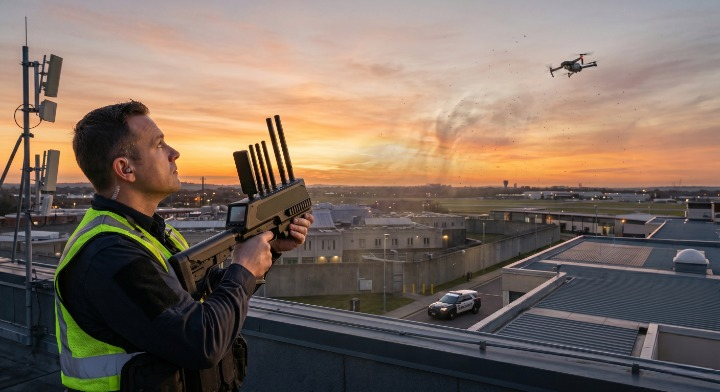
Drone signal jammers work by emitting high-power radio frequency signals that overwhelm the communication and navigation links of a target unmanned aerial vehicle (UAV). When an unauthorized drone enters your restricted airspace, it poses a significant threat to data privacy and physical security. Traditional security measures often struggle to intercept these agile, remote-controlled devices before they can capture sensitive imagery or deliver dangerous payloads. You need a way to sever the “invisible strings” of radio frequency (RF) that allow the pilot to maintain control. The most effective solution involves the deployment of high-performance Drone Jammers to neutralize threats non-destructively.
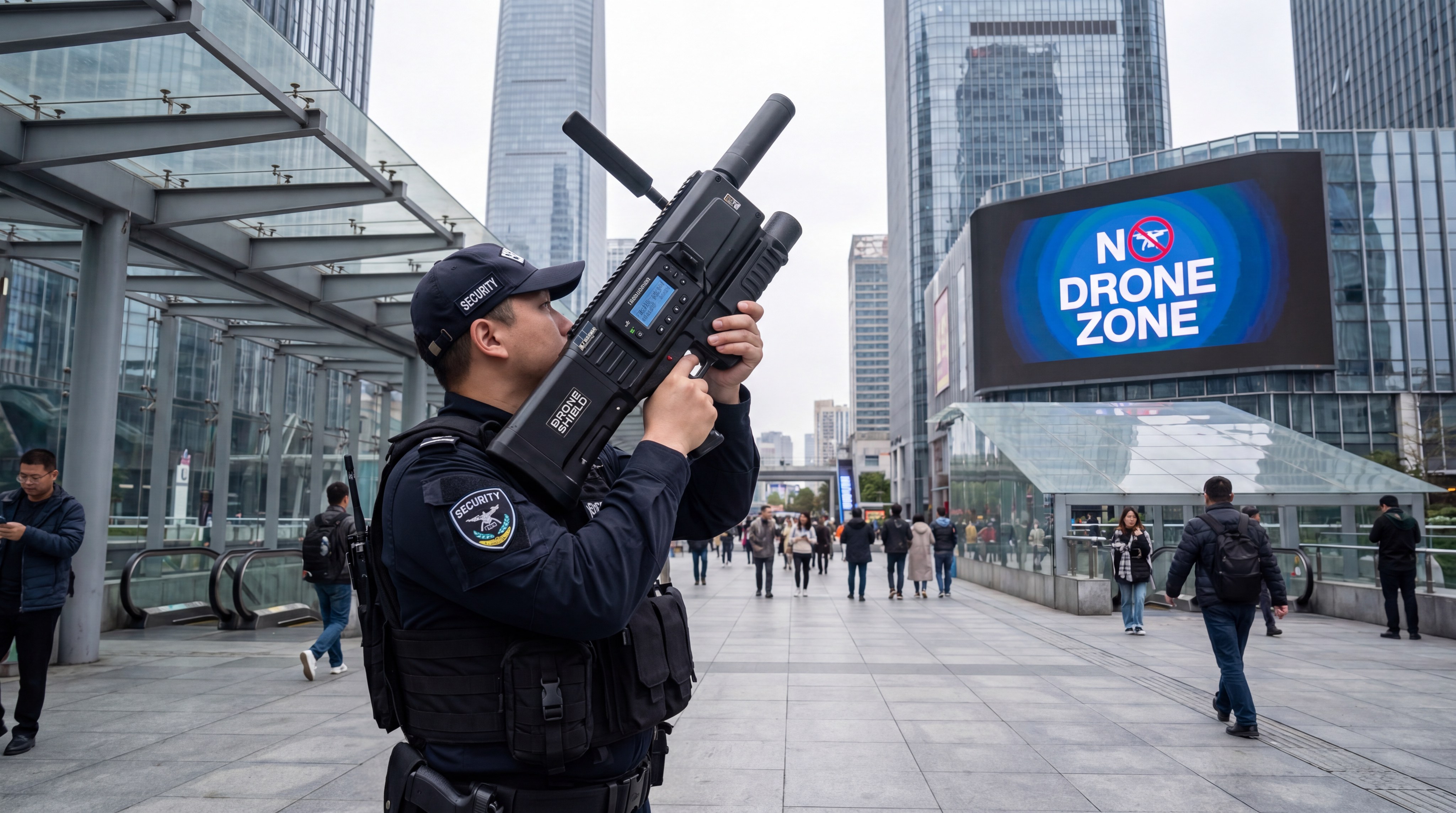
What are drone jammers and why are they used?
These devices are electronic countermeasures designed to disrupt the RF environment so that a drone can no longer receive commands from its operator. Drone Jammers act as a wall of electromagnetic noise that effectively blinds and deafens the aerial vehicle. By creating a localized zone of interference, you can prevent unauthorized surveillance or the smuggling of contraband into sensitive areas. These tools are critical for modern perimeter defense where physical barriers are insufficient.
How do they define drone signal jammers?
A jammer is essentially a transmitter that broadcasts signals on the same frequencies used by drones but at a significantly higher power level. This technical “shouting” ensures the drone’s receiver cannot distinguish legitimate commands from the interference.
Here is the kicker:
- Disrupts the 2.4 GHz and 5.8 GHz control bands.
- Forces the drone into a “failsafe” mode like hovering or landing.
- Operates without causing permanent physical damage to the hardware.
Why are unauthorized drones a security threat?
Unauthorized UAVs can be used for everything from corporate espionage to direct physical attacks on critical infrastructure. Their small size and high speed make them difficult to detect and intercept using traditional methods.
But wait, there’s more:
- Espionage: High-res cameras can capture proprietary trade secrets from above.
- Safety Risks: Drones can interfere with manned aircraft near airports or stadiums.
- Payload Delivery: Rogue actors can use drones to transport illegal items or explosives.
Key Takeaway: Using drone jammers allows you to reclaim control over your low-altitude airspace, ensuring that unauthorized drones cannot complete their mission or transmit stolen data back to the pilot.
What components make up a drone jamming system?
A drone jamming system is composed of an RF signal generator, a power amplifier to boost the signal, and an antenna to direct the energy. These Drone Jammers require precision engineering to ensure that the interference is concentrated on the target without affecting unrelated civilian electronics. Without high-quality internal hardware, the device would lack the range and reliability needed for professional security applications. The synergy between these parts determines the effective “dead zone” for the drone.
How does the RF transmitter operate?
The transmitter generates the base waveform that mimics the frequency bands commonly used by the drone’s remote control. This signal must be stable and precisely tuned to match the target’s operating spectrum.
Think about it this way:
- Determines which frequency bands (e.g., WiFi, GPS) are affected.
- Generates a “sweep” signal to cover multiple frequencies at once.
- Acts as the digital brain of the entire neutralization system.
What is the role of the antenna array?
The antenna array is responsible for projecting the interference into the sky toward the detected threat. By using specific designs, you can focus the signal in a narrow beam or broadcast it 360 degrees.
Here is the best part:
- Directional antennas provide longer range for pinpoint targeting.
- Omnidirectional antennas create a protective bubble around a site.
- Reduces collateral interference by keeping the energy focused on the sky.
Key Takeaway: High-quality antennas and stable transmitters ensure that your security response is both powerful and precise, minimizing risks to your own communication networks.
| Component | Primary Function | Technical Impact |
|---|---|---|
| RF Generator | Signal creation | Frequency accuracy |
| Amplifier | Power boosting | Effective range |
| Antenna | Signal direction | Spatial precision |
The integration of these components allows for a scalable response to various aerial threats.
How do jammers disrupt radio frequency links?
Jammers disrupt radio frequency links by broadcasting “noise” on the 2.4 GHz and 5.8 GHz bands used for remote control and video telemetry. Most modern Drone Jammers are designed to overwhelm the Signal-to-Noise Ratio (SNR) at the drone’s receiver. When the interference is stronger than the pilot’s signal, the drone loses its connection. This process severs the data link, preventing the operator from seeing a live feed or steering the craft.
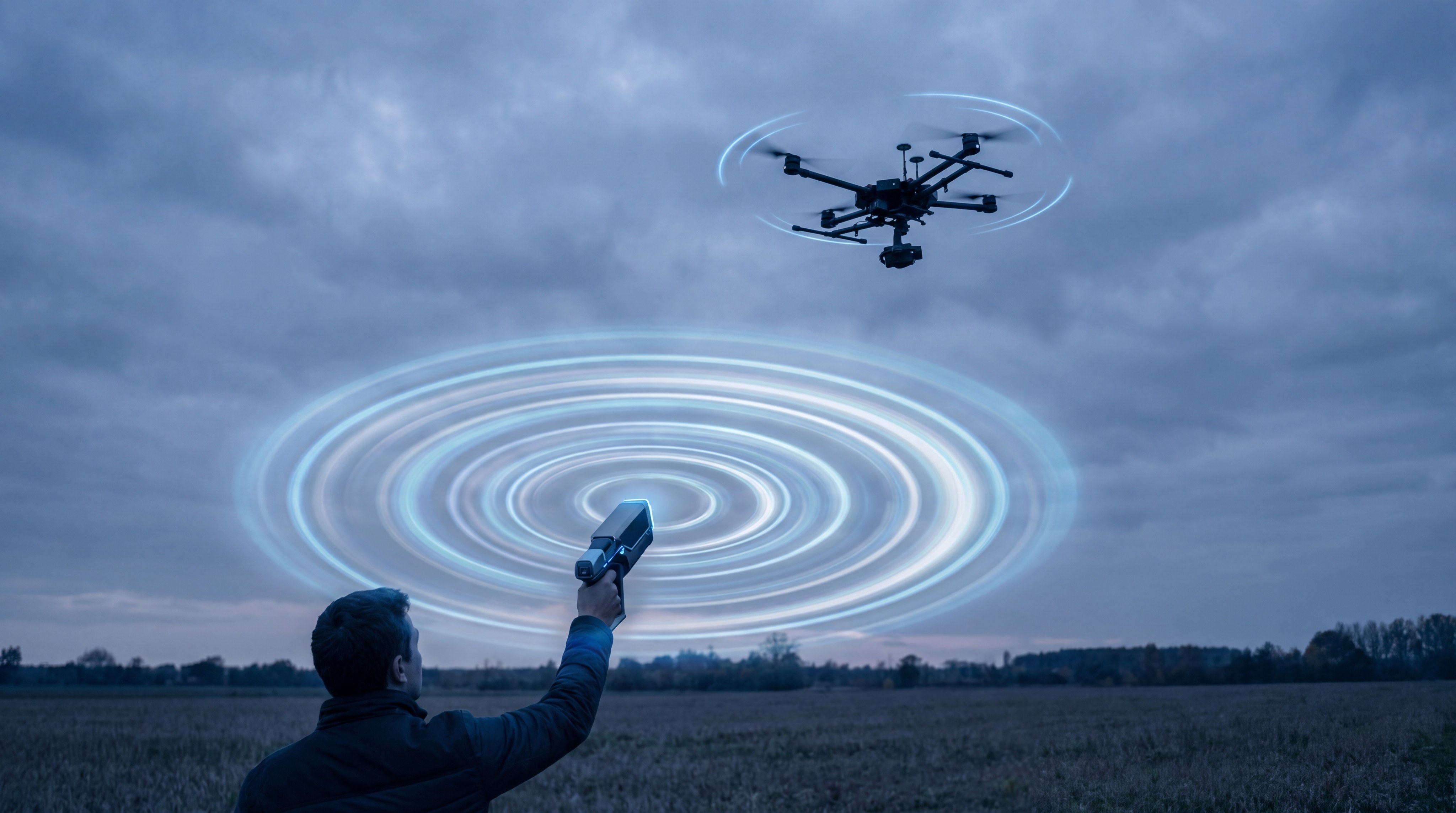
Why are 2.4 GHz and 5.8 GHz frequencies targeted?
These two bands are the standard for commercial and hobbyist drone communication globally. They provide the bandwidth necessary for both high-resolution video and low-latency control commands.
Here is the kicker:
- 2.4 GHz: Used for long-range control and basic telemetry.
- 5.8 GHz: Preferred for high-definition FPV (First Person View) video.
- Standardization: Almost all off-the-shelf drones use these frequencies by default.
What happens when the control link is blocked?
Once the link is successfully blocked, the drone’s onboard computer realizes it is no longer receiving instructions. Depending on the drone’s programming, it will enter a pre-set safety routine to prevent a crash.
But wait, there’s more:
- Hovering: The drone stays in place until its battery runs low.
- Auto-Land: The craft descends slowly to the ground at its current location.
- Return-to-Home: The drone attempts to fly back to its takeoff point.
Key Takeaway: Disrupting the RF link forces the drone to stop its mission and enter a predictable behavior pattern, allowing your security team to secure the area.
| Link Type | Frequency Band | Result of Jamming |
|---|---|---|
| Control | 2.4 GHz | Pilot loses steering ability |
| Telemetry | 2.4 / 5.8 GHz | Loss of flight data and status |
| Video | 5.8 GHz | Pilot loses the camera view |
By targeting these specific bands, you effectively blind the operator while they are still in the air.
Why is GPS signal blocking essential?
GPS signal blocking is essential because many drones use satellite navigation to maintain stability and execute autonomous flight paths. Professional Drone Jammers target the L1 and L2 GPS bands to confuse the drone’s internal positioning system. Without a satellite lock, a drone cannot “know” where it is or follow a pre-programmed GPS waypoint. This forces the drone to rely on manual sensors, which are often inadequate for maintaining a stable hover in windy conditions.
How are satellite signals disrupted?
Satellite signals are extremely weak by the time they reach the earth, making them very easy to overpower with ground-based interference. Jammers broadcast a signal on 1.575 GHz (L1) to mask the legitimate data from GPS satellites.
Think about it this way:
- Masks signals from GPS, GLONASS, and Galileo constellations.
- Prevents the drone from calculating its XYZ coordinates.
- Requires very little power to be effective over long distances.
What occurs when the drone loses its location?
When a drone loses its GPS lock, it can no longer use its “Return-to-Home” (RTH) function accurately. It may drift uncontrollably with the wind, making it nearly impossible for the operator to fly it back to safety.
Here is the kicker:
- Loss of Stability: The drone may wobble or drift horizontally.
- Navigation Failure: Waypoint missions are immediately aborted.
- Emergency Descent: Most systems will eventually land to avoid a total flyaway.
Key Takeaway: Blocking GPS removes the drone’s “intelligence,” ensuring that even autonomous drones cannot breach your perimeter without manual guidance.
| Signal Type | Frequency | Navigation Impact |
|---|---|---|
| GPS L1 | 1.575 GHz | Loss of primary positioning |
| GPS L2 | 1.227 GHz | Loss of high-precision data |
Disabling satellite navigation is the most effective way to neutralize drones that are not being steered manually.
How do jammers target specific protocols?
Advanced jammers target specific protocols by analyzing the unique digital “language” used by drone manufacturers like DJI or Parrot. By using Drone Jammers integrated with Software Defined Radio (SDR) technology, you can disrupt the specific modulation and frequency-hopping patterns of the target. This “surgical” approach is more efficient than wideband noise because it focuses all the jamming energy on the specific protocol being used. It also reduces the likelihood of interfering with other authorized electronics in the vicinity.
Can jammers exploit manufacturer weaknesses?
Every drone brand uses a specific communication protocol to send data between the remote and the aircraft. Jammers can be programmed to recognize these patterns and inject “garbage” data into the stream to confuse the receiver.
But wait, there’s more:
- Identifies frequency-hopping spread spectrum (FHSS) patterns.
- Synchronizes interference with the drone’s specific timing.
- Allows for lower power consumption while maintaining high effectiveness.
What is the impact on drone telemetry data?
Telemetry data includes the drone’s altitude, battery status, and exact coordinates. When this data is jammed, the pilot is effectively flying “blind,” even if they still have a basic control link.
Here is the best part:
- No Feedback: The pilot cannot see how high or fast the drone is moving.
- Battery Risk: The operator may not realize the drone is about to run out of power.
- Mental Stress: Pilots are more likely to make mistakes when they lose their data dashboard.
Key Takeaway: Protocol-aware jamming provides a high-tech, low-collateral solution for complex environments where you cannot afford to shut down all wireless communications.
| Approach | Technology Used | Target Precision |
|---|---|---|
| Wideband | Analog Noise | Low (Blunderbuss) |
| Protocol | Digital SDR | High (Surgical) |
Targeting the digital link ensures the operator loses all situational awareness of their drone’s status.
What are the main types of drone signal jammers?
There are three main types of drone signal jammers: portable handheld units, fixed stationary systems, and vehicle-mounted platforms. Choosing the right Drone Jammers depends on whether you need a mobile defense for security teams or a permanent shield for a facility. Each type offers a different balance of range, power, and mobility to suit specific operational requirements. Understanding these categories is essential for designing a comprehensive counter-UAS strategy.
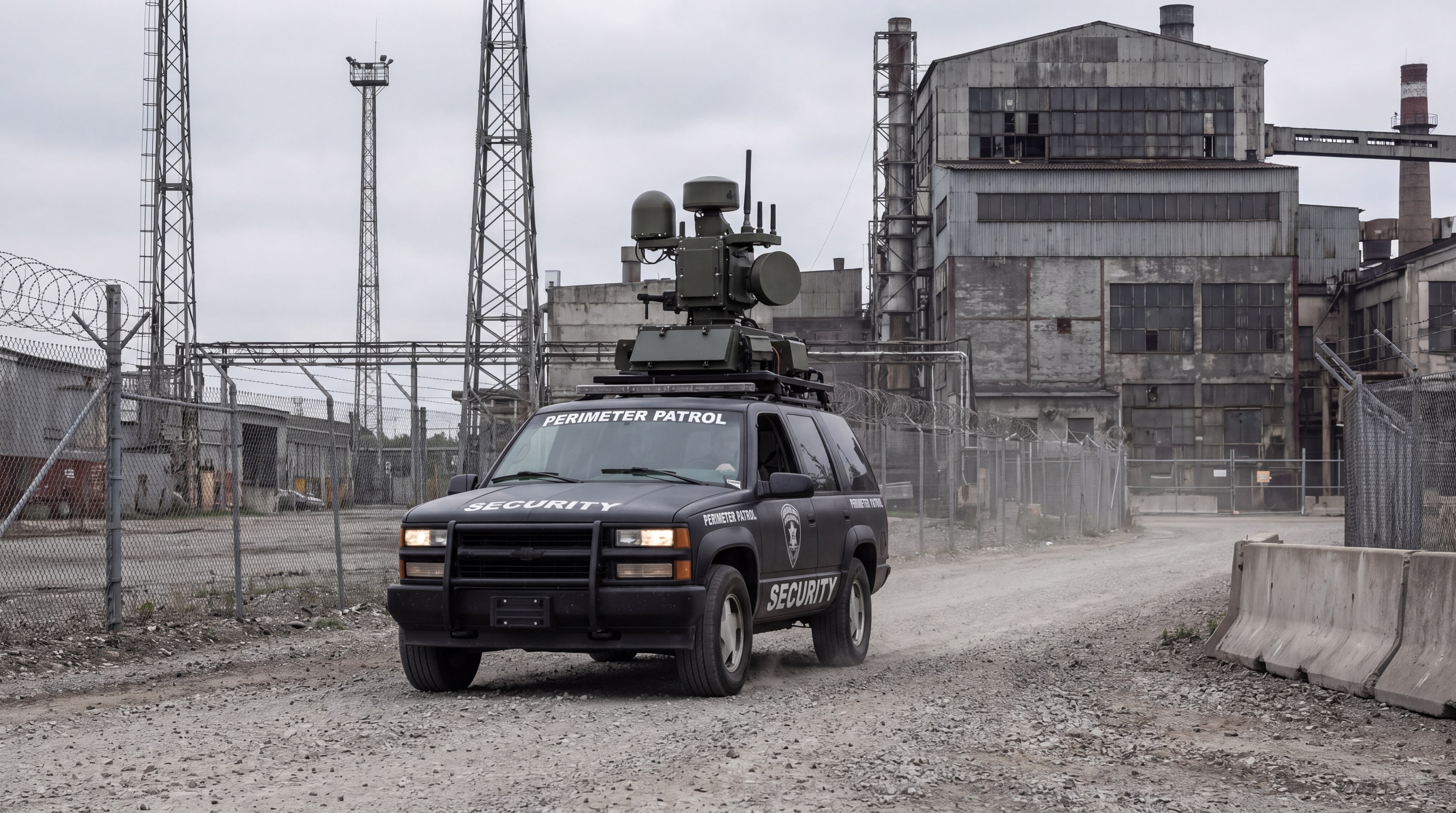
When are portable and fixed units preferred?
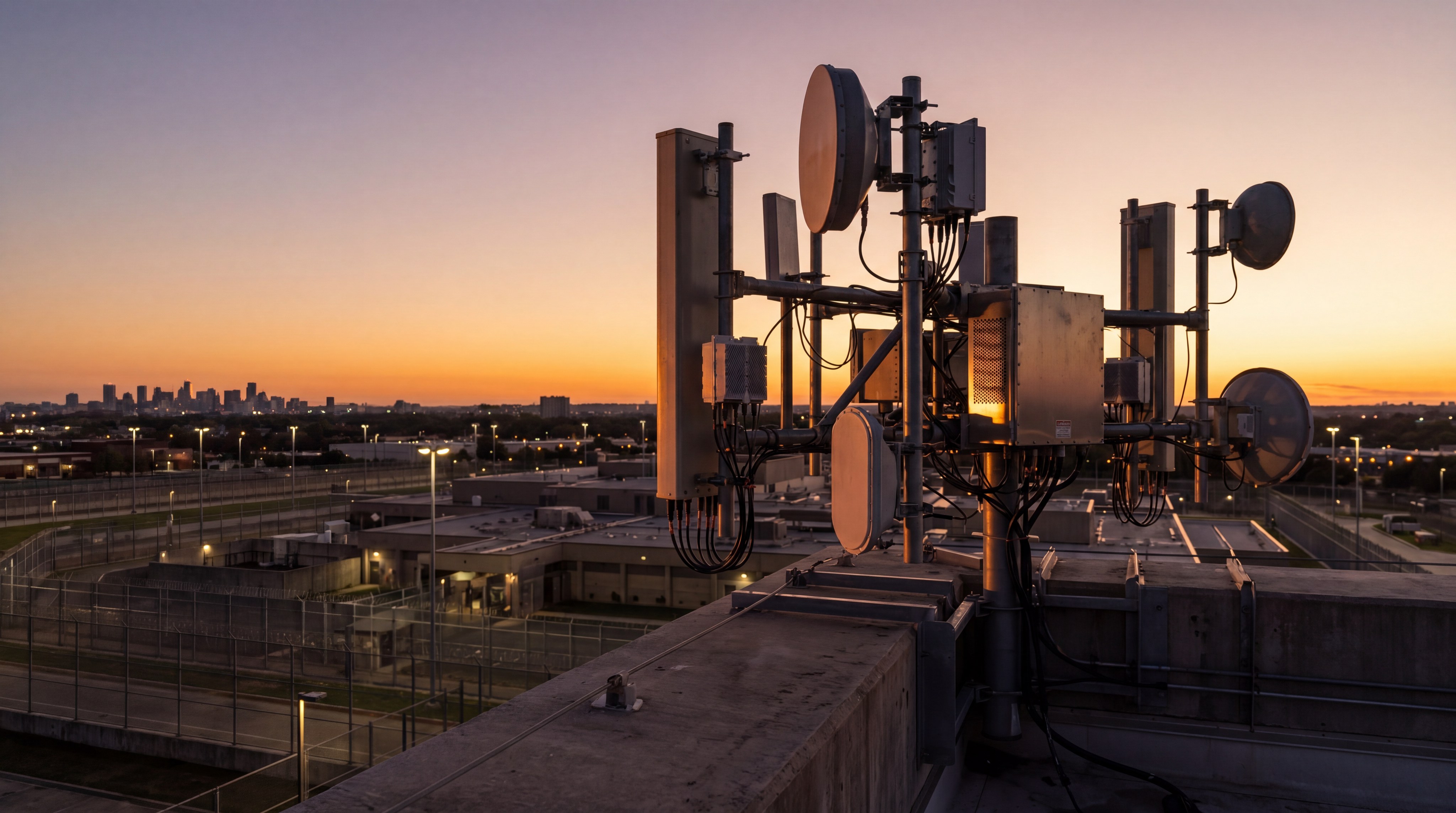
Portable units are “gun-shaped” devices that security personnel can aim directly at a drone in the sky. Fixed units are larger installations designed to provide 24/7 protection for high-value targets like prisons or power plants.
Here is the kicker:
- Portable: Immediate response for security patrols.
- Fixed: Long-range, persistent protection for infrastructure.
- Hybrid: Using both ensures no gaps in your defensive perimeter.
How do vehicle-mounted systems provide flexibility?
Vehicle-mounted jammers are used to protect convoys or temporary event sites. They turn a standard security vehicle into a mobile “no-fly zone” that moves with the protected assets.
But wait, there’s more:
- Mobility: Protection that travels with VIPs or military units.
- High Power: Can house larger amplifiers and power supplies than handheld units.
- Multi-Band: Often covers a wider spectrum to stop diverse drone models.
Key Takeaway: Matching the jammer type to your specific deployment environment ensures that your security personnel have the right tools to neutralize any aerial threat.
| Type | Range | Mobility | Best Use Case |
|---|---|---|---|
| Handheld | 1 – 2 km | Very High | Patrols |
| Fixed | 5 – 10 km | None | Airports / Prisons |
| Vehicle | 2 – 5 km | High | Convoys / VIPs |
The right deployment model ensures that your defense is always ready, regardless of the drone’s approach.
Where is this technology most effective?
This technology is most effective in environments where unauthorized drones pose a direct risk to public safety, national security, or corporate privacy. Many Drone Jammers are deployed at airports to prevent drones from causing dangerous collisions with passenger jets. They are also vital for government buildings and military bases where aerial surveillance could compromise classified operations. By creating an invisible shield, these devices ensure that restricted airspaces remain truly private and secure.
How is military airspace protected?
In conflict zones, drones are often used for reconnaissance or as improvised explosive devices. Jammers allow military units to disable these threats from a safe distance before they can reach friendly lines.
Think about it this way:
- Disables “suicide drones” before impact.
- Prevents enemy scouting of troop movements.
- Protects forward operating bases from constant aerial harassment.
Why is event security using signal disruption?
Large public gatherings, such as concerts or sports games, are vulnerable to drones flying over crowds. Jammers prevent accidents where a drone might fall on people and stop unauthorized filming of private events.
Here is the kicker:
- Crowd Safety: Prevents mechanical failures from causing ground injuries.
- IP Protection: Stops the illegal streaming of copyrighted live content.
- Privacy: Keeps drones away from VIP backstage areas and changing rooms.
Key Takeaway: Jammers provide a critical layer of safety for high-density public spaces where a single rogue drone could cause mass panic or injury.
| Sector | Primary Objective | Key Benefit |
|---|---|---|
| Airport | Flight Safety | Prevents engine strikes |
| Prison | Contraband Control | Stops drop-offs of weapons/drugs |
| Military | Tactical Defense | Neutralizes hostile UAVs |
Deployment in these sectors has become standard practice for modern security professionals.
Which frequency bands are most critical?
The most critical frequency bands for jamming include the sub-1 GHz control bands, the common 2.4/5.8 GHz WiFi bands, and the L-band GPS signals. A professional Drone Jammers must cover all of these to ensure no “holes” exist in the defensive shield. Some high-end industrial drones have begun using non-standard frequencies to bypass basic jammers, making wideband capability a necessity. If your system only covers one band, a sophisticated drone can simply switch to another to maintain control.
What is the importance of wideband coverage?
Wideband coverage ensures that regardless of the drone’s manufacturer or custom settings, it will be affected by the interference. This is crucial for stopping modified drones that “frequency hop” outside of standard commercial bands.
But wait, there’s more:
- Covers 433 MHz, 900 MHz, and 1.2 GHz frequencies.
- Protects against custom-built “long-range” control links.
- Ensures the jammer remains effective as new drone models are released.
How are microwave frequencies managed?
High-frequency microwave bands are increasingly used for high-bandwidth data links in enterprise drones. Jamming these requires specialized high-frequency hardware and precision thermal management.
Here is the best part:
- High Bandwidth: Targets links used for 4K video streaming.
- Precision: Focuses energy on narrow microwave bands to avoid bleed-over.
- Future-Proofing: Prepares your site for the next generation of 6 GHz drones.
Key Takeaway: A “multi-band” strategy is the only way to guarantee that no drone can penetrate your airspace by using unconventional radio settings.
| Frequency Group | Common Frequency | Typical Function |
|---|---|---|
| UHF / L-Band | 433 MHz – 1.6 GHz | Long-range Control / GPS |
| S-Band | 2.4 GHz | Standard Control / WiFi |
| C-Band | 5.8 GHz | High-Def Video Link |
Comprehensive frequency coverage is the hallmark of a professional-grade neutralization system.
How does GaN technology improve results?
Gallium Nitride (GaN) technology improves results by allowing jammers to output more power with less heat and smaller footprints. By using Drone Jammers built on GaN-based power platforms, you can achieve longer range and higher efficiency. GaN devices can operate at much higher voltages and temperatures than traditional silicon, making them ideal for the intense power demands of RF jamming. This technological leap has made portable, battery-powered jammers more effective than ever before.
Why is power efficiency critical in jamming?
High power efficiency means that more of the battery’s energy is converted into a jamming signal rather than being wasted as heat. This allows for longer operational times in the field without needing bulky external cooling systems.
Think about it this way:
- Reduces the overall weight of handheld devices.
- Extends battery life for prolonged security operations.
- Eliminates the need for loud, heavy cooling fans.
How do broadband amplifiers improve results?
Broadband amplifiers can handle multiple frequency bands simultaneously without losing signal quality. This allows a single GaN module to jam 2.4 GHz, 5.8 GHz, and GPS bands all at once.
Here is the kicker:
- Simplified Design: Fewer components are needed to cover the spectrum.
- Reliability: GaN is extremely durable under high-stress conditions.
- Range: Higher power output directly translates to a larger “no-fly” radius.
Key Takeaway: Choosing GaN-based hardware ensures that your jamming equipment is as compact and powerful as possible, giving your team a tactical advantage.
| Metric | Silicon Technology | GaN Technology |
|---|---|---|
| Power Density | Moderate | Very High |
| Heat Tolerance | Limited | Exceptional |
| Size/Weight | Heavy | Lightweight |
GaN is the gold standard for high-performance RF systems used in modern counter-UAS platforms.
Are there legal limits to drone jammer usage?
There are strict legal limits to drone jammer usage, as these devices can interfere with legitimate communication services like cellular networks and emergency radios. Professional Drone Jammers must be used responsibly by authorized government, military, or law enforcement personnel. In many countries, it is illegal for private citizens or businesses to operate jamming equipment without a specific permit. Understanding the regulatory landscape is essential to ensure that your security measures do not inadvertently cause legal trouble for your organization.
Which regulations govern signal interference?
Most countries have telecommunications agencies, like the FCC in the United States, that strictly prohibit unauthorized radio interference. These laws are in place to protect the integrity of public safety frequencies.
But wait, there’s more:
- Jamming can disrupt legitimate Wi-Fi and Bluetooth devices.
- Emergency 911 calls could be blocked if the jammer is tuned poorly.
- Violations can lead to massive fines or criminal prosecution.
What are the ethical implications of jamming?
The primary ethical concern is ensuring that the drone lands safely without falling on a person or vehicle. You must also consider the “collateral” impact on the surrounding community’s internet and phone services.
Here is the best part:
- Controlled Landing: Modern jammers focus on forcing a safe descent.
- Directional Use: Aiming the signal upward minimizes ground-level interference.
- Accountability: Usage logs and clear ROEs (Rules of Engagement) are vital.
Key Takeaway: While highly effective, jamming technology must be deployed with a full understanding of the legal and social consequences to avoid damaging public trust or safety.
Common Questions About Drone Jammers
Can I use a drone jammer to protect my house?
No, in almost all jurisdictions, it is illegal for private citizens to operate jammers because they interfere with authorized radio signals. You should consult local laws, as these devices are typically restricted to government and military use.
What’s the best range for a portable drone jammer?
The best range for a high-quality portable unit is typically between 1 and 2 kilometers, depending on the power output and terrain. This distance provides ample time for security teams to react to an incoming threat.
How do I know if a drone is being jammed successfully?
You will usually see the drone stop moving, hover erratically, or begin a slow, vertical descent toward the ground. The operator will likely appear confused or frustrated as they lose their video feed and control link.
Can I stop a drone without interfering with my own office Wi-Fi?
Yes, by using directional antennas and protocol-specific jamming, you can minimize the impact on your local network. However, some level of “bleed-over” is often inevitable with wideband jamming solutions.
What’s the best way to handle a drone that has already landed?
Once a drone has been forced down, you should treat it as a potential piece of evidence or a hazardous object. Secure the area, do not touch the device, and contact the appropriate law enforcement agencies immediately.
Protecting your facility from unauthorized aerial incursions requires more than just a watchful eye; it requires a proactive, technology-driven defense. By disrupting the radio and navigation links that drones depend on, you can effectively neutralize threats before they reach your perimeter. Whether you are securing an airport, a stadium, or critical infrastructure, having the right RF expertise is the foundation of a successful security posture. To explore advanced RF systems tailored for high-stakes environments, contact us today and let our engineering team help you build a safer tomorrow.
Compliance-aware C-UAS RF chain review
This page should be used for authorized RF security, test-range, government, laboratory or system-integration programs only. CorelixRF supports RF front-end hardware review, amplifier/antenna matching, ruggedization, test documentation and RFQ preparation; local spectrum authorization and operational approval must be handled by the buyer or program owner.
- RF front-end platforms for authorized C-UAS and RF test projects.
- Custom RF systems when standard amplifier or antenna blocks are not enough.
- RF power amplifier platforms and RF antennas for chain-level matching.
- RFQ checklist, delivery documentation, case studies and engineering contact.
CorelixRF authorized RF system review path: for authorized C-UAS RF chains for security sites, connect the compliance scope to the hardware chain before requesting a quote. Review custom RF front-end platforms, confirm the UHF amplifier path, match the RF antenna interface, then send band, power, duty-cycle and documentation needs through engineering inquiry.