
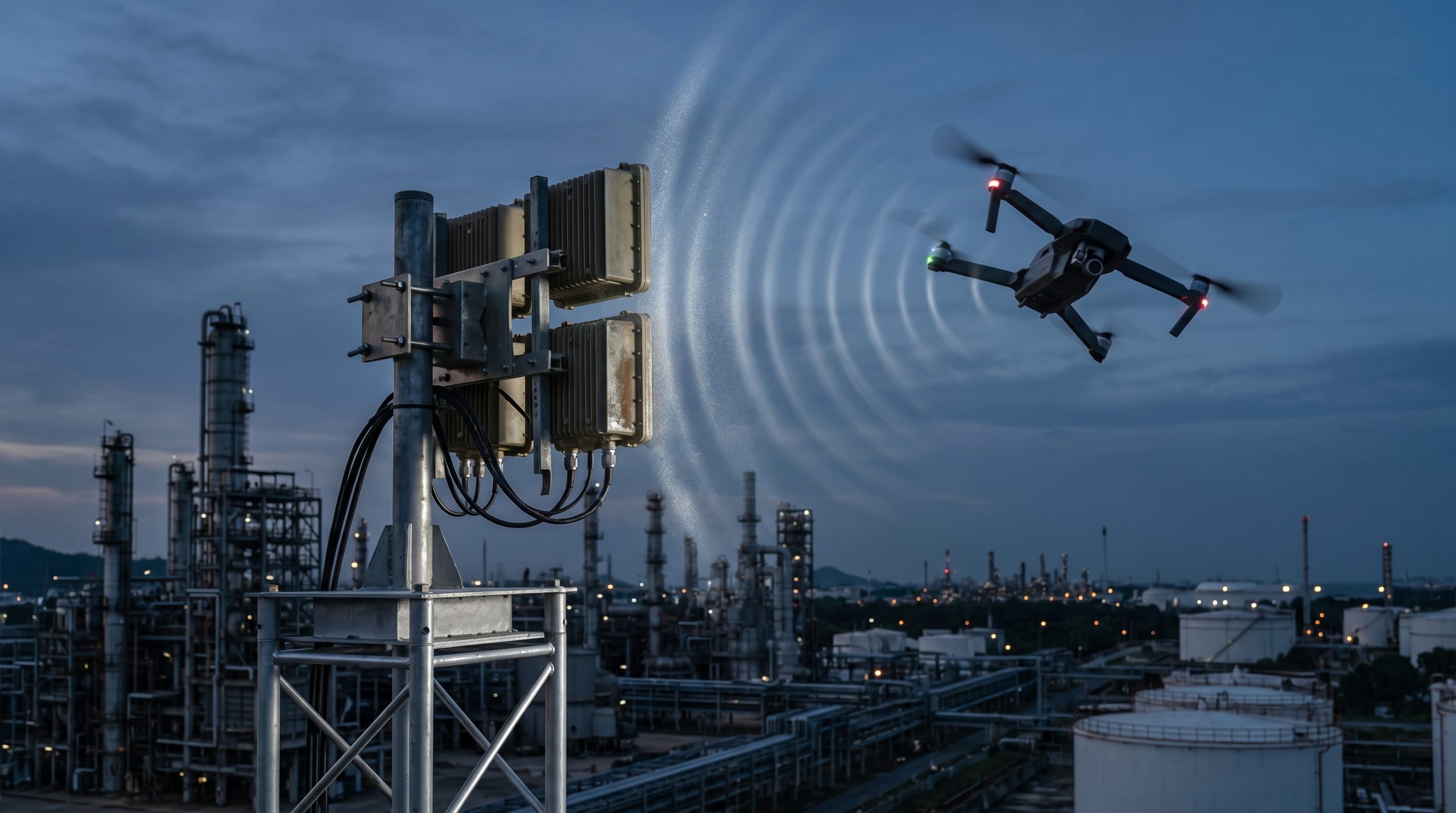
Primary engineering guide: this near-duplicate reference has been consolidated under How to Secure Power Plants Using Advanced Anti-Drone Systems?. Use the primary guide for the latest RF engineering review, compliance-safe wording, RFQ inputs and factory documentation path.
- Open the primary guide for the current topic cluster.
- Prepare RFQ inputs before requesting engineering review.
- Use the RF configurator to summarize band, power, interface and duty-cycle needs.
- Review delivery documentation for FAT-style evidence and shipment records.
- Contact CorelixRF when the project has a documented scope.
Archived page topic: How to Secure Your Facility With Anti Drone Systems?. This page remains available for reference, but search engines are pointed to the primary guide through canonical consolidation.
The primary benefits of utilizing these defensive setups center around neutralizing unauthorized UAVs, securing sensitive airspace, and preventing airborne espionage from corporate rivals. Modern industrial facilities frequently face escalating situations where unidentified quadcopters hover dangerously close to restricted manufacturing perimeters to capture proprietary data. A mere thirty seconds of unmitigated aerial surveillance regularly leads to severe intellectual property theft or immediate physical threats to exposed infrastructure. By deploying an industrial-grade Anti Drone framework, security teams effectively intercept hostile control signals, forcibly compelling intruding devices to land safely or immediately return to their point of origin.
How Do Anti Drone Systems Enhance Site Security?
These defensive grids heavily reinforce site security perimeters by instantly creating an invisible radio frequency shield that aggressively blocks all unauthorized flight paths from overhead infiltration. An actively deployed Anti Drone network continuously monitors the local electromagnetic spectrum, immediately identifying anomalous signal signatures long before a physical breach occurs above your property. When you rely on high-power RF generation to secure your airspace, you actively eliminate the extreme guesswork associated with visual spotting during nighttime operations or heavy weather conditions. Facility managers secure absolute control over their vertical borders, seamlessly dictating exactly which signals can successfully penetrate their secure corporate environment.
Can RF Jamming Stop Intrusions?
Signal interception remains the most reliable and immediate method to halt incoming aerial threats before they gather sensitive visual intelligence. By aggressively overpowering the external control frequencies, defenders systematically strip hostile operators of their navigation capabilities and live video feeds.
- Disrupts standard 2.4GHz and 5.8GHz bands
- Severs satellite GPS navigation links
- Forces immediate hovering or auto-landing
Key Takeaway: Implementing robust signal interference protocols drastically reduces the immediate risk of physical and informational breaches from unidentified aerial vehicles.
| Threat Type | Mitigation Action | Outcome |
| Commercial Quadcopter | RF Control Severance | Forced Landing |
| Autonomous Wing | GPS Protocol Spoofing | Return to Base |
This gathered data highlights how highly targeted interference protocols neutralize the most common aerial risks faced by industrial compounds.
Why Are Anti Drone Systems Needed at Airports?
Aviation hubs require these defensive layers to prevent catastrophic mid-air collisions between commercial aircraft and consumer quadcopters flown by negligent operators. A single unauthorized UAV forces immediate runway shutdowns, costing aviation authorities millions of dollars in delayed operations and massive fuel waste. An Anti Drone setup clears the immediate airspace efficiently by shutting down control links without interfering with the primary radar systems used by air traffic controllers. Implementing this technology shields the massive daily volume of passenger flights from ground-level amateur interference.
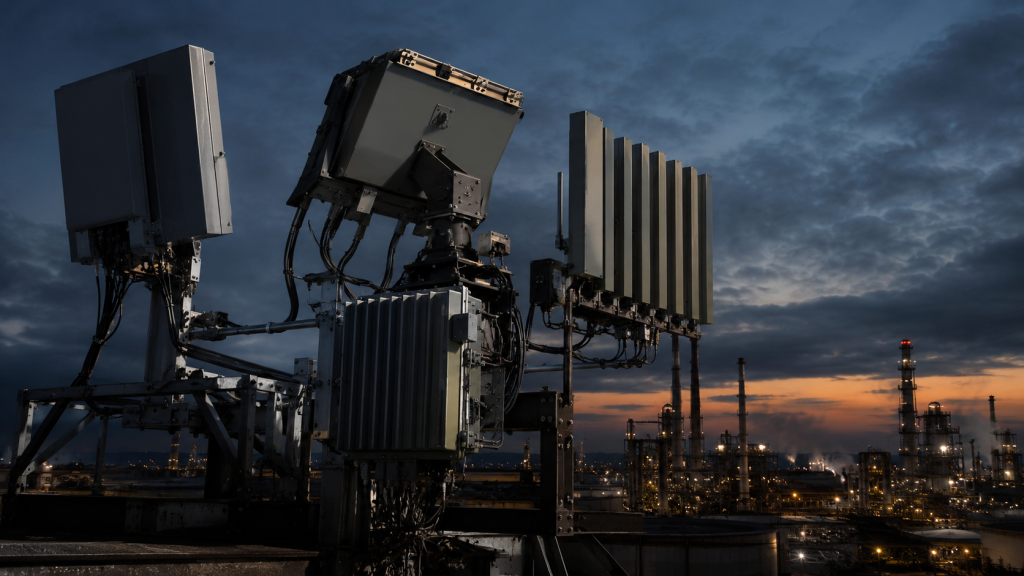
What Happens During a Runway Incursion?
Air traffic controllers must ground all outbound flights and redirect inbound planes the exact moment a rogue unit appears on their tracking screens. The financial and logistical damage compounds rapidly with every passing minute that the airspace remains compromised.
What is the real story?
- Thousands of passengers face severe delays
- Massive jet fuel waste from holding patterns
- Severe safety risks to commercial jet engines
Key Takeaway: Airfield protection networks save aviation authorities from massive logistical failures while protecting thousands of human lives daily.
| Incident Scope | Hourly Financial Cost | Primary Detection Method |
| Full Runway Closure | Over One Million Dollars | Phased Array Radar |
| Perimeter Fence Breach | Over One Hundred Thousand | Optical Sensor Networks |
The financial metrics reveal why rapid threat detection translates directly to massive cost savings for international aviation hubs.
Can Anti Drone Systems Protect Critical Sites?
These defense mechanisms protect critical sites by establishing a multi-layered detection and defeat perimeter around power grids and national data centers. An integrated Anti Drone architecture guarantees no hostile unit can drop physical payloads or scan sensitive infrastructure from a low altitude. Heavy industry demands continuous operational uptime, meaning security managers cannot tolerate any aerial interruptions from activists or state-sponsored actors. Blanket RF disruption secures these massive compounds by denying entry to any non-whitelisted airborne devices.
Do High-Power Amplifiers Matter?
To blanket a massive energy facility, defenders need extreme signal output that absolutely does not degrade over long physical distances. High-efficiency GaN technology provides the necessary power headroom to sustain these defensive barriers during continuous 24-hour operations.
Ready for the good part?
- Continuous frequency coverage without gaps
- Zero output degradation under extreme heat
- Supports continuous wave and sweep modulation
Key Takeaway: Deploying industrial-grade RF hardware guarantees persistent protection for national infrastructure assets facing continuous asymmetric threats.
| Facility Site Type | Primary Airborne Threat | Strategic Defense Strategy |
| Nuclear Power Plant | Kinetic Payload Drop | Wideband RF Jamming |
| Hyperscale Data Center | Wi-Fi Signal Sniffing | Directional Protocol Block |
Matching the specific defense strategy to the facility type guarantees peak resource efficiency during high-stress deployments.
What Are the Financial Benefits of Anti Drone?
The financial benefits stem directly from preventing costly operational halts, massive intellectual property theft, and physical damage to expensive manufacturing assets. An active Anti Drone investment pays for itself the very first time it stops a hostile surveillance attempt on a proprietary automotive test track. Corporate boards recognize that replacing a damaged transformer or losing a patented design costs exponentially more than installing a permanent RF security grid. This proactive capital expenditure functions as an ironclad insurance policy against modern airborne corporate espionage.
How Does Threat Mitigation Save Money?
Every thwarted espionage attempt legally protects millions of dollars heavily invested in secretive research and development cycles. Physical damage from deliberately dropped payloads requires expensive component repairs and causes lengthy, unacceptable operational downtime.
- Prevents catastrophic IP theft scenarios
- Reduces facility property insurance premiums
- Avoids devastating factory operational downtime
Key Takeaway: Proactive aerial defense serves as a direct financial shield for enterprise assets against untraceable industrial competitors.
| Corporate Risk Category | Potential Financial Loss | Mitigation ROI Speed |
| Intellectual Property Theft | Extremely High Impact | Immediate Return |
| Production Line Downtime | Medium to High Impact | Six Month Horizon |
Evaluating these distinct categories proves that upfront hardware investments yield rapid financial returns for massive industrial corporations.
How Do Anti Drone Systems Prevent Smuggling?
Correction facilities heavily rely on these technologies to block the delivery of contraband, weapons, and narcotics dropped from the night sky. Implementing an active Anti Drone barrier cuts off the preferred supply route heavily utilized by modern organized criminal networks. Traditional ground-based security measures completely fail to stop automated quadcopters flying high above guard towers during zero-visibility weather conditions. Severing the radio control link drops the illicit cargo safely outside the prison perimeter, maintaining total institutional order.
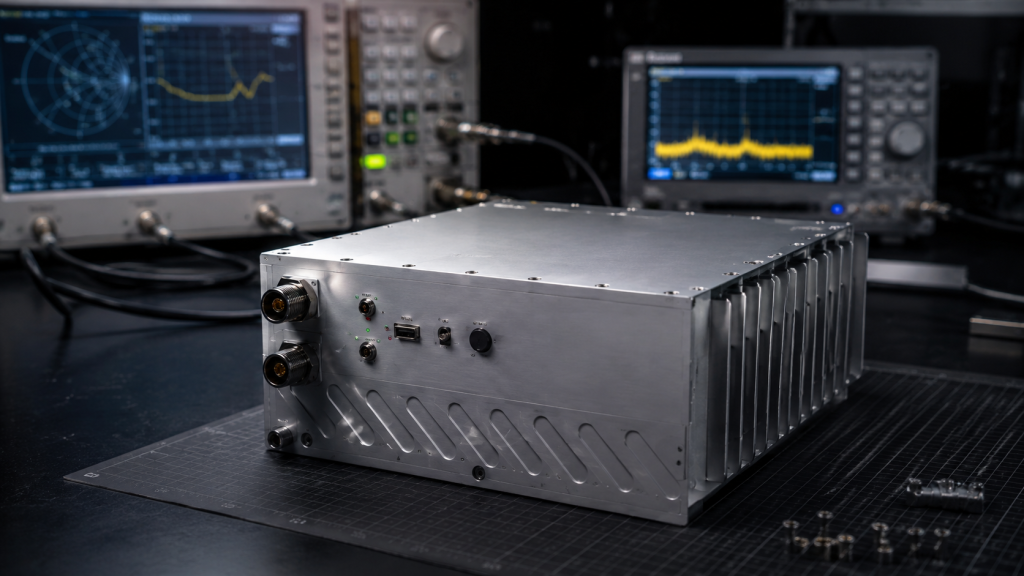
Can Prisons Stop Aerial Deliveries?
Inmates frequently coordinate with outside accomplices to fly heavy payload quadcopters directly over highly secured prison walls. Traditional watchtowers simply cannot spot small, fast-moving aerial vehicles painted black and flown completely without navigation lights.
- Aggressively blocks remote control signals
- Triggers automatic facility lockdown alarms
- Accurately pinpoints ground pilot locations
Key Takeaway: Severing the RF transmission link forces the payload to drop outside the secure perimeter, starving illicit internal prison economies.
| Illicit Contraband Type | Preferred Delivery Method | RF Countermeasure Action |
| Chemical Narcotics | Zero Visibility Night Flight | Broadband RF Disruption |
| Cellular Mobile Phones | Automated Waypoint Drop | GPS Signal Spoofing |
Targeting the actual delivery vector remains the most efficient methodology to strictly maintain facility integrity against outside coordination.
Do Anti Drone Systems Mitigate Espionage?
Defensive RF networks heavily mitigate espionage by scrambling the high-definition video transmission feeds used by corporate spies to steal trade secrets. An active Anti Drone array acts as a digital blackout curtain over highly sensitive research and development campuses. Competitors often utilize advanced optical zoom cameras mounted on silent electric quadcopters to read documents through glass boardroom windows. Breaking this specific telemetry link blindfolds the hostile operator, rendering their expensive intelligence-gathering mission a complete failure.
How Are Trade Secrets Stolen From Above?
Rival companies fly high-resolution cameras near executive office windows or directly over outdoor testing tracks to gather highly proprietary design data. These completely silent observers operate far beyond the physical reach of standard ground-based security cameras and perimeter fences.
- High-definition video streams forcefully intercepted
- Critical telemetry data instantly blocked
- Spies lose all visual flight feedback
Key Takeaway: Neutralizing external data transmission links thoroughly protects corporate intelligence from unauthorized airborne observation and digital recording.
| Known Espionage Method | Primary Corporate Target | Defense Mechanism Applied |
| Visual Optical Recording | Unreleased Prototypes | Video Feed Jamming |
| Wireless Wi-Fi Sniffing | Internal Office Networks | Protocol Signal Spoofing |
Blocking these highly specific intrusion methods securely completely tightens the intellectual property lifecycle against foreign observation.
How Can Anti Drone Systems Secure Events?
Event organizers rapidly deploy these systems to shield massive stadium crowds from unauthorized aerial filming and potential airborne terror threats. A temporary Anti Drone installation provides a highly safe operational bubble over crowded sports stadiums and open-air music festivals. A falling quadcopter, whether due to a dead battery or malicious intent, poses a severe physical danger to densely packed attendees. By blocking unauthorized flights, organizers completely secure their exclusive broadcasting rights while eliminating the threat of panic-inducing aerial accidents.
Are Crowds Safe from Aerial Threats?
Unregulated amateur pilots frequently attempt to capture free concert footage, blindly risking catastrophic hardware failures directly over thousands of unaware spectators. Broadcasters also lose significant pay-per-view revenue when pirates illegally stream exclusive live events from unmonitored vantage points in the sky.
What is the catch?
- Protects exclusive corporate broadcast rights
- Prevents mass panic from falling debris
- Secures exposed VIP outdoor seating areas
Key Takeaway: Tactical RF deployment at major public gatherings heavily protects both human safety and highly lucrative commercial broadcasting rights.
| Public Event Type | Core Security Vulnerability | Tactical Defense Response |
| Major Sports Stadium | Live Broadcast Piracy | Omni-directional Frequency Jamming |
| Outdoor Music Festival | Dense Crowd Safety | Sector Specific RF Block |
Adapting the precise tactical response to the exact venue layout guarantees complete coverage for high-density public gatherings.
What Role Do Anti Drone Systems Play in Defense?
Military forces heavily depend on these tactical networks to shield forward operating bases from enemy reconnaissance and highly lethal loitering munitions. A robust Anti Drone protocol constitutes the very first line of physical defense against modern asymmetric warfare tactics deployed globally. Combat commanders require hardware that can instantly sever enemy communication links before a hostile swarm can coordinate a targeted strike. Equipping platoons with man-portable disruption gear fundamentally shifts the battlefield advantage back to the defending ground infantry.
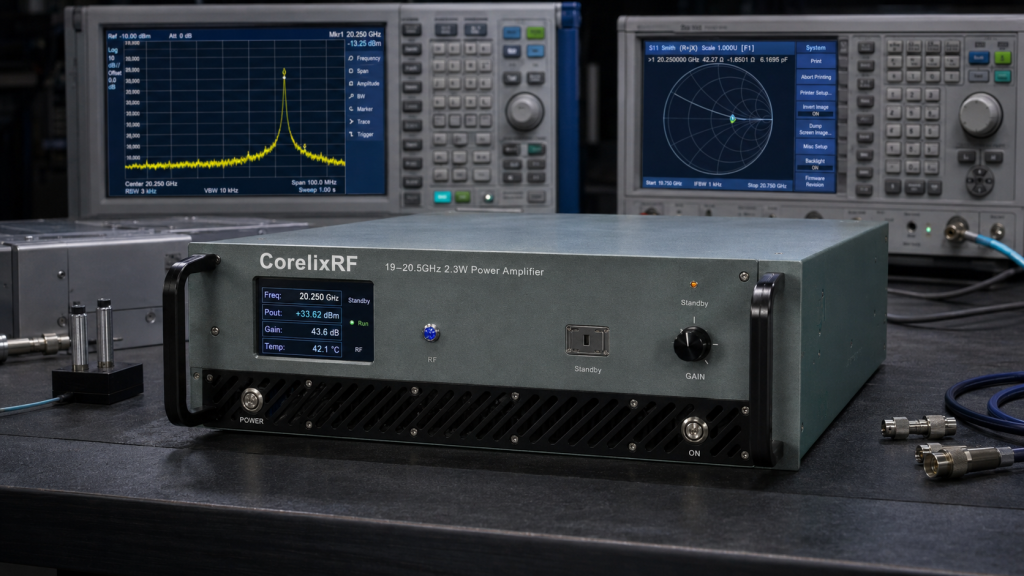
Can RF Gear Survive the Battlefield?
Harsh combat environments strictly demand ruggedized hardware highly capable of enduring extreme temperature fluctuations and continuous mechanical vibration. Only heavily vetted military-grade manufacturing protocols can yield reliable hardware that performs flawlessly under active enemy fire.
Ready for the good part?
- Flawlessly survives extreme thermal shock
- Resists continuous heavy mechanical vibration
- Delivers continuous high-power RF output
Key Takeaway: Field-tested RF equipment forms the absolute backbone of modern troop protection strategies against automated aerial threats.
| Environmental Stressor | Hardware Design Requirement | Manufacturing Testing Standard |
| Rapid Thermal Fluctuation | Solid GaN Heat Sinks | Strict MIL-STD-810 |
| Heavy Shock & Vibration | Thick Conformal Coating | Phase 3 Stress Verification |
Strict adherence to these exact testing standards clearly separates tactical military gear from standard commercial consumer hardware.
Are Anti Drone Systems Effective for VIPs?
Close protection security teams utilize portable versions of these systems to actively create mobile safe zones around high-profile individuals. A vehicular Anti Drone unit strictly prevents targeted harassment or direct assassination attempts while moving swiftly through dense urban canyons. Static defenses completely fail when a high-value target is continuously moving between different unsecured global locations. Attackers utilize high-speed, heavily modified racing units to completely bypass traditional armored vehicle protections from directly above the motorcade.
Do Mobile Convoys Need Air Support?
Securing a moving motorcade requires a dynamic frequency shield that constantly moves in perfect synchronization with the primary executive transport vehicle. These highly specialized roof-mounted systems automatically flood local control frequencies, creating an impenetrable dome of protective interference.
This is where it gets interesting…
- Creates a constantly moving RF dome
- Operates seamlessly on vehicle alternator power
- Requires absolutely zero manual targeting
Key Takeaway: Integrating automatic RF disruption into mobile security convoys effectively eliminates the vertical vulnerability window during high-risk transit.
| VIP Transit Mode | Primary Threat Vector | System Form Factor Type |
| Heavy Armored SUV | FPV Kinetic Strike | Roof-Mounted Omni Antenna |
| Exposed Foot Patrol | Unwanted Surveillance | Man-pack Backpack Jammer |
Matching the specific hardware form factor to the exact transit mode securely guarantees continuous VIP protection anywhere.
How Do Anti Drone Systems Protect Data Privacy?
These electronic countermeasures strictly maintain data privacy by shutting down unauthorized Wi-Fi sniffing and Bluetooth interception platforms flown directly over corporate networks. An active Anti Drone shield firmly keeps highly sensitive internal communications completely locked within the physical building perimeter. Hackers now routinely attach microscopic computing nodes to quadcopters and land them on unmonitored office roofs to quietly penetrate local networks. Defeating these airborne cyber attacks requires a robust radio frequency barrier that blocks all unauthorized wireless handshakes.
Can UAVs Hack Corporate Networks?
Cyber criminals heavily rely on hovering platforms to completely bypass physical lobby security and directly attack vulnerable roof-mounted server access points. These hidden aerial nodes act as persistent, invisible backdoors into highly secure enterprise server environments.
- Stops remote server database access
- Blocks wireless protocol exploitation
- Secures sensitive executive communications
Key Takeaway: Defending the physical airspace directly above a corporate office serves as a absolutely mandatory component of any modern cybersecurity framework.
| Cyber Attack Threat | Specific Attack Vector | Physical Defense Action |
| Rogue Access Point | Physical Roof Landing | Active RF Perimeter |
| Wireless Network Sniffing | High Altitude Hovering | Direct Signal Flooding |
Bridging physical airspace control and digital cybersecurity protocols stops complex hybrid attacks completely cold before data breaches occur.
Deploying military-grade RF chain solutions resolves the highly urgent need to securely protect critical airspace against unauthorized surveillance, smuggling operations, and direct kinetic attacks. By engineering full-band frequency control mechanisms, we supply the foundational high-power hardware that actively empowers system integrators to build impenetrable defensive perimeters. If you specifically require specialized engineering support to construct a custom interference platform, contact us today. CorelixRF stands heavily committed to delivering the highest standard of engineering truth to the global defense sector.
FAQ
Q1: Can I deploy these defense systems in urban environments?
Yes, you can operate them securely in dense cities. Urban deployment strictly requires highly directional antennas and precise frequency calibration to actively avoid disrupting local civilian communications.
Q2: What’s the best frequency range for stopping consumer UAVs?
The most effective range strictly targets the 2.4GHz and 5.8GHz bands. Most commercial quadcopters heavily rely on these precise frequencies for remote control navigation and live video transmission.
Q3: How do I know if my facility requires an active defense shield?
You strictly require protection if you actively handle sensitive data or house critical infrastructure. Unauthorized aerial surveillance poses a severe physical risk to any proprietary manufacturing operation or high-value asset.
Q4: Can I integrate these modules into an existing radar network?
Yes, seamless digital integration represents standard engineering practice. Modern RF disruption modules connect directly with established radar and optical sensor suites for completely automated threat triggering.
Q5: What’s the best way to guarantee hardware longevity in extreme heat?
GaN-based amplification architecture serves as the proven engineering solution. This highly advanced material successfully handles massive thermal loads while maintaining highly stable power output without any performance degradation.
Authorized RF engineering and compliance review
For regulated RF systems, this page should be used as an engineering and compliance review path, not as a public deployment checklist. CorelixRF starts with authorization status, operating region, frequency plan, output limit, antenna interface, safety controls, thermal limits and acceptance documents.
- RFQ checklist – send the data buyers usually forget, including band, power, duty cycle, interface and test standard
- delivery documentation – check what documents can support incoming inspection, FAT review and long-term maintenance
- quality and certification review – review the quality and compliance evidence before the project moves into procurement
- RF front-end platform – compare the RF chain as a system instead of selecting one isolated module
- RF configurator – turn frequency, power, thermal and interface requirements into a first configuration brief
- case studies – review similar engineering paths before sending an RFQ
- engineering contact – send the application notes, block diagram or target specification to engineering sales
This keeps the discussion inside lawful, authorized RF programs while still giving procurement teams a clear way to request amplifier, antenna, SDR source, documentation and factory review.