
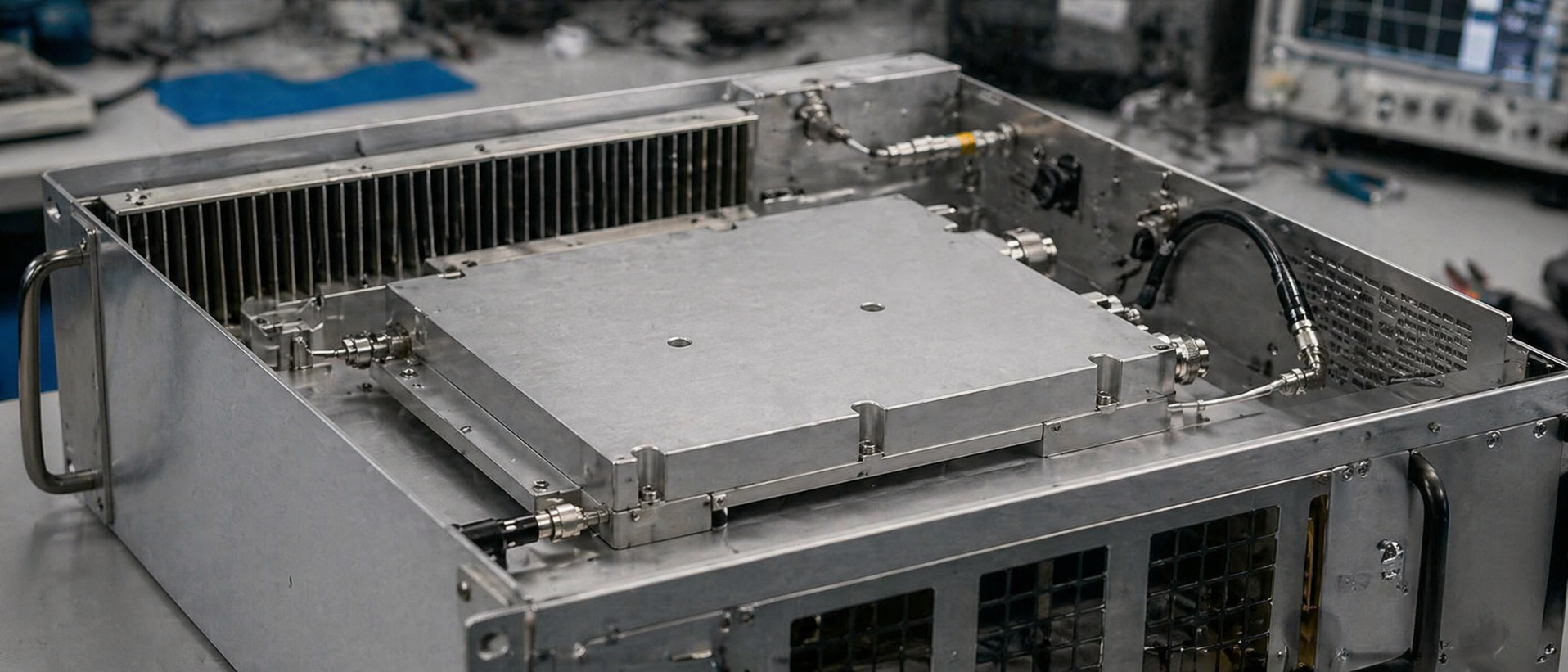
RF Integration & Custom RF Hardware Platforms
Factory-direct integration support for RF amplifiers, SDR signal sources, antennas, control interfaces, mechanical structures, cooling design, and rack-ready RF hardware platforms.
CorelixRF helps engineering teams configure matched RF signal chains for laboratory systems, OEM equipment, communication platforms, RF sensing projects, and custom system-level validation.
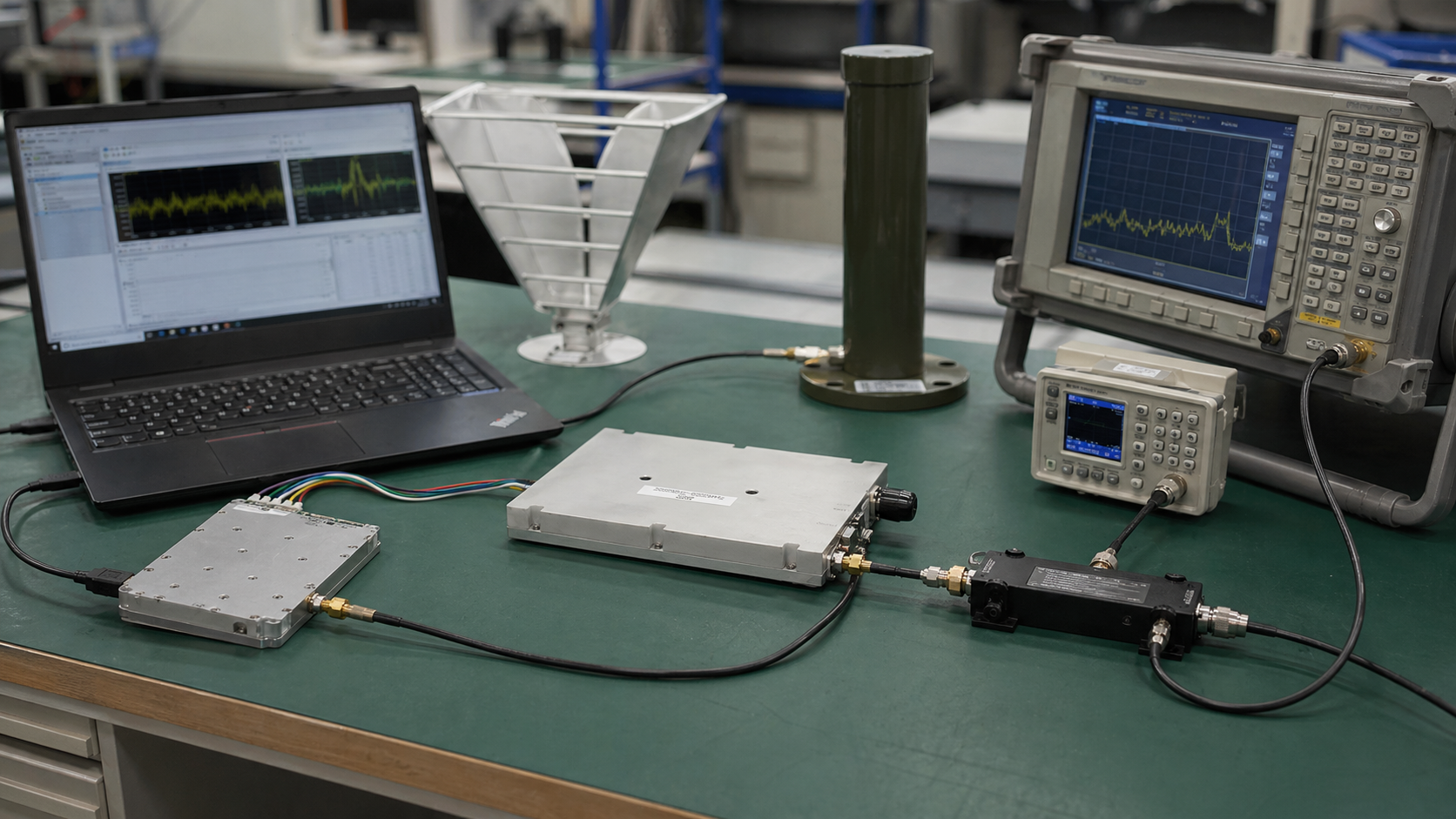
Common Challenges in RF Hardware Integration Projects
RF integration projects often become difficult when frequency range, output power, antenna power handling, connectors, control interfaces, mechanical layout, and cooling design are not confirmed before hardware delivery.
When SDR sources, RF amplifiers, antennas, cables, and connectors are sourced separately, customers may face mismatch in frequency range, output power, VSWR, interface type, and system behavior.
High amplifier output does not automatically mean the full RF chain is safe. Antenna, cable, connector, and load power handling must be reviewed together.
Module size, mounting holes, connector direction, airflow path, and enclosure space must be confirmed before the hardware is integrated into the customer's system.
RS422, RS485, LAN, GPIO, USB, or project-specific control interfaces can affect cable routing, panel design, controller selection, and system commissioning.
High-power RF hardware may need continuous operation. Cooling method, airflow, baseplate contact, fan design, and enclosure layout should be reviewed early.
Catalog specifications are not enough for integration projects. Customers often need output power, gain response, frequency behavior, interface details, and unit-level test data before deployment.
How CorelixRF Supports RF Integration
CorelixRF supports customers from requirement review and RF chain matching to mechanical confirmation, factory testing, and delivery documentation.
We review frequency range, output power, signal source, antenna type, installation format, control interface, cooling requirement, operating environment, and project stage.
→We help match SDR signal source, RF amplifier, antenna, cable, connector, load condition, control interface, and power handling requirements before production.
→We review module size, rack format, mounting holes, connector position, airflow, heat sink, fan structure, baseplate contact, and enclosure space.
→We verify RF output, gain response, frequency coverage, thermal behavior, control interface, and unit-level configuration before shipment.
Typical RF Integration Architectures
Different RF projects require different integration approaches. CorelixRF helps customers configure RF hardware chains around signal source, output power, antenna type, mechanical format, and control interface.
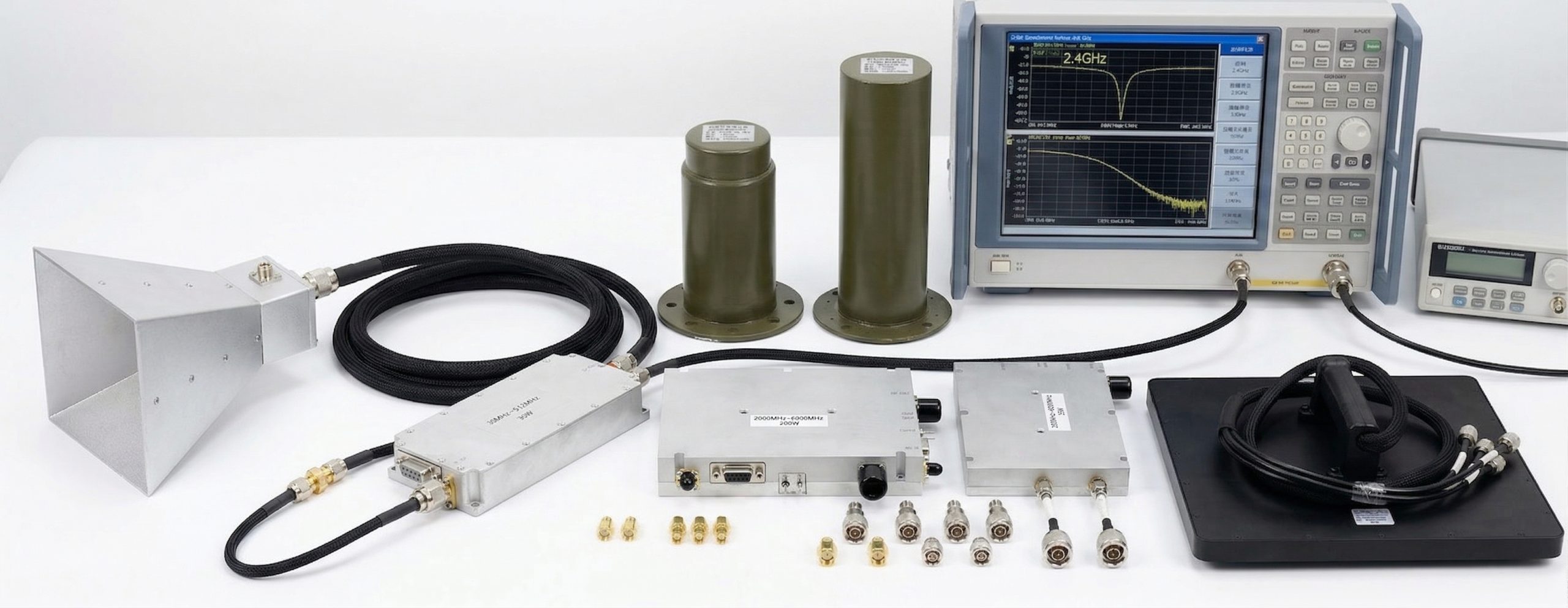
A matched transmit-side RF chain for customers who need programmable RF signal generation, power amplification, and antenna output in one integration-ready configuration.
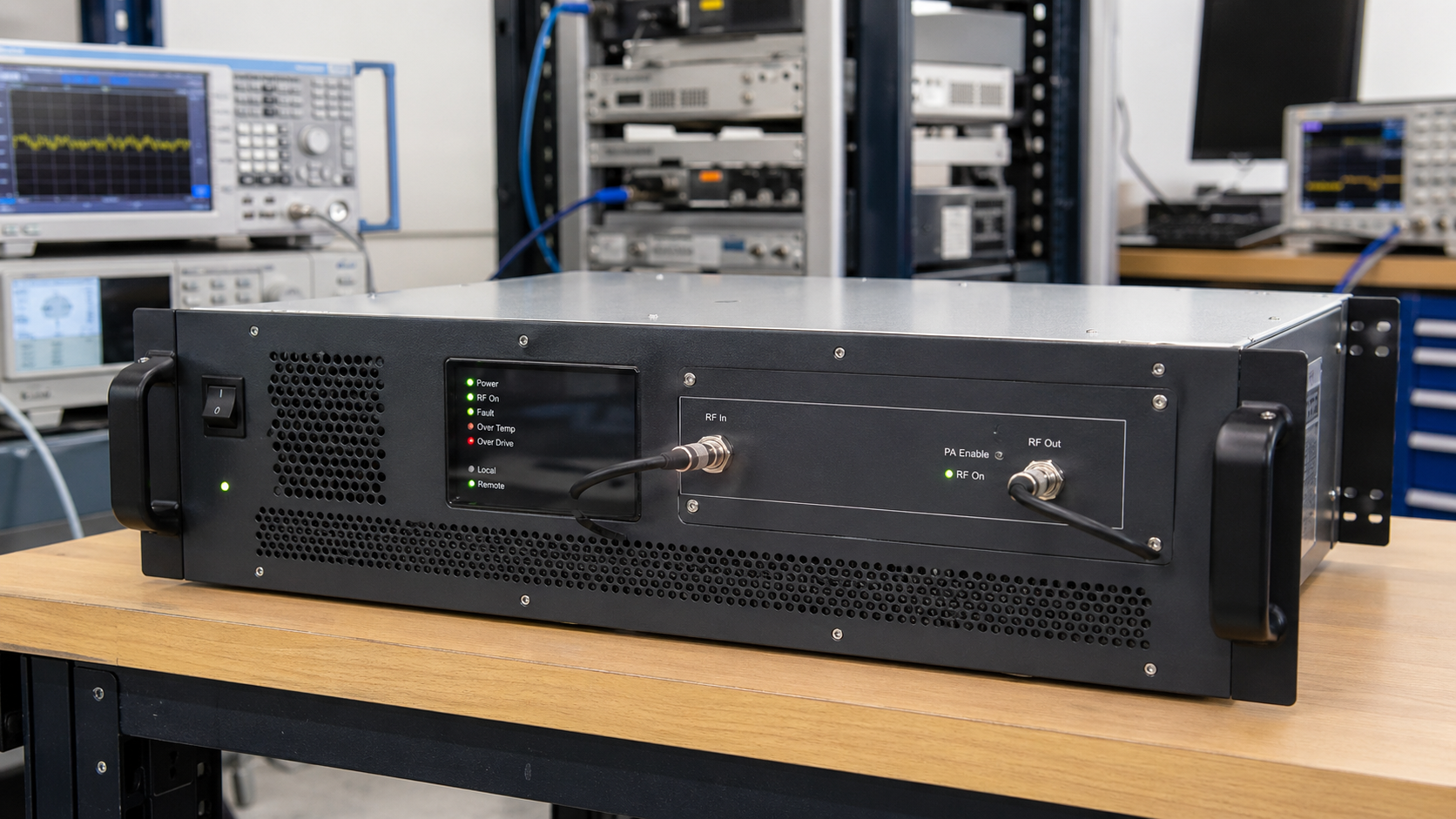
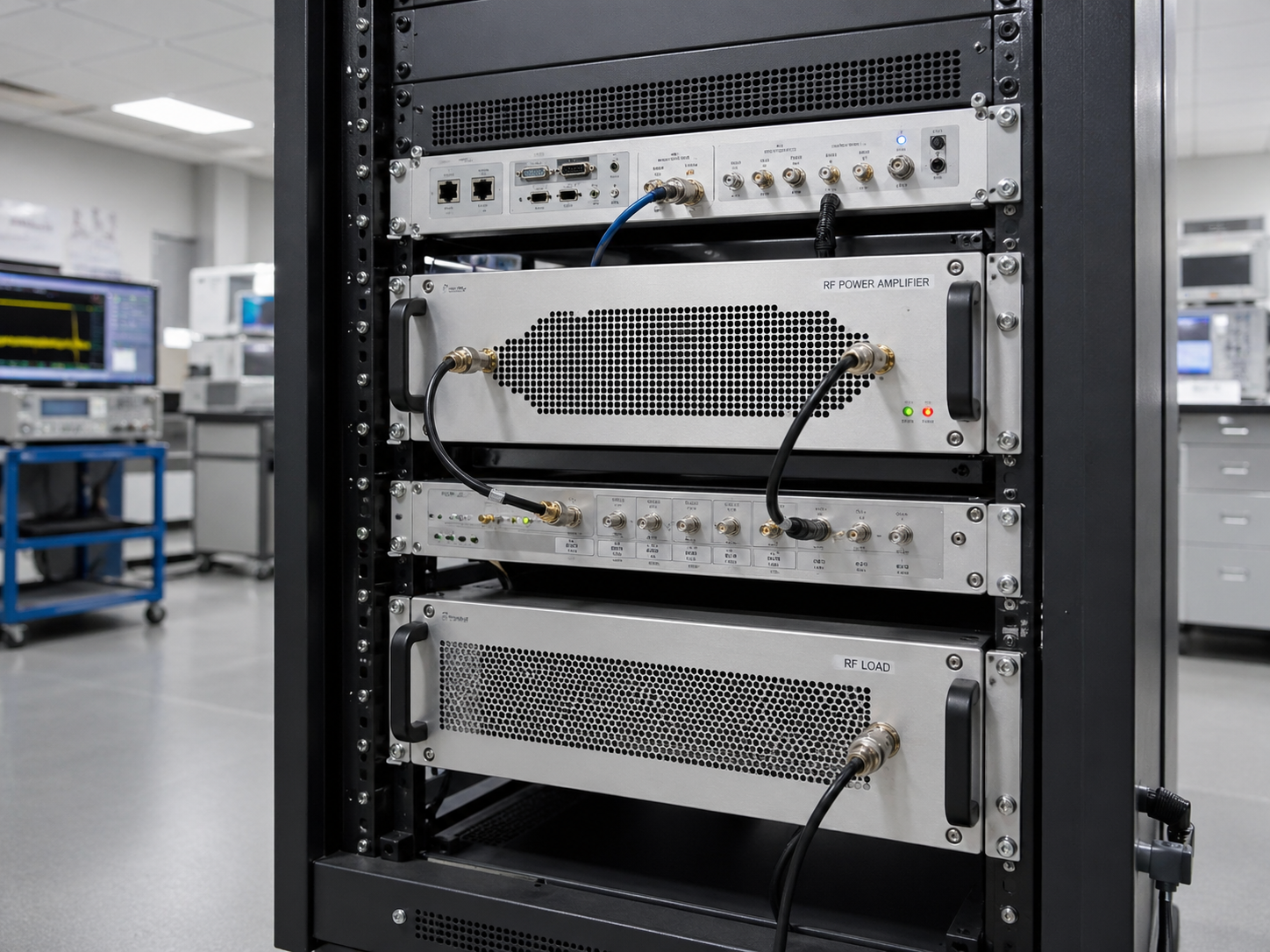
A rack-ready RF amplifier configuration for laboratory systems, automated benches, production validation, and long-duration RF testing.
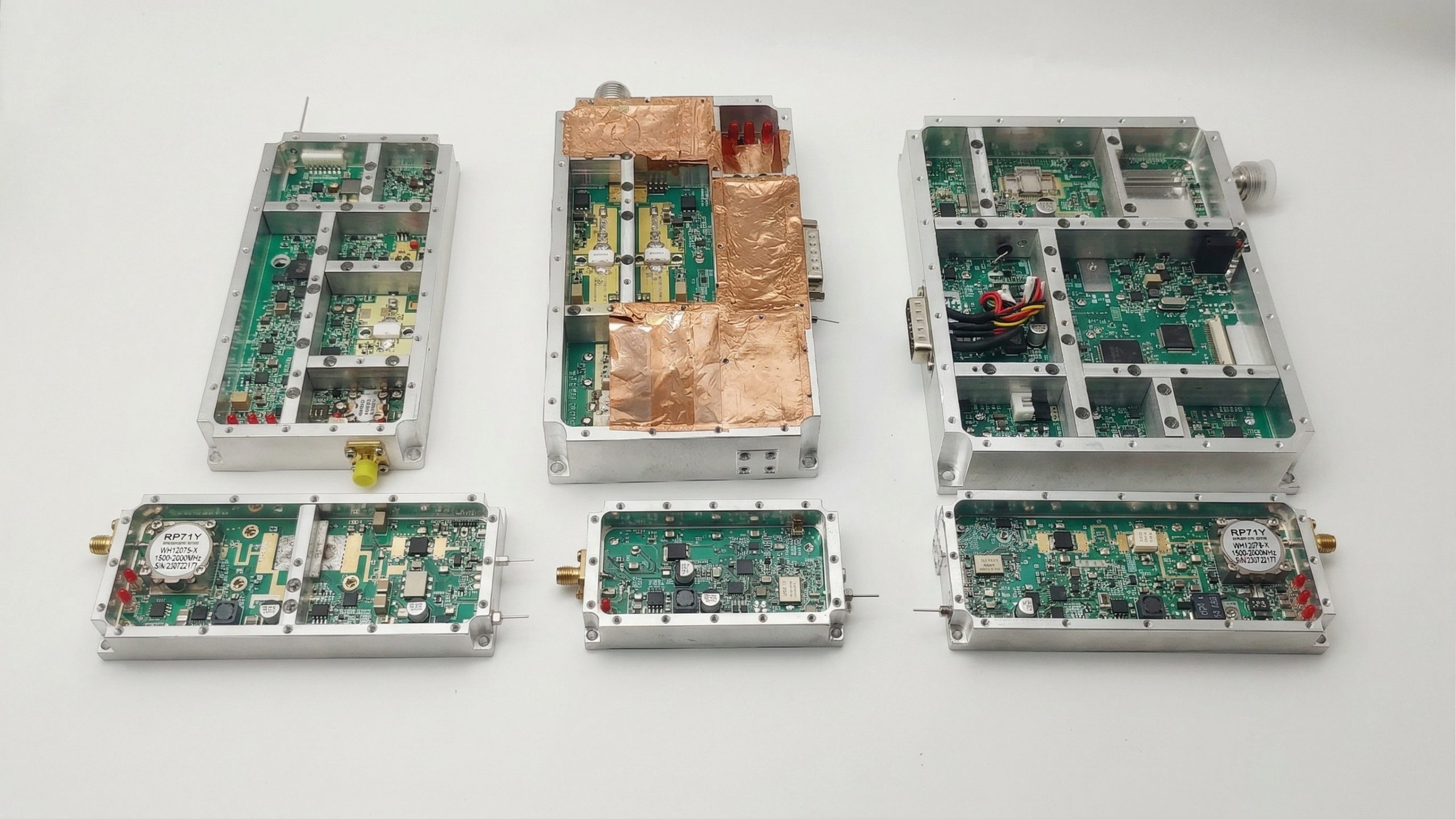
An embedded RF hardware configuration for customers who need RF modules or amplifiers installed inside their own equipment or enclosure.
A receiving-side RF front-end architecture for spectrum monitoring, RF sensing, signal environment observation, and receiver-side validation.
RF Hardware Platforms Used in Integration Projects
CorelixRF provides RF hardware platforms that can be supplied as standalone components or configured as matched RF chains for system-level integration.
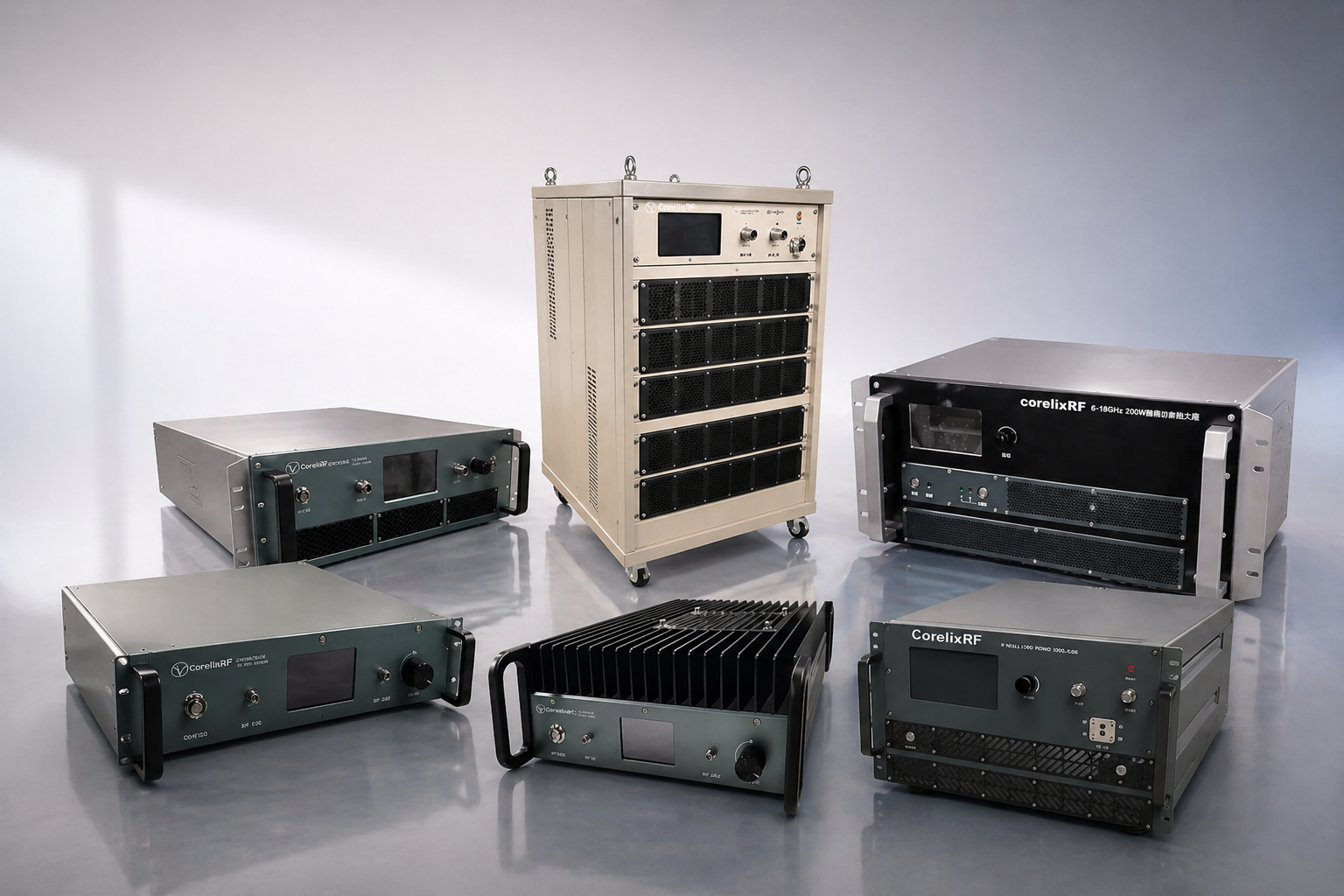
Signal amplification, broadband or band-specific output, module-level integration, rack-mounted systems, laboratory validation, and OEM hardware platforms.
- Wideband / band-specific platforms
- CW / pulse support
- Protection design
- Rack or module format
- Connector and control interface options
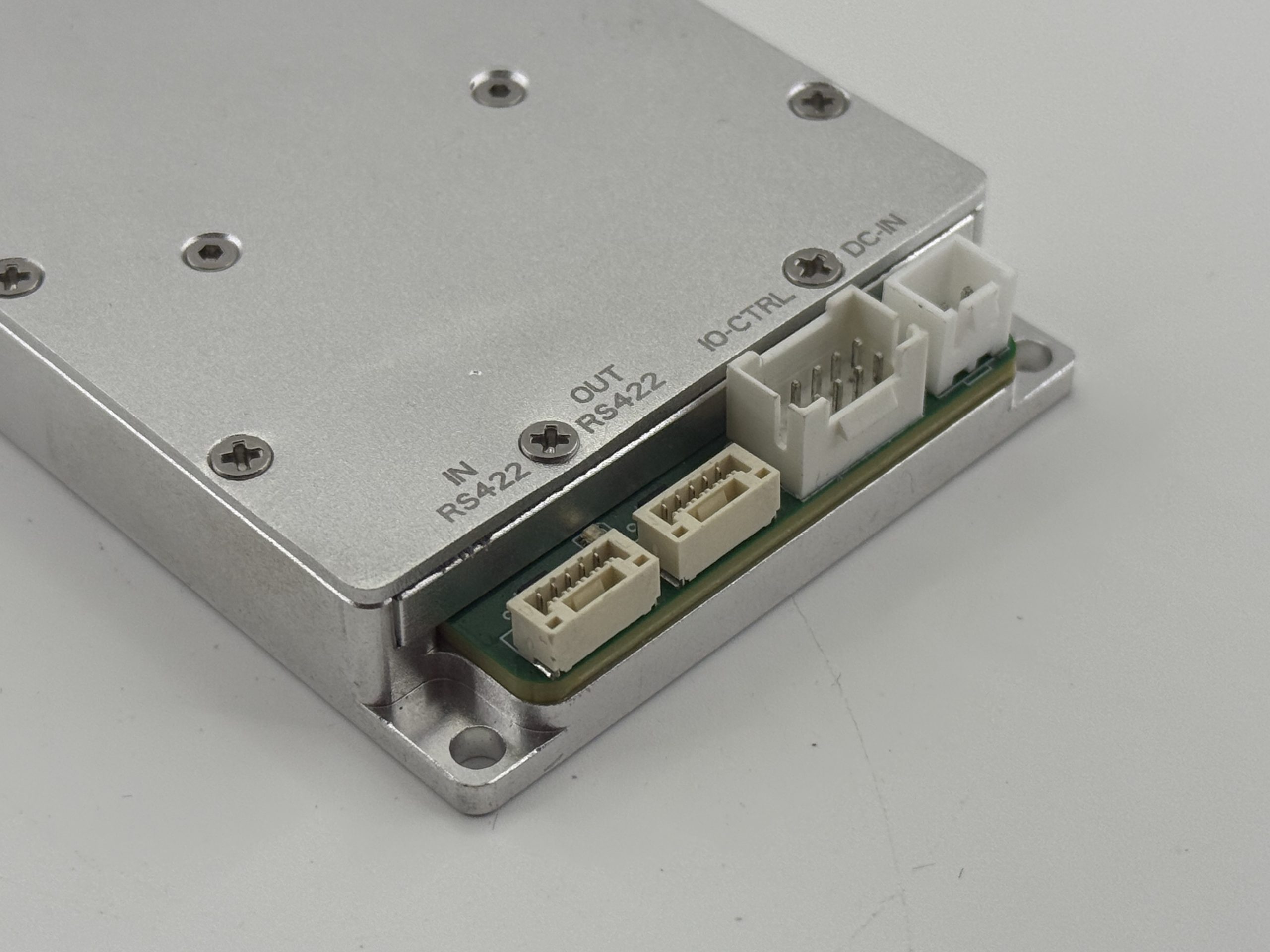
Programmable RF signal sources for multi-band test input, SDR + PA chains, OEM board-level integration, and laboratory validation platforms.
- Board-level OEM format
- Programmable signal generation
- Control interface support
- Suitable for SDR + PA + antenna chains
- Project-specific configuration
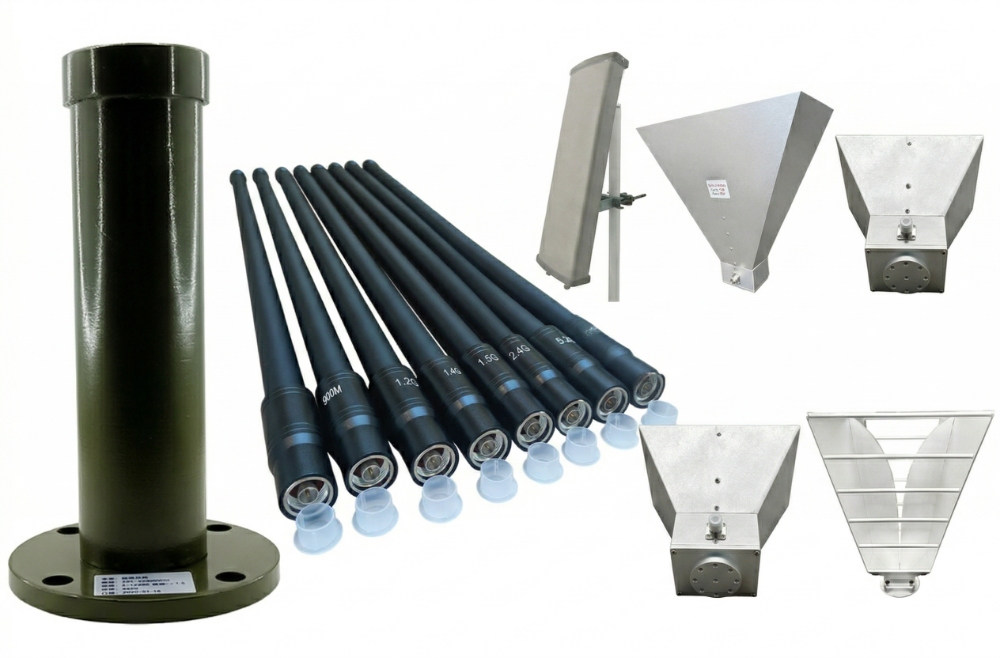
RF transmit output, receiving, monitoring, directional testing, broadband signal chains, and system-level antenna matching.
- Omnidirectional / directional options
- Broadband / band-specific coverage
- VSWR review
- Power handling
- Connector and mounting options
Matched SDR + PA + antenna chains, rack-mounted RF systems, bench test setups, custom enclosures, and OEM hardware integration.
- Connector matching
- Thermal design
- Control interface review
- Mechanical integration
- Factory testing
Custom RF Integration Options
For projects that cannot be solved by standard catalog models, CorelixRF supports project-specific adjustments in frequency, output power, connectors, control interface, mechanical format, cooling structure, antenna matching, and test documentation.
Adjust RF hardware coverage around the customer's target band, validation range, or application-specific frequency plan.
Match output power to antenna type, load condition, DUT requirement, test distance, and system-level operating objective.
Support SMA, N-type, or project-specific RF connector requirements for input, output, test ports, and system interfaces.
Support RS422, RS485, LAN, GPIO, USB, or project-level control interface confirmation before mechanical design.
Support module-level, rack-mounted, enclosure-based, front-panel, or OEM installation formats.
Review heat sink, fan, airflow, baseplate contact, and continuous-operation thermal requirements.
Match antenna type, frequency range, gain, power handling, directionality, connector type, and mounting format with amplifier output.
Provide interface information, configuration details, unit-level test data, and engineering confirmation documents for system integration.
From Requirement Review to Factory-Tested RF Hardware
CorelixRF follows a practical engineering workflow to help customers reduce RF chain mismatch before hardware delivery.
Frequency range, output power, application type, signal source, antenna requirement, installation space, control interface, power supply, and project stage.
Recommends suitable RF hardware chain including SDR, RF amplifier, antenna, connector type, cable routing, control method, and integration format.
Review dimensions, mounting holes, airflow, fan structure, heat dissipation, panel interface, enclosure space, and cable layout.
Product configuration, structure confirmation, interface matching, control interface confirmation, and integration preparation.
Verify output power, gain response, frequency coverage, interface behavior, thermal operation, packing, and project documentation before shipment.
What We Validate Before Delivery
RF integration customers need more than catalog specifications. CorelixRF supports unit-level checks before shipment to reduce post-delivery debugging.
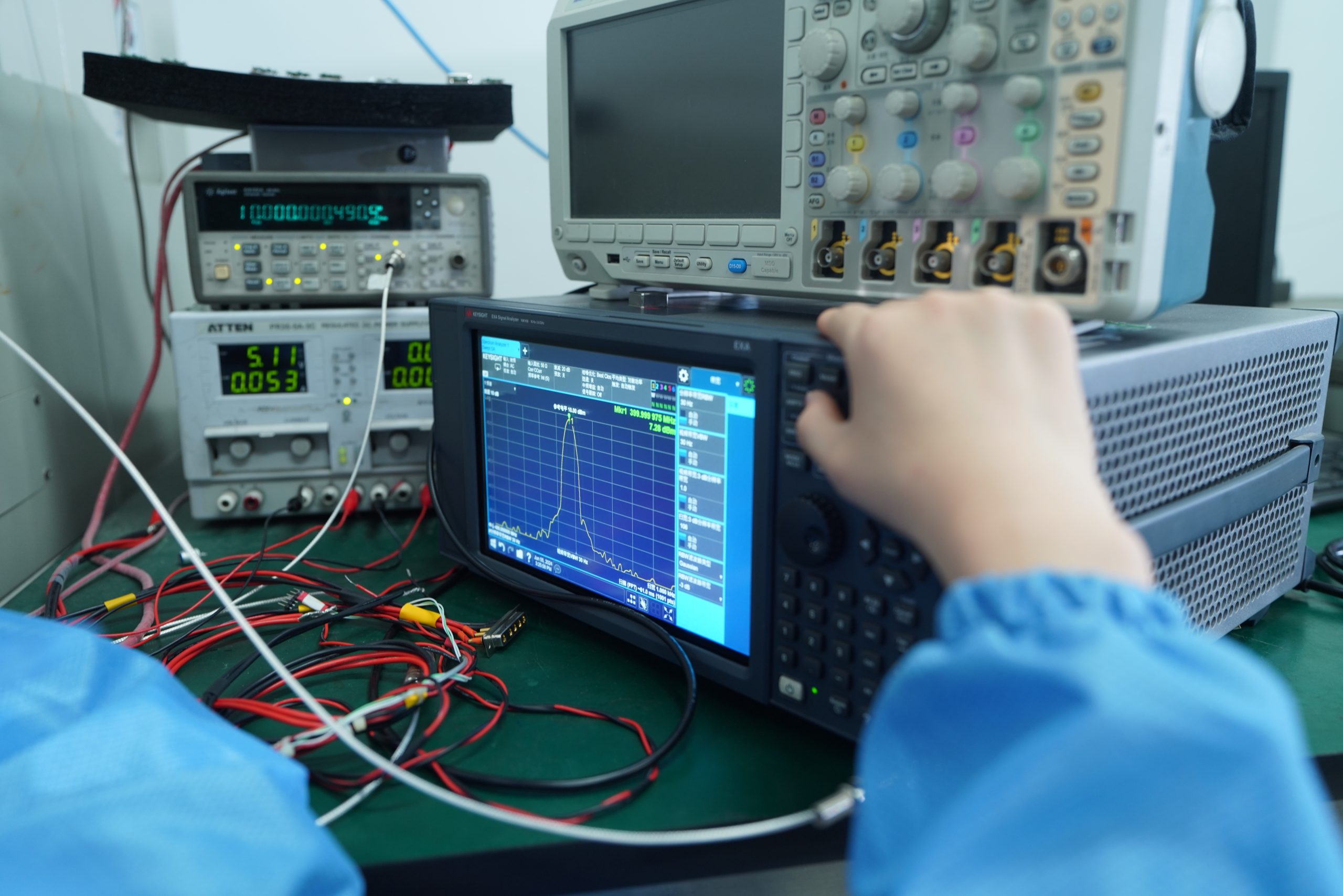
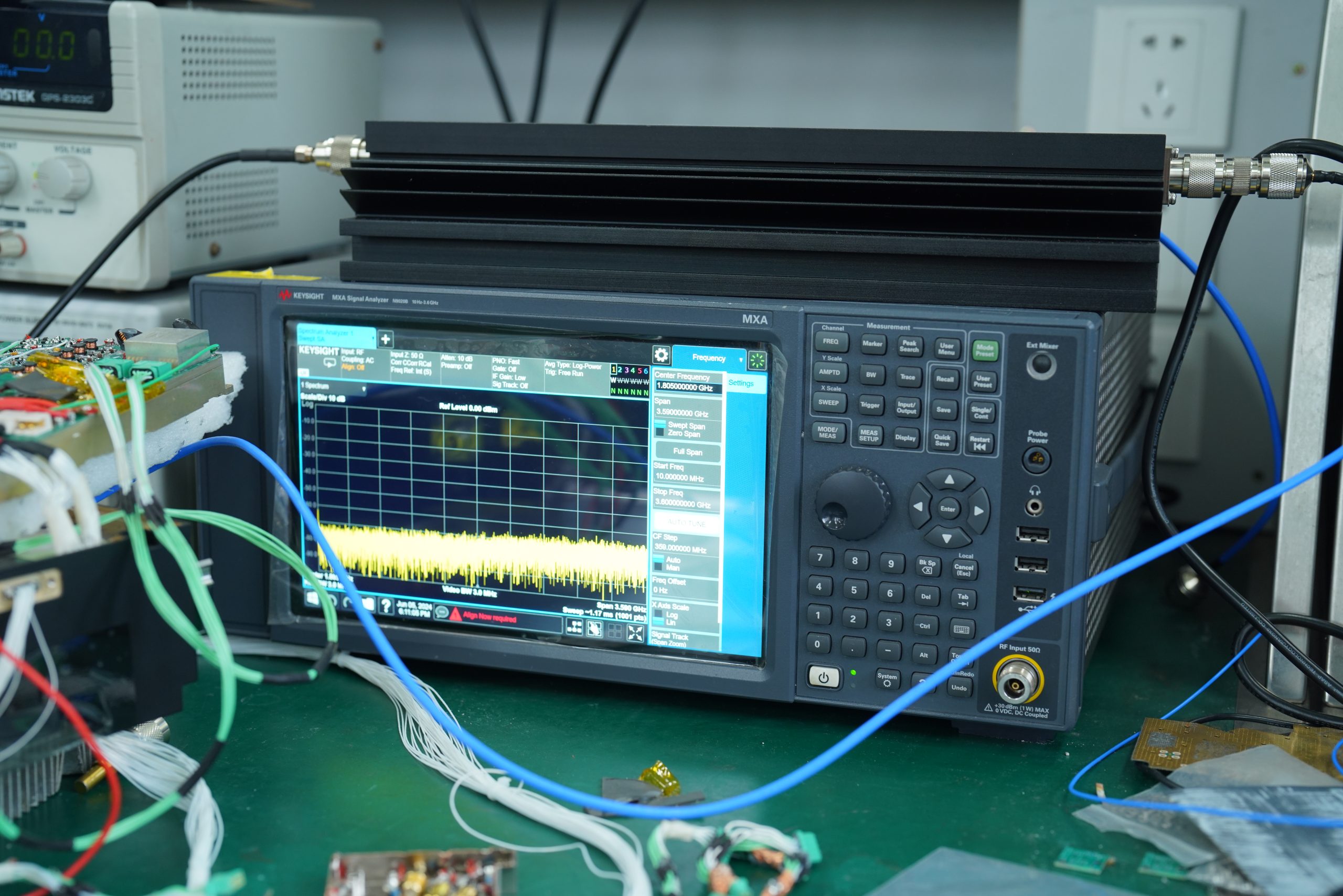

Verify RF output capability across the required operating range.
Confirm operating coverage based on the customer's target band.
Review gain behavior and frequency response across operating range.
Review load condition and RF output stability.
Check thermal operation for continuous or high-power use cases.
Confirm control interface and command behavior before shipment.
Confirm input, output, power, and control connector positioning.
Review mechanical format for rack or enclosure integration.
Provide project-related test information before shipment when required.
Where RF Integration Projects Are Used
CorelixRF supports RF integration projects for laboratories, OEM equipment, communication hardware, RF sensing platforms, monitoring systems, and system-level validation projects.

RF test benches, validation racks, automated test platforms, signal chain debugging, and long-duration laboratory testing.
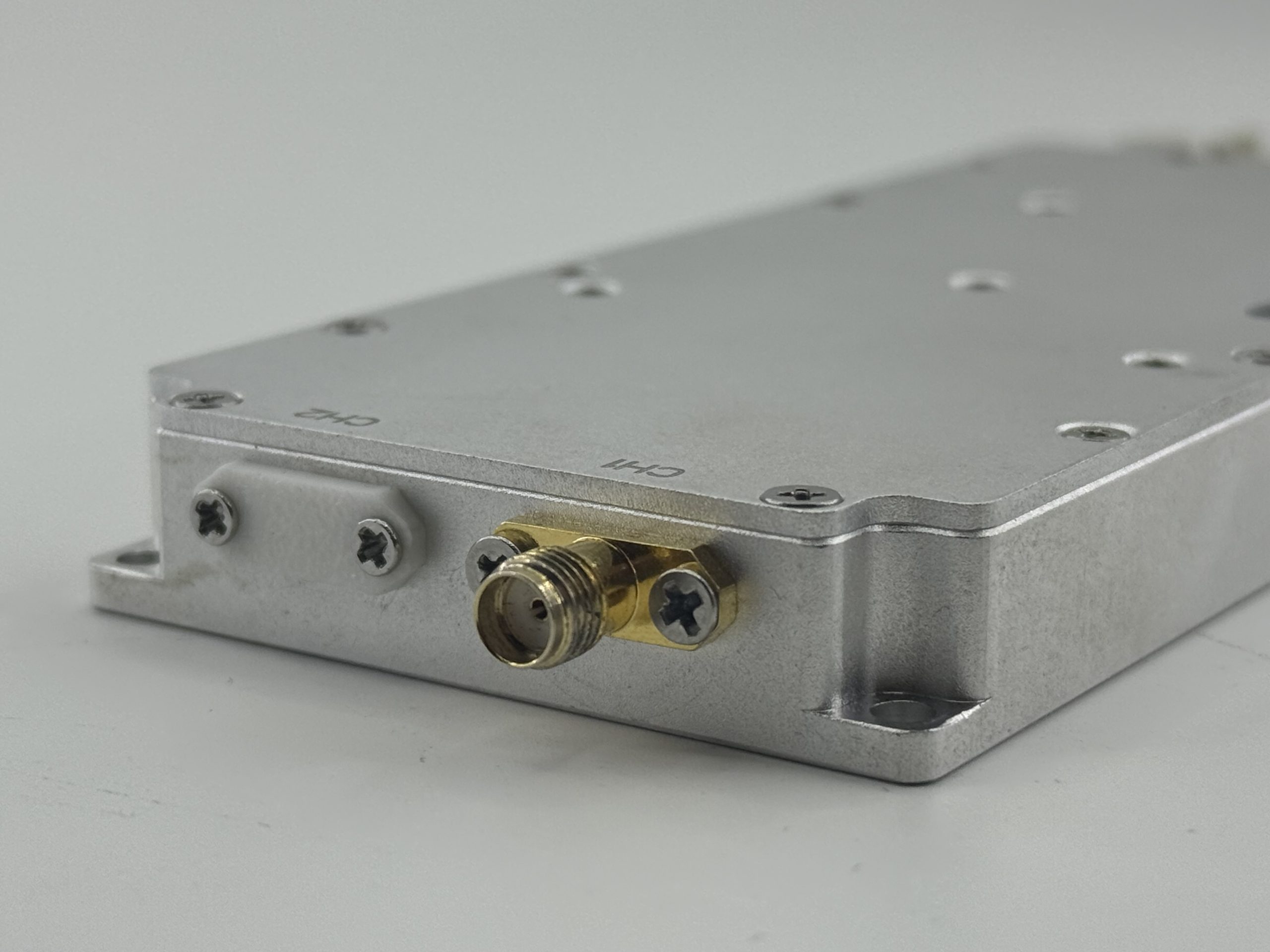
RF front-end integration, transmitter chain validation, receiver-side evaluation, and system-level RF verification.
Compact RF hardware platforms for equipment with size, weight, cooling, power, and interface constraints.
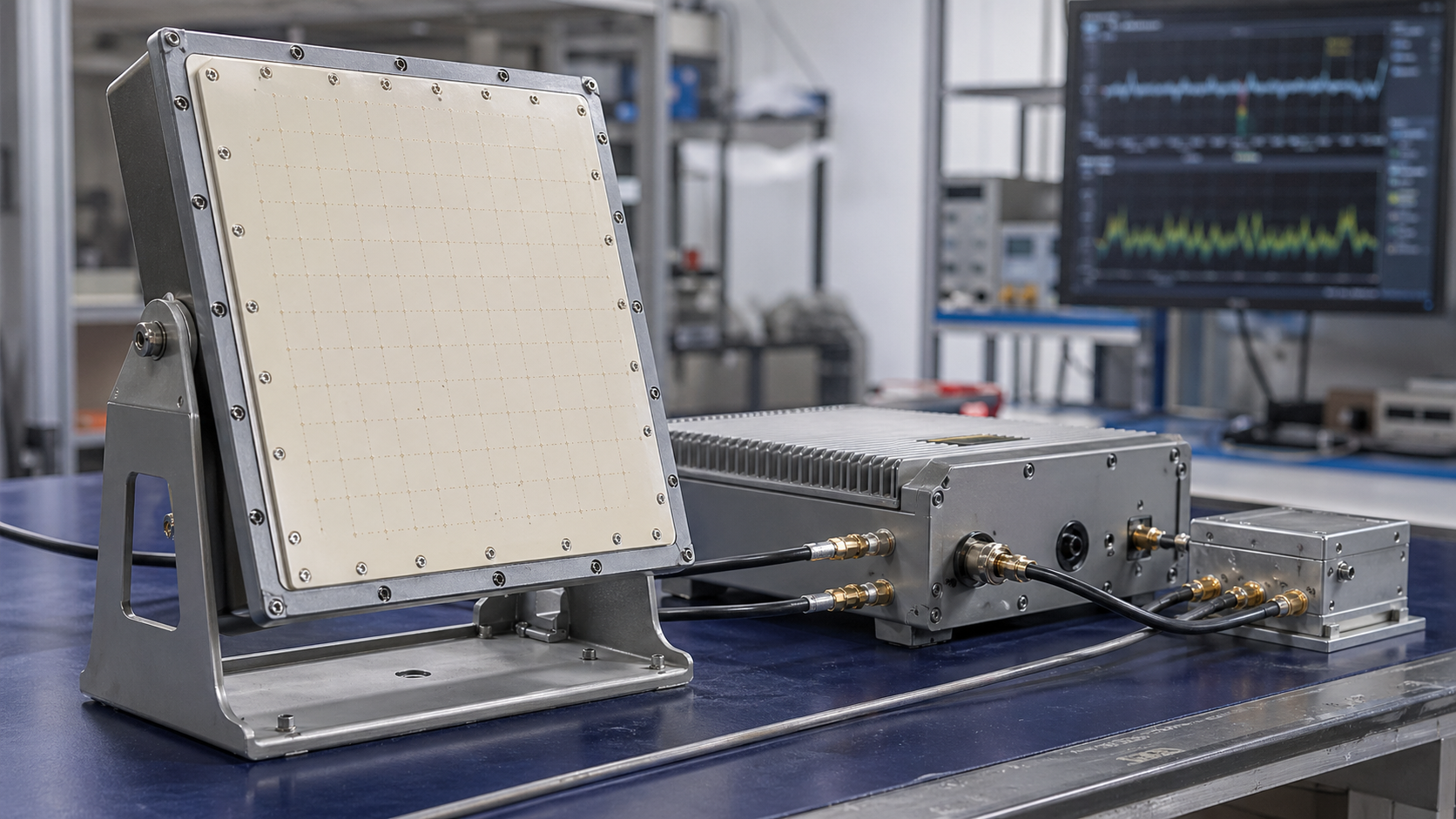
RF source, amplifier, antenna, receiver chain, and sensing front-end validation for radar and RF sensing development projects.
Receiving antenna, SDR receiver, spectrum observation, signal environment analysis, and receiver front-end validation.
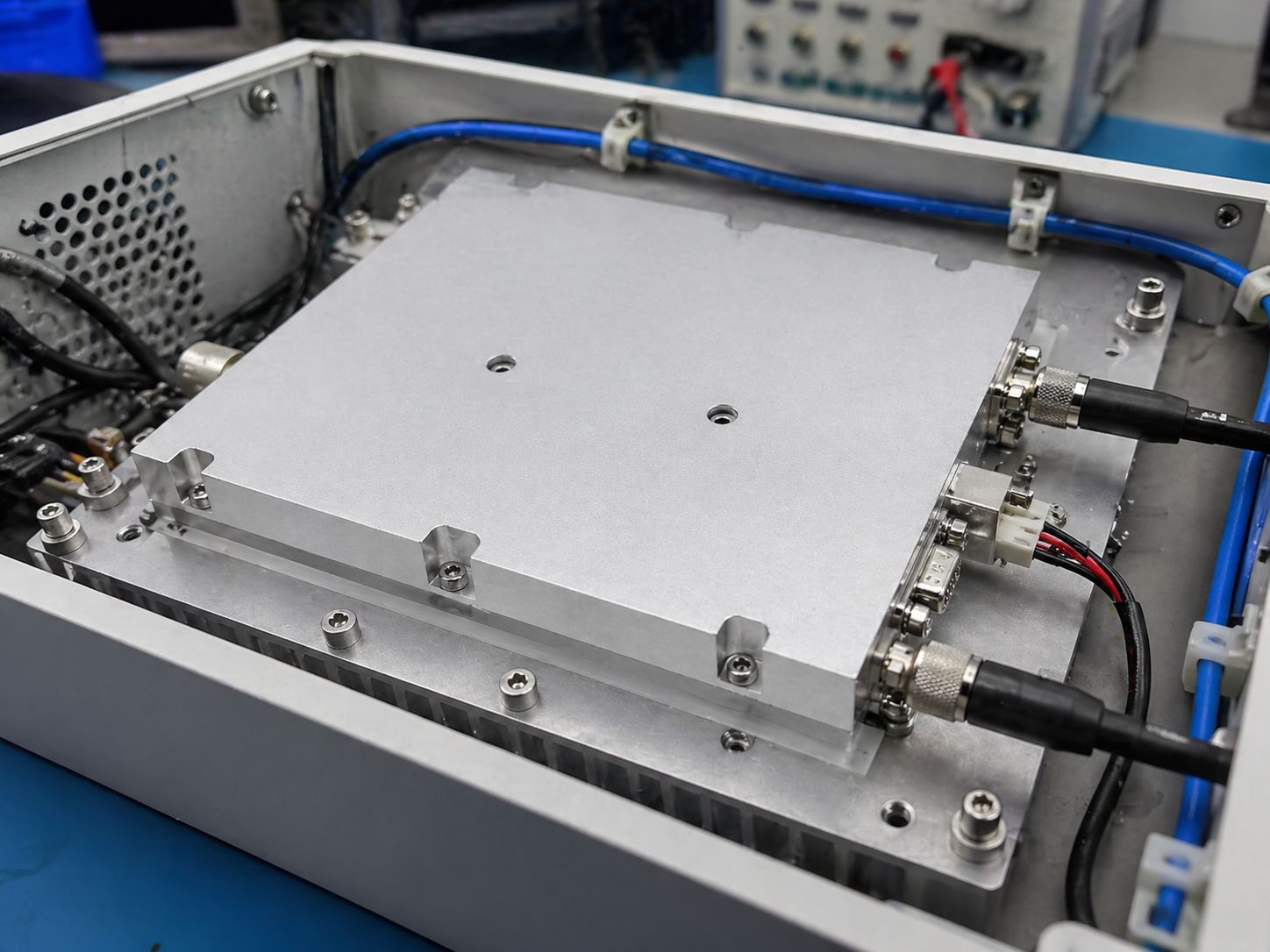
RF hardware inside customer equipment, custom enclosures, interface panels, structural matching, and batch project introduction.
What to Check Before Starting an RF Integration Project
RF integration problems are often caused by selecting components separately without reviewing the full signal chain, mechanical structure, cooling, and control interface.
Amplifier power must be reviewed together with frequency range, antenna type, cable loss, connector rating, load condition, DUT, test distance, and thermal environment.
The antenna, cable, connector, and load power handling must be matched with amplifier output to avoid system instability or hardware risk.
Control interface selection affects panel layout, cable routing, controller design, software communication, and integration workflow.
High-power RF hardware should not treat cooling as a final-stage adjustment. Airflow, fan position, heat sink, and baseplate contact should be reviewed early.
Do not rely only on catalog values. Request output power, gain response, frequency coverage, connector confirmation, and unit-level test information when required.
A supplier who only sells individual products may not help solve system-level mismatch between SDR, amplifier, antenna, connectors, cooling, and control interface.
Factory-Direct RF Hardware Integration Support
CorelixRF is a factory-direct RF hardware manufacturer supporting RF power amplifiers, SDR signal sources, antennas, and integrated RF platforms for engineering, OEM, laboratory, and system-level projects.
We help customers configure RF hardware around frequency range, output power, connector type, control interface, mechanical structure, cooling design, and unit-level validation before shipment. Our goal is to reduce multi-vendor mismatch and help customers introduce RF hardware into their systems with less uncertainty.
Support for module-level, rack-mounted, wideband, band-specific, and project-configured RF amplifier platforms.
Support for SDR signal sources, transmitting antennas, receiving antennas, and RF signal chain matching.
Support for connector layout, control interface, mounting method, panel design, cooling path, and enclosure compatibility.
Factory validation helps customers reduce uncertainty before RF hardware is integrated into laboratory, OEM, or system-level projects.
From Assembly to Shipment
CorelixRF supports RF integration projects from hardware configuration and factory testing to assembly review, documentation, packaging, and international delivery.

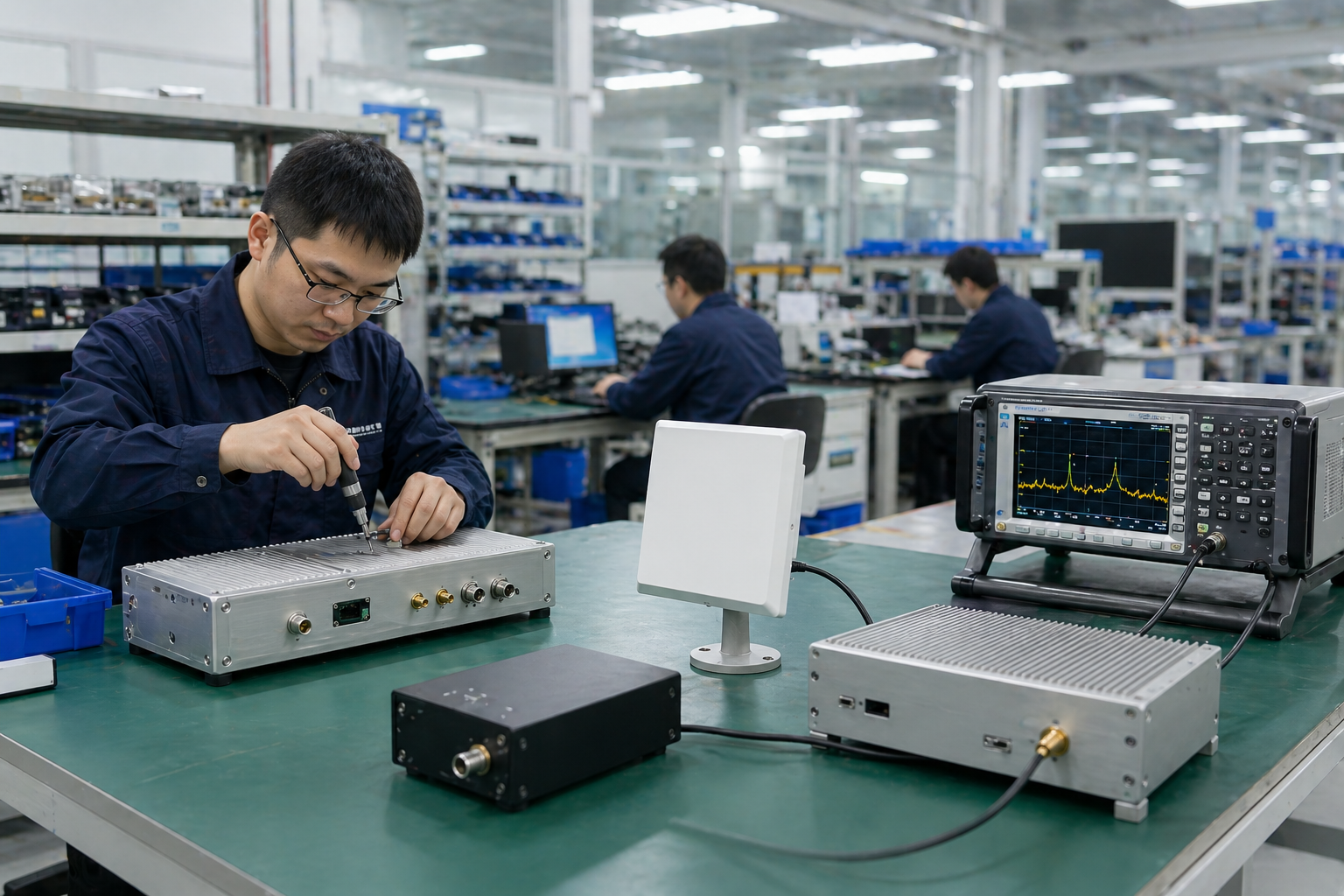
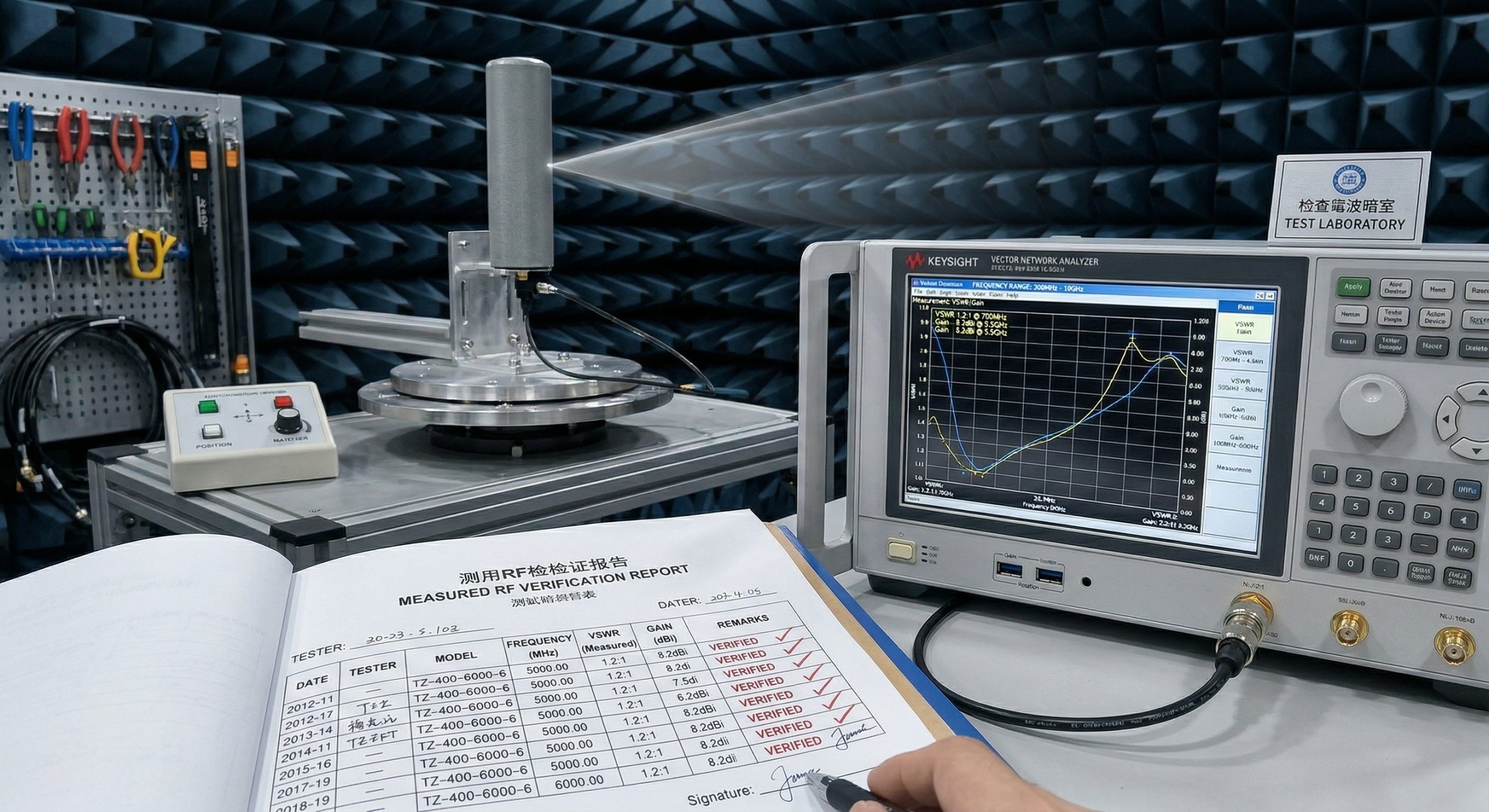
RF amplifiers and related hardware are tested using signal sources, spectrum analyzers, network analyzers, power meters, directional couplers, loads, and RF cabling.
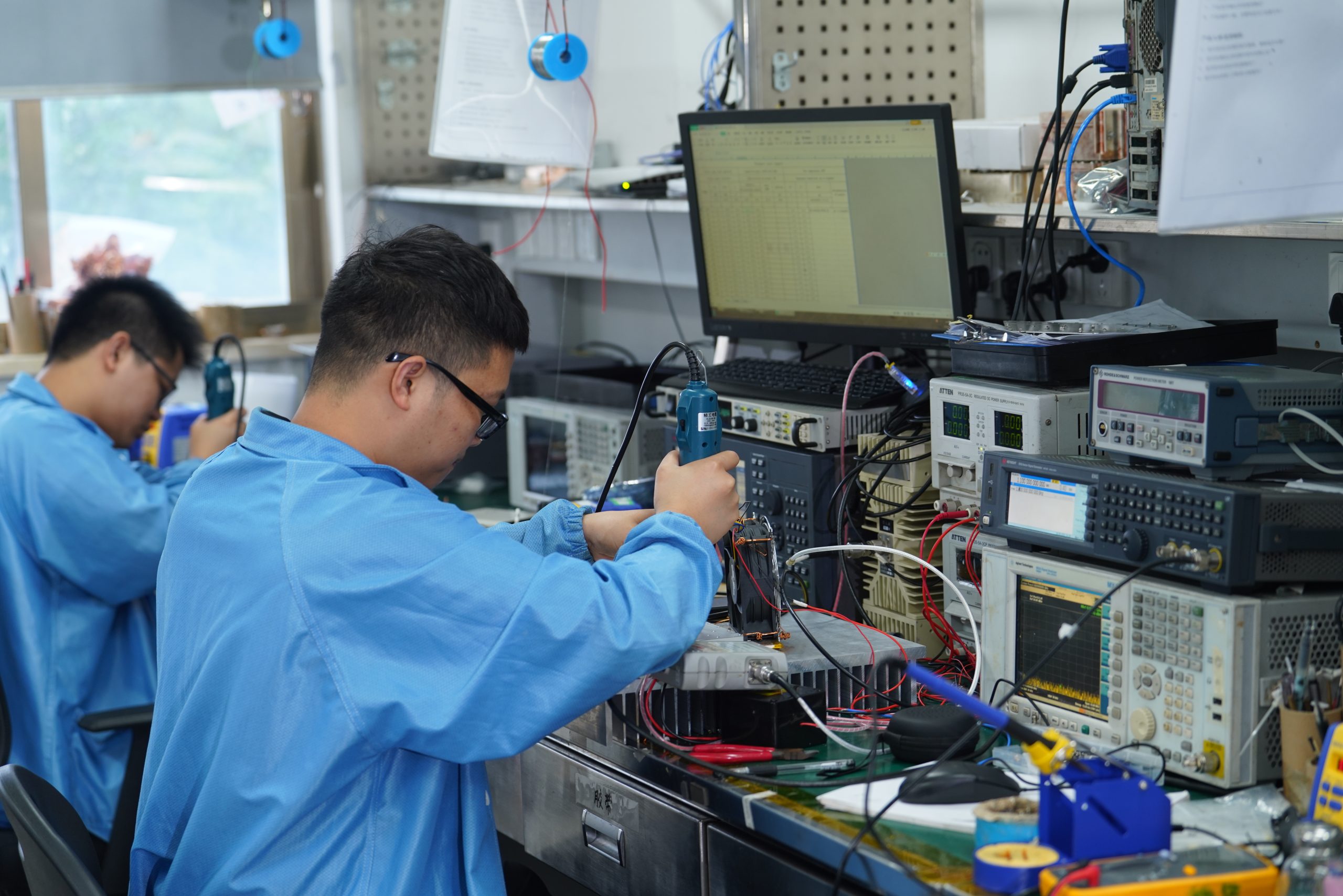
Mechanical structure, connector layout, cable routing, cooling design, and enclosure format can be reviewed for project-based RF integration.

Export-ready packaging helps protect RF hardware during international delivery and supports integration project schedules.
FAQ: RF Integration & Custom RF Hardware Platforms
Tell Us About Your RF Integration Project
Share your frequency range, output power, signal source, antenna type, mechanical format, control interface, and integration requirements. Our engineering team will review your RF hardware chain.
Engineering review responses are typically provided within 24–48 hours. All submitted information is kept confidential and used only for your project review.