
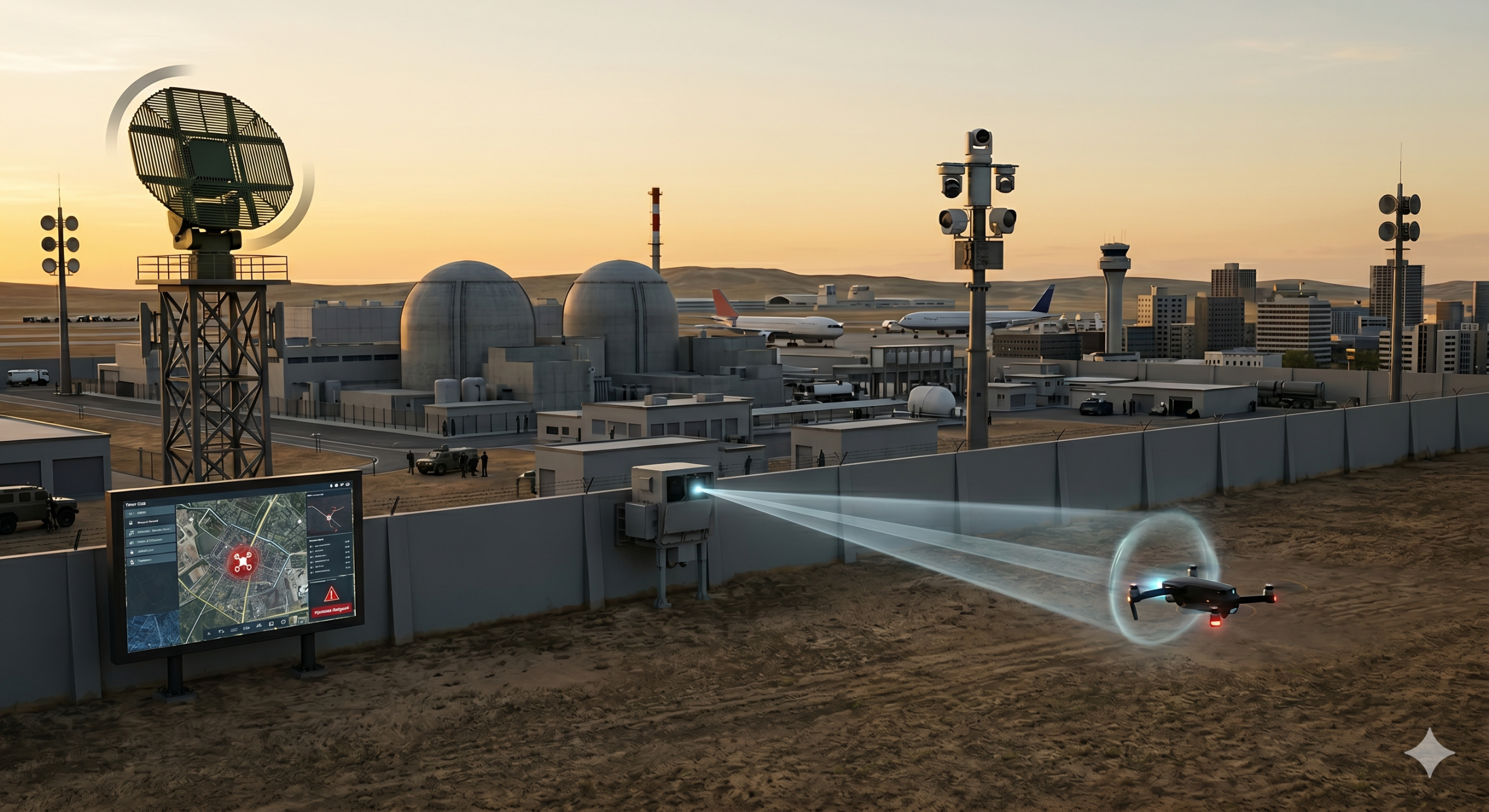
Northrop Grumman, Elbit Systems, CASIC, Raytheon Technologies, Leonardo, L3Harris Technologies, Thales Group, Keda Jammer, BAE Systems, and Rheinmetall Defence represent the top 10 drone detection system manufacturers in the world today. Unauthorized drone incursions are rising at an alarming rate, threatening the safety of airports, power plants, and military installations globally. You cannot afford a single point of failure when a rogue UAV enters your restricted airspace, as the potential for surveillance or kinetic damage is too high. Integrating a high-performance drone jammer module into a multi-layered security grid is the only way to ensure 24/7 protection against evolving aerial threats.
Which technology leads in large-scale airbase protection?
Northrop Grumman leads the industry in large-scale protection by utilizing GaN-based radar technology that detects threats up to 50 kilometers away. Their systems are specifically designed to handle the high-stakes environment of airbases where reliability is a non-negotiable requirement. Integrating a high-power drone jammer module allows for a seamless transition from long-range detection to active mitigation. You gain the ability to monitor massive perimeters even in the most adverse weather conditions.
Radar Excellence with GaN Technology
The Guardion 360 radar system uses Gallium Nitride (GaN) components to achieve superior signal clarity and range. This hardware allows you to pinpoint small, low-flying drones that traditional radar systems often miss.
- Detection ranges exceeding 50 km for early warning.
- Resilience against heavy fog and intense storms.
- Mean time between failures of over 15,000 hours.
Think about it:
A system that never sleeps is your first line of defense. High-sensitivity sensors ensure that you see the threat long before it sees your facility.
AI-Powered Interception Testing
Partnering with advanced AI firms, this manufacturer has demonstrated the ability to intercept over 100 simulated drones simultaneously. The Hivemind system automates the decision-making process to reduce the burden on your security personnel.
- Automated swarm identification.
- Rapid tasking of countermeasures.
- Real-time data fusion for situational awareness.
The best part?
This automation eliminates human error during high-stress saturation attacks. You can trust the system to prioritize the most dangerous targets instantly.
Key Takeaway: You benefit from an unmatched detection range and AI-driven automation that secures vast military perimeters with minimal human intervention.
| Feature | Specification |
|---|---|
| Max Detection Range | 50 km |
| Core Radar Tech | GaN-based Guardion 360 |
| AI Integration | Shield AI Hivemind |
Northrop Grumman provides the most robust solution for long-range, all-weather surveillance of critical military assets.
Can urban security rely on full-spectrum defense systems?
Elbit Systems provides a full-spectrum defense through the ReDrone platform, which combines radar, optics, and RF sensors to achieve ultra-low false alarm rates in cities. In complex urban landscapes, you need a system that can distinguish between a hobbyist drone and a legitimate threat. A robust drone jammer module acts as the final layer of this defense by neutralizing signals without disrupting local communication infrastructure. This multi-layered approach ensures your city remains safe without causing unnecessary public panic.
ReDrone Platform Precision
The ReDrone system is engineered to function in high-traffic environments where electronic noise is a constant challenge. It records false alarm rates under 0.3%, providing you with reliable data to act upon.
- Battle-tested performance in active conflict zones.
- 92% interception rate in high-density areas.
- Passive RF sensing for stealthy monitoring.
Here is the deal:
Accuracy in the city is the difference between a successful defense and a public relations disaster. You need a system that knows exactly what it is looking at.
Modular Scalability for Cities
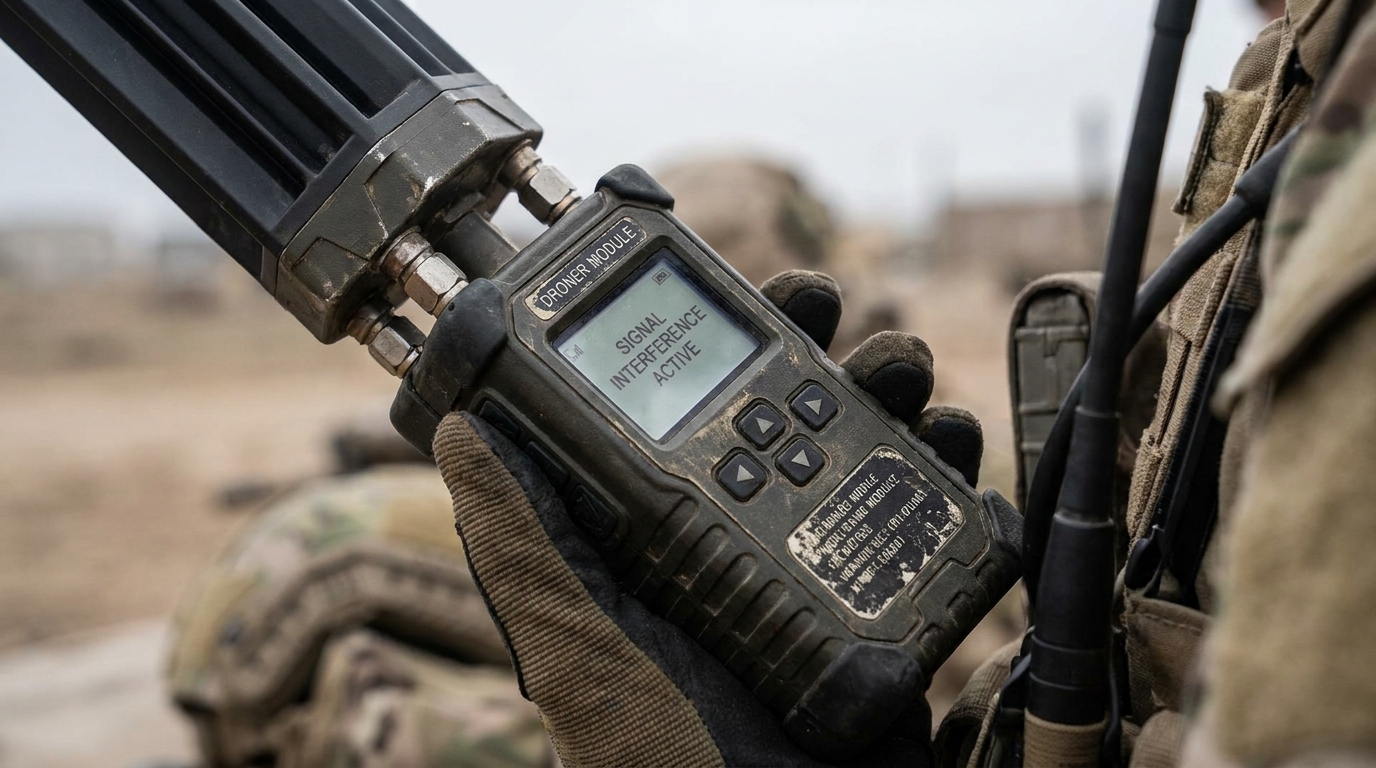
Modularity allows you to scale your defense from a single building to an entire metropolitan area. You can integrate ground sensors with satellite data to create a seamless protection dome.
- Scalable sensor arrays for custom coverage.
- Cloud-based command and control centers.
- Interoperability with existing police networks.
Believe it or not:
You can start with a small installation and grow it as your security needs evolve. This flexibility protects your initial investment over the long term.
Key Takeaway: You achieve high-precision detection and low false alarms, making this the ideal choice for securing crowded urban centers and high-profile events.
| Feature | Specification |
|---|---|
| False Alarm Rate | < 0.3% |
| Detection Modes | RF, Radar, Optics, EW |
| Primary Use Case | Urban security and borders |
Elbit Systems offers the most versatile sensing suite for high-interference environments like modern smart cities.
How does a drone jammer module secure low-altitude events?
CASIC secures low-altitude events by deploying the “Low Altitude Guardian” system, which uses optical detection and electromagnetic suppression to block incursions. Protecting a stadium or a public parade requires a system that can react within seconds to a drone entering the exclusion zone. Utilizing a tactical drone jammer module ensures that unauthorized signals on 2.4/5.8 GHz bands are instantly suppressed. You gain peace of mind knowing that the airspace above your event is under total control.
Autonomous Low-Altitude Guardians
The system uses highly advanced optical sensors to track targets that are too small for conventional radar. This autonomous capability allows you to focus on managing the ground event while the system monitors the sky.
- 8 km radius of total electronic suppression.
- Automated detection of GPS and Beidou signals.
- Real-time video tracking of rogue pilots.
The result?
A clear, safe airspace for public gatherings where unauthorized aerial photography or threats are neutralized immediately. You maintain control over every cubic inch of your low-altitude environment.
Proven Deployment at Scale
This technology has been successfully deployed at global events like the Beijing Olympics to stop hundreds of unauthorized flights. It serves as a bridge between civil safety and military-grade performance.
- Blocking over 300 illegal incursions per event.
- Integration with smart-city management software.
- Mobile units for temporary event installations.
Look at this:
History proves that these systems work under the highest pressure imaginable. You are investing in a track record of success at the world’s most watched events.
Key Takeaway: You get a cost-effective, battle-proven solution for event security that effectively manages low-altitude risks through automated optical tracking.
| Feature | Specification |
|---|---|
| Suppression Radius | 8 km |
| Target Bands | 2.4GHz, 5.8GHz, GPS/Beidou |
| Event Record | Beijing Olympics security |
CASIC is the preferred manufacturer for large-scale public safety operations requiring mass-deployment capabilities.
Is directed energy the future of automated drone defense?
Raytheon Technologies confirms that directed energy is the future by integrating high-power microwaves and lasers into the automated Coyote defense system. When speed is the priority, you cannot rely on manual responses to intercept fast-moving threats. A sophisticated drone jammer module within the system provides a non-kinetic option before the directed energy weapons are engaged. This allows you to defend critical infrastructure with a tiered response that escalates based on the threat level.
Dual Attack Mode Integration
The Coyote system is unique because it combines KuRFS radar with a variety of attack options. You can choose to jam the drone or use directed energy to physically disable it in seconds.
- Shot down agile, high-speed drones in recent tests.
- Seamless integration between radar and weapons.
- 360-degree detection and engagement capability.
It gets better:
Having multiple response options means you are never stuck with a “one size fits all” defense. You can neutralize a drone softly or destroy it if the threat is imminent.

Lightning-Fast Response Suites
The Windshear AI suite triggers an interception in under five seconds, which is a requirement for FAA-approved airport use. You need this level of speed when a drone is on a direct collision course with a commercial aircraft.
- Automated threat prioritization.
- Under 5-second response time.
- Global deployment on naval and border platforms.
Bottom line:
Seconds save lives in aviation and defense. This system gives you the speed necessary to prevent catastrophes before they happen.
Key Takeaway: You benefit from an active defense system that moves beyond simple detection to provide automated, lightning-fast neutralization of high-speed threats.
| Feature | Specification |
|---|---|
| Response Time | < 5 seconds |
| Engagement Tech | Directed Energy & Jammers |
| Certification | FAA-approved for airport use |
Raytheon Technologies delivers the fastest automated interception capabilities for high-security environments where every millisecond counts.
Why is modularity critical for maritime drone surveillance?
Leonardo S.p.A emphasizes modularity because maritime missions require systems that can adapt payloads between radar, optics, and electronic warfare depending on the sea state. Monitoring a 300 km radius of ocean requires a flexible platform that can be mounted on various naval vessels. A dedicated drone jammer module integrated into the Proteus UAV allows you to intercept threats far from your fleet. You get a layered defense that protects your ships from both surface and aerial surveillance drones.
Long-Range Adaptive Payloads
The Proteus drone is a modular UAV platform that can carry a wide range of specialized sensors. You can swap out a radar unit for a high-definition thermal camera in minutes.
- 300 km coverage range for maritime missions.
- Interchangeable payloads for various mission types.
- Alignment with NATO communication standards.
Here is the catch:
A fixed system limits your capabilities at sea. With modular payloads, you can optimize your defense for the specific threats you face in different regions.
AI Decision Support Systems
The ATHENA decision support system uses machine learning to process sensor data and recommend the best course of action. You are provided with a clear picture of the battlespace, allowing for rapid tactical decisions.
- Reduced reaction time for naval commanders.
- Integration of multiple sensor data streams.
- 40% market lead in European counter-UAS contracts.
Why does this matter?
Data overload can paralyze a command team. ATHENA filters the noise and presents you with actionable insights when you need them most.
Key Takeaway: You receive a highly adaptable maritime defense system that provides long-range surveillance and AI-driven decision support for complex naval operations.
| Feature | Specification |
|---|---|
| Coverage Range | 300 km |
| Control Software | ATHENA AI Support |
| Market Position | 40% of EU contracts |
Leonardo is the top choice for European maritime security, offering the most flexible long-range surveillance tools on the market.
How can you achieve high detection rates on a budget?
L3Harris Technologies achieves 98% detection rates on a budget by integrating sensor fusion with existing security infrastructure like CCTV cameras. You don’t always need to build a defense grid from scratch to get professional-grade results. Incorporating an affordable drone jammer module into your current surveillance network creates a powerful deterrent without a massive capital expenditure. This approach allows you to secure public events and urban landscapes while saving up to 30% on deployment costs.
Multi-Modal Sensor Fusion
By combining radar, acoustic, RF, and thermal imaging, the system achieves a near-perfect detection rate. You are alerted to threats through a single, unified interface that simplifies monitoring.
- 98% detection rate for commercial drones.
- Under 0.5% false alarm rate in busy areas.
- Integration with legacy security cameras.
Think about it:
Using what you already have is the smartest way to upgrade your security. You get military-level performance using civilian-friendly budgets.
Smart Jamming Interference Control
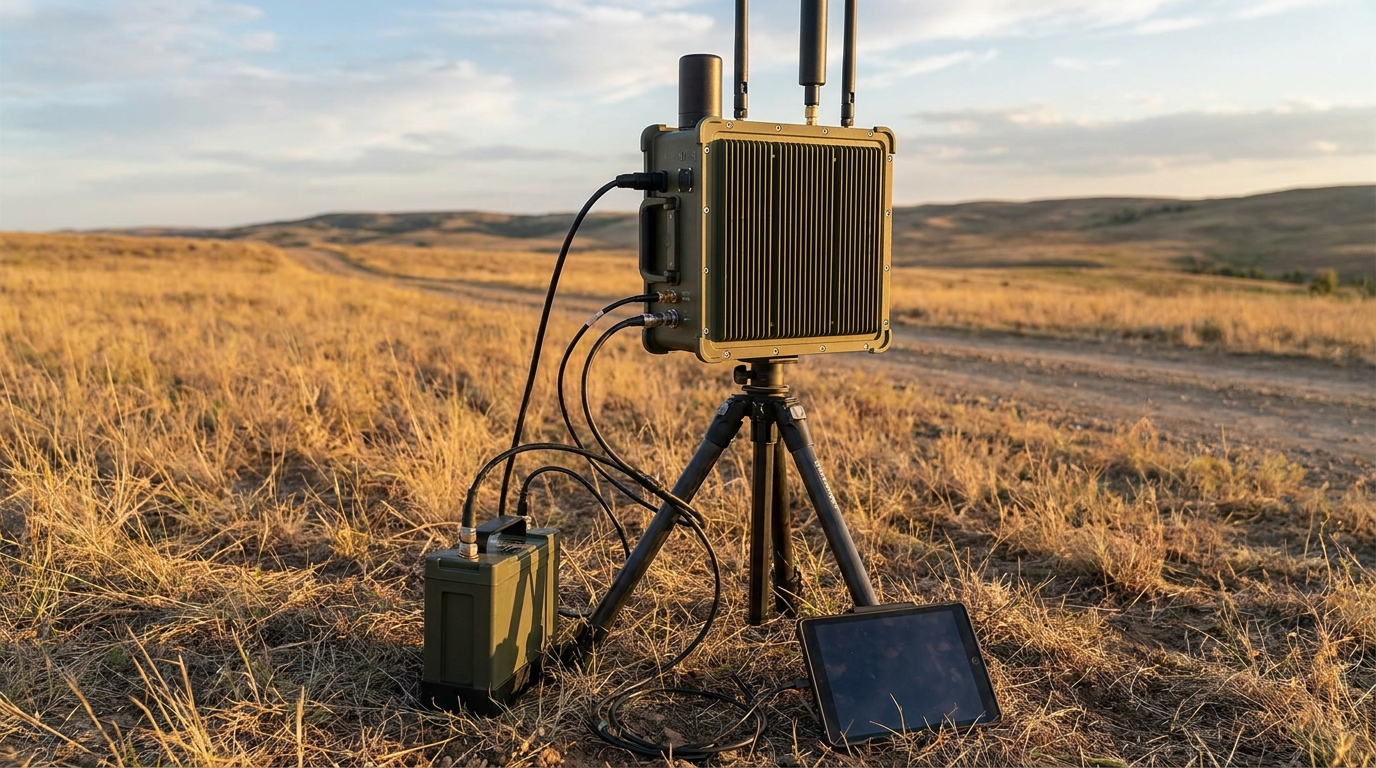
Adaptive power control ensures that your defensive signals only hit the target drone. You can neutralize a threat without knocking out the local Wi-Fi or emergency radio networks.
- Minimized interference with friendly electronics.
- Adaptive power based on drone distance.
- Reduced deployment costs by 30%.
The best part?
You can operate your defense system in a crowded city without annoying the neighbors or breaking local communication laws. It is a clean, surgical way to protect your perimeter.
Key Takeaway: You gain access to high-end sensor fusion that integrates with your existing hardware to provide 98% accuracy at a significantly lower price point.
| Feature | Specification |
|---|---|
| Detection Accuracy | 98% |
| Cost Efficiency | 30% reduction in deployment |
| Tech Fusion | Radar, Acoustic, RF, Thermal |
L3Harris Technologies offers the best balance of cost and performance for urban facilities and public event security.
Can a drone jammer module assist in civil aviation safety?
Thales Group proves that a drone jammer module assists aviation safety by integrating AI-fueled spectrum analysis into the SkyMaster system to identify drones by their unique communication signatures. Airport security requires 100% certainty before any defensive action is taken to avoid disrupting flight schedules. Using a drone jammer module allows for precise signal suppression that only affects the rogue UAV, leaving the airport’s critical navigation systems untouched. You can manage the airspace Beyond-Visual-Line-Of-Sight (BVLOS) with total confidence in your compliance.
AI-Fueled Spectrum Identification
The SpectraGuard system identifies drone models by their radio frequency signatures with 95% accuracy. This allows you to know exactly what kind of threat you are dealing with before it gets close.
- 95% accuracy in identifying drone models.
- EASA-approved for continuous BVLOS operations.
- Secured high-profile events like the Tokyo Olympics.
Believe it or not:
Every drone has a unique “voice” in the radio spectrum. This system listens for those voices and identifies them even in a crowded RF environment.
Compliance with Aviation Standards
The SkyMaster platform is built to meet the rigorous safety standards of international aviation authorities. You are using a system that is designed from the ground up to be safe for use around passenger planes.
- EASA and FAA compliance support.
- Passive detection to avoid interference.
- Integration into civil air traffic control.
Bottom line:
In aviation, compliance is not optional. You are protected by a system that speaks the language of air traffic controllers and safety regulators.
Key Takeaway: You ensure the safety of your airport or data center with an AI-driven system that is fully compliant with the world’s strictest aviation regulations.
| Feature | Specification |
|---|---|
| ID Accuracy | 95% |
| Compliance | EASA BVLOS Approved |
| Key Project | Tokyo Olympics security |
Thales Group is the global leader in civil aviation drone defense, offering unparalleled accuracy and regulatory alignment.
What are the best options for rapid field deployment?
Keda Jammer offers the best rapid response options with jam-resistant radar and lightweight portable jammers that can be field-ready in minutes. When you are operating in remote environments or emergency situations, you cannot wait hours for a defense system to be calibrated. A portable drone jammer module weighing only 2.5 kg gives you the mobility to protect your team anywhere on the globe. You get ruggedized technology that has been tested in extreme conditions from the Arctic to the desert.
Jam-Resistant Radar Capabilities
The Giraffe AMB radar is designed to keep working even when the enemy is trying to jam your signals. You maintain a clear view of the sky in electronic warfare zones up to 4 km away.
- Reliable detection in active EW environments.
- Detection range of 4 km for small aircraft.
- Tested down to -40°C in Arctic conditions.
Here is the deal:
Most systems fail when the environment gets tough. This radar is built for the “worst-case scenario,” ensuring you are never blind in the field.
Portable Defense for Remote Sites
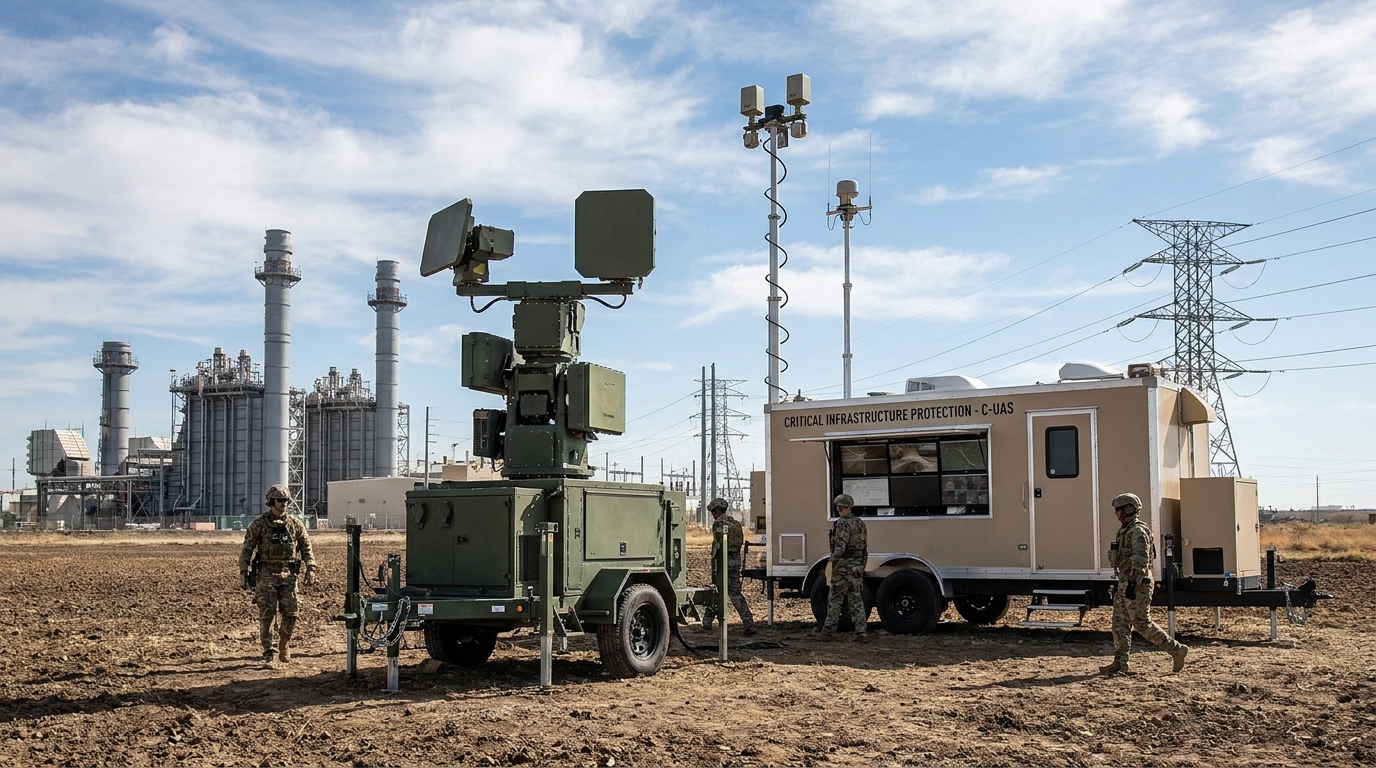
The Flycatcher series of jammers is designed for the individual operator. You can carry the entire defense system in a backpack and run it on batteries for an entire work shift.
- Ultra-lightweight design (2.5 kg).
- 8-hour battery life for long patrols.
- Rapid setup in under 10 minutes.
Think about it:
Security shouldn’t weigh you down. These portable units allow you to bring high-tech protection to the most remote corners of your operation.
Key Takeaway: You receive a rugged, highly portable defense solution that is perfect for emergency response and military teams operating in harsh environments.
| Feature | Specification |
|---|---|
| Weight | 2.5 kg (portable units) |
| Operating Temp | Down to -40°C |
| Setup Time | < 10 minutes |
Keda Jammer provides the most reliable equipment for field operators who need lightweight and rugged anti-drone protection.
Can multi-domain integration harden military zones?
BAE Systems hardens military zones by integrating satellites, radar, and sound signatures into a cross-domain defense architecture that leaves no gaps. Protecting a high-level government installation requires more than just a single sensor; it requires a network that can see, hear, and feel the threat. A high-performance drone jammer module integrated into this network provides a unified response to incoming UAVs. You get a layered warfare capability that identifies drones by their engine noise and radio signals with 99% precision.
Sound Signature AI Identification
The system uses advanced microphone arrays to identify drones based on their acoustic profile. You can detect a drone even if its radio signals are silent or encrypted.
- 99% precision in acoustic identification.
- Detection of drones by engine and propeller noise.
- Works in environments where RF sensing is limited.
The result?
A drone cannot hide its physical sound. This system ensures that even “stealth” commercial drones are caught before they reach your perimeter.
NATO Standardized Architecture
The entire platform is designed to slot into NATO C4ISR architecture, ensuring that your data is shared securely across the entire command structure. You are part of a larger, unified defense grid.
- Cross-domain data integration.
- Secure, encrypted communication channels.
- Modular slots for future tech upgrades.
Look at this:
Being NATO-compliant means your system will never be obsolete. It is designed to work with the best technology the world’s most advanced military alliance has to offer.
Key Takeaway: You benefit from a high-security, acoustic-enhanced defense grid that integrates perfectly into international military command structures.
| Feature | Specification |
|---|---|
| ID Precision | 99% (Acoustic/RF) |
| Framework | NATO C4ISR Compliant |
| Sensing | Satellites, Radar, Sound |
BAE Systems offers the most sophisticated data-driven defense for government and top-tier military installations.
How does quick-response jamming protect nuclear sites?
Rheinmetall Defence protects nuclear sites by providing AI multi-modal detection that can be deployed in just 10 minutes to cover sensitive perimeters. For critical infrastructure, you need a system that offers “clean” jamming to prevent interference with onsite safety sensors. A precision drone jammer module using DPD technology ensures that only the rogue drone is targeted, keeping the site’s internal networks safe. You gain a rapid-response shield that can detect small aircraft from 10 km away.
Rapid Response Deployment Speed
When a security breach is detected, you can have a full anti-drone perimeter established before the threat even reaches the fence line. The mobile-app control allows your team to react instantly.
- Field-ready in exactly 10 minutes.
- Controlled via simple mobile application.
- 10 km detection range for small aircraft.
It gets better:
You don’t need a team of engineers to set this up. Your standard security patrol can deploy the shield and begin protecting the site immediately.
Clean High-Power Mitigation Tech
Digital Pulse Defense (DPD) tech ensures that your jamming signal doesn’t bleed into civilian or industrial frequencies. You can run a high-power defense without risking a shutdown of the power plant’s control systems.
- Surgical jamming accuracy.
- No interference with civil networks.
- Multi-modal sensors (RF, Acoustic, Optical).
Here is the deal:
Safety at a nuclear site is paramount. This technology gives you the power you need without the collateral damage of older, “dirty” jamming systems.
Key Takeaway: You get a high-power, surgically precise defense system that is fast to deploy and safe for use around sensitive industrial infrastructure.
| Feature | Specification |
|---|---|
| Deploy Time | 10 minutes |
| Detection Range | 10 km |
| Special Tech | Digital Pulse Defense (DPD) |
Rheinmetall Defence is the premier choice for protecting high-value industrial infrastructure with rapid-deploy technology.
Conclusion
Drone threats are no longer a distant concern; they are a clear and present danger to your critical assets. You have seen how the top 10 manufacturers are utilizing everything from AI-driven radar to directed energy to keep our skies safe. Whether you are securing a massive airbase or a temporary public event, the right technology is available to harden your perimeter against rogue UAVs. We believe in a future where airspace security is seamless, automated, and absolute. To start building your multi-layered defense and protect what matters most, contact us today for a professional consultation.
FAQ Section
Can I integrate these systems with my existing security cameras?
Yes, you can. Many manufacturers, such as L3Harris, specifically design their software to fuse data from your legacy CCTV cameras to reduce the total cost of deployment.
What is the best detection method for a noisy urban environment?
RF and optical fusion is generally considered the best. Passive RF sensors can listen for drone signals without adding to the city’s electronic noise, while optical cameras provide visual verification.
Can drone detection systems work in total darkness?
Yes, they can. Most top-tier systems use a combination of radar and thermal (infrared) imaging to detect and track drones regardless of the lighting conditions.
Is it legal for me to use a jammer at my facility?
The legality depends on your specific jurisdiction and the type of facility you manage. While many military and government sites have authorization, civilian facilities usually require specific permits or must rely on detection-only systems.
How do these systems distinguish between a bird and a drone?
They use micro-Doppler radar signatures and AI analysis. A drone has a very specific “flicker” in its radar reflection caused by the fast-moving propellers, which is different from the flapping wings of a bird.
*
Analysis: The drone detection industry is shifting toward multi-modal sensor fusion and AI automation to handle the increasing complexity of low-altitude threats.
Authorized RF engineering and compliance review
For regulated RF systems, this page should be used as an engineering and compliance review path, not as a public deployment checklist. CorelixRF starts with authorization status, operating region, frequency plan, output limit, antenna interface, safety controls, thermal limits and acceptance documents.
- RFQ checklist – send the data buyers usually forget, including band, power, duty cycle, interface and test standard
- delivery documentation – check what documents can support incoming inspection, FAT review and long-term maintenance
- quality and certification review – review the quality and compliance evidence before the project moves into procurement
- RF front-end platform – compare the RF chain as a system instead of selecting one isolated module
- RF configurator – turn frequency, power, thermal and interface requirements into a first configuration brief
- case studies – review similar engineering paths before sending an RFQ
- engineering contact – send the application notes, block diagram or target specification to engineering sales
This keeps the discussion inside lawful, authorized RF programs while still giving procurement teams a clear way to request amplifier, antenna, SDR source, documentation and factory review.
Detection-to-RF System Review Path
When a detection system must connect with authorized RF response hardware, review the sensor interface alongside RF front-end integration, RF power amplifier selection and antenna/load planning. Share detection outputs, control interface, frequency bands, power targets, enclosure limits and documentation needs through the RF inquiry form.