

Choosing the right interference equipment requires matching target frequencies with adequate output power. You secure a high-value perimeter but constantly worry about rogue aerial surveillance devices hovering above. One tiny unauthorized quadcopter bypassing defenses completely ruins operational security. Establishing control demands a reliable drone jammer featuring military-grade precision. Trustworthy RF engineering blocks unwanted signals effectively.
1. What Is A Drone Jammer And How Does It Function?
A drone jammer disrupts communication by broadcasting powerful RF noise across specific bands. This hardware forces unauthorized quadcopters into a safe landing mode rapidly. Operators deploy these systems across sensitive perimeters securing immediate airspace control.
How Does RF Suppression Occur?
Here’s the deal, disrupting aerial threats requires immense technical precision. High-efficiency GaN amplifiers generate massive output without degrading under stress.
- Suppresses 2.4GHz control links instantly.
- Blocks 5.8GHz video transmission feeds.
- Nullifies GPS navigation telemetry completely.
Can Operators Target Specific Bands?
Modern equipment allows selective frequency isolation during active deployments. Customizing interference profiles ensures minimal collateral disruption locally.
Key Takeaway: Understanding operational mechanisms empowers you when evaluating complex RF defense platforms.
| Feature | Function | Benefit |
| GaN Amplifiers | High power output | Stable operation |
| SDR Tech | Frequency agility | Adaptive targeting |
| Heat Sink | Thermal management | Prolonged usage |
Analyzing hardware specifications helps identify truly capable defense modules rapidly.
2. Which Frequencies Should You Target For Jamming?
Identifying exact communication bands dictates which drone jammer you must acquire. Commercial quadcopters overwhelmingly utilize standard ISM bands for navigation. Selecting hardware matching those exact parameters guarantees successful interception.
Why Target The 2.4GHz Spectrum?
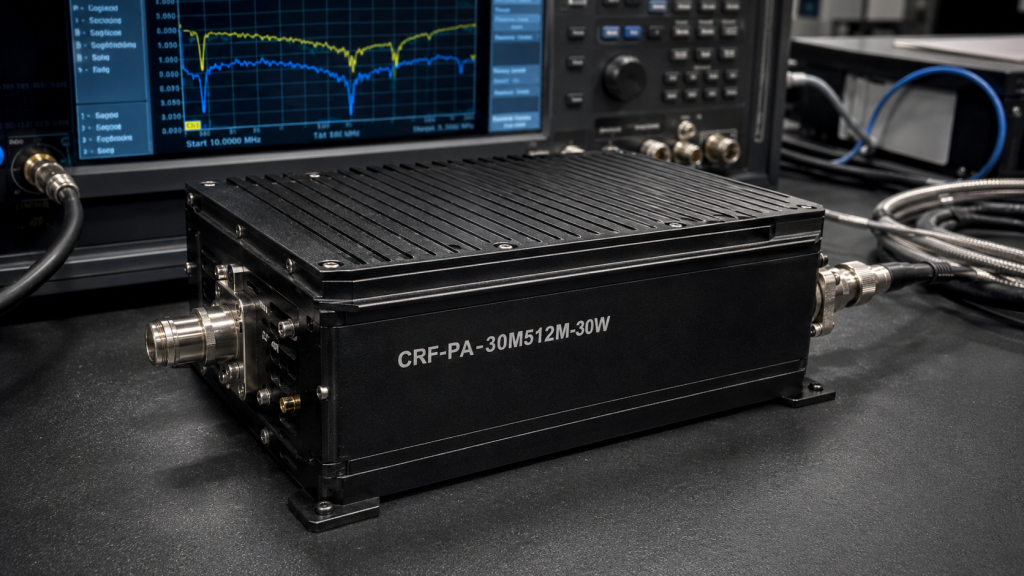
You might be wondering, why focus heavily on this specific range? Most consumer aerial vehicles rely entirely on 2.4GHz for remote piloting.
- Pervasive across commercial models.
- Offers moderate range penetration.
- Carries primary control telemetry.
Does 5.8GHz Matter For Video?
Intercepting high-definition video feeds relies upon disrupting 5.8GHz transmissions. Blocking this channel blinds rogue operators instantly.
Key Takeaway: Aligning defense hardware with known adversary frequencies prevents catastrophic security failures.
| Frequency Band | Primary Usage | Interception Priority |
| 900 MHz | Long-range control | Medium |
| 2.4 GHz | Standard piloting | High |
| 5.8 GHz | Video streaming | High |
Selecting appropriate frequency coverage maximizes overall interception success rates.
3. How Much Output Power Stops Drones Effectively?
Output wattage determines whether your drone jammer overcomes hostile incoming signals. Greater power yields stronger localized electromagnetic interference reliably. Inadequate wattage allows rogue devices uninterrupted airspace access.
What Wattage Secures Large Facilities?
What’s the real story? Protecting vast industrial zones demands substantial output capabilities. High-power modules pushing 100W per band provide formidable invisible shielding.
- Overpowers weak civilian controllers.
- Extends effective suppression radius.
- Maintains dominance during severe weather.
Does Excessive Power Cause Issues?
Pushing maximum wattage constantly generates immense thermal loads internally. Unmanaged heat destroys delicate internal RF circuitry quickly.
Key Takeaway: Balancing raw output with intelligent thermal management sustains long-term defensive operations.
| Wattage Level | Coverage Area | Best Application |
| 10W – 30W | 100m – 300m | Personal defense |
| 50W – 100W | 500m – 1000m | Corporate sites |
| 100W+ | 1km+ | Military bases |
Matching output specifications against geographical requirements prevents costly underperformance scenarios.
4. What Is The Optimal Range A Device Should Cover?
Estimating required coverage area ensures your drone jammer matches physical site dimensions. Urban environments suffer from heavy signal reflection reducing effective operational distances. Open rural fields allow radio waves maximum unobstructed travel.
How Does Terrain Affect Performance?
Ready for the good part? Physical obstacles severely degrade electromagnetic wave propagation. Concrete walls block targeted interference dramatically.
- Buildings cause severe multipath fading.
- Trees absorb high-frequency energy.
- Hills create massive dead zones.
Why Overestimating Range Fails?
Buying massively oversized equipment wastes precious budget resources unnecessarily. Overpowered systems also risk disrupting neighboring civilian infrastructure inadvertently.
Key Takeaway: Calculating exact perimeter dimensions guarantees optimized equipment selection without wasteful spending.
| Terrain Type | Signal Attenuation | Required Power Adjustment |
| Open Field | Low | Baseline |
| Dense Forest | Medium | +20% |
| Urban Center | High | +50% |
Evaluating geographical topology realistically dictates true equipment effectiveness during active deployments.
5. How Do You Determine The Right Power Supply?
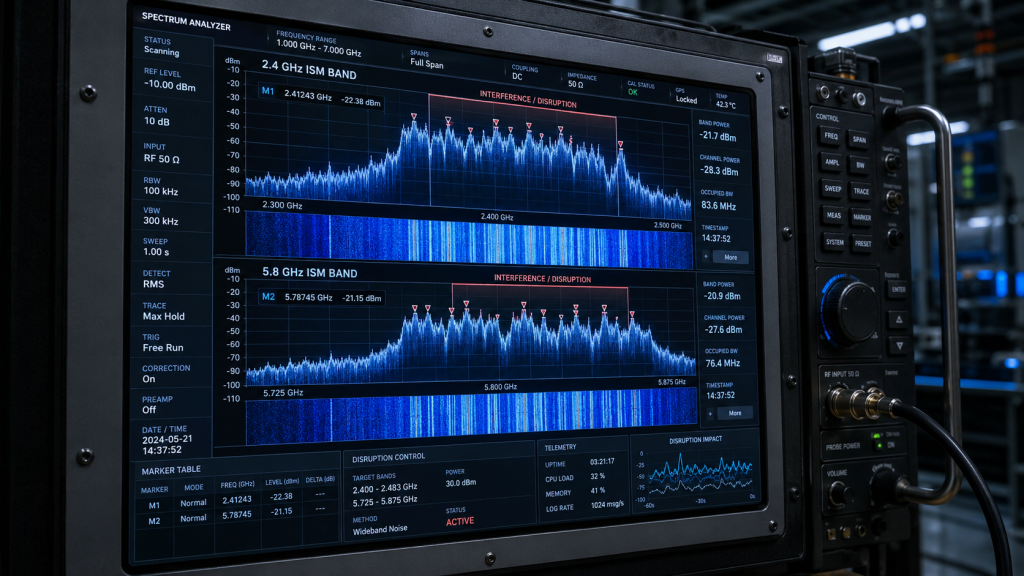
Continuous electricity dictates whether a drone jammer remains functional during emergencies. Fixed installations utilize direct current mains avoiding sudden battery depletion. Portable units demand high-capacity lithium cells for mobility.
Should You Choose Battery Or Mains?
This is where it gets interesting… Mobility requires significant compromises regarding total operational longevity. Backpack models drain batteries incredibly fast under heavy load.
- Mains electricity guarantees constant operation.
- Batteries enable rapid tactical redeployment.
- Hybrid systems offer maximum flexibility.
What Happens During Power Outages?
Unexpected grid failures leave direct-current systems completely vulnerable. Integrating dedicated backup generators ensures unbroken airspace security.
Key Takeaway: Aligning energy sources with deployment scenarios prevents unexpected defensive network collapse.
| Supply Type | Mobility | Operational Duration |
| AC Mains | None | Infinite |
| Li-ion Battery | High | 1-2 Hours |
| Generator | Medium | Days |
Selecting robust energy infrastructure forms a critical backbone for sustained security operations.
6. Why Is A Cooling System Critical For Operation?
Excessive heat destroys internal components inside any active drone jammer rapidly. High-power RF generation produces massive thermal waste during continuous operation. Inadequate ventilation causes immediate performance degradation.
How Does Thermal Throttling Occur?
Listen closely, unmanaged temperatures force internal safety mechanisms into active throttling. Reduced wattage output means a shrinking defensive perimeter.
- Heat reduces amplifier efficiency.
- Solder joints degrade over time.
- Circuit boards warp under stress.
Are Active Fans Better Than Passive?
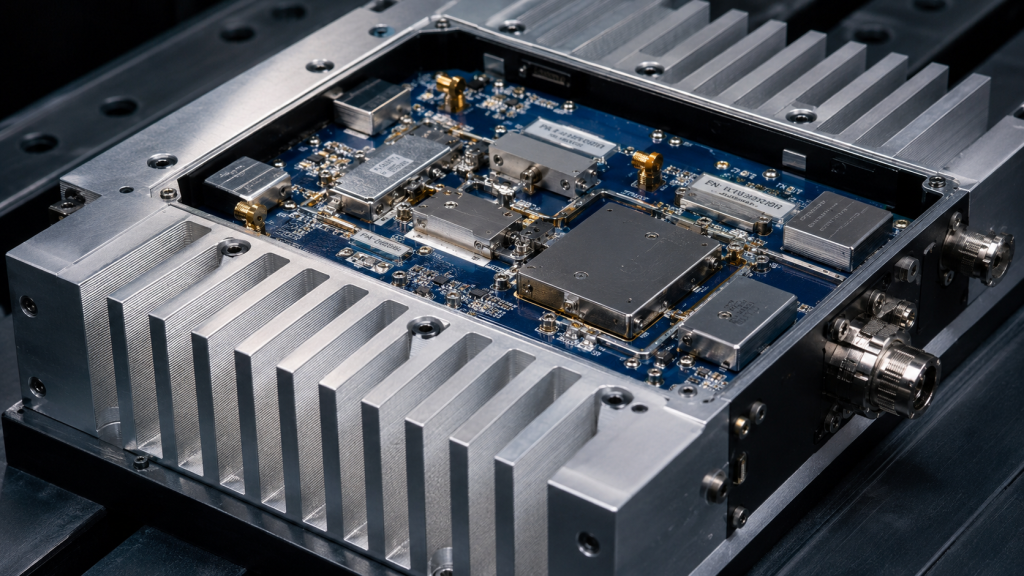
Large aluminum heat sinks provide excellent passive radiation capabilities. However, high-speed active fans expel hot air much faster.
Key Takeaway: Prioritizing exceptional thermal management architecture extends hardware lifespan exponentially.
| Cooling Method | Reliability | Noise Level |
| Passive Sink | Very High | Silent |
| Active Fans | High | Loud |
| Liquid Cooled | Medium | Quiet |
Implementing aggressive thermal dissipation techniques guarantees sustained peak performance during critical events.
7. What Environmental Factors Impact Effectiveness?
Atmospheric conditions alter how well any drone jammer transmits electromagnetic waves. Heavy precipitation absorbs high-frequency signals reducing overall effective interference range. Extreme humidity corrodes unprotected external antenna connections quickly.
Can Rain Attenuate RF Signals?
Truth be told, water droplets scatter specific microwave frequencies terribly. Frequencies above 5GHz suffer massive degradation during severe downpours.
- Raindrops scatter delicate radio waves.
- Snow dampens signal propagation slightly.
- Fog creates minor reflection issues.
How Does Extreme Cold Affect Batteries?
Freezing temperatures drastically reduce lithium-ion power cell efficiency. Heating blankets prevent portable systems from failing unexpectedly in winter.
Key Takeaway: Hardening equipment against severe weather guarantees unbroken security regardless of atmospheric conditions.
| Weather Event | Signal Impact | Hardware Risk |
| Heavy Rain | High Attenuation | Water Ingress |
| Extreme Cold | None | Battery Drain |
| High Heat | Minor | Thermal Shutdown |
Evaluating local climate extremes prevents premature hardware failure during harsh weather cycles.
8. Can A Drone Jammer Interfere With Other Devices?
Careless operation of a drone jammer often disrupts civilian electronics unintentionally. Because quadcopters share frequencies with standard WiFi routers, interference bleeds over easily. Precision targeting minimizes unwanted collateral communication damage.
Does Collateral Interference Happen Often?
Here’s the secret, poorly calibrated hardware blasts noise across unnecessarily wide spectrums. This sloppy execution downs nearby security cameras.
- Blinds local wireless internet networks.
- Disrupts Bluetooth headset connections.
- Impacts smart home automation hubs.
How Do Operators Limit Disruption?
Directional antennas focus energy exactly where threats exist. Avoiding omnidirectional broadcasting in dense neighborhoods saves endless headaches.
Key Takeaway: Implementing strict frequency management protocols protects innocent civilian infrastructure from accidental suppression.
| Target Band | Shared Civilian Tech | Mitigation Strategy |
| 2.4 GHz | WiFi, Bluetooth | Directional Antenna |
| 5.8 GHz | 5G WiFi | Lower Output |
| GPS L1 | Car Navigation | Pulse Jamming |
Adopting surgical precision techniques mitigates catastrophic collateral damage across shared public airwaves.
9. How Do Antenna Types Differ In RF Applications?
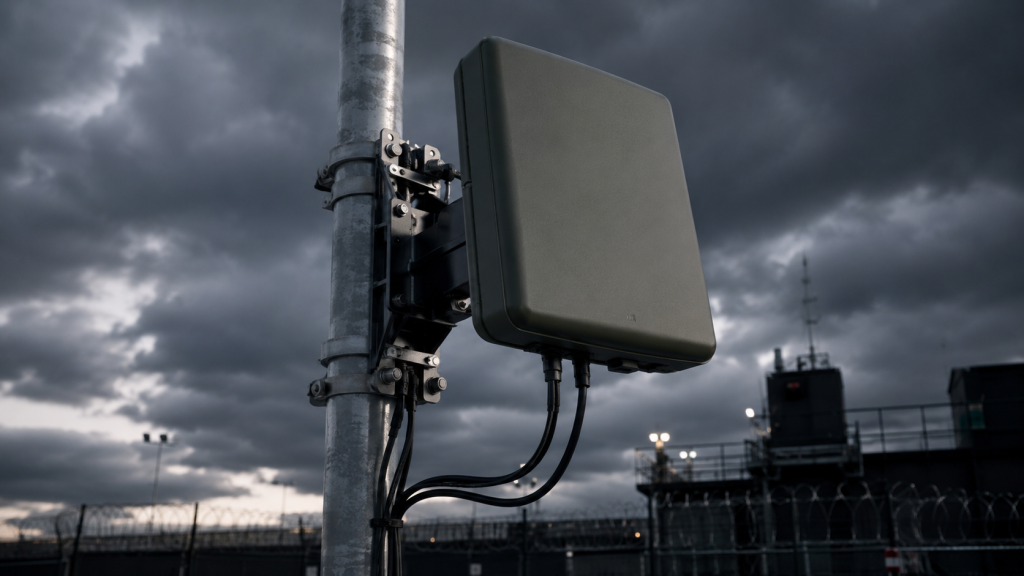
Antenna selection radically transforms how a drone jammer projects defensive energy. Omnidirectional variants create a circular bubble of generalized protection. Directional panels shoot concentrated beams toward specific distant threats.
When Should You Use Omni Antennas?
Think about it, unpredictable threat vectors require 360-degree coverage constantly. Mobile convoys utilize these for moving spherical defense.
- Protects against swarm attacks.
- Requires zero manual aiming.
- Covers all attack angles simultaneously.
Why Are Directional Panels Superior?
Concentrating all available wattage into a narrow beam extends effective range massively. This surgical approach minimizes annoying collateral interference behind the operator.
Key Takeaway: Matching antenna radiation patterns with specific tactical needs dictates overall operational success.
| Antenna Type | Coverage Angle | Range Multiplier |
| Omnidirectional | 360 Degrees | 1x |
| Sector Panel | 90-120 Degrees | 3x |
| High-Gain Yagi | 15-30 Degrees | 8x |
Selecting proper radiation hardware optimizes energy distribution effectively maximizing target neutralization distances.
10. What Are The Legal Considerations For Jamming?
Deploying any drone jammer demands strict adherence to international telecommunications laws. Civilian ownership remains heavily restricted across most global jurisdictions. Unauthorized broadcasting incurs severe financial penalties instantly.
Are Private Citizens Allowed To Jam?
Let’s face it, federal agencies strictly prohibit unauthorized manipulation of public airwaves. Only military and law enforcement personnel operate these devices legally.
- FCC regulates American airspace strictly.
- European laws demand explicit government authorization.
- Heavy fines punish illegal civilian usage.
How Do Facilities Obtain Permits?
Critical infrastructure providers must petition regulatory bodies for specialized operational waivers. Demonstrating severe security vulnerabilities justifies obtaining necessary legal clearance.
Key Takeaway: Securing proper legal authorization prevents disastrous civil liabilities during active threat mitigation.
| Jurisdiction | Civilian Legality | Authorized Users |
| United States | Illegal | Federal Agencies |
| European Union | Illegal | Law Enforcement |
| Middle East | Restricted | Military Only |
Navigating complex regulatory frameworks ensures deployments remain entirely lawful and strategically sound.
Securing your airspace requires robust industrial hardware. CorelixRF delivers military-grade RF power amplification solutions engineered for absolute reliability. We empower defense integrators with uncompromised engineering truth. Please contact us today for specialized integration support.
FAQ
Q1: Can I use this equipment to protect my private backyard?
No, civilian usage remains illegal. Federal laws restrict these devices to authorized military personnel.
Q2: What’s the best way to determine needed output power?
Calculate your exact perimeter radius. Larger facilities demand significantly higher wattage for full coverage.
Q3: How do I know if a cooling system performs well?
Check for large aluminum heat sinks. Active fans combined with massive heat sinks prevent thermal throttling.
Q4: Can I target only video feeds without blocking control?
Yes, modern equipment isolates specific bands. Disabling 5.8GHz alone kills video telemetry instantly.
Q5: What’s the best antenna for long-distance targeting?
Directional high-gain panels work perfectly. They focus energy into a tight beam extending range massively.
Authorized RF engineering and compliance review
For regulated RF systems, this page should be used as an engineering and compliance review path, not as a public deployment checklist. CorelixRF starts with authorization status, operating region, frequency plan, output limit, antenna interface, safety controls, thermal limits and acceptance documents.
- RFQ checklist – send the data buyers usually forget, including band, power, duty cycle, interface and test standard
- delivery documentation – check what documents can support incoming inspection, FAT review and long-term maintenance
- quality and certification review – review the quality and compliance evidence before the project moves into procurement
- RF front-end platform – compare the RF chain as a system instead of selecting one isolated module
- RF configurator – turn frequency, power, thermal and interface requirements into a first configuration brief
- case studies – review similar engineering paths before sending an RFQ
- engineering contact – send the application notes, block diagram or target specification to engineering sales
This keeps the discussion inside lawful, authorized RF programs while still giving procurement teams a clear way to request amplifier, antenna, SDR source, documentation and factory review.
Authorized RF System Selection Review Path
For authorized security, test or integration programs, use this article as a compliance-first planning reference rather than an operating instruction. The practical next step is to review the RF chain as an engineered system: source, amplifier, antenna, control interface, load condition, thermal margin and acceptance evidence.
- Review RF front-end platform architecture when the project combines signal source, amplifier, antenna and control logic.
- Compare RF power amplifier platforms for band, output power, duty cycle, cooling and protection behavior.
- Match RF antenna platforms to coverage pattern, gain, connector, VSWR and installation limits.
- Prepare an RFQ checklist before requesting datasheets, test data or a factory engineering review.
Send your RF system requirements to CorelixRF engineering for a compliance-aware review path.