
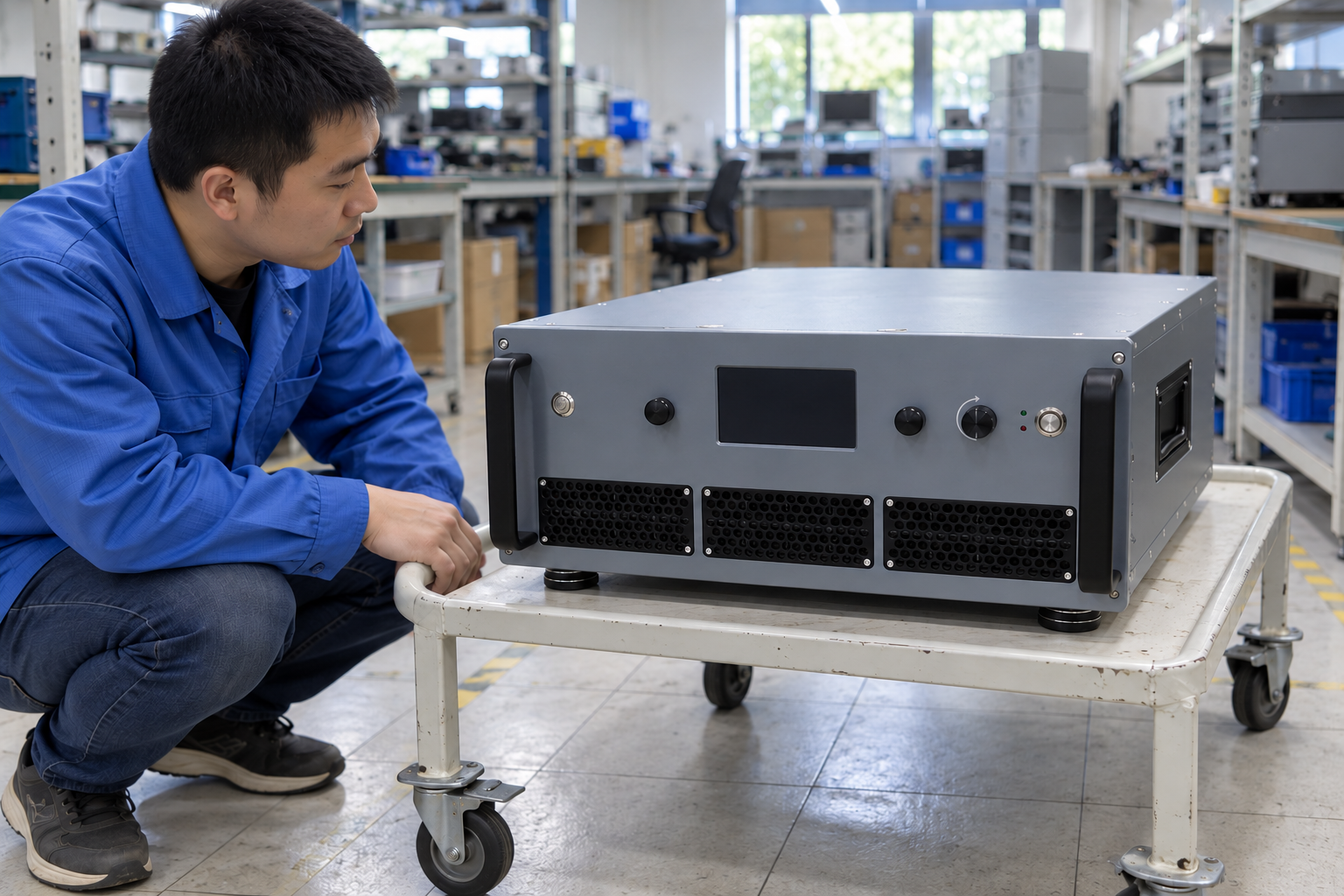
Power-plant RF interface management should separate installation, outage work, and normal operation, with responsibility for each plant dependency recorded. The key output is a site-specific interface record that protects required services and identifies who can approve tests or changes.
Identify plant-owned dependencies
Identify plant communications, instrumentation, power, cooling, grounding, access and contractor boundaries in scope. The plant owner names essential services and shareable information. Record possible interruptions and common dependencies through RF risk assessment.
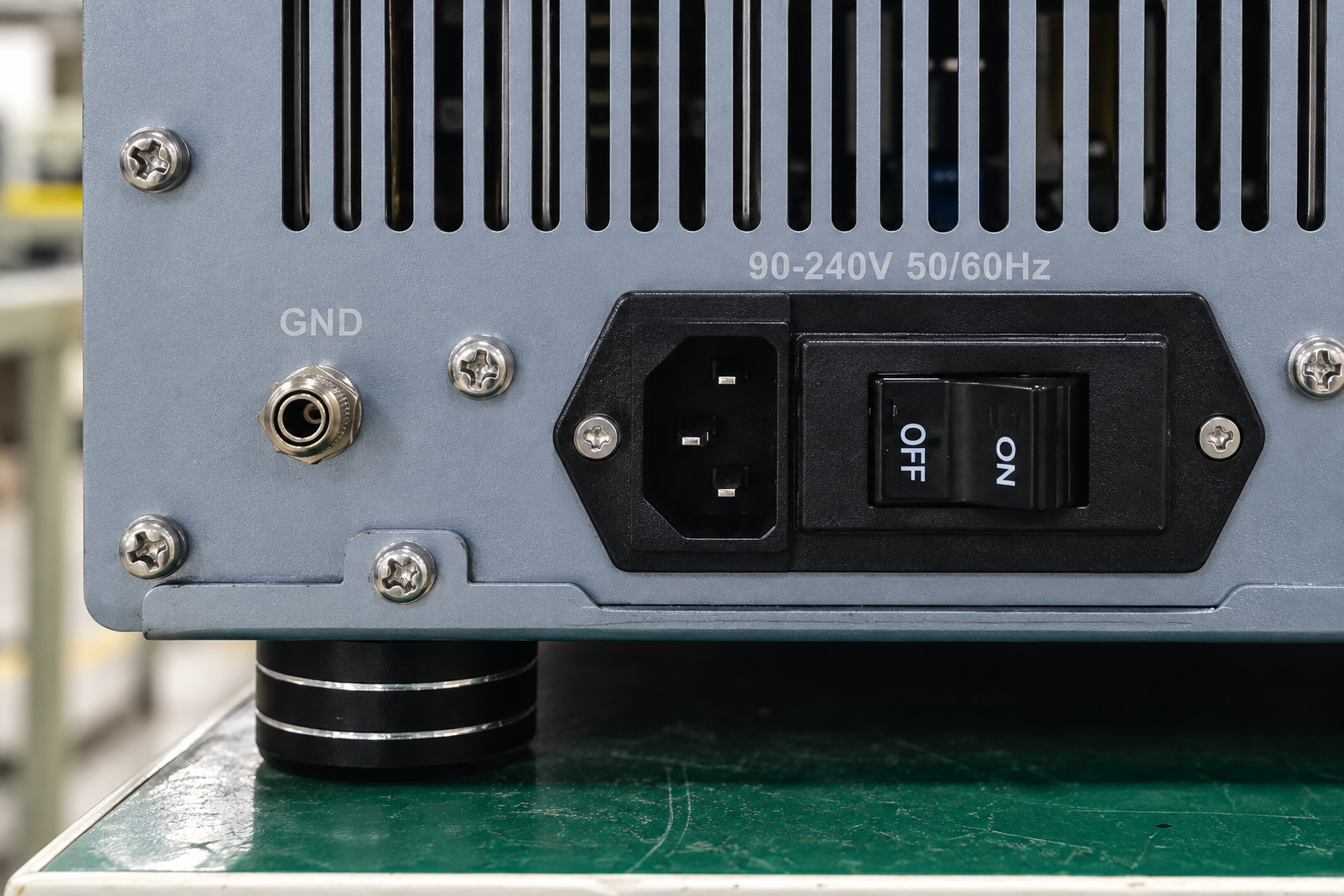
Separate installation, outage, and normal-operation conditions
Use RF change control to bind each phase to its baseline, temporary configuration and permission. Identify which services are absent during an outage and which normal-operation checks remain after restoration; one phase’s result cannot close an unobserved phase.
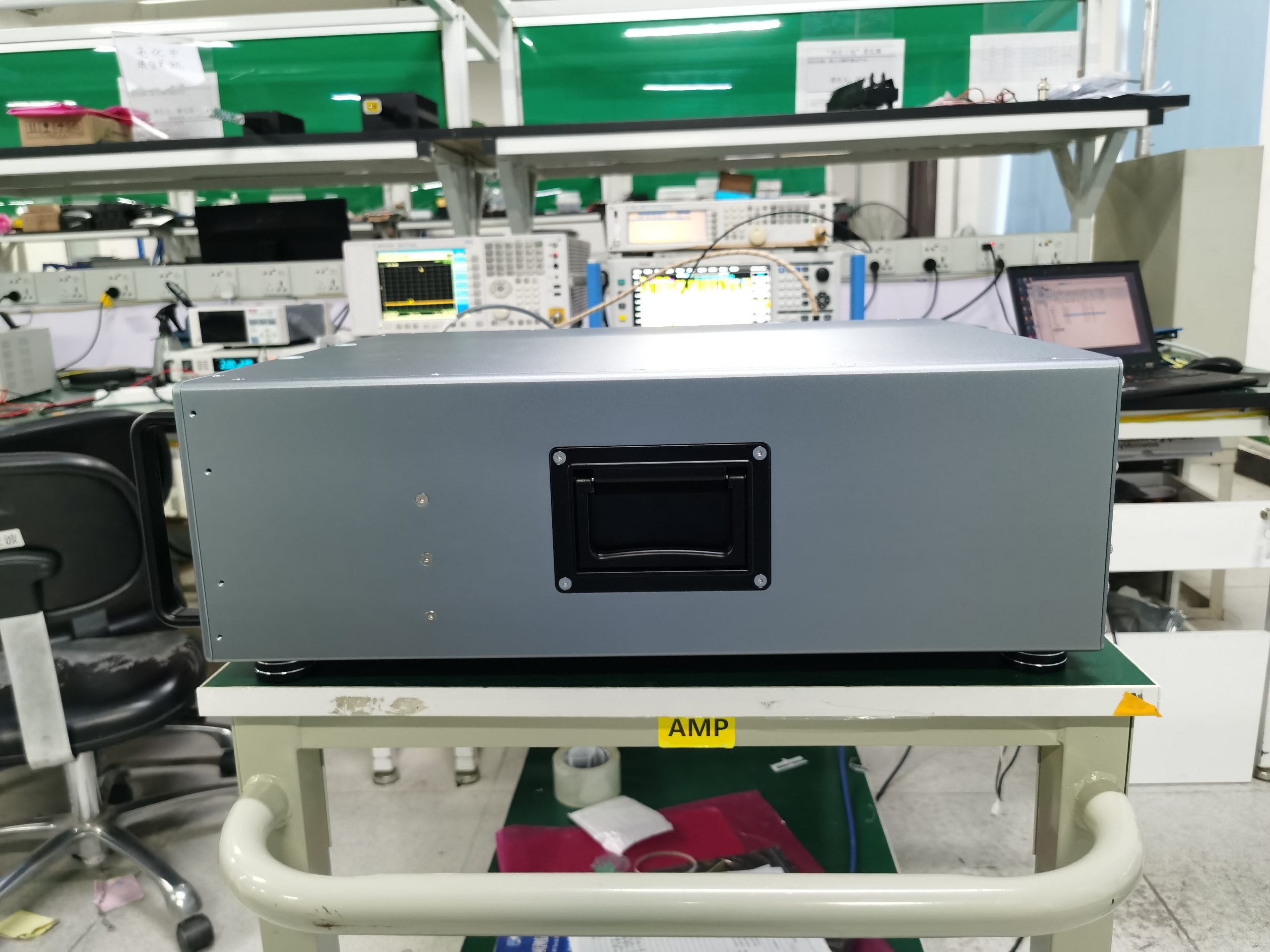
Assign coordination and recovery
Record plant owner, contractor/provider, notice, deliverable, plant approver and restoration confirmer for each RF interface record. Any new test or work activity needs its defined project-review release; installation completion cannot replace that decision.
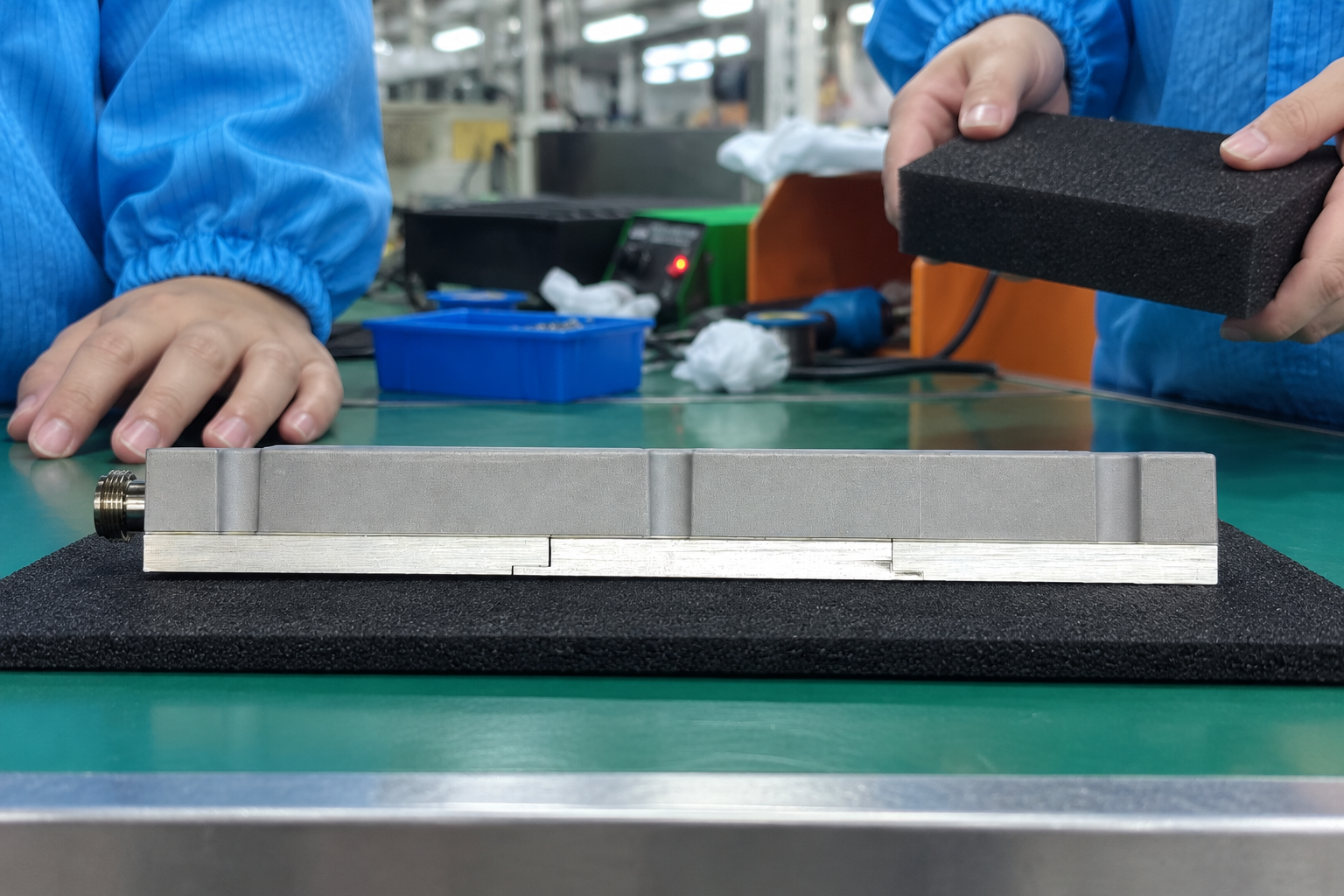
Separate outage work from normal operation
The same installation can present different interfaces during an outage and after return to service. Record both phases.
| Phase | Configuration and evidence | Provider | Approval/confirmation |
|---|---|---|---|
| Before work | Service baseline, work boundary and approved window | Plant/service owners and project team | Plant authority approves the scoped work |
| Outage/work | Temporary configuration, absent services and contractor interfaces | Named contractor and interface providers | Plant approver accepts permitted changes and test boundaries |
| Restoration | Returned configuration and functional service checks | Contractor hands over installed work and records | Named plant confirmer accepts restored service, separately from contractor completion |
| Normal operation / remaining checks | Active plant services, coexistence observations and remaining temporary items | Assigned service/interface owners | Operations accepts only supported checks; unobserved conditions stay open |
The deliverable is an interface and phase matrix with unresolved plant dependencies visible. Use the site RF baseline for repeatable observations and the facility continuity review for service-change evidence. A component specification or generic security proposal does not establish compatibility with the plant’s operating systems.
An open handoff can therefore read “contractor installation complete; named service restoration confirmation pending,” with its owner and required functional record attached. Close that dependency when the plant’s confirmer accepts the evidence, not when the contractor’s work order is signed.
Send the power-plant project's RF equipment boundaries, installation interfaces, outage constraints, and supplier handoff requirements. For the component portion of the requirement, review the RF front-end platform scope and keep its hardware responsibilities separate from complete-system outcomes.
Discuss Power-Plant RF Interfaces