
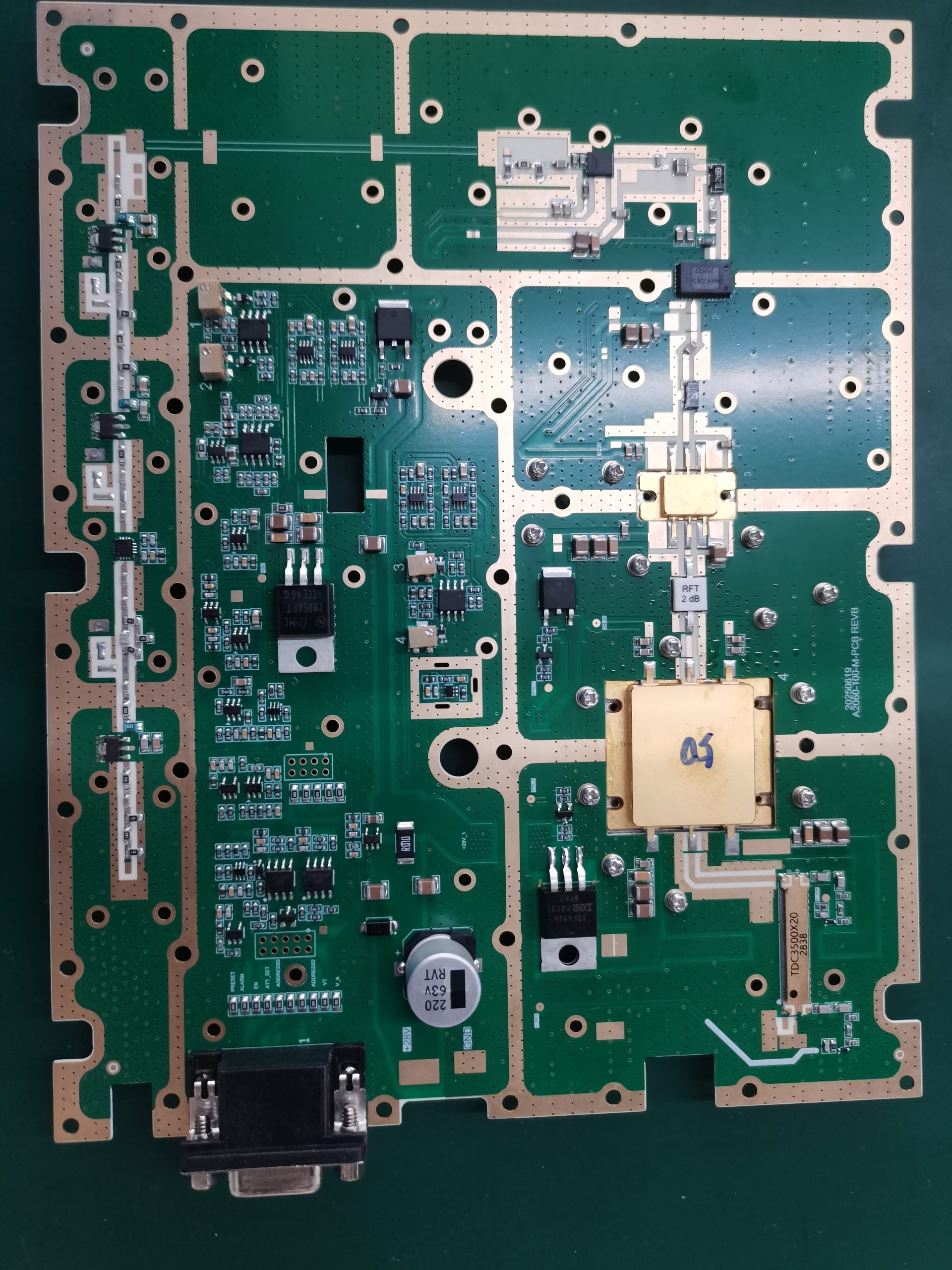
An RF project review should define the proposed activity, the responsible decision owners, and the conditions that limit the next release. It should produce a controlled project brief before detailed component selection or a supplier commitment.
Define the proposed activity
Name jurisdiction, entity, facility/context and requested functions. If the purchase scope is still broad, use counter-UAS procurement review to distinguish a component inquiry from a complete function. Define the current activity rather than a project-wide permission.
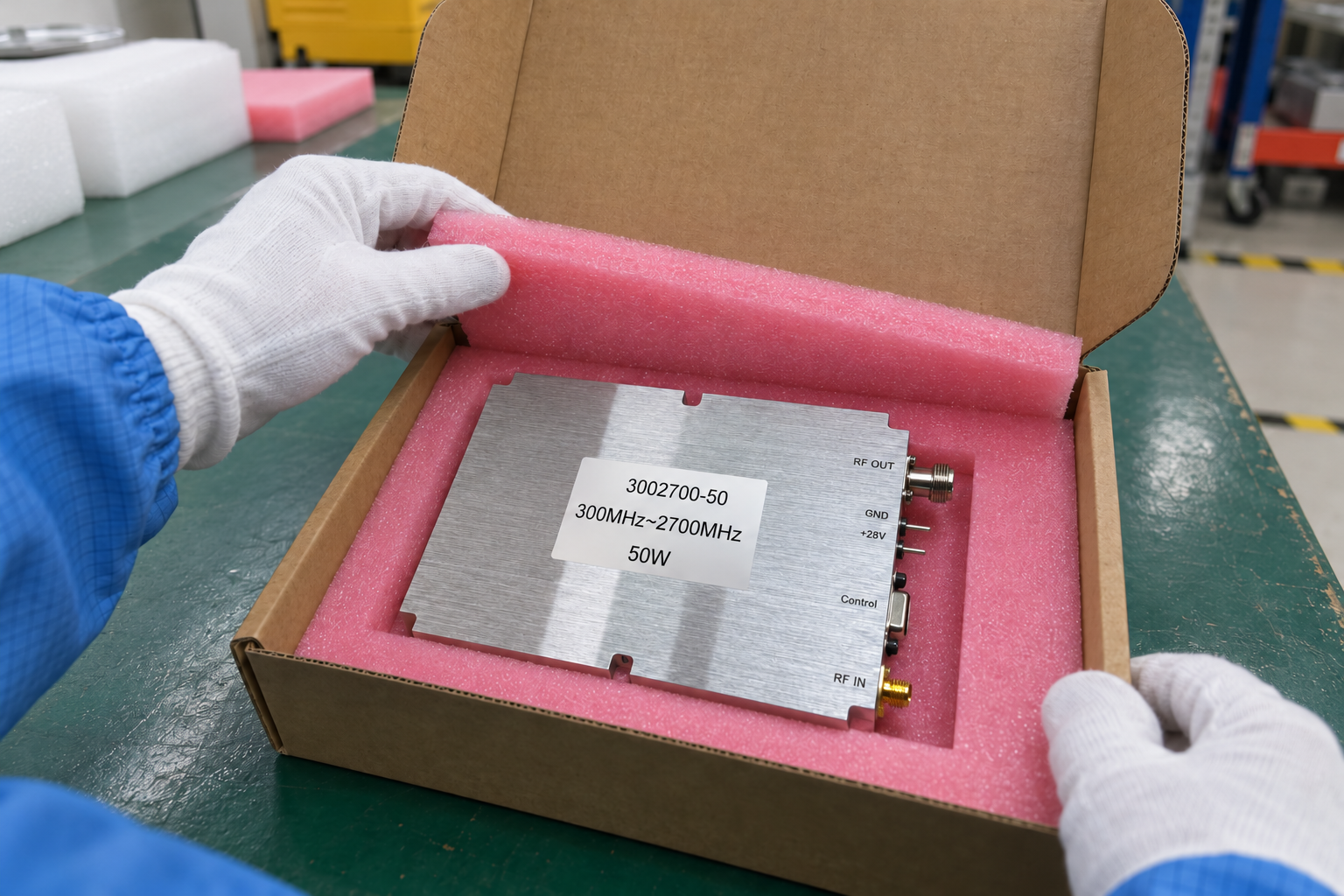
Assign the decision owners
Name the engineering, compliance, safety, procurement, integration, and acceptance owners as applicable. Identify customer-furnished equipment and third-party dependencies. A supplier’s technical response does not replace the responsible organization’s approval of the activity.

Build the release checklist
Attach controlled RF system requirements, interface assumptions, test boundary and criteria. For each open condition, state the owner, evidence and the particular activity it blocks; provisional inputs should not be shown as approved design values.
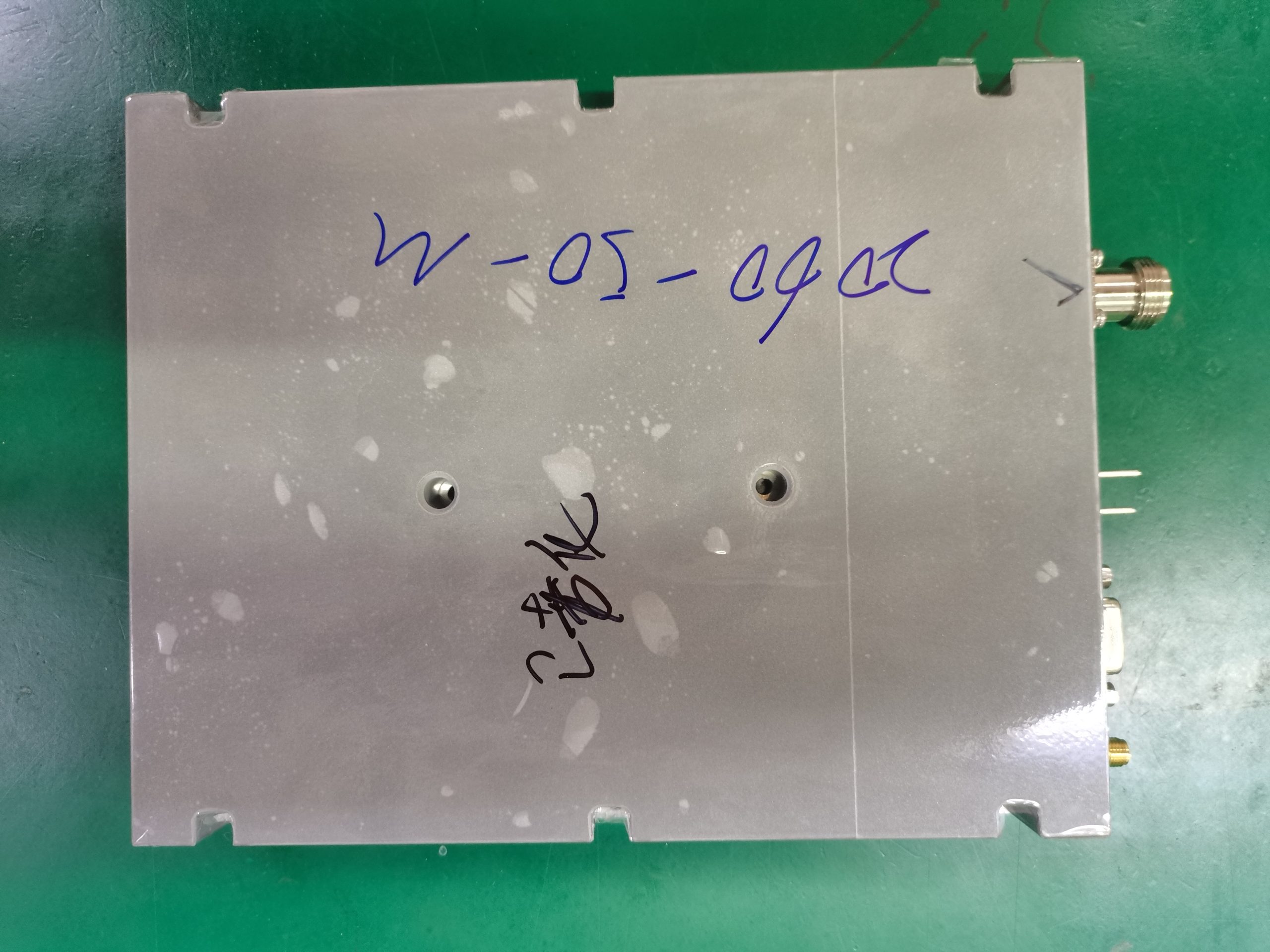
An initial release record
Use this record at project intake, before treating a component selection as an approved system baseline.
| Area | Input | Release question |
|---|---|---|
| Project scope | Intended activity, location and responsible organization | Is the activity described precisely enough to review? |
| Authority review | Named reviewer and applicable sources in the compliance evidence index | Which exact proposed activity is covered, and which still needs review? |
| Technical ownership | Requirements owner and interface responsibilities | Who resolves provisional requirements? |
| Next activity | Quotation, document review or scoped component test, with a condition owner and closure evidence | Permit only the named work; unresolved test conditions block powered testing. A selected architecture needs its later design signoff |
For example, quotation can proceed against a declared provisional input while its owner resolves a test prerequisite by the recorded review date. Keep that condition and its affected activity in the release record; it is not site-operation approval.
The initial review ends with an approved scope, conditions for proceeding, and a versioned decision record. It need not pretend that all later design details are known. Once the baseline exists, later modifications belong in the change-impact review. RF component procurement can then use the component review checklist within that controlled scope.
Share the authorized RF equipment scope, named technical owners, and open supplier-interface questions.
Start an RF Hardware Scope Inquiry