
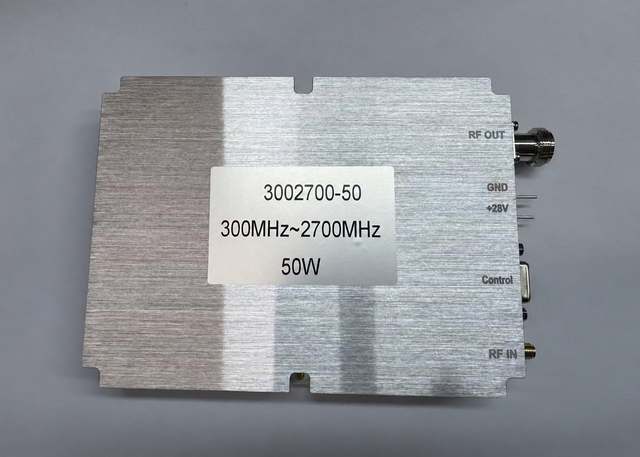
Stadium RF coordination should preserve the services, event phases, and configurations to which coexistence evidence actually applies. The review should define coexistence and continuity requirements before any proposed equipment is accepted. This is a planning and evidence task, not a field deployment procedure. For the component portion of the requirement, review the RF front-end platform scope and keep its hardware responsibilities separate from complete-system outcomes.
Inventory the relevant services
Inventory venue communications, production links, safety services, tenants and external interfaces with an owner and operating period for each. Record possible service effects in the RF risk register rather than inferring a complete inventory or risk level from one spectrum trace.
Separate event and test configurations
Name the systems active during preparation, event operation and restoration. Temporary broadcast links or radios may exist only during the event, while other services must remain throughout. A preparation observation cannot represent those absent services; retain the difference and agree a permitted event-phase test window or another accepted evidence route.
Agree evidence and responsibility
Use the initial RF project review to fix the measurement activity, impact criteria and decision owner. Keep the applicable authority sources in the compliance index separately from the coexistence results, including who responds to an unexpected service effect.
A stadium service and event-phase matrix
Organize rows by service and columns by phase. The entries below demonstrate the review questions, not measurements of a particular stadium. A preparation-only communications record, for example, leaves its event-phase cell open until evidence covers the changed configuration.
| Service | Preparation | Event | Restoration | Review owner |
|---|---|---|---|---|
| Venue communications | Identify baseline configuration and file | Check changes in radios, loading and operating period | Confirm the required path after temporary work is removed | Venue communications owner |
| Temporary broadcast/production | Record planned equipment and interface owners | Obtain evidence for the actual active links; absence during preparation is not a pass | Record removal and affected-interface restoration | Production and affected service owners |
| Safety/continuity service | Define required availability and permitted test restrictions | Apply that service criterion during the event | Require functional restoration confirmation | Responsible operations owner |
| Tenant/external interface | Identify responsible party and planned change | Review its active-period constraints | Reconcile the returned configuration | Interface and tenant owners |
Attach each observation to the service and phase it actually represents, with missing cells left as specific open items. For an event needing investigation, the RF incident-evidence workflow retains the original captures and handoff rather than substituting the quiet-site baseline.
The output is an event-specific interface and evidence matrix with unresolved dependencies. The site RF baseline can support comparison, while the facility continuity review defines how service recovery and change responsibilities are documented.
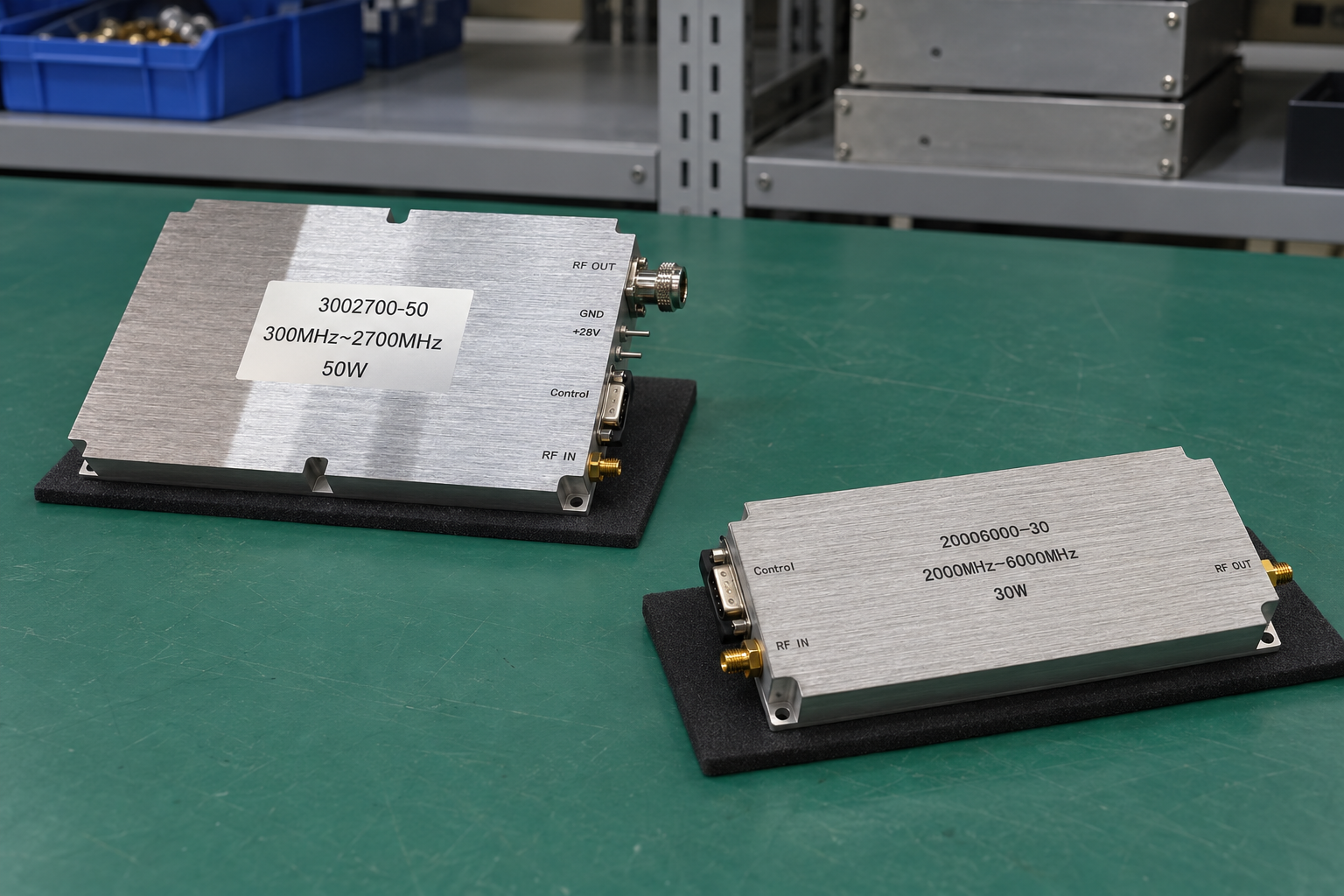
Provide the RF equipment interfaces and coexistence constraints assigned to the hardware supplier for your venue project.
Discuss Venue RF Hardware Interfaces