
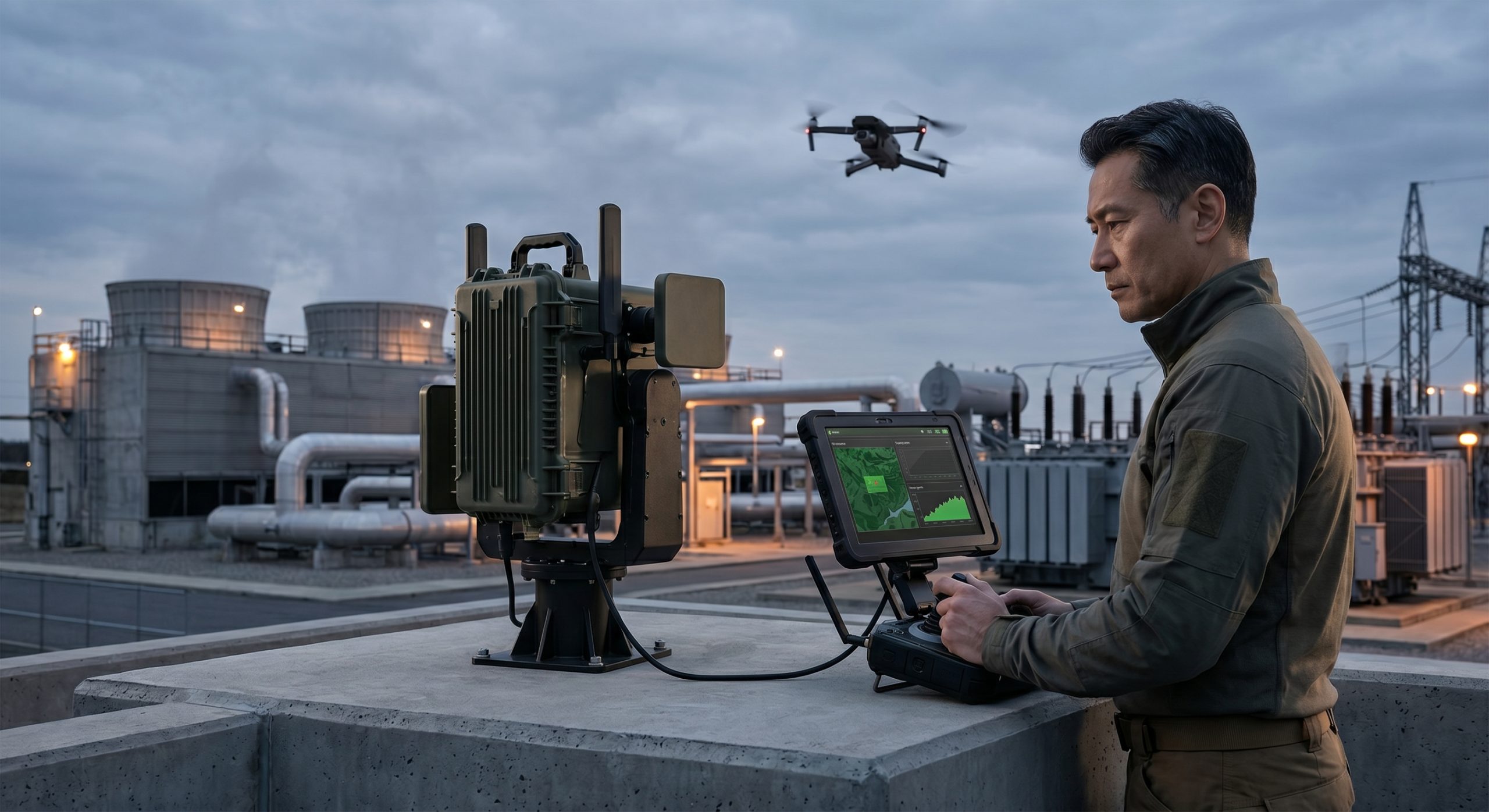
The future holds rapid expansion of legal mitigation authorities for state and local agencies. You run a high-security facility facing constant unauthorized UAV intrusions. Thirty seconds of surveillance ruins your operational secrecy rapidly. We deliver compliant Counter-Drone hardware built for these exact legal frameworks. CorelixRF provides military-grade RF technology matching strict federal guidelines perfectly. Upgrading defense systems requires understanding new legislative shifts happening now. Our solutions align with upcoming statutory changes seamlessly.
What Are the Current Counter-Drone Legal Frameworks?
Current legal frameworks restrict most organizations from decoding UAV signals under federal wiretap laws. Counter-Drone technology deployment requires careful management around existing communication regulations. Many facilities rely strictly on passive detection methods currently. Authorities reserve active mitigation rights for specific government entities primarily.
Defining Basic Deployment Rules
Organizations can legally deploy tracking systems without intercepting remote communications. Breaking federal statutes carries severe financial penalties immediately. Facility managers must audit their security vendors carefully. Compliance guarantees continuous operations without legal interruptions.
Understanding Federal Wiretap Limits
You might be wondering… how wiretap laws affect security operations. The law prohibits reading data transmitted between a controller and an aircraft.
- Passive monitoring remains entirely legal.
- Decoding control signals violates federal statutes.
- Active jamming requires special authorization usually.Violating these rules invites federal prosecution quickly.
Key Takeaway: Following established communication laws prevents severe legal penalties when deploying defensive systems.
Analyzing recent legal precedents reveals clear boundaries for civilian security deployments.
| Rule Category | Allowed Action | Prohibited Action |
| Passive Monitoring | Radar tracking | Decoding signals |
| Active Defense | Alerting authorities | Signal jamming |
| System Installation | Roof mounting | Airspace disruption |
This table clearly demonstrates strict boundaries dividing legal monitoring from illegal interference.
How Does the National Action Plan Address Security?
This plan urges congressional action expanding mitigation authorities across domestic agencies. We see Counter-Drone initiatives gaining massive traction within executive branches. The White House published a detailed strategy last April. This directive creates pilot programs for local law enforcement departments.
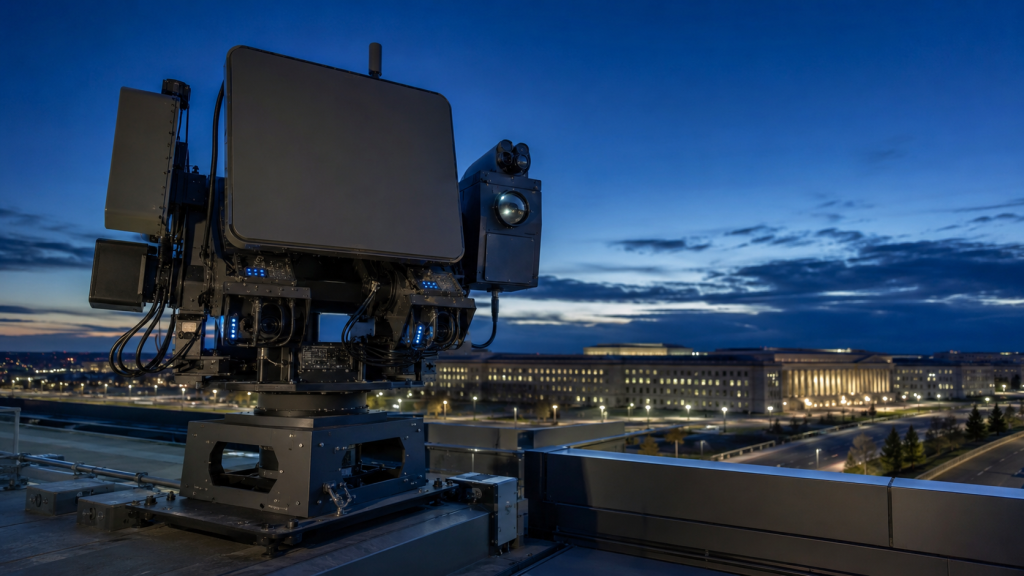
Analyzing White House Directives
Federal leaders recognize escalating threats from unregulated aerial vehicles. They propose sharing ideas among multiple jurisdictional levels rapidly. Protecting communities requires updated technological guidance. State agencies need clear rules governing defensive hardware usage.
Impact on State Agencies
Here is the deal… local police cannot fight aerial threats blind. Expanding authority gives officers necessary tools for public safety.
- Pilot programs test new operational procedures safely.
- Departments receive approved technology lists directly.
- Funding pathways open for equipment procurement.These changes empower local defenders greatly.
Key Takeaway: Executive strategies pave a clear path for localized aerial defense capabilities.
Evaluating jurisdictional shifts shows increasing reliance on state-level security implementations.
| Agency Level | Current Authority | Proposed Authority |
| Federal | Full mitigation | Full mitigation |
| State | Passive only | Approved mitigation |
| Local Police | Visual tracking | Pilot program testing |
These proposed changes shift defensive responsibilities toward localized emergency responders effectively.
Why Are SLTT Agencies Critical for Counter-Drone Safety?
State and local entities serve as first responders during aerial security incidents. Equipping these agencies with Counter-Drone systems dramatically improves community safety. Federal authorities simply cannot cover every domestic event simultaneously. Localized responses stop threats before major damage occurs.
Expanding Mitigation Authorities Locally
Providing clearance to tribal authorities closes massive security gaps nationwide. Rural areas face unique challenges requiring immediate local intervention. Waiting for federal assistance allows hostile operators time for escape. Swift local action neutralizes risks effectively.
Building Regional Response Capabilities
Ready for the good part? Regional teams now train together utilizing advanced gear. Shared knowledge creates robust defense networks across neighboring counties.
- Cross-jurisdictional communication improves incident tracking.
- Standardized equipment reduces maintenance costs.
- Joint training exercises build operational readiness.Coordinated efforts guarantee complete airspace dominance regionally.
Key Takeaway: Empowering local responders builds a highly resilient national defense network.
Reviewing regional readiness scores highlights massive improvements following decentralized authority distribution.
| Response Metric | Pre-Authorization | Post-Authorization |
| Reaction Time | Hours | Minutes |
| Area Coverage | Limited | Wide |
| Threat Neutralization | Low | High |
Regional statistics prove decentralized control yields faster threat resolution times.
What Happened with Congressional Law Re-authorization?
Congress chose an extension until mid-December rather than passing new limitations. Updating Counter-Drone legislation takes massive bipartisan negotiation efforts. Lawmakers faced choices regarding letting current rules expire entirely. The temporary extension maintained existing defense capabilities temporarily.
Examining Midterm Extension Strategies
Elections often delay complex legislative actions involving national security matters. Politicians avoid controversial votes right before facing their constituents. Delaying the decision allowed deeper analysis of proposed changes. Temporary fixes keep skies safe while debates continue.
Forecasting Permanent Legislative Changes
What is the real story? Permanent laws will likely include strict equipment standards. Manufacturers must prepare for rigorous testing protocols soon.
- Hardware must pass certified compliance tests.
- Software requires regular security patch updates.
- Procurement mandates favor trusted domestic suppliers.CorelixRF designs components anticipating these exact regulatory requirements.
Key Takeaway: Future laws demand higher standards from RF component manufacturers globally.
Tracking legislative timelines indicates a strong push toward standardized equipment mandates.
| Legislative Phase | Action Taken | Industry Impact |
| Initial Expiration | Debate started | Procurement paused |
| Short Extension | Status quo kept | Planning continued |
| Final Passage | Strict rules set | Standards enforced |
Strict mandates force low-quality equipment providers out of professional defense markets.
How Will the Safeguarding the Homeland Act Operate?
This Senate bill aims at increasing adoption rates of approved defensive technologies. Using compliant Counter-Drone systems becomes easier for verified organizations. The act offers specific guidance regarding acceptable hardware parameters. Lawmakers want communities protected using reliable engineering solutions.
Senate Considerations for Unmanned Threats
Senators understand that hostile aerial vehicles threaten critical infrastructure daily. They review expert testimony regarding advanced RF mitigation tactics. Passing this act provides a solid legal foundation for defenders. Clear laws reduce hesitation among security directors.
Preparing for Increased Adoption Rates
This is where it gets interesting… market demand will spike following legal clarity. Facilities need robust RF amplifiers supporting continuous operation.
- GaN power platforms guarantee sustained signal dominance.
- Wideband coverage handles multiple threats simultaneously.
- High thermal efficiency prevents system failures.Operators require military-grade reliability during active engagements.
Key Takeaway: Proactive legislation drives rapid market growth for high-quality RF manufacturing.
Analyzing market readiness shows high demand for verified engineering specifications.
| Technology Need | Current Status | Future Requirement |
| Power Output | Variable | Continuous |
| Frequency Band | Narrow | Wideband |
| Reliability | Commercial | Military-grade |
Future readiness requires adopting military-grade hardware frameworks immediately.
What Role Does the TSA Play in Transportation Protection?
The TSA receives proactive authority securing transportation infrastructure from aerial threats. Deploying Counter-Drone measures around airports prevents catastrophic aviation accidents. Unauthorized flights cost airlines millions during unexpected ground stops. Passenger safety demands strict airspace control near terminals.

Securing Airports and Aviation Hubs
Airports present massive logistical challenges for RF defense systems. Multiple civilian frequencies operate simultaneously near busy runways. Defensive equipment must target hostile signals without disrupting control towers. Precision engineering prevents friendly fire incidents entirely.
Preventing Costly Operational Disruptions
Listen closely… a single unauthorized flight halts thousands of travelers. Economic losses pile up rapidly when runways shut down.
- Airlines face massive refund demands.
- Cargo shipments miss critical delivery windows.
- Security personnel waste resources tracking invisible targets.Reliable hardware prevents these costly delays effortlessly.
Key Takeaway: Protecting airports requires precise RF engineering minimizing interference with civilian aviation.
Evaluating financial impacts reveals massive cost savings through proactive airspace defense.
| Disruption Type | Financial Cost | Mitigation Strategy |
| Runway Closure | Very High | Early detection |
| Flight Rerouting | High | Long-range tracking |
| Terminal Evacuation | Extreme | Immediate neutralization |
Investing in robust detection grids prevents catastrophic logistical breakdowns easily.
How Does Legislation Benefit the US Drone Economy?
Clear laws enable a thriving commercial aviation sector operating safely. Integrating Counter-Drone frameworks guarantees bad actors face rapid neutralization. The economy takes off when companies trust airspace security. Commercial deliveries require protected flight paths constantly.
Enabling Commercial Aviation Growth
Retailers want automated aerial deliveries functioning without malicious interference. Safe skies encourage massive venture capital investments quickly. Unregulated environments scare away serious corporate operations. Fostering innovation requires a secure operational baseline.
Maintaining Global Leadership Status
Truth be told… global dominance requires balancing innovation with strict security measures. The United States must lead in both offensive and defensive technologies.
- Exporting secure systems strengthens allied nations.
- Setting technical standards influences global markets.
- Domestic manufacturing guarantees supply chain integrity.CorelixRF supports this leadership through uncompromising quality control.
Key Takeaway: Economic prosperity relies heavily upon maintaining secure and predictable aerial environments.
Reviewing economic indicators shows direct correlations between security laws and industry growth.
| Economic Sector | Growth Potential | Security Dependency |
| Aerial Delivery | Massive | Very High |
| Infrastructure Inspection | Steady | High |
| Agricultural Surveying | Moderate | Medium |
Commercial sectors scale rapidly only under secure regulatory frameworks.
Why Is Manufacturing Standard Integration Necessary Now?
Hardware builders must align product specifications with emerging federal guidelines immediately. Integrating Counter-Drone capabilities demands rigorous quality assurance practices. Sloppy manufacturing causes dangerous failures during critical security events. Professional environments demand proven forty-six-step quality protocols.
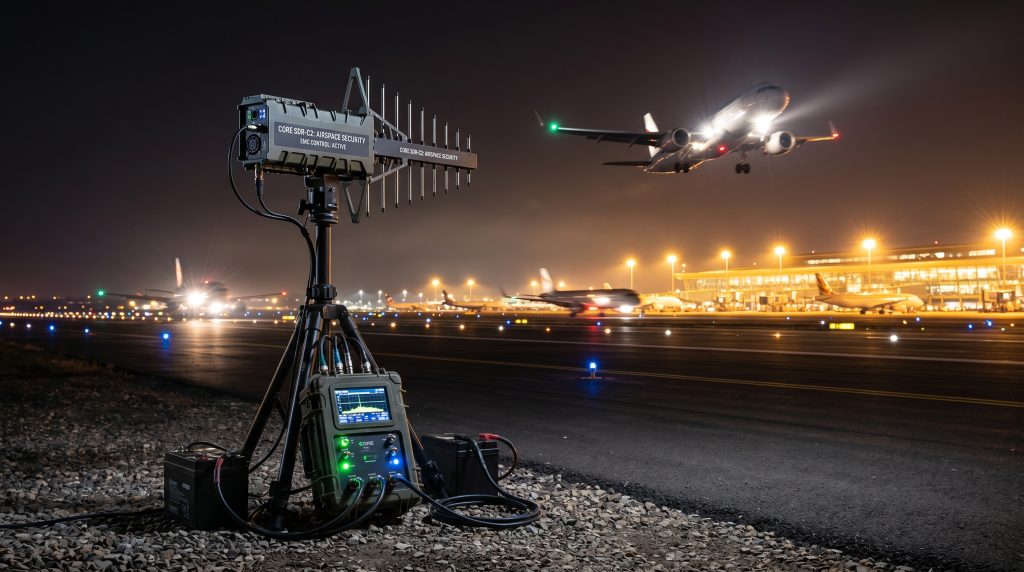
Aligning Hardware with Legal Demands
Laws dictate specific power limits reducing collateral electromagnetic damage. Engineering teams design amplifiers respecting these legal boundaries strictly. Output power must remain stable across diverse environmental conditions. Flawless execution prevents accidental civil communications disruption.
Guaranteeing Quality Control in Production
Look at the facts… inconsistent manufacturing ruins system-level reliability. Integrators need identical performance from every module purchased.
- Thermal cycling tests verify survival under extreme heat.
- Vibration testing guarantees durability during transport.
- Gain flatness checks guarantee signal consistency.We manufacture every unit passing severe stress evaluations.
Key Takeaway: Strict manufacturing standards translate directly into legal compliance and operational success.
Comparing production methodologies highlights dramatic differences in end-product reliability.
| Process Step | Standard Method | CorelixRF Method |
| Component Check | Random sampling | 100% Inspection |
| Thermal Test | Room temp | Extreme cycling |
| Final Verification | Basic power check | Full spectrum analysis |
Exhaustive testing protocols eliminate catastrophic field failures entirely.
How Do Electromagnetic Interference Rules Affect Procurement?
Buyers must verify that their chosen hardware respects civilian frequency boundaries. Selecting Counter-Drone systems involves auditing technical datasheets carefully. Non-compliant gear risks massive fines from telecommunications regulators. System integrators prefer manufacturers offering complete transparency.
Managing Signal Generation Compliance
Signal sources must feature precise frequency hopping capabilities. Poorly designed jammers leak energy into adjacent radio bands. Regulators monitor urban areas seeking unauthorized RF emissions constantly. Purchasing highly engineered modules eliminates this specific risk.
Selecting Appropriate Defense Hardware
Consider this scenario… your facility needs immediate defense without breaking local laws. You require adaptable digital signal sources immediately.
- Software-defined radios offer flexible waveform generation.
- Independent output channels allow targeted interference.
- RS422 interfaces guarantee seamless command integration.Smart buyers choose programmable solutions matching changing legal environments.
Key Takeaway: Procurement officers must prioritize technical accuracy avoiding severe regulatory penalties.
Evaluating hardware specifications guarantees long-term compliance with evolving electromagnetic regulations.
| Specification | Poor Quality Risk | High Quality Benefit |
| Signal Leakage | FCC fines | Clean operation |
| Frequency Control | Drift | Pinpoint accuracy |
| Power Efficiency | Overheating | Sustained performance |
Selecting premium components saves organizations from massive operational liabilities.
What Can Organizations Do to Prepare for Future Mandates?
Facility directors should upgrade their RF architectures anticipating stricter regulations tomorrow. Modern Counter-Drone laws demand higher fidelity from defense contractors. Relying on outdated hardware guarantees failure against sophisticated aerial threats. Partnering with a dedicated RF manufacturer solves these engineering challenges.
Upgrading Current Security Architectures
Legacy systems lack sufficient processing power handling modern airborne swarms. Upgrading means replacing generic amplifiers with GaN-based power platforms. Facilities need continuous thirty megahertz through six gigahertz coverage. True security demands military-grade components acting reliably.
Partnering with Compliant RF Providers
Here is the bottom line… you need an engineering partner. Direct relationships with manufacturers guarantee custom solutions fit perfectly.
- Engineers optimize thermal designs matching specific enclosures.
- Factories guarantee long-term component availability.
- Technical support solves integration issues rapidly.True collaboration builds unbeatable defense systems.
Key Takeaway: Strategic partnerships with legitimate RF manufacturers guarantee readiness against future aerial threats.
Evaluating vendor capabilities separates true manufacturers from simple equipment resellers easily.
| Vendor Type | Customization | Technical Support |
| Equipment Trader | None | Poor |
| Generic Brand | Low | Basic |
| CorelixRF | Full Engineering | Military-grade |
Engineering-driven partnerships provide absolute certainty during critical defense operations.
We face a rapidly changing legislative environment demanding flawless RF execution. Understanding legal boundaries prevents costly fines while maximizing facility protection. You need reliable hardware tackling these complex airborne threats. Our engineering team delivers compliant components exceeding standard industry requirements. Protect your airspace confidently by choosing proven military-grade platforms. We build the RF core powering tomorrow’s defense architecture. Please contact us today discussing your custom engineering requirements.
FAQ
Q1: Can I deploy active mitigation systems at my commercial facility?
Active jamming remains prohibited for most private organizations currently. Federal laws reserve signal disruption authorities for specific government agencies exclusively.
Q2: How do I know if my hardware violates wiretap laws?
Passive radar tracking avoids legal trouble entirely. Decoding signals between a controller and aircraft constitutes a federal crime.
Q3: What’s the best way to prepare for upcoming legislative changes?
Partnering with verified engineering manufacturers guarantees readiness. Future laws demand strict technical compliance regarding signal emission controls.
Q4: Will local police gain authority stopping unauthorized flights soon?
Pilot programs suggest expanded local authorities arrive shortly. The National Action Plan actively pushes testing mitigation strategies locally.
Q5: Can I request custom RF modules matching specific legal parameters?
Yes, our factory designs tailored power amplifiers efficiently. We adjust output levels guaranteeing compliance with any regional restrictions.
Authorized RF engineering and compliance review
For regulated RF systems, this page should be used as an engineering and compliance review path, not as a public deployment checklist. CorelixRF starts with authorization status, operating region, frequency plan, output limit, antenna interface, safety controls, thermal limits and acceptance documents.
- RFQ checklist – send the data buyers usually forget, including band, power, duty cycle, interface and test standard
- delivery documentation – check what documents can support incoming inspection, FAT review and long-term maintenance
- quality and certification review – review the quality and compliance evidence before the project moves into procurement
- RF front-end platform – compare the RF chain as a system instead of selecting one isolated module
- RF configurator – turn frequency, power, thermal and interface requirements into a first configuration brief
- case studies – review similar engineering paths before sending an RFQ
- engineering contact – send the application notes, block diagram or target specification to engineering sales
This keeps the discussion inside lawful, authorized RF programs while still giving procurement teams a clear way to request amplifier, antenna, SDR source, documentation and factory review.
Compliant C-UAS RF Procurement Review Path
For authorized security, test or integration programs, use this article as a compliance-first planning reference rather than an operating instruction. The practical next step is to review the RF chain as an engineered system: source, amplifier, antenna, control interface, load condition, thermal margin and acceptance evidence.
- Review RF front-end platform architecture when the project combines signal source, amplifier, antenna and control logic.
- Compare RF power amplifier platforms for band, output power, duty cycle, cooling and protection behavior.
- Match RF antenna platforms to coverage pattern, gain, connector, VSWR and installation limits.
- Prepare an RFQ checklist before requesting datasheets, test data or a factory engineering review.
Send your RF system requirements to CorelixRF engineering for a compliance-aware review path.