
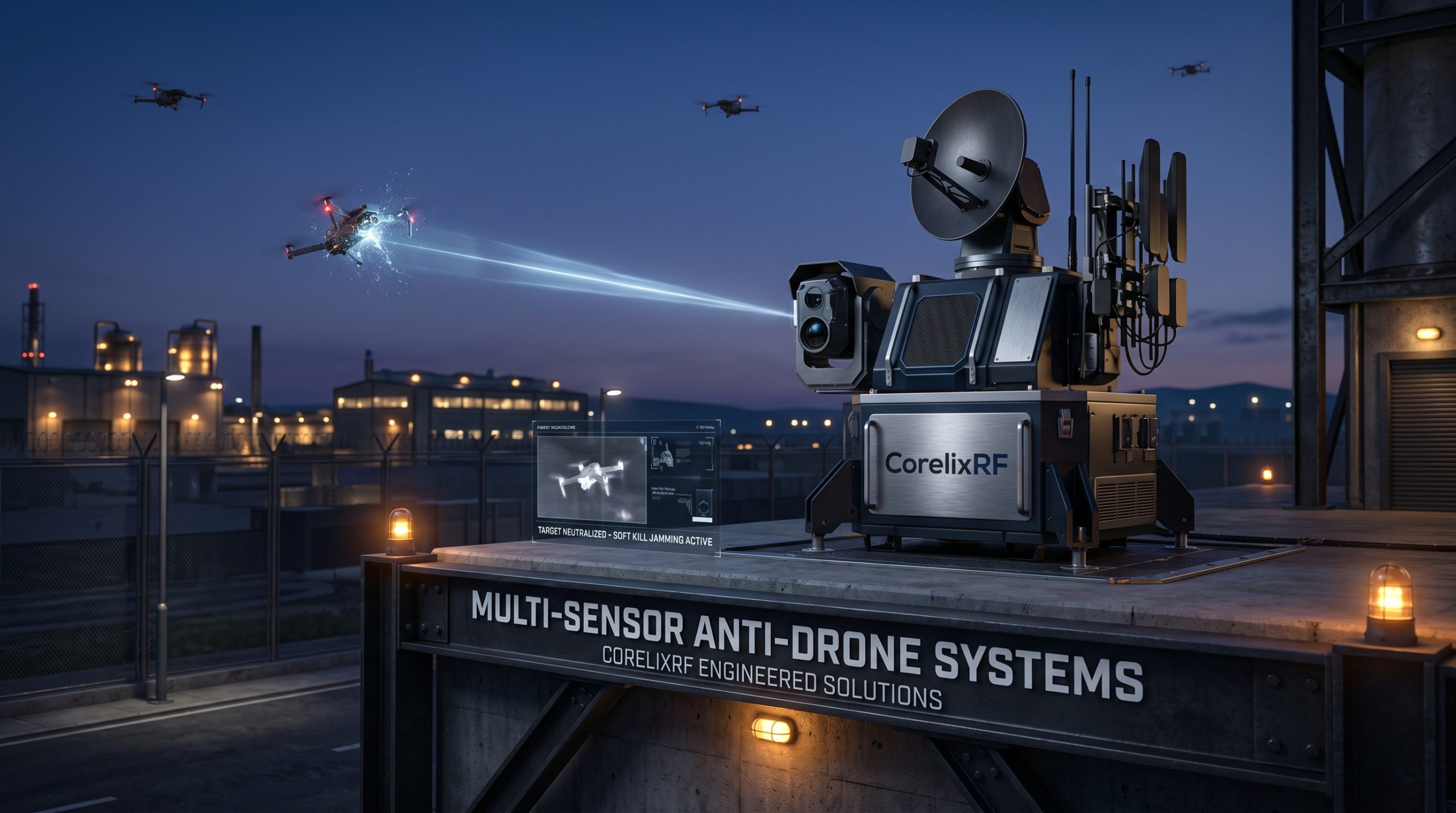
Multi sensor anti drone systems combine different tracking technologies to locate and neutralize unauthorized aerial threats. Unauthorized drones flying over your facilities pose severe security risks. You risk devastating data breaches or physical damage if rogue devices bypass single-sensor defenses. You need integrated Anti-Drone Systems that merge radar, optical, and radio frequency technologies for complete protection.
What Are Multi-Sensor Anti-Drone Systems?
These advanced defense networks integrate multiple detection modules into a unified command platform. You face evolving aerial threats that easily evade conventional single-tier security setups. Relying on isolated radar or cameras leaves blind spots in your protective coverage. Installing complete Anti-Drone Systems eliminates these vulnerabilities by layering distinct tracking methods.
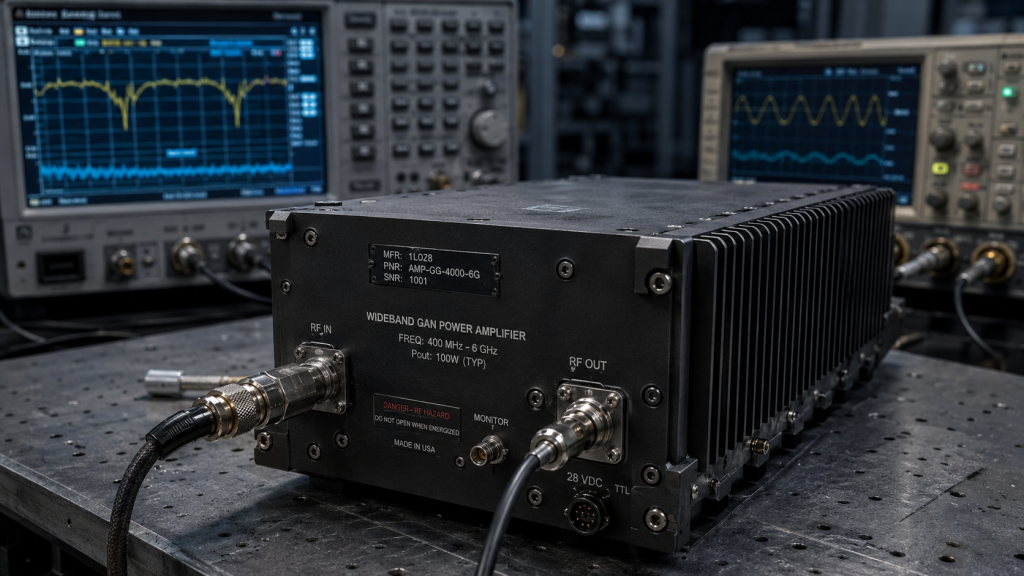
Core Components Explained
Modern defense architectures require strong hardware working in perfect synchronization. A typical installation features several distinct modules monitoring different spectrums actively.
- Radar units scan for physical objects in local airspace continually.
- Optical cameras visually confirm specific target details rapidly.
- Radio frequency detectors intercept operator communication signals constantly.
But here’s the kicker… you gain complete situational awareness when these elements communicate seamlessly. Combining different data streams allows your security team to make rapid decisions.
How Layered Security Works
Each sensor compensates for natural limitations of another technology type. Your facility remains protected against sophisticated intrusion attempts day and night.
Key Takeaway: Layering diverse tracking technologies guarantees uninterrupted airspace monitoring regardless of weather conditions.
| Feature | Primary Function | Ideal Condition |
| Radar | Long-range physical detection | All weather |
| Optical Cameras | Visual verification | Clear visibility |
| Radio Frequency | Communication tracking | Active signal |
Integrating these diverse sensors dramatically increases your total threat interception success rate.
How Does Radar Detection Identify Rogue Drones?
Active radar sends out radio waves that bounce off solid objects in midair. Traditional airspace monitors struggle with tiny consumer quadcopters flying at low altitudes. Anti-Drone Systems rely on specialized X-band 3D radar for pinpoint coordinate tracking.
Advanced 3D Radar Capabilities
Modern radar provides both azimuth and elevation data for approaching threats immediately. Your operators receive exact positioning metrics rather than vague directional alerts.
- Micro-Doppler analysis distinguishes mechanical rotors from biological targets like birds.
- High-frequency bands detect devices with extremely low radar cross-sections.
- Continuous rotation guarantees 360-degree coverage without blind spots.
What’s the real story? Precise coordinate data feeds directly into your centralized defense grid.
Overcoming Weather Limitations
Optical cameras fail during heavy rain or thick fog events. Radar arrays maintain consistent monitoring performance regardless of environmental interference factors.
Key Takeaway: Deploying X-band radar provides reliable physical detection capabilities when visibility drops near zero.
| Radar Type | Tracking Metric | Target Size |
| 2D Radar | Range and Azimuth | Large Aircraft |
| 3D X-Band | Range, Azimuth, Elevation | Small UAVs |
| Micro-Doppler | Velocity Profiles | Drone Rotors |
Upgrading your detection hardware drastically reduces false alarms caused by wildlife.
Can Radio Detectors Track Drone Communications?
Passive radio frequency sensors listen for communication signals between operators and aircraft. Standard security protocols completely miss autonomous devices operating silently without active links. Modern Anti-Drone Systems scan wide frequency bands continually for suspicious broadcast activity. You intercept control telemetry long before unauthorized devices cross your perimeter.
Identifying Remote Controllers
These detectors lock onto specific frequency hops used by commercial quadcopters. Your security personnel can trace signal origins back directly toward hidden operators.
- Sensors analyze signal strength variations for accurate ground station localization.
- Pre-programmed libraries match intercepted broadcasts against known manufacturer profiles.
- Wideband receivers monitor multiple communication channels simultaneously without dropping connections.
Ready for the good part? Early detection gives your team precious minutes for proactive response.
Limits of Passive Scanning
Radio frequency tracking requires an active telemetry link for successful identification. Autonomous vehicles flying pre-programmed GPS routes generate zero detectable radio emissions.
Key Takeaway: Combining passive radio monitoring with active radar creates an impenetrable detection net.
| Signal Type | Detection Range | Threat Level |
| 2.4 GHz | 5-10 Kilometers | Commercial |
| 5.8 GHz | 3-8 Kilometers | FPV Drones |
| Custom RF | 1-5 Kilometers | Military |
Analyzing communication protocols allows your facility guards to neutralize operator bases rapidly.
What Role Do Thermal Cameras Play in Tracking?
Optical sensors provide visual confirmation of targets identified by radar units. Relying solely on invisible data streams makes threat classification incredibly difficult. Integrating high-resolution cameras into Anti-Drone Systems gives your team actionable visual evidence. You identify payloads and specific device models through clear optical feeds.
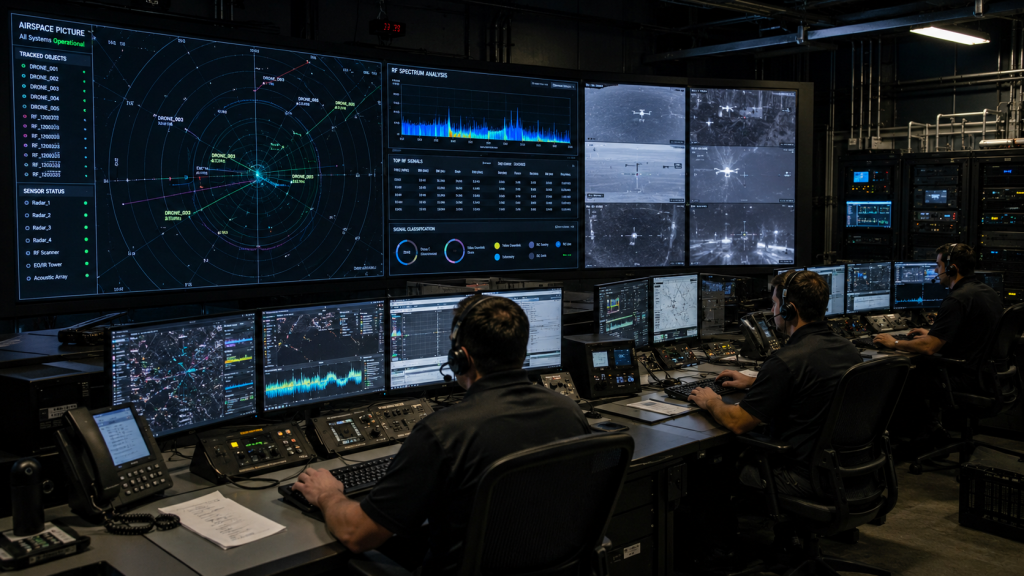
Daytime and Nighttime Verification
Standard visible light cameras perform flawlessly during clear daylight hours. Thermal imaging takes over completely when darkness or smoke conceals approaching devices.
- Cooled MCT sensors detect tiny heat signatures from electric drone motors.
- Continuous optical zoom lenses magnify distant objects for detailed inspection.
- High-speed servo motors track fast-moving targets smoothly across wide areas.
This is where it gets interesting… automated tracking algorithms keep camera lenses locked onto erratic targets.
Visual Payload Inspection
Knowing what a rogue aircraft carries changes your entire response strategy. Operators can visually spot dangerous explosives or illegal surveillance equipment instantly.
Key Takeaway: High-resolution visual confirmation prevents catastrophic damage by identifying specific aerial payloads accurately.
| Camera Type | Operating Condition | Primary Benefit |
| Optical | Daylight | Visual Details |
| Thermal | Nighttime | Heat Tracking |
| Infrared | Low Visibility | Silhouette Recognition |
Deploying dual-spectrum cameras expands your visual identification capabilities around the clock.
Why Do Command Centers Matter for Data Fusion?
A centralized command interface consolidates scattered data from multiple independent sensors. Security operators become overwhelmed quickly when monitoring five different tracking screens simultaneously. Intelligent Anti-Drone Systems funnel all inputs into one clear situational display. You make faster tactical choices when information flows through a single hub.
Synthesizing Sensor Inputs
Raw data from radar and optical feeds requires rapid computational analysis. Advanced algorithms filter out irrelevant noise from actual hostile vehicle tracks.
- Software merges radar coordinates with visual camera feeds automatically.
- Threat classification engines prioritize targets based on speed and heading.
- Automated alert protocols notify relevant security personnel instantly upon detection.
But here’s the kicker… intelligent fusion prevents human error during high-stress encounters.
Remote Monitoring Capabilities
Your team can manage defensive perimeters from safe underground bunker locations. Networked command centers allow distributed control across massive industrial facility campuses.
Key Takeaway: Centralized data fusion transforms raw sensor inputs into actionable tactical intelligence rapidly.
| Data Source | Output Format | Fusion Result |
| Radar | Coordinates | Spatial Positioning |
| Cameras | Video Feeds | Visual Confirmation |
| RF Sensors | Frequency Data | Operator Location |
Aggregating these diverse inputs provides a unified threat picture for rapid response.
How Do Soft Kill Solutions Neutralize Threats?
Soft kill mechanisms sever the communication link connecting drones with ground controllers. Physical destruction over populated areas creates unacceptable risks regarding falling debris. Activating electronic countermeasures within Anti-Drone Systems forces unauthorized vehicles into safe modes. You safely land or repel intruders without firing a single kinetic weapon.
Radio Frequency Jamming Techniques
Powerful directional antennas blast overwhelming noise across targeted communication bands. This interference drowns out legitimate control signals completely.
- Broadband jammers cover all common commercial frequencies simultaneously.
- Narrowband targeting isolates specific channels for surgical communication disruption.
- GPS spoofing feeds false location data into hostile navigation receivers.
What’s the real story? Electronic neutralization provides clean resolution for complex airspace intrusions.
Forced Landing Protocols
Most commercial aircraft default to automatic landing procedures upon losing control signals. Your security teams can recover intact devices for detailed forensic investigation later.
Key Takeaway: Non-destructive interference tactics eliminate aerial threats without causing collateral physical damage.
| Countermeasure | Target System | Typical Outcome |
| RF Jamming | Control Link | Return to Home |
| GNSS Jamming | Navigation | Hover in Place |
| GPS Spoofing | Coordinate Data | Forced Redirection |
Deploying electronic countermeasures protects vulnerable ground assets from kinetic interception fallout.
When Are Kinetic Neutralization Methods Necessary?
Hard kill strategies physically destroy or capture hostile aircraft in midair. Electronic jamming fails completely against military-grade autonomous drones lacking external communication links. Deploying physical interceptors alongside Anti-Drone Systems provides a definitive final defense layer. You stop unstoppable threats through direct mechanical force.
Net Catchers and Interceptors
Fired projectiles entangle spinning rotors for safe physical retrieval operations. Specialized interception drones chase down targets carrying dedicated capture nets.
- Ground-launched net cannons protect tight perimeters effectively.
- Kamikaze interceptors crash directly into high-speed hostile vehicles.
- Auto-aligning remote weapon stations fire specialized ammunition at armored targets.
Ready for the good part? Physical capture preserves hardware for later intelligence gathering.
Addressing Autonomous Threats
Pre-programmed suicide drones ignore radio jamming attempts completely during their attack runs. Only direct kinetic impact stops these hardened vehicles before they strike targets.
Key Takeaway: Kinetic interception serves as the ultimate failsafe against autonomous military-grade incursions.
| Hard Kill Type | Mechanism | Best Use Case |
| Net Cannon | Rotor Entanglement | Low Altitude |
| Interceptor UAV | Midair Collision | High Speed |
| Remote Weapons | Ballistic Impact | Armored Threats |
Integrating physical interceptors guarantees threat destruction when electronic countermeasures prove ineffective.
What Are The Main Deployment Configurations?
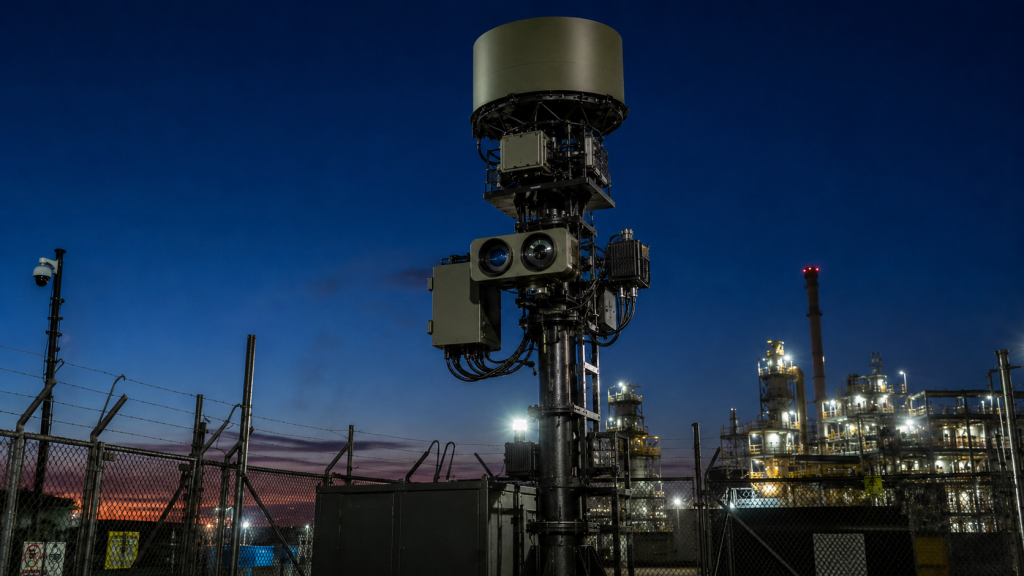
Different security scenarios demand unique physical setups for detection equipment. A permanent concrete facility requires totally different hardware than a mobile infantry patrol. Anti-Drone Systems adapt physically for varied tactical deployment environments. You choose specific mountings based on your exact geographical protection needs.
Fixed Permanent Installations
Critical infrastructure sites benefit from massive stationary antenna arrays and heavy radars. These installations draw consistent power from main municipal electrical grids.
- Rooftop mounts provide unobstructed sightlines across urban environments.
- Heavy duty concrete foundations stabilize large radar rotating mechanisms.
- Hardwired fiber optic networks guarantee secure data transmission between sensors.
This is where it gets interesting… fixed sites offer the highest possible detection ranges.
Mobile and Portable Units
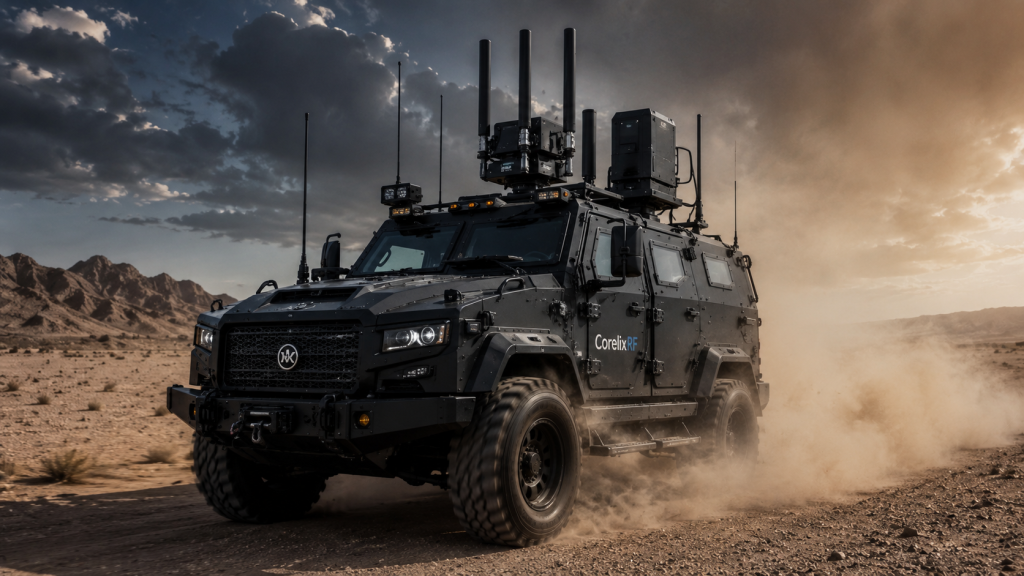
Convoy protection demands hardware mounted directly onto moving armored vehicles. Dismounted soldiers carry lightweight backpack systems for personal squad defense.
Key Takeaway: Selecting the correct hardware configuration maximizes operational effectiveness across diverse environments.
| Configuration | Mobility Level | Primary Application |
| Fixed | Stationary | Critical Infrastructure |
| Vehicle-Mounted | High | Convoy Protection |
| Man-Portable | Tactical | Infantry Patrols |
Matching equipment form factors with operational requirements guarantees seamless security coverage.
How Does Machine Learning Enhance Classification?
Advanced algorithms process massive sensor data volumes faster than human operators ever could. Traditional software struggles distinguishing between actual threats and background environmental noise. Modern Anti-Drone Systems use artificial intelligence for instantaneous target identification. You eliminate false alarms through intelligent pattern recognition.
Automated Threat Assessment
Machine learning models study thousands of flight profiles during training phases. The software recognizes aggressive maneuvering patterns characteristic of hostile attack runs.
- Neural networks filter out common bird movements from radar displays.
- Optical algorithms classify specific quadcopter models visually in milliseconds.
- Predictive software calculates probable target destinations based on current headings.
But here’s the kicker… autonomous assessment drastically reduces operator reaction times.
Continuous System Evolution
Cloud-connected defense networks share new threat profiles across global installations automatically. Your defensive perimeter becomes smarter with every intercepted hostile encounter.
Key Takeaway: Artificial intelligence transforms passive sensors into proactive predictive security assets.
| Processing Type | Speed | Accuracy Level |
| Manual Operator | Slow | Moderate |
| Basic Algorithms | Fast | High |
| Machine Learning | Instantaneous | Exceptional |
Implementing predictive algorithms keeps your facility a step ahead of emerging threats.
Are Multi-Tiered Networks The Future Standard?
Layered architectures represent the absolute pinnacle of modern airspace defense strategies. Single-sensor setups face rapid obsolescence against evolving autonomous evasion technologies. Next-generation Anti-Drone Systems integrate every available detection method completely. You build an impenetrable dome by combining radar, optics, and radio tracking.
The Arms Race Continues
Hostile engineers constantly develop new methods for bypassing standard security protocols. Your defense strategy must remain adaptable against unknown future technological leaps.
- Modular hardware designs allow rapid sensor upgrades without replacing entire networks.
- Open software architectures integrate experimental detection methods seamlessly.
- Cross-platform compatibility ensures smooth operations alongside existing military infrastructure.
What’s the real story? Adaptability remains your strongest weapon against rapidly changing aerial threats.
Securing Tomorrow
Protecting sensitive installations requires relentless innovation from security hardware manufacturers. Relying on outdated technology invites catastrophic breaches from determined adversaries.
Key Takeaway: Embracing integrated multi-sensor architectures guarantees long-term protection against sophisticated aerial incursions.
| Threat Era | Typical UAV | Required Defense |
| Past | Remote Controlled | RF Jamming |
| Present | GPS Guided | Multi-Sensor Fusion |
| Future | Autonomous Swarms | AI-Driven Hard Kill |
Investing in scalable defense platforms secures your airspace for decades ahead.
Frequently Asked Questions
Q1: Can I integrate new sensors into my existing security network?
Yes, modular designs allow seamless integration. Most modern control centers accept standard data feeds from newly added radar or optical equipment.
Q2: What’s the best way to stop autonomous military drones?
Kinetic hard kill methods remain highly effective. Since autonomous drones lack active communication links, physical nets or interceptor projectiles provide reliable neutralization.
Q3: How do I know if a drone is carrying dangerous payloads?
Thermal and high-resolution optical cameras provide visual confirmation. These sensors allow your security team to inspect targeted vehicles remotely before taking decisive action.
Q4: Do weather conditions affect my tracking capabilities?
Multi-layered architectures mitigate environmental limitations completely. While heavy rain blinds optical cameras, radar and radio frequency sensors continue tracking targets without interruption.
Q5: Can AI reduce false alarms triggered by birds?
Yes, machine learning algorithms excel at pattern recognition. The software analyzes flight behavior and micro-Doppler signatures to distinguish biological movements from mechanical rotors accurately.
Securing Your Airspace Against Future Threats
Multi sensor anti drone systems provide the absolute defensive shield for sensitive installations. Combining diverse tracking modules guarantees rapid detection and reliable neutralization of hostile incursions. Your proactive investment prevents devastating breaches before they occur. We engineer military-grade RF components designed for extreme environments and complex interference challenges. Reach out to our team at contact us today for detailed technical proposals. CorelixRF builds the foundation for tomorrow’s impenetrable airspace security networks.
Authorized RF engineering and compliance review
For regulated RF systems, this page should be used as an engineering and compliance review path, not as a public deployment checklist. CorelixRF starts with authorization status, operating region, frequency plan, output limit, antenna interface, safety controls, thermal limits and acceptance documents.
- RFQ checklist – send the data buyers usually forget, including band, power, duty cycle, interface and test standard
- delivery documentation – check what documents can support incoming inspection, FAT review and long-term maintenance
- quality and certification review – review the quality and compliance evidence before the project moves into procurement
- RF front-end platform – compare the RF chain as a system instead of selecting one isolated module
- RF configurator – turn frequency, power, thermal and interface requirements into a first configuration brief
- case studies – review similar engineering paths before sending an RFQ
- engineering contact – send the application notes, block diagram or target specification to engineering sales
This keeps the discussion inside lawful, authorized RF programs while still giving procurement teams a clear way to request amplifier, antenna, SDR source, documentation and factory review.
Multi-Sensor RF Integration Review Path
For authorized multi-sensor C-UAS programs, align detection outputs and response boundaries with RF front-end integration, RF power amplifier selection and antenna/load planning. Send sensor interfaces, control logic, frequency bands, power targets, cooling limits and factory validation needs through the RF inquiry form.