
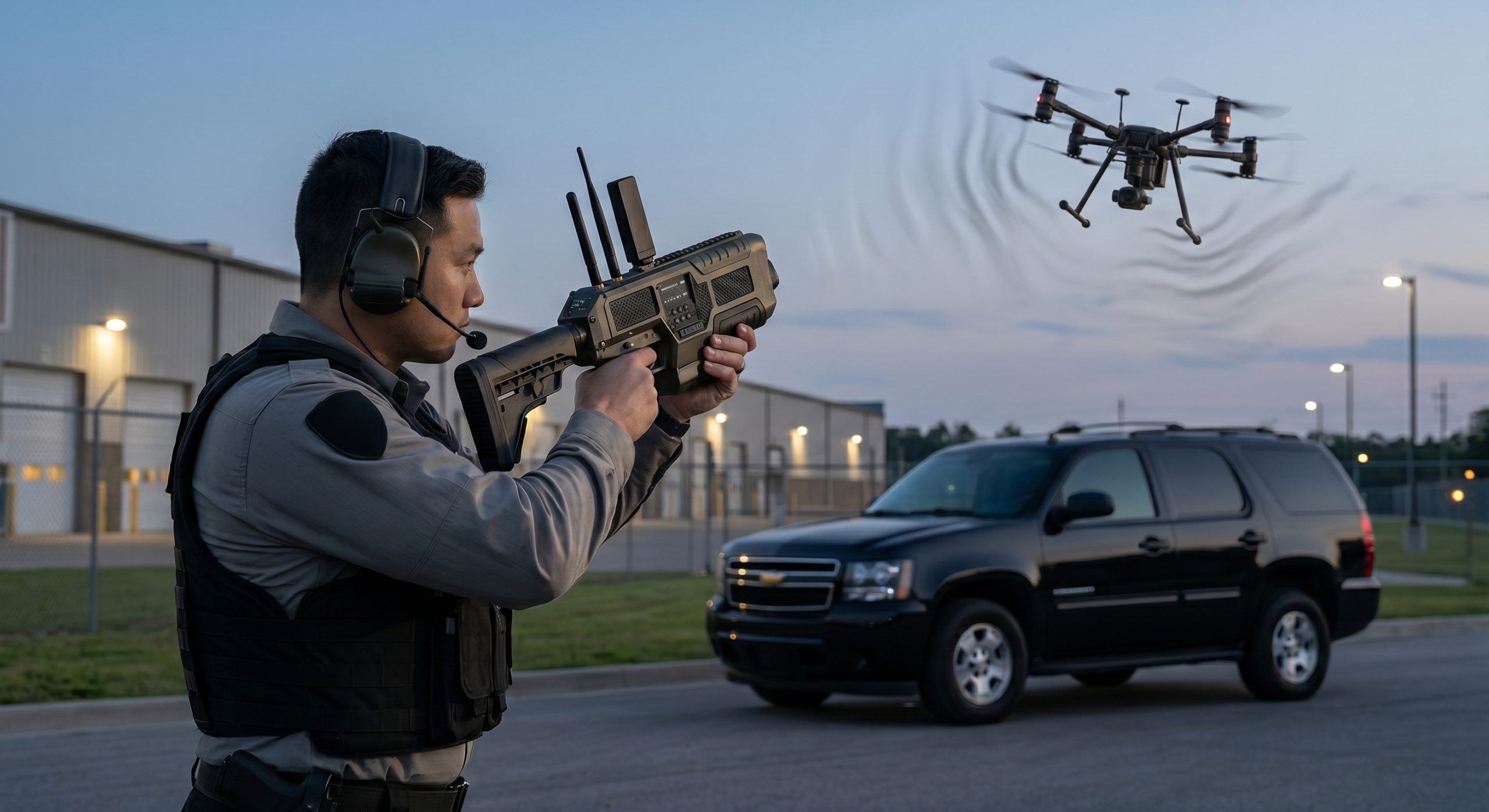
Investing in a mobile drone jamming device provides immediate, tactical control over unauthorized UAVs breaching your airspace. Imagine managing perimeter security during a major international defense exhibition, and suddenly an unidentified quadcopter hovers above the crowd. Panic ensues while critical unreleased technology faces potential espionage. Deploying Mobile Drone Jamming equipment neutralizes these threats instantly, bringing rogue craft down safely. We engineer military-grade RF solutions that keep your operations secure under pressure.
What Makes Mobile Drone Jamming Essential Today?
Mobile drone jamming remains essential today because standard static defenses cannot adapt quickly against rapidly moving tactical threats. When your security forces patrol expansive exhibition grounds, a portable Mobile Drone Jamming system guarantees flexible protection against aerial incursions.
Why are static defenses failing?
Fixed installations leave blind spots that modern agile UAVs easily exploit. You need equipment that moves alongside your personnel dynamically.
Here’s the deal:
- Rapid deployment across varying terrain.
- Instant activation capabilities.
- Zero reliance on permanent grid power sources.
How does true portability work?
Compact RF designs allow operators carrying high-power emitters without physical fatigue. We build our modules leveraging advanced engineering truths, ensuring practical field use.
Key Takeaway: True mobility ensures your response team never loses tactical advantages during active threat scenarios.
| Feature | Static Systems | Mobile Systems |
| Deployment | Slow | Instant |
| Coverage | Fixed | Dynamic |
| Adaptability | Low | High |
Dynamic coverage outpaces fixed installations when addressing unpredictable flight paths.
How Does Mobile Drone Jamming Stop Threats?
Mobile drone jamming stops threats by overwhelming specific frequency bands UAVs utilize for navigation and control. High-power output completely severs operator video feeds and command links simultaneously.
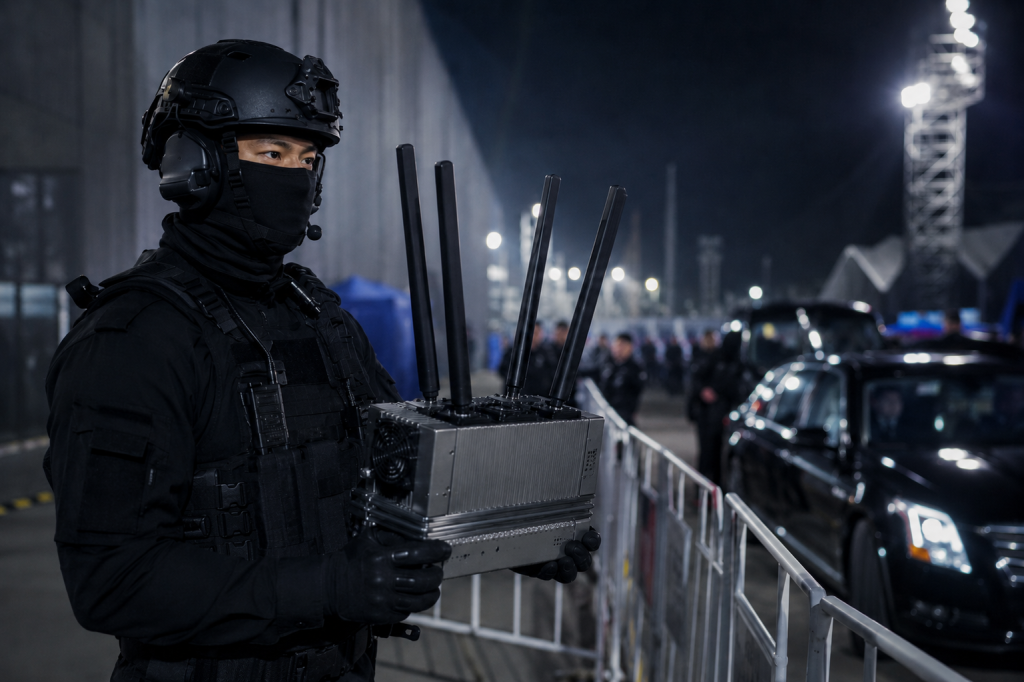
What frequency bands matter most?
Commercial UAVs operate on specific, predictable radio frequencies that our systems easily target. Neutralizing these channels requires absolute precision.
You might be wondering:
- 2.4 GHz remote control links.
- 5.8 GHz live video transmission.
- GNSS satellite navigation bands.
The role of GaN architecture?
Gallium Nitride components generate immense interference without overheating your man-portable unit. We design our core modules utilizing this advanced semiconductor technology.
Key Takeaway: GaN integration delivers sustained RF emission without thermal throttling during critical defense missions.
| Component | Thermal Efficiency | Power Output |
| Legacy Silicon | Poor | Limited |
| GaN Amplifiers | Superior | Maximum |
Advanced semiconductor integration clearly provides unmatched thermal management for continuous operations.
Who Needs Mobile Drone Jamming Gear?
Security professionals need mobile drone jamming gear because hostile UAVs target dynamic events, VIP convoys, and temporary military outposts. Event organizers relying on a Mobile Drone Jamming protocol ensure complete airspace dominance.
Are VIP convoys particularly vulnerable?
Moving targets require moving defenses since static jammers offer zero protection during transit. Convoys must maintain continuous RF bubbles around executive vehicles.
What’s the real story?
- Continuous 360-degree shielding.
- Seamless integration with armored transport.
- Protection against improvised explosive drops.
How do exhibition centers benefit?
Trade shows showcasing sensitive military hardware attract corporate espionage via small drones. We bring our proven hardware straight onto the showroom floor.
Key Takeaway: Portable countermeasures grant total security control over temporary high-value gathering spaces.
| Application | Primary Threat | Ideal Countermeasure |
| VIP Transport | Targeted attacks | Vehicle-mounted RF |
| Trade Shows | Espionage | Man-portable units |
Aligning specific hardware profiles against anticipated threats maximizes overall defense efficiency.
What Are Core Mobile Drone Jamming Features?
Core features include continuous frequency coverage, ruggedized dark industrial casings, and extended battery life. Operators demand equipment capable of surviving harsh tactical environments seamlessly.
Why does broadband coverage matter?
Modern threats utilize frequency hopping algorithms, requiring broadband amplifiers spanning 30MHz through 6GHz. Narrowband devices simply fail against modified commercial quadcopters.
Ready for the good part?
- Full spectrum dominance.
- Programmable SDR signal sources.
- Custom waveform generation.
How important is ruggedization?
Military-grade manufacturing processes guarantee performance despite heavy rain, dust storms, or physical impacts. Our 400-person factory builds every chassis prioritizing engineering durability.
Key Takeaway: uncompromising build quality ensures your countermeasures function flawlessly during worst-case scenarios.
| Specification | Consumer Grade | Military Grade |
| Frequency Range | Limited | 30MHz – 6GHz |
| Chassis Material | Plastic | Machined Aluminum |
Selecting industrial-grade components dramatically reduces field failure rates during active engagements.
Can Mobile Drone Jamming Handle Swarms?
Yes, specific wide-beam mobile drone jamming handles swarms by projecting massive interference walls disrupting multiple targets simultaneously. Deploying a high-power Mobile Drone Jamming amplifier overwhelms synchronized attack formations effortlessly.
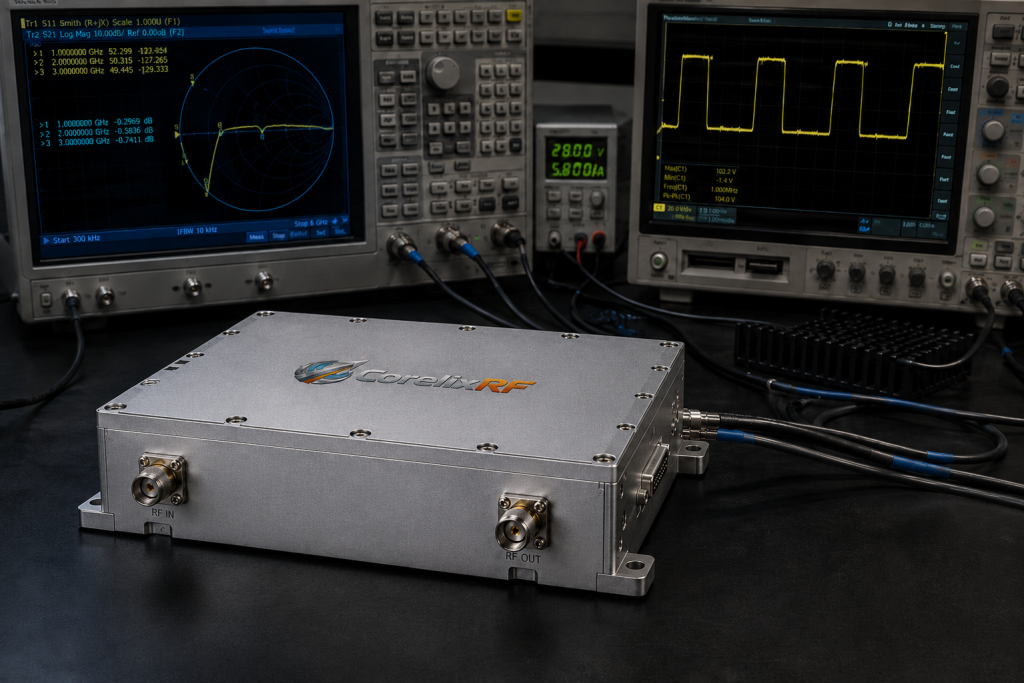
What defines a drone swarm?
Swarms consist of multiple interconnected UAVs communicating constantly among themselves. Severing these local network links causes immediate catastrophic flight failure.
This is where it gets interesting:
- Broad antenna beamwidths.
- High-wattage output capacity.
- Multi-channel simultaneous transmission.
Does power output dictate success?
Defeating multiple coordinated units requires immense raw RF power distributed evenly across targeted spectrums. We manufacture 200W configurable output modules specifically for this purpose.
Key Takeaway: High-capacity transmission hardware guarantees your airspace remains impenetrable against overwhelming numbers.
| Threat Profile | Required Action | Hardware Solution |
| Single Target | Narrow beam focus | Directional Antenna |
| Swarm Attack | Wide area denial | Omni-directional Array |
Matching antenna dispersion patterns with incoming threat volumes maximizes tactical effectiveness.
How Do Operators Deploy These Devices?
Operators deploy these devices using intuitive shoulder straps, vehicle mounts, or standalone tripod configurations. Rapid setup times mean personnel react within seconds after detecting unauthorized flights.
Are specialized training courses required?
Modern interfaces feature simple toggle switches allowing immediate operation without complex technical backgrounds. Exhibitors visiting our booth often master basic controls within minutes.
Here’s the deal:
- Ergonomic weight distribution.
- Clear visual status indicators.
- One-button activation systems.
What about vehicle integration?
Mounting brackets secure portable units onto standard SUV roof racks quickly. This transforms ordinary transport vehicles into mobile anti-aircraft platforms instantly.
Key Takeaway: Versatile deployment options empower your existing security staff without requiring massive infrastructure overhauls.
| Deployment Mode | Setup Time | Best Use Case |
| Man-portable | < 10 Seconds | Infantry Patrols |
| Vehicle Mount | < 5 Minutes | VIP Escorts |
Minimizing setup delays directly correlates with higher success rates during sudden airspace breaches.
What ROI Does Mobile Drone Jamming Offer?
The ROI stems from preventing catastrophic data breaches, physical damage, and massive operational downtime. Purchasing reliable Mobile Drone Jamming equipment costs significantly less than recovering from a successful terrorist strike.
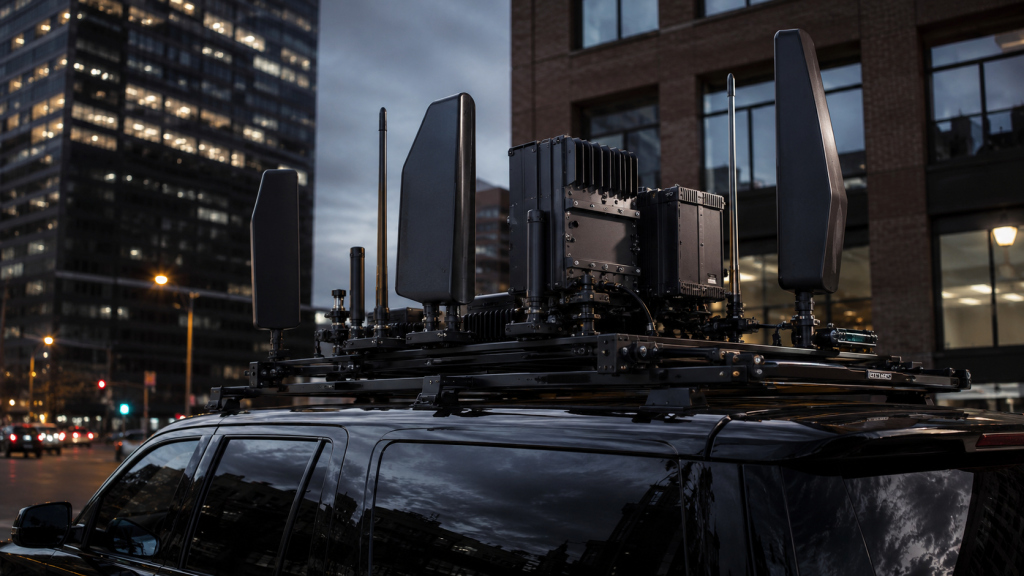
How do we calculate security ROI?
Calculate returns by weighing equipment costs against potential liability lawsuits and intellectual property theft. A single neutralized espionage attempt pays off your entire investment.
You might be wondering:
- Zero infrastructure repair costs.
- Protected corporate reputation.
- Uninterrupted event schedules.
Why avoid cheap alternatives?
Bargain solutions utilize inferior silicon amplifiers that overheat, failing precisely when you need them. True engineering truth dictates using verified GaN components exclusively.
Key Takeaway: Investing heavily in superior internal manufacturing components yields long-term financial and operational security.
| Investment Tier | Initial Cost | Long-term Reliability |
| Budget Grade | Low | Very Poor |
| Industrial GaN | Premium | Exceptional |
Prioritizing premium internal components eliminates costly replacement cycles and dangerous field failures.
How to Select the Right Jamming Gear?
Select equipment by matching your specific environmental requirements against manufacturer technical specifications. You must evaluate frequency ranges, output power, and the supplier’s actual production capabilities.
Are you buying from a real manufacturer?
Many vendors simply rebrand generic products rather than engineering true RF chains. We operate a 30-year specialized factory building every module from scratch.
What’s the real story?
- Direct access to R&D engineers.
- Verified laboratory testing data.
- Custom frequency modifications.
What specifications matter most?
Scrutinize gain flatness and power headroom parameters before signing any purchase order. Equipment must maintain stable output across entire operational bands.
Key Takeaway: Partnering directly with an established RF manufacturer guarantees precise technical alignment with your security needs.
| Vendor Type | Customization | Technical Support |
| Reseller | None | Minimal |
| Direct Factory | Total | Expert Engineering |
Direct manufacturer relationships ensure you receive accurate technical truths rather than exaggerated marketing claims.
What Maintenance Does Mobile Drone Jamming Need?
Maintenance involves routine battery conditioning, antenna connector inspections, and occasional firmware updates. Keeping your Mobile Drone Jamming hardware pristine guarantees immediate readiness during unexpected crises.
How often should operators test units?
Weekly functionality tests verify signal output integrity and battery health. Our diagnostic interfaces provide instant visual confirmation regarding system readiness.
This is where it gets interesting:
- Built-in self-test diagnostics.
- Weather-sealed chassis designs.
- Long-cycle lithium power packs.
Can repairs happen in the field?
Modular construction allows technicians swapping damaged antennas or batteries without specialized tools. This design philosophy minimizes downtime during extended field operations.
Key Takeaway: Implementing strict routine maintenance schedules extends equipment lifespan while ensuring absolute tactical reliability.
| Maintenance Task | Frequency | Operator Skill Level |
| Battery Charge | Post-deployment | Basic |
| Connector Check | Weekly | Basic |
Consistent preventative care dramatically reduces the probability of unexpected hardware malfunctions.
What Is the Future of Mobile Drone Jamming?
The future revolves around artificial intelligence integration, automated threat identification, and ultra-wideband semiconductor advancements. Next-generation systems will neutralize cognitive drones operating entirely without remote human pilots.
Will artificial intelligence change operations?
Machine learning algorithms will automatically adjust output frequencies based on real-time spectrum analysis. Operators will simply point their device while software handles complex signal mathematics.
Ready for the good part?
- Millimeter-wave capability expansion.
- Automated waveform optimization.
- Networked swarm defense grids.
How are we preparing for this?
Our R&D teams actively test 18-40 GHz components targeting tomorrow’s advanced aerospace threats. You can experience these evolving prototypes live during our upcoming exhibition appearances.
Key Takeaway: Staying ahead of drone evolution requires continuous investment in cutting-edge radio frequency manufacturing capabilities.
| Technology Era | Detection Method | Jamming Strategy |
| Current Gen | Manual | Broad Spectrum |
| Next Gen | AI Driven | Targeted Adaptive |
Embracing adaptive artificial intelligence will redefine how security forces manage complex electromagnetic environments.
Securing Your Future Operations
Defeating modern aerial threats demands reliable, high-power equipment engineered for absolute precision. We solved the problem of unpredictable UAV incursions by manufacturing uncompromising GaN-based countermeasures. We provide military-grade RF architectures, empowering your security teams with total airspace control. Our commitment remains rooted in delivering engineering truth through rigorous testing and custom design. Secure your exhibition perimeters and VIP convoys by choosing to contact us today for a comprehensive technical consultation.
FAQ
Q1: Can I deploy these systems in extreme weather?
Yes, you can operate our modules during heavy rain or severe heat. We utilize ruggedized aluminum chassis and conformal coating to protect internal RF components from environmental damage.
Q2: What’s the best way to determine required power output?
Consult our engineering team regarding your specific operational radius and expected threat types. High-power GaN amplifiers provide necessary headroom, preventing signal degradation over longer distances.
Q3: How do I know if my team needs training?
Your team requires zero advanced technical training to operate basic functions. We design user interfaces featuring simple activation switches for immediate tactical deployment under stress.
Q4: Can I integrate portable units into existing command centers?
Yes, our advanced signal sources feature RS422 control interfaces for seamless networking. This allows centralized command posts to monitor and trigger portable units remotely.
Q5: What’s the best defense against autonomous drones?
Overwhelming GNSS navigation bands remains highly effective against pre-programmed autonomous flights. Cutting off satellite positioning data forces most drones into immediate emergency landing protocols.
Authorized RF engineering and compliance review
For regulated RF systems, this page should be used as an engineering and compliance review path, not as a public deployment checklist. CorelixRF starts with authorization status, operating region, frequency plan, output limit, antenna interface, safety controls, thermal limits and acceptance documents.
- RFQ checklist – send the data buyers usually forget, including band, power, duty cycle, interface and test standard
- delivery documentation – check what documents can support incoming inspection, FAT review and long-term maintenance
- quality and certification review – review the quality and compliance evidence before the project moves into procurement
- RF front-end platform – compare the RF chain as a system instead of selecting one isolated module
- RF configurator – turn frequency, power, thermal and interface requirements into a first configuration brief
- case studies – review similar engineering paths before sending an RFQ
- engineering contact – send the application notes, block diagram or target specification to engineering sales
This keeps the discussion inside lawful, authorized RF programs while still giving procurement teams a clear way to request amplifier, antenna, SDR source, documentation and factory review.
Mobile RF Equipment Review Path
For authorized mobile RF systems, connect vehicle power, cooling and enclosure limits to RF power amplifier platform choices, RF front-end integration and antenna/load planning. Share frequency bands, output targets, duty cycle, thermal margin, control interface and test-documentation requirements through the RF inquiry form.