
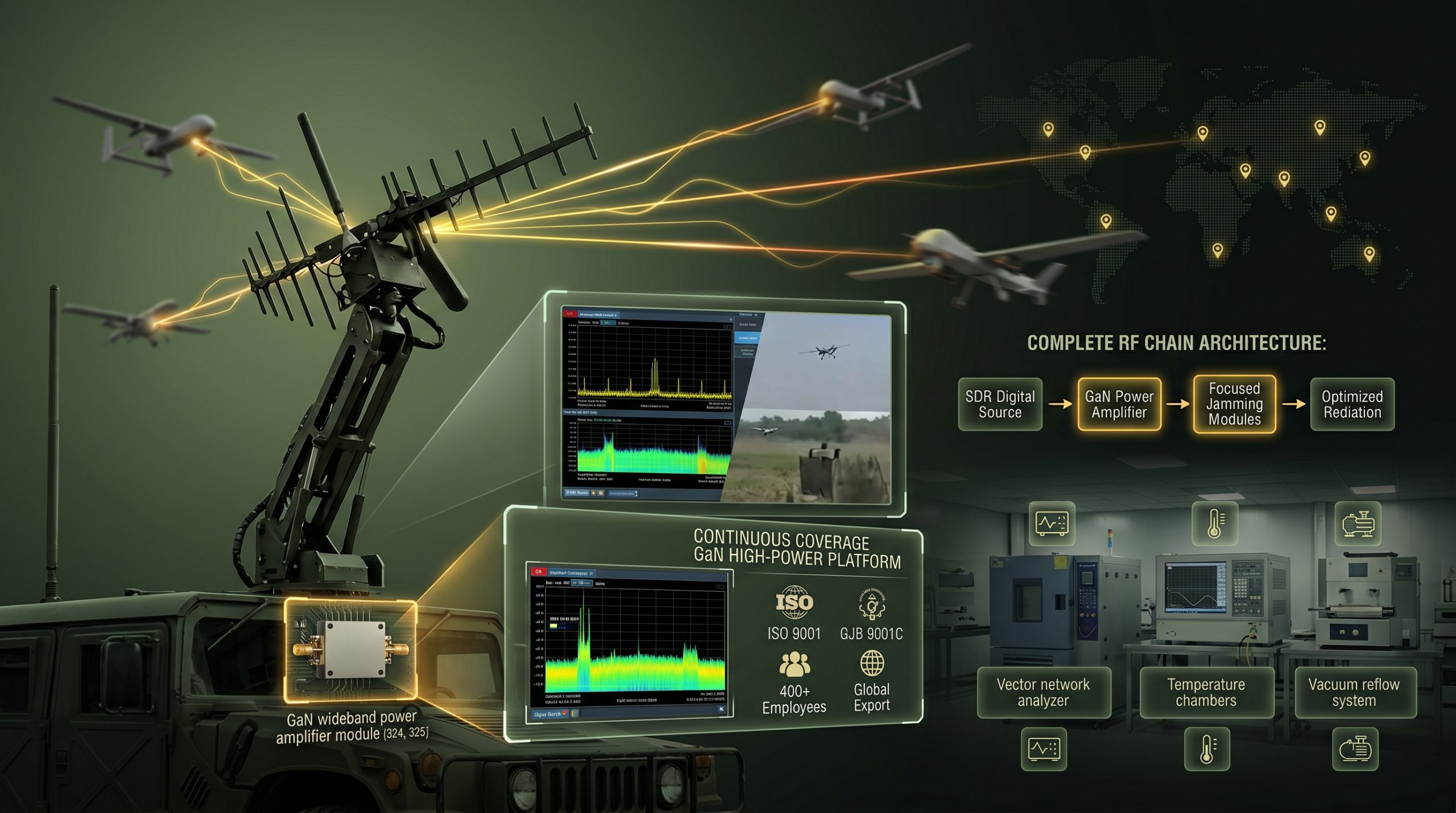
Drone jamming technology is reliable for defense use because it provides instantaneous, non-kinetic disruption of hostile command and control frequencies across all critical operating bands. Imagine you are guarding a high-value perimeter when an unidentified quadcopter suddenly breaches your airspace. Just thirty seconds of unauthorized surveillance provides enough data for compromising your critical assets completely, while conventional kinetic weapons pose severe collateral risks. Deploying a military-grade Drone Jamming system offers the exact non-lethal shield required for forcing hostile craft down safely.
How Does Drone Jamming Ensure Base Security?
Drone jamming ensures base security by instantly severing command signals between hostile UAVs and their operators. Deploying effective Drone Jamming creates an invisible electromagnetic shield preventing unauthorized aerial surveillance. Hostile actors constantly probe perimeters for weaknesses using cheap off-the-shelf equipment. You need a layer of electronic warfare neutralizing these threats without causing collateral damage.
What Are the Core Components Required?
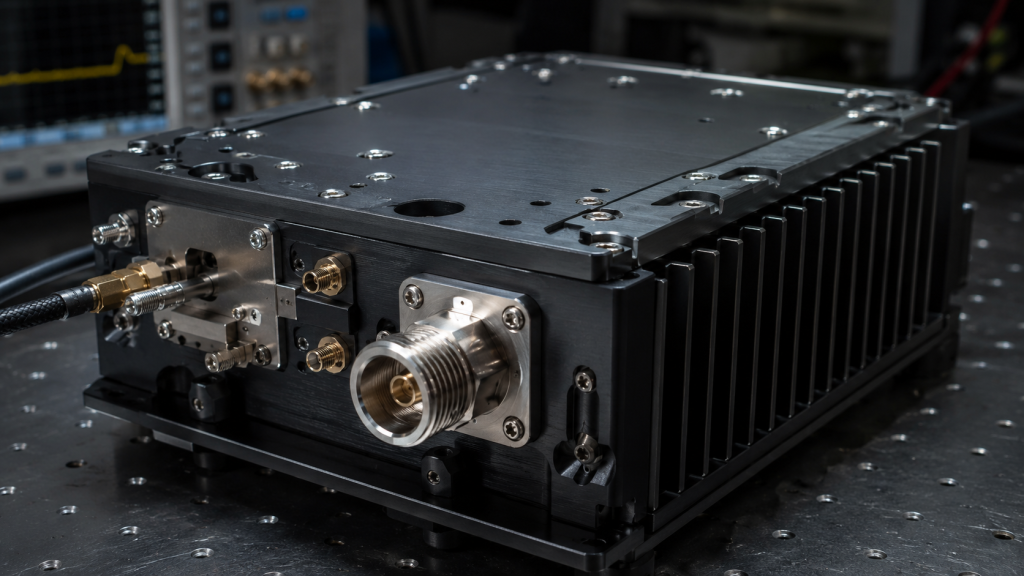
Here’s the deal: building a reliable defense shield requires precise hardware integration. You cannot rely on isolated consumer-grade parts for protecting high-value assets.
- High-power GaN amplifiers for sustained output
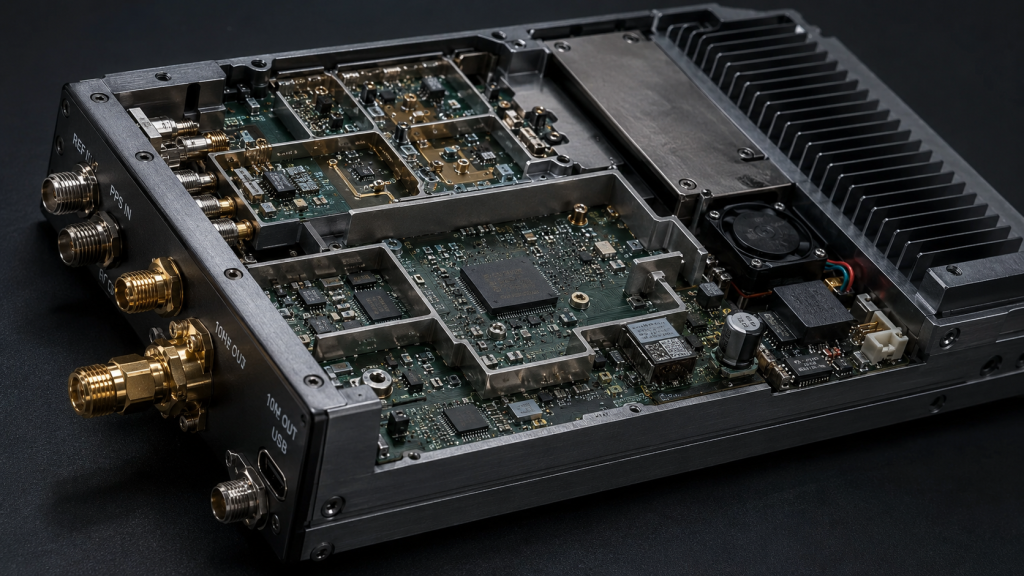
- Software-defined radios for signal agility
- Directional antennas for focusing RF beamsThese elements work harmoniously for detecting specific hostile frequencies.
How Fast Is the Threat Neutralized?
Reaction times depend heavily on signal processing speed and hardware efficiency. Modern systems identify and disrupt targets within milliseconds of detection. You cannot afford transmission delays when hostile UAVs enter restricted airspace.
| System Component | Reaction Time | Impact Area | Target Capacity |
| Radar Detection | < 1 second | 5km radius | Multiple |
| SDR Processing | 5 milliseconds | Signal matching | Specific Band |
| RF Amplification | 10 milliseconds | Target disruption | Focused Beam |
Why Is Power Output Crucial in Drone Jamming?
Power output is crucial because robust signal strength determines your maximum effective disruption range. Sustained Drone Jamming demands continuous high-wattage transmission for overriding hostile control links. Weak signals fail against modern UAVs equipped with resilient encrypted communication protocols. Military-grade platforms utilize substantial wattage overhead for guaranteeing persistent electromagnetic dominance.
Why Do You Need High Power Overhead?
What’s the real story? Operating amplifiers at their absolute maximum limit degrades hardware lifespans rapidly.
- 15% minimum power redundancy prevents signal degradation
- Thermal throttling decreases operational effectiveness
- Sudden voltage spikes damage internal circuitryMaintaining a healthy wattage buffer ensures continuous operation during prolonged engagements.
How Does Wattage Affect Jamming Range?
Higher output directly extends your operational disruption radius significantly. Amplified transmission waves degrade naturally across distance due to atmospheric interference. You must overcome inverse square law limitations via pure energetic force.
| Output Power | Effective Range | Target Type | Optimal Antenna |
| 20W | 1km | Commercial Quad | Directional |
| 50W | 3km | Fixed-Wing UAV | High-Gain |
| 100W+ | 5km+ | Military Swarm | Phased Array |
Can Drone Jamming Systems Handle Multiple Targets?
Drone jamming systems handle multiple targets by utilizing advanced software-defined radios generating simultaneous disruption waveforms. Modern Drone Jamming architectures track and neutralize several hostile frequencies concurrently. Swarm tactics overwhelm traditional point-defense weapons through sheer numerical superiority. Digital frequency hopping algorithms counter this by sweeping broad spectrums instantly.
Can Software-Defined Radios Switch Fast?
Ready for the good part? Modern SDR platforms change transmission frequencies within mere microseconds.
- Dual independent channels target separate bands
- Real-time hopping algorithms match evasive maneuvers
- Multi-waveform support disrupts various protocolsThis agility guarantees no single UAV escapes your electronic net.
How Do Algorithms Prioritize Threats?
Threat prioritization relies on intelligent software evaluating incoming signal strength and proximity. Systems automatically assign maximum wattage resources toward immediate close-range dangers. You avoid wasting energetic capacity on distant or benign RF signatures.
| Threat Level | Proximity | Bandwidth | Resource Allocation |
| High | < 1km | Encrypted C2 | 80% Power |
| Medium | 1km – 3km | Video Link | 15% Power |
| Low | > 3km | Telemetry | 5% Power |
What Makes Drone Jamming Modules Withstand Heat?
Drone jamming modules withstand heat through precision-engineered aluminum chassis designs and superior Gallium Nitride internal components. Continuous Drone Jamming operations generate massive thermal loads melting inferior consumer-grade electronics quickly. Military deployments demand hardware capable of operating under extreme desert or tropical conditions. Integrated thermal management dissipates this trapped energy before catastrophic failure occurs.
Why Do Amplifiers Generate Severe Heat?
This is where it gets interesting: converting electrical current into radio frequencies remains an inherently inefficient process natively.
- Significant power bleeds off as thermal waste
- Continuous transmission prevents natural cooling cycles
- Compact module enclosures trap ambient temperaturesWithout robust mitigation strategies, internal solder joints will literally liquefy.
How Does Aluminum Housing Protect Modules?
Extruded aluminum heat-sinks provide exceptional thermal conductivity for drawing heat away from delicate PCBs. Engineers utilize precise CNC machining for maximizing surface area via complex fin structures. You achieve sustained operational dominance when your equipment stays cool.
| Cooling Method | Material | Efficiency Rating | Maintenance Need |
| Passive Sink | Extruded Aluminum | High | Zero |
| Active Fan | Mixed Metal | Moderate | Frequent |
| Liquid Plate | Copper/Coolant | Extreme | High |
How Do Antennas Shape Drone Jamming Effectiveness?
Antennas shape drone jamming effectiveness by focusing raw RF power into concentrated beams or broad defensive domes. Configuring your Drone Jamming layout correctly dictates whether you achieve long-range precision or short-range total coverage. Radiating energy aimlessly wastes valuable amplifier resources on empty airspace. You must select appropriate antenna types for matching specific geographical perimeter layouts.
When Should You Use Directional Arrays?
Think about it: pointing a high-gain antenna directly at a threat multiplies your disruption power exponentially.
- Narrow beamwidths concentrate electromagnetic energy
- Maximum effective range increases dramatically
- Collateral interference behind arrays dropsThese tools excel for defending specific approach corridors or long narrow borders.
Are Omnidirectional Antennas Reliable?
Omnidirectional setups provide excellent 360-degree protection bubbles for close-in point defense applications. Their scattered radiation pattern sacrifices maximum range for comprehensive surrounding coverage. You deploy these for stopping immediate pop-up threats near critical command centers.
| Antenna Type | Radiation Pattern | Max Range | Primary Use Case |
| Directional | Focused Beam | 5km+ | Border Corridors |
| Sector | 90-120 Degrees | 3km | Perimeter Walls |
| Omni | 360 Degrees | 1km | Mobile Convoys |
Why Is Frequency Coverage Vital for Drone Jamming?
Frequency coverage is vital because rogue UAV operators constantly shift transmission bands for bypassing narrow defense systems. Comprehensive Drone Jamming requires continuous spectrum monitoring from 30MHz up through 6GHz. Commercial quadcopters typically utilize standard 2.4GHz links, but custom-built military craft exploit obscure wavelengths. Your shield fails instantly if a single command channel remains unblocked.
Why Are Broad Spectrum Bands Necessary?
Here’s the kicker: adversaries modify off-the-shelf electronics easily for utilizing non-standard radio frequencies.
- Sub-1GHz bands penetrate urban obstacles efficiently
- GPS frequencies guide automated waypoint navigation
- 5.8GHz channels handle high-definition video feedsCovering every possible band ensures complete electronic isolation of hostile craft.
How Do You Handle Frequency Hopping?
Modern digital signal sources detect rapid frequency shifts and adjust transmission outputs within microseconds automatically. Smart jammers blanket entire spectrum blocks simultaneously rather than chasing individual narrow signals. You maintain dominance by overwhelming the entire possible communication environment.
| Frequency Band | Typical Usage | Disruption Priority | Required Power |
| 433/900 MHz | Custom Control | Critical | High |
| 1.5 GHz | GNSS/GPS | High | Moderate |
| 2.4/5.8 GHz | Commercial C2 | Standard | Very High |
Are Drone Jamming Operations Effective in Cities?
Drone jamming operations are highly effective in cities when engineers account for severe signal reflection and structural blockages. Urban Drone Jamming demands specialized tactics because tall concrete buildings create complex multipath interference environments. Standard rural deployment strategies fail when radio waves bounce unpredictably off glass facades. You must tailor your transmission algorithms for penetrating dense metropolitan infrastructure.
What Causes Signal Reflection in Cities?
Let’s break it down: radio waves behave like light, reflecting off dense surfaces and scattering energy unpredictably.
- Concrete structures block high-frequency signals completely
- Metal facades bounce waves into unintended directions
- Narrow streets create isolated RF shadow zonesThese factors require advanced network planning for guaranteeing complete aerial denial.
How Do You Mitigate Multipath Interference?
Deploying multiple low-power distributed nodes works much better than relying on one massive central transmitter. Strategic placement atop high-rise structures provides clear line-of-sight avenues downward into urban canyons. You achieve comprehensive coverage by weaving overlapping disruption fields together.
| Deployment Strategy | Urban Effectiveness | Coverage Quality | Setup Complexity |
| Single High-Power | Poor | Shadow-Heavy | Low |
| Dual Medium-Power | Moderate | Acceptable | Medium |
| Distributed Nodes | Excellent | Seamless | High |
How Does Quality Control Affect Drone Jamming?
Quality control directly dictates whether your drone jamming equipment survives harsh field deployments or fails during critical moments. Rigorous Drone Jamming manufacturing processes eliminate microscopic defects before final assembly completes. Cheap commercial electronics suffer catastrophic failures when exposed to intense vibration or extreme temperatures. Military operators demand absolute reliability derived from uncompromising testing protocols.
Why Are Stress Tests Non-Negotiable?
The truth is: battlefield conditions subject electronic components to mechanical shocks destroying standard consumer hardware.
- Thermal cycling exposes weak soldering joints
- Prolonged vibration tests simulate vehicle mounting
- Vacuum baking removes internal moisture completelyPassing these brutal evaluations ensures your hardware performs perfectly under literal fire.
What Does a 46-Step Protocol Achieve?
Executing a meticulous 46-step quality control protocol guarantees unprecedented consistency across every single manufactured unit. Technicians utilize precision vector network analyzers for verifying exact impedance matching and gain flatness. You receive instruments capable of sustaining maximum output indefinitely.
| Testing Phase | Focus Area | Detection Goal | Pass Requirement |
| Phase 1: IQC | Raw Materials | Component Flaws | 100% Match |
| Phase 2: PCBA | Solder Joints | Micro-Cracks | Zero Defects |
| Phase 3: Stress | Environment | Thermal Failure | Full Operation |
Can Drone Jamming Integrate With Current Radars?
Drone jamming integrates seamlessly with current radars via standardized digital communication protocols and open API architectures. Modern Drone Jamming setups utilize software interfaces for receiving real-time targeting coordinates from external sensors. Relying on manual human observation limits reaction times severely against fast autonomous swarms. Automated handshakes between detection and disruption modules create a unified defense network.
How Do Jammers Communicate With Sensors?
Picture this: your radar detects threats, and jammers activate exact required frequencies automatically within milliseconds.
- RS422 interfaces provide robust serial data links
- Ethernet connections handle high-speed network traffic
- Custom APIs bridge proprietary software dividesThis digital nervous system allows disparate hardware pieces functioning as one organism.
Why Is Unified Command Software Crucial?
Centralized command software translates raw radar telemetry into actionable targeting commands for RF amplifiers. Operators monitor the entire electromagnetic battlefield from a single unified dashboard interface. You eliminate fatal human hesitation by automating initial disruption responses.
| Integration Protocol | Data Speed | Reliability | Typical Usage |
| RS422 Serial | Moderate | Extreme | Direct Cable |
| Gigabit Ethernet | Very High | High | Networked Base |
| Fiber Optic | Maximum | Extreme | Long Distance |
What Is the Future of Defense Drone Jamming?
The future of defense drone jamming revolves around artificial intelligence driving autonomous cognitive electronic warfare platforms. Next-generation Drone Jamming networks will predict hostile frequency shifts before they even occur. Adversaries continuously develop autonomous swarms operating completely independent of human control links. We must transition toward intelligent disruption algorithms capable of attacking internal UAV navigation sensors.
Will Artificial Intelligence Dominate?
Make no mistake: machine learning algorithms will dictate how we process complex electromagnetic battlefield data.
- Neural networks identify unknown signal signatures instantly
- AI allocates amplifier power resources with perfect efficiency
- Predictive models anticipate evasive target maneuversThese software advancements multiply the effectiveness of existing hardware platforms.
How Important Is Continuous Upgrading?
Maintaining technological superiority demands continuous firmware updates and modular hardware scalability. Stagnant defense systems become obsolete quickly as adversaries invent novel communication encryption methods. You must partner with dedicated engineering manufacturers providing relentless lifecycle support.
| Future Tech | Primary Function | Impact Level | Implementation |
| Cognitive EW | AI Signal Matching | Revolutionary | Software |
| Solid-State | Extreme Power Density | High | Hardware |
| Sensor Fusion | Multi-Domain Data | Critical | Network |
Securing Your Perimeter Operations
Stopping rogue UAVs demands highly reliable RF disruption capabilities across all vital frequency bands. Our dedicated engineering focuses strictly on providing robust GaN power platforms and SDR systems maintaining thermal stability under extreme stress. Engineering Truth drives our manufacturing, ensuring every module passes rigorous military-grade verification protocols. Secure your airspace safely and contact us today for a comprehensive technical proposal.
FAQ
Q1: Can I integrate new modules with my existing radar infrastructure?
Yes, integration is highly feasible. Most modern SDR-based units accept standard protocol inputs from conventional radar arrays for automated targeting.
Q2: What’s the best frequency band for targeting commercial quadcopters?
The 2.4GHz and 5.8GHz ranges remain optimal. Most consumer platforms utilize these specific frequencies for remote control and high-definition video transmission.
Q3: How do I know if my amplifier has enough thermal overhead?
You should verify the VSWR mismatch tolerance and heat-sink specifications carefully. Reliable military-grade units maintain continuous output without derating under extreme operational temperatures.
Q4: Can I use omnidirectional antennas for long-range threat neutralization?
No, directional arrays serve that purpose much better. Omnidirectional hardware dissipates energy across 360 degrees, significantly reducing your maximum effective disruption range.
Q5: What’s the best way to defend against frequency-hopping UAVs?
Deploying ultra-fast SDR signal sources provides maximum protection. These advanced digital systems track and match rapid frequency shifts in real-time, blanketing the spectrum.
Authorized RF engineering and compliance review
For regulated RF systems, this page should be used as an engineering and compliance review path, not as a public deployment checklist. CorelixRF starts with authorization status, operating region, frequency plan, output limit, antenna interface, safety controls, thermal limits and acceptance documents.
- RFQ checklist – send the data buyers usually forget, including band, power, duty cycle, interface and test standard
- delivery documentation – check what documents can support incoming inspection, FAT review and long-term maintenance
- quality and certification review – review the quality and compliance evidence before the project moves into procurement
- RF front-end platform – compare the RF chain as a system instead of selecting one isolated module
- RF configurator – turn frequency, power, thermal and interface requirements into a first configuration brief
- case studies – review similar engineering paths before sending an RFQ
- engineering contact – send the application notes, block diagram or target specification to engineering sales
This keeps the discussion inside lawful, authorized RF programs while still giving procurement teams a clear way to request amplifier, antenna, SDR source, documentation and factory review.
Reliable RF Hardware Review Path
For authorized RF reliability programs, connect system-level requirements to RF power amplifier platform selection, RF front-end integration and antenna/load interface planning. Share frequency bands, output power, duty cycle, cooling, enclosure, VSWR protection and required validation evidence through the RF inquiry form.