
Authorized RF Review Boundary
UAS Incident RF Assessment for Authorized Sites is maintained as a compliance-first engineering page. CorelixRF discusses regulated counter-UAS RF topics only for authorized programs with documented scope, lawful operating boundaries and buyer-side approval.
- RF front-end platform review for amplifier, antenna, source and control interfaces.
- Custom RF system review for enclosure, thermal, control and documentation needs.
- RFQ checklist for band, power, duty cycle, load, interface and acceptance inputs.
- Delivery documentation for inspection records, test curves and FAT-style evidence.
- Contact CorelixRF engineering sales with authorized project documents.
This page does not provide public deployment, evasion, interference, power-setting or bypass instructions. If a project cannot document legal authority, the correct next step is compliance review.
Primary Topic Hub and RFQ Path
This primary guide now consolidates related authorized C-UAS and RF safety review topics. Use it for lawful scope definition, RF interface review, documentation and factory RFQ preparation.
- How to Stop Unauthorized UAVs: What is a Drone Jammer? – consolidated reference
For regulated counter-UAS or interference-adjacent topics, CorelixRF keeps the discussion at authorized RF engineering review, documentation, test evidence and procurement boundaries. This page does not provide public deployment, evasion or unlawful interference instructions.
- RFQ checklist – prepare band, power, duty cycle, interface, cooling and acceptance inputs.
- RF configurator – turn project requirements into a first engineering brief.
- Delivery documentation – align test curves, inspection records and FAT-style evidence.
- Case studies – review how CorelixRF frames RF problems for buyer decisions.
- Contact engineering sales – submit the documented scope for review.
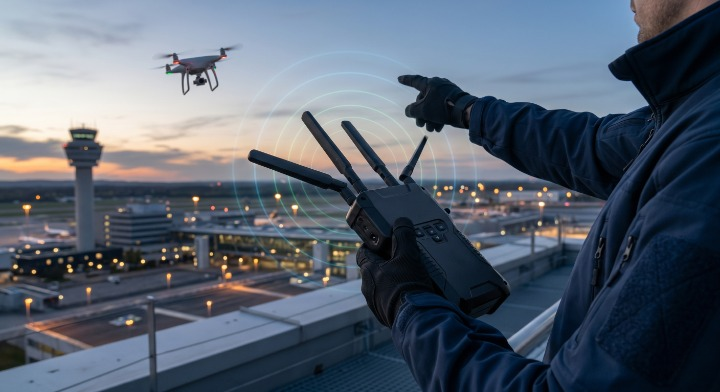
The advantages of drone signal jammers include their ability to establish a non-lethal defensive perimeter, protect sensitive data from aerial espionage, and neutralize threats to critical infrastructure without physical debris. As unmanned aerial vehicles (UAVs) become increasingly accessible, the risk of unauthorized incursions into your private or restricted airspace has skyrocketed. Think about the vulnerability of a data center or a high-security facility when a rogue drone can hover overhead, capturing high-definition footage or delivering illicit payloads in minutes. By deploying professional Drone Jammers, you gain a decisive electronic shield that severs the communication link between the drone and its pilot, forcing the craft to ground or return to its base immediately.
Why is drone security a priority for critical sites?
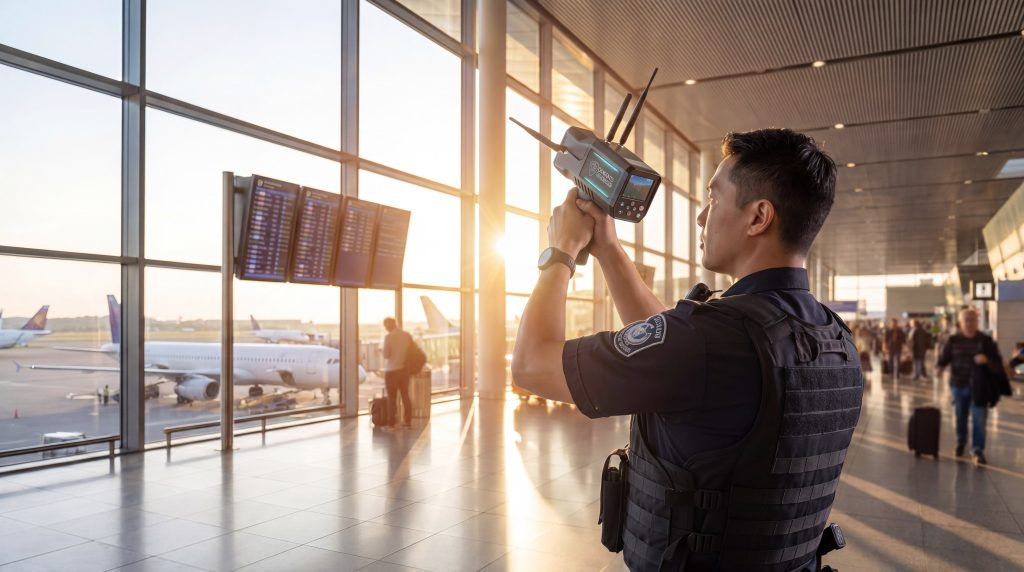
Drone security is essential for critical sites because unauthorized UAVs can conduct reconnaissance, deliver contraband, or disrupt essential services like air traffic. The deployment of Drone Jammers ensures that these high-value assets remain protected from both intentional attacks and accidental interference from hobbyist pilots.
Securing the Infrastructure Perimeter
Protecting the perimeter of a power plant or airport requires a proactive approach to signal interference.
- Airspace Denial: Jammers create a localized “no-fly zone.”
- Operational Safety: Prevents drones from colliding with critical equipment.
- Real-time Response: Neutralizes threats the moment they are detected.
But that’s not all. You must consider how a single drone can shut down an entire international airport, costing millions in lost revenue and grounded flights.
Key Takeaway: Establishing a signal-based defensive layer is the most effective way to ensure that critical infrastructure remains operational and secure from aerial threats.
| Security Benefit | Impact on Infrastructure |
|---|---|
| No-Fly Zone | Prevents unauthorized entry into sensitive airspace. |
| Signal Severance | Stops the drone from receiving pilot commands. |
| Automated Grounding | Forces the craft to land safely or return to home. |
This data illustrates why electronic warfare capabilities are no longer optional for modern security teams managing high-risk facilities.
Can jammers stop unauthorized aerial surveillance?
Signal jammers are highly effective at stopping unauthorized surveillance by disrupting the radio frequency bands used to transmit live video feeds back to a remote operator. By utilizing high-gain Drone Jammers, you can effectively “blind” an intruding craft, ensuring that your trade secrets or private events remain confidential.
Protecting Corporate and Private Privacy
Maintaining privacy in the age of 4K drone cameras requires a sophisticated RF defense strategy.
- Video Link Interruption: Blocks the 2.4GHz and 5.8GHz transmission bands.
- GPS Spoofing: Confuses the drone’s positioning system to prevent waypoint loitering.
- Data Integrity: Ensures that captured footage cannot be broadcast in real-time.
Here is why this matters: Corporate espionage is increasingly moving to the sky, where traditional fences and guards cannot reach.
Key Takeaway: Disrupting the data link is the only guaranteed way to prevent a drone from successfully completing a surveillance mission over your property.
| Privacy Feature | Description |
|---|---|
| Frequency Masking | Overlays noise on the drone’s control frequencies. |
| Blind Flight | Cuts the FPV (First Person View) feed to the pilot. |
| Position Denial | Prevents the drone from maintaining a steady hover. |
Effective privacy protection relies on the ability to dominate the local RF spectrum before the intruder can transmit sensitive data.
How do jammers disrupt illegal smuggling operations?
Jammers disrupt smuggling by creating an invisible barrier that prevents drones from delivering contraband into prisons or across international borders. These Drone Jammers target the specific command frequencies used by heavy-lift drones, making it impossible for the pilot to navigate to a specific drop-off point.
Countering Contraband Deliveries
Prison security relies on the ability to stop drones from dropping weapons, drugs, or phones to inmates.
- Precision Blocking: Targets the specific ISM bands used by commercial drones.
- Forced Descent: Causes the drone to land outside the prison walls.
- Operator Identification: Often leads the drone back to the pilot’s location.
Think about it for a second. A drone can bypass every physical wall and guard tower in a facility, making electronic defense your only viable option.
Key Takeaway: Signal jamming is the primary tool for law enforcement to negate the tactical advantage of drones used in smuggling and illicit transport.
| Smuggling Defense | Resulting Action |
|---|---|
| Command Overload | Pilot loses the ability to steer the payload. |
| Signal Barrier | Drones cannot enter the designated restricted zone. |
| Payload Retrieval | Security can safely recover the craft and its contents. |
Analyzing these outcomes shows that preventing the “last mile” of drone delivery is essential for maintaining institutional security.
What role do jammers play in securing public gatherings?
Jammers play a critical role in public safety by preventing unauthorized drones from flying over large crowds at stadiums, concerts, or political rallies. Using professional Drone Jammers allows security personnel to neutralize a potential threat without the risk of the drone crashing into a densely populated area.

Ensuring Safety at Large-Scale Events
Crowd control now extends into the vertical dimension to prevent accidents or intentional harm.
- Accident Prevention: Stops malfunctioning drones from falling into a crowd.
- Panic Mitigation: Removes the psychological threat of an unidentified craft overhead.
- VIP Protection: Secures the immediate vicinity of high-profile targets.
But there is more to the story. In a high-stakes environment like a stadium, a kinetic takedown (shooting it) is far too dangerous for the spectators below.
Key Takeaway: Handheld or fixed jamming systems provide a safe, invisible method to manage airspace over thousands of people simultaneously.
| Event Security | Operational Advantage |
|---|---|
| Invisible Shield | Crowd remains unaware of the defensive action. |
| Controlled Landing | Directs the drone to a safe, unpopulated zone. |
| Scalability | Can cover an entire city block or a specific stage. |
The ability to neutralize threats silently and safely makes signal disruption the gold standard for public event management.
Why are signal jammers vital for military operations?
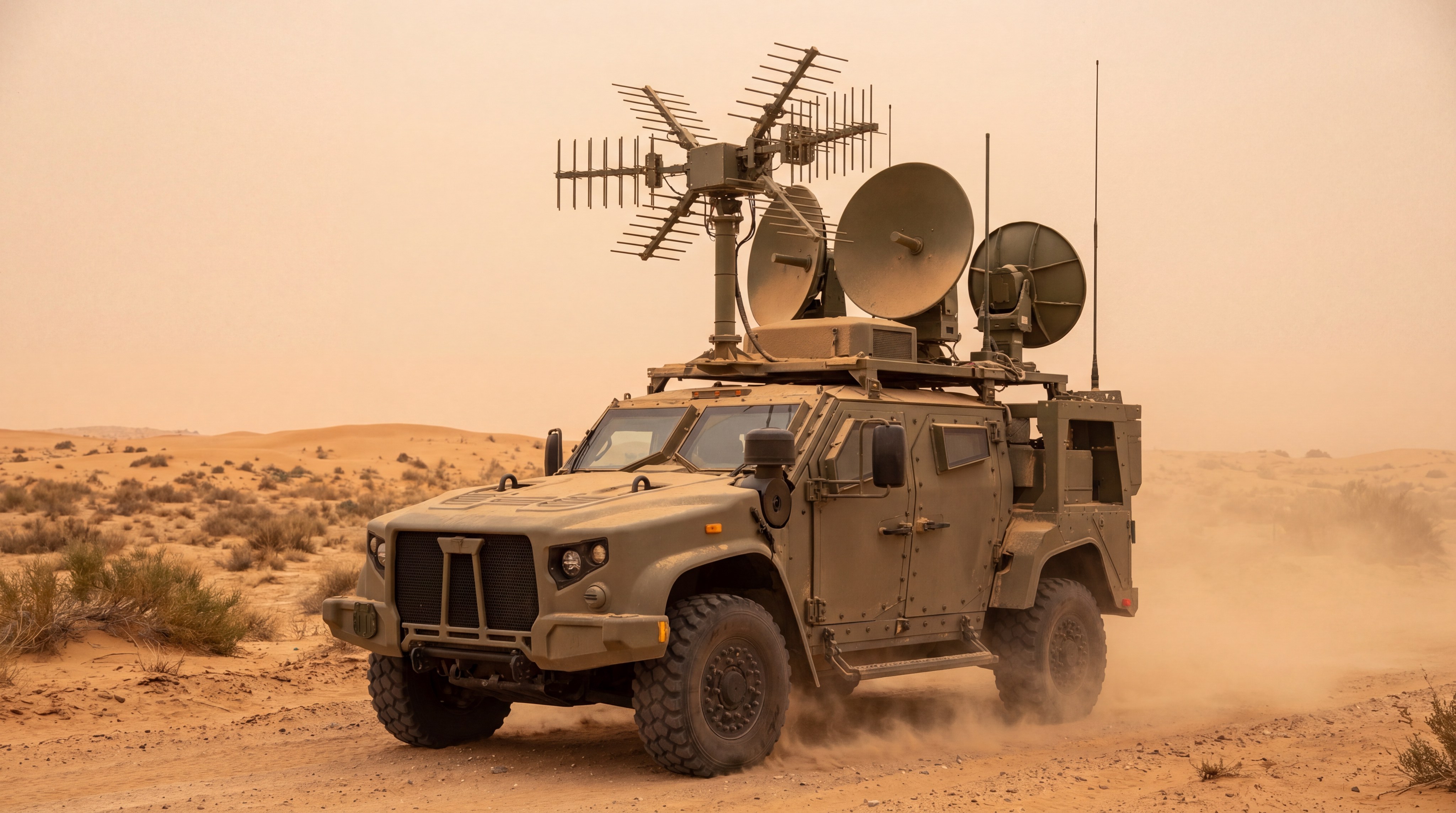
Signal jammers are vital for military forces because they provide a defense against hostile reconnaissance and loitering munitions on the battlefield. Modern Drone Jammers allow units to mask their movements and protect high-value assets from enemy “eyes in the sky” that provide real-time targeting data.
Electronic Warfare on the Front Lines
Tactical superiority depends on the ability to deny the enemy the use of the electromagnetic spectrum.
- Reconnaissance Denial: Prevents enemy drones from spotting troop movements.
- Force Protection: Neutralizes “suicide drones” before they reach their target.
- Signal Cloaking: Makes friendly assets harder to detect via RF signatures.
Believe it or not, the modern battlefield is defined more by the RF spectrum than by traditional firepower alone.
Key Takeaway: In a combat environment, a drone jammer is a life-saving tool that blinds the enemy and prevents precision-guided strikes.
| Tactical Need | Jammer Capability |
|---|---|
| Stealth Support | Blocks drones from broadcasting troop locations. |
| Immediate Defense | High-power output stops incoming kamikaze drones. |
| Frequency Agility | Can adapt to block multiple drone types at once. |
This strategic overview highlights why military-grade RF amplifiers are the backbone of contemporary electronic defense systems.
Can jammers mitigate the risk of drone-based terrorism?
Jammers mitigate the risk of drone-based terrorism by intercepting the flight path of weaponized commercial drones before they reach their intended target. Deploying high-power Drone Jammers gives counter-terrorism units a proactive window to disable a threat while it is still far from a populated area.
Countering Non-Traditional Aerial Threats
A weaponized drone is a cheap but devastating tool that requires a sophisticated electronic response.
- Long-range Interception: Neutralizes threats kilometers away from the target.
- Broad-spectrum Blocking: Covers custom frequencies used by modified craft.
- Persistent Defense: Fixed installations provide 24/7 coverage for government buildings.
You see, the speed of a drone makes physical response nearly impossible; only the speed of light—RF signals—can stop it in time.
Key Takeaway: The ability to instantly sever the command link of a hostile craft is the most effective deterrent against drone-based improvised threats.
| Defense Pillar | Strategic Function |
|---|---|
| Early Detection | Identifies the incoming signal before visual contact. |
| Link Saturation | Overwhelms the drone’s receiver with white noise. |
| Fail-safe Activation | Triggers the drone’s internal safety protocols to land. |
By prioritizing electronic disruption, security agencies can prevent high-impact incidents before they transition from a flight to an attack.
Is jamming a safer alternative to kinetic intervention?
Jamming is significantly safer than kinetic intervention—such as shooting a drone or using nets—because it does not create falling debris or uncontrolled projectiles. By using Drone Jammers, you influence the software of the drone rather than its hardware, allowing for a controlled descent that minimizes collateral damage.
The Benefits of Electronic Takedowns
Electronic warfare offers a “clean” solution to drone threats in urban and sensitive environments.
- Zero Debris: The drone stays intact, preventing injury to people on the ground.
- Forensic Preservation: Allows authorities to recover the drone’s internal data for investigation.
- Liability Reduction: Eliminates the risk of stray bullets or crashing fragments.
Make no mistake: In a city environment, firing a weapon at the sky is often more dangerous than the drone itself.
Key Takeaway: Choosing signal disruption over physical force protects the public and preserves the evidence needed to prosecute unauthorized operators.
| Method | Risk Profile | Outcome |
|---|---|---|
| Kinetic (Shotgun) | High (Falling lead, shrapnel) | Destruction of evidence. |
| Electronic (Jammer) | Low (No physical impact) | Safe recovery of hardware. |
This comparison clarifies why major security organizations favor RF solutions for managing unauthorized aerial incursions.
How cost-effective are modern drone jamming solutions?
Modern jamming solutions are highly cost-effective because they provide a reusable, solid-state defense that protects assets worth millions for a fraction of the cost. Investing in high-performance Drone Jammers reduces the need for constant manned patrols and avoids the massive financial losses associated with facility shutdowns.
Evaluating the Return on Investment
Strategic RF defense pays for itself by preventing single, high-cost incidents.
- Low Maintenance: Solid-state amplifiers have no moving parts and long lifespans.
- Resource Optimization: One jammer can cover the same area as several security teams.
- Damage Avoidance: Prevents costly repairs to infrastructure or loss of intellectual property.
It’s worth noting that the cost of one major security breach far outweighs the initial price of a comprehensive jamming system.
Key Takeaway: Professional-grade jammers are a capital investment that secures your operational continuity and long-term financial stability.
| Cost Factor | Long-term Impact |
|---|---|
| Equipment Cost | One-time investment for years of coverage. |
| Operational Savings | Reduces the requirement for physical security guards. |
| Risk Mitigation | Eliminates the possibility of multi-million dollar data theft. |
As shown, the financial benefits of preemptive electronic defense are clear for any enterprise-level security strategy.
What are the legal frameworks for using drone jammers?
The legal frameworks for drone jammers typically restrict their use to government, military, and authorized critical infrastructure operators to prevent interference with public communication. However, as the threat from Drone Jammers evolves, many regions are expanding the legal use cases for private security in high-risk zones.
Navigating Regulatory Compliance
Understanding the local laws regarding the radio frequency spectrum is vital for legal deployment.
- Authorized Use Only: Most countries require specific permits or licenses.
- Frequency Restrictions: Jammers must be tuned to avoid blocking emergency services.
- Legal Protections: Specific laws protect operators who use jammers for site defense.
Keep this in mind: Using a jammer without authorization can lead to heavy fines, so always consult with an RF expert before deployment.
Key Takeaway: Effective and legal drone defense requires a balance between security needs and the preservation of the local telecommunications environment.
| Legal Pillar | Requirement |
|---|---|
| Licensing | Government approval for RF transmission. |
| Site Specificity | Usage often limited to the physical boundaries of a facility. |
| Training | Operators must be certified to use the equipment safely. |
A compliant approach ensures that your security measures do not inadvertently interfere with legitimate wireless infrastructure.
Why choose GaN-based modules for signal jamming?
GaN-based modules are the superior choice for signal jamming because they offer higher power density, better thermal efficiency, and a wider frequency range than traditional silicon modules. Utilizing GaN in Drone Jammers allows for longer range and more reliable performance in the harshest electromagnetic environments.
The Technological Advantage of Gallium Nitride
GaN technology represents the cutting edge of RF power amplification for modern defense.
- Superior Range: Higher output power means you can stop drones from further away.
- Efficiency: Less heat is generated, allowing for smaller, more portable devices.
- Robustness: GaN modules are more resistant to signal reflection and high-stress operation.
The bottom line is simple: If you want to stop a sophisticated drone, you need the power and efficiency that only GaN can provide.
Key Takeaway: Upgrading to GaN technology ensures that your jamming system remains effective against the next generation of advanced, long-range UAVs.
| Module Type | Efficiency | Thermal Handling |
|---|---|---|
| Silicon LDMOS | Moderate | High heat, larger cooling needed. |
| GaN (Gallium Nitride) | High | Low heat, compact and powerful. |
The evolution toward GaN modules is a direct response to the increasing technical capabilities of the drones you are trying to stop.
*
Summary FAQ
Can I legally operate a drone jammer in my local area?
Legality is generally restricted to government, military, and authorized critical infrastructure entities. You should always verify local telecommunications laws and obtain the necessary permits before purchasing or operating RF jamming equipment.
What’s the best way to choose the right jammer frequency?
Concise judgment: Look at the target drone’s specifications. Most commercial drones operate on 2.4GHz and 5.8GHz, but professional defense systems should also cover common GPS bands (L1/L2) and specialized 433MHz/900MHz links for full coverage.
Can I block every type of drone with one device?
Judgment: Mostly, if the device is multi-band. A multi-frequency jammer can neutralize about 95% of the drones on the market, though custom-built or military-grade drones may require specialized broadband disruption.
How do I determine the effective range of a drone jammer?
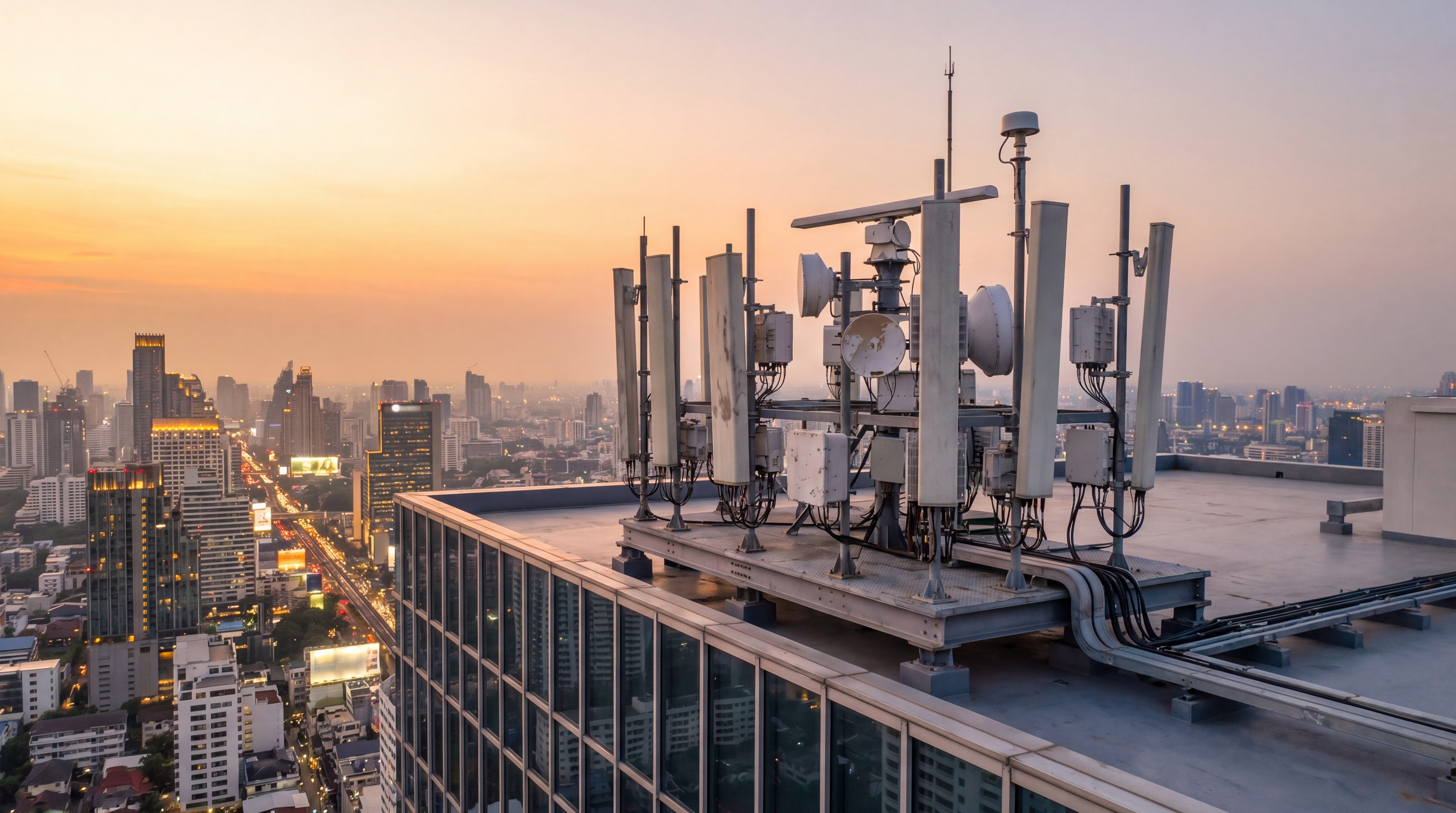
Judgment: Range is a factor of output power and antenna gain. Typically, handheld units reach 500m to 1km, while high-power fixed installations can disrupt signals at distances of 3km to 5km or more, depending on the environment.
What’s the best way to install a fixed jamming system?
Judgment: Height and line-of-sight are paramount. Mounting the system on the highest point of your facility with directional antennas ensures the greatest coverage area and the strongest signal density against incoming craft.
*
Securing Your Future Airspace
The advantages of drone signal jammers extend far beyond simple interference; they provide the peace of mind that your privacy, assets, and people are protected from the invisible threats of the modern age. From securing the perimeters of critical infrastructure to ensuring the safety of thousands at a public gathering, these electronic shields are the ultimate tool for airspace sovereignty. CorelixRF has solved the problem of unauthorized aerial incursions by providing factory-direct, high-performance RF amplifier platforms that empower your security team to act with precision and reliability.
If you are ready to take control of your sky and protect your organization from evolving UAV threats, we invite you to contact us today.
CorelixRF Vision: With over 30 years of engineering excellence and a manufacturing facility covering 33,995 m², CorelixRF is dedicated to providing world-class RF power solutions that safeguard the critical communications and security infrastructures of tomorrow.
Authorized RF engineering and compliance review
For regulated RF systems, this page should be used as an engineering and compliance review path, not as a public deployment checklist. CorelixRF starts with authorization status, operating region, frequency plan, output limit, antenna interface, safety controls, thermal limits and acceptance documents.
- RFQ checklist – send the data buyers usually forget, including band, power, duty cycle, interface and test standard
- delivery documentation – check what documents can support incoming inspection, FAT review and long-term maintenance
- quality and certification review – review the quality and compliance evidence before the project moves into procurement
- RF front-end platform – compare the RF chain as a system instead of selecting one isolated module
- RF configurator – turn frequency, power, thermal and interface requirements into a first configuration brief
- case studies – review similar engineering paths before sending an RFQ
- engineering contact – send the application notes, block diagram or target specification to engineering sales
This keeps the discussion inside lawful, authorized RF programs while still giving procurement teams a clear way to request amplifier, antenna, SDR source, documentation and factory review.
Incident RF Assessment Hardware Path
For authorized UAS incident reviews, connect measured site conditions to RF front-end architecture, RF power amplifier margin and antenna/load planning. Share incident records, bands of interest, required evidence, duty cycle, VSWR exposure and documentation needs through the RF inquiry form.