
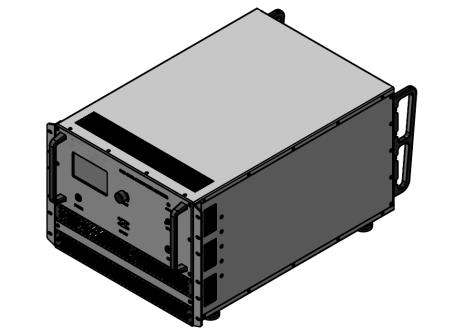
A facility requirement becomes useful when it distinguishes the observation from the assumed cause. An unexplained receiver event, a coverage concern and an equipment-interface problem are different starting points. Site conditions, the affected systems and the available observations help define which question the RF hardware must answer.
The scope also depends on the functions permitted at the site and the responsibilities of the organizations involved. A product frequency range or output rating does not establish permission to operate a complete system, nor does it establish its effectiveness in that environment.
Build the brief around the decision the engineering team must make. A request to review a monitoring receiver is different from a request involving a transmitting subsystem. Name the intended functions separately, including optional functions that are disabled. This prevents a broad product label from obscuring what the proposed configuration can actually do.
Authorized scope brief: identify the function and responsible organization
Identify the operating country, site, end user, system owner and organization responsible for confirming the permitted scope. Keep the authority assessment distinct from a vendor quotation, equipment certificate or factory test. Each addresses a different question. Where permission is unresolved, label it unresolved rather than treating a commercial offer as authorization.
For United States planning, the 2020 interagency advisory on UAS detection and mitigation provides background on the need for an independent assessment of the technology’s functions. Check current requirements and the organization’s actual authority with the responsible advisers and authorities. A historical advisory or a supplier’s assurance is not project approval. For the related system or selection decision, see Airport Counter-UAS RF Review: Coordinate With Existing Aviation Systems.
RF interface package: describe the chain being reviewed
Include a block diagram showing the intended signal path, amplifier position, antenna or load, and control connections. Distinguish information interfaces from RF and supply interfaces. For every hardware boundary, identify the relevant drawing or specification and its revision. A connector name alone does not establish pin assignment, protocol behavior or electrical compatibility.
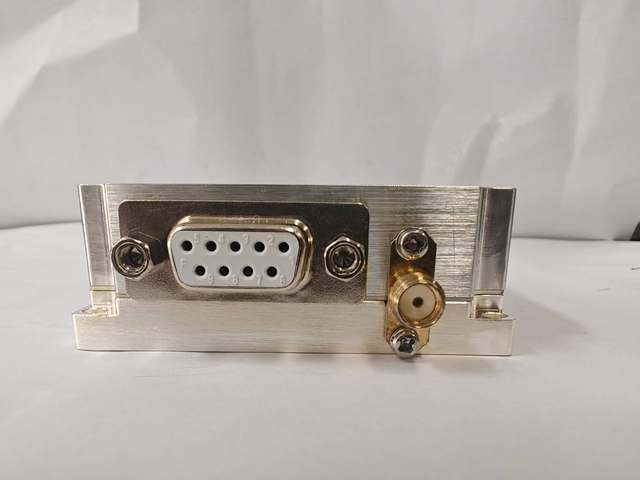
State the operating band, output definition, waveform or mode, duty cycle and expected load conditions. Add supply and cooling requirements, enclosure constraints and the proposed installation environment. A requested saturated-power value cannot stand in for a linear modulated-output requirement. Unconfirmed product parameters should remain open questions in the brief. For the component portion of the requirement, review the RF front-end platform scope and keep its hardware responsibilities separate from complete-system outcomes.
| Brief field | Useful entry | Keep separate |
|---|---|---|
| Function and authority | Named function, operator and supporting authority reference | Commercial availability |
| RF chain | Configuration drawing and intended operating conditions | A brochure frequency label |
| Interfaces | Applicable RF, supply and control definitions | Connector appearance |
| Acceptance evidence | Required quantity, condition, limit and report scope | An unspecified passed claim |
Make the evidence request answer the engineering question
Specify which test curves, inspection records and configuration documents are needed, and what they should demonstrate. A factory RF result for an identified unit can support that unit under the reported conditions. It does not establish site effectiveness, permission to operate or the behavior of a different integrated system.

Use the testing and documentation information to discuss the required records. Send the facility scope, RF block diagram and unresolved interface questions. Keep the current configuration and the decision requested together so the review can identify a suitable next engineering step.