
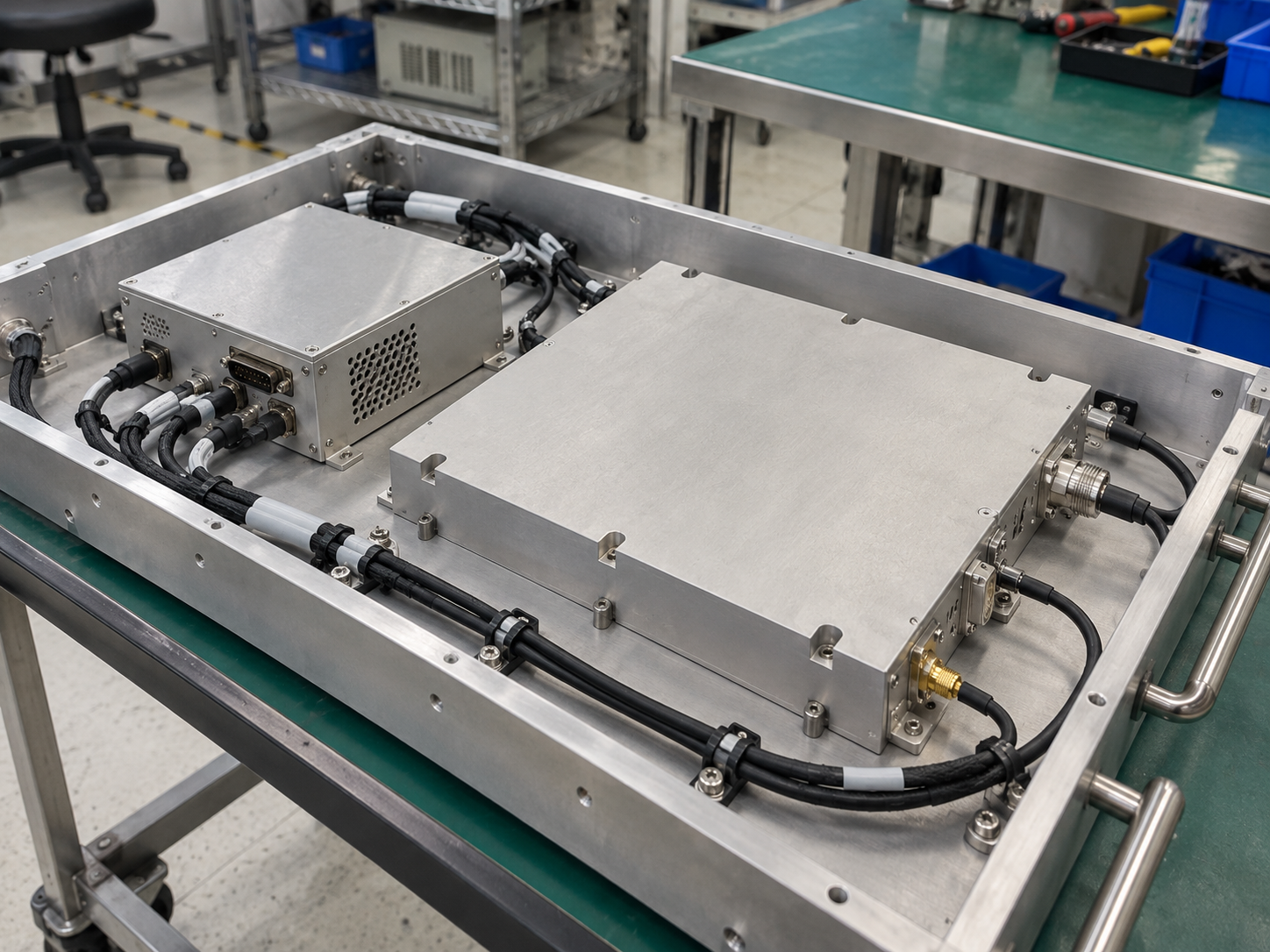
An RF system integration checklist should release each handoff against the component records and interface revisions that support it. This sequence prevents an unresolved component assumption from becoming an accepted system fact. The approved interface definitions remain the basis for the work.
Release component records first
Identify the source, amplifier, controller, supplies, cooling and transmission hardware by revision. Keep the RF amplifier input-signal record with the source-to-PA handoff so the delivered waveform and drive can be reconstructed. Mark missing limits or acceptance files before assembling the chain.
Check adjacent boundaries
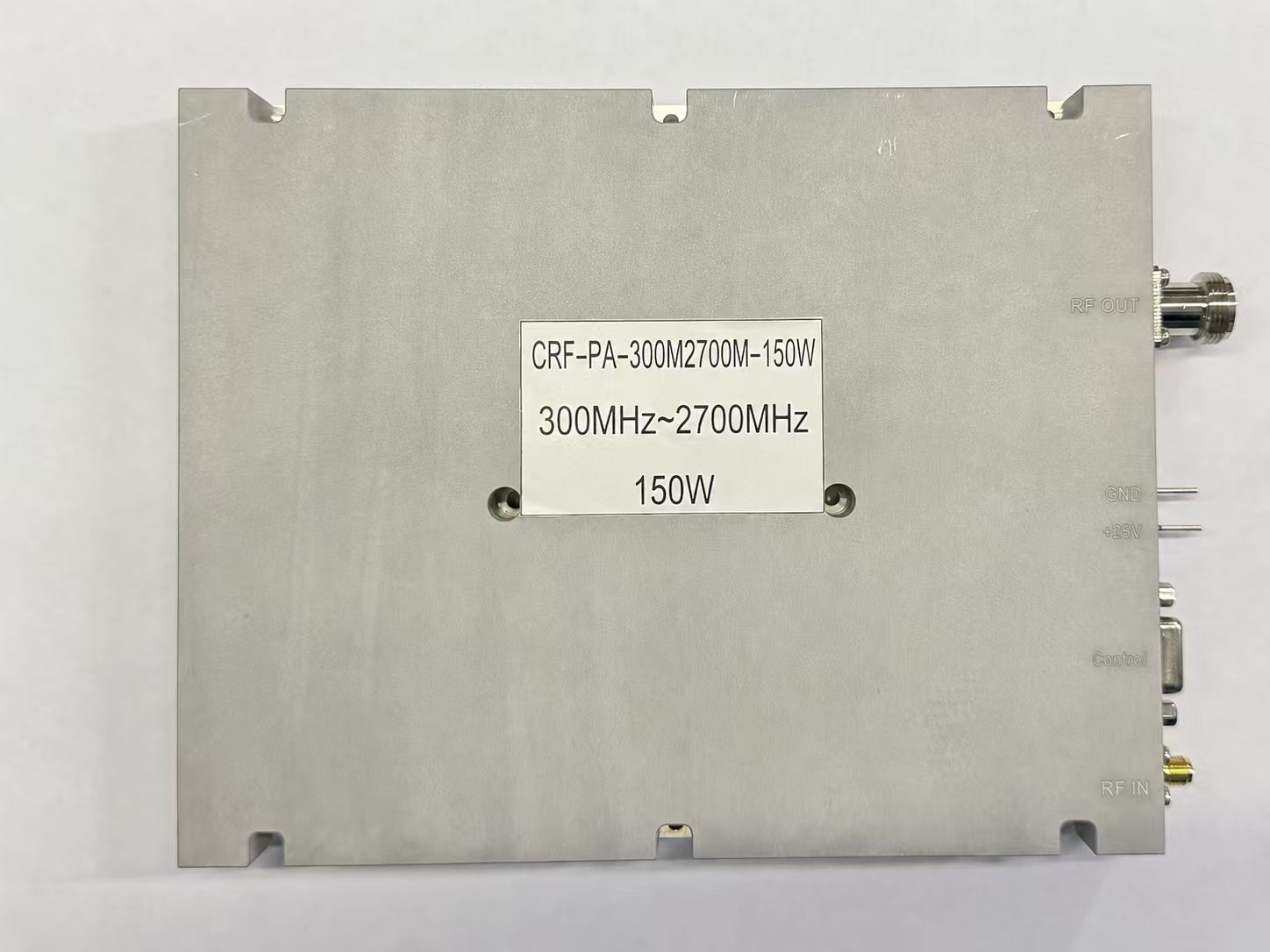
Compare both sides of each connection against the RF interface control document. Identify the check owner, procedure, instruments and criterion. Physical connection and receipt of a document are not technical release of the interface.
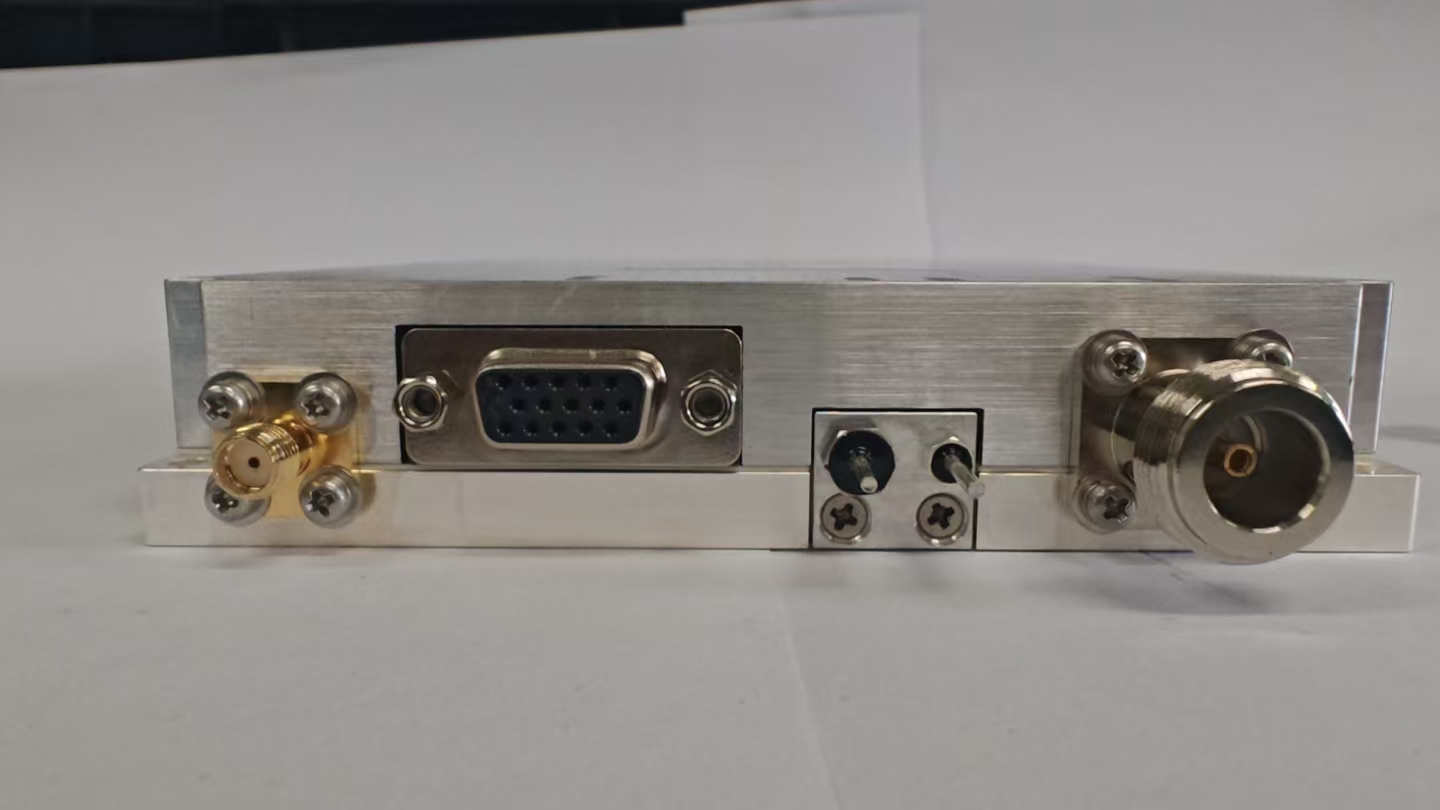
Use the manufacturer’s approved startup and protection procedures. This sequencing record should reference those procedures rather than invent settings or substitute a generic energization instruction.
Release an integrated configuration
Record hardware/software state, corrections, dependencies and deviations for the integrated test. Where outside work is required, define it against the RF hardware integration support scope and assign its deliverable before accepting the corresponding boundary.
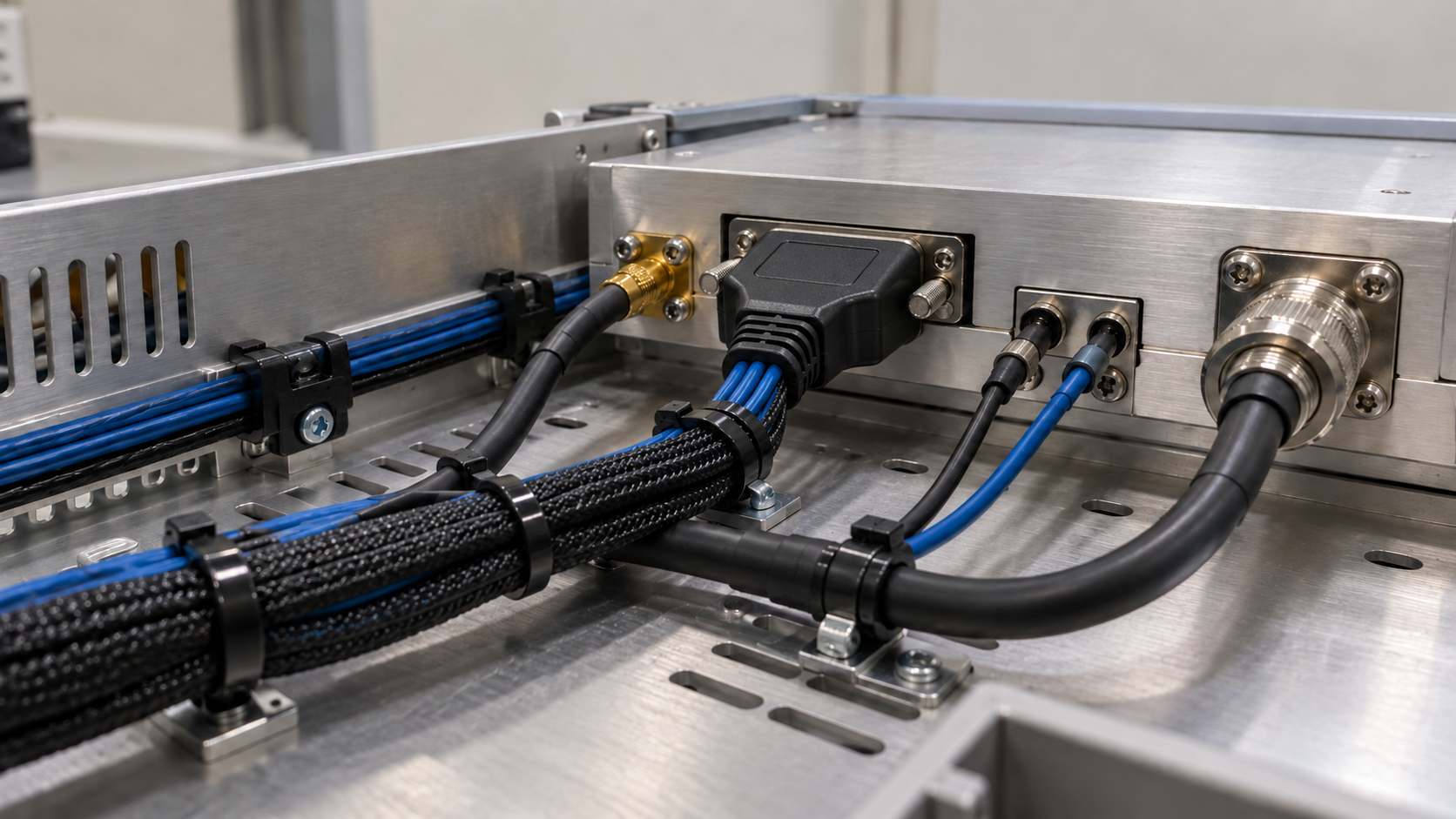
An integration handoff sequence
Sequence evidence releases rather than inventing a universal power-up procedure. Device-specific operation follows the controlled equipment instructions.
| Handoff | Prerequisite | Release evidence |
|---|---|---|
| Procurement to integration | Agreed configuration, drawings and exclusions | Receiver acknowledges each file/revision; unresolved interface conditions remain open despite document receipt |
| Component to adjacent interface | Port definitions and compatibility review | Verified pair of interfaces and open deviations |
| Subsystem to integrated test | Applicable component results and controlled setup | Integrated configuration and acceptance plan |
| Test to acceptance | Traceable results and deviation disposition | Named acceptance authority and released records |
If a prerequisite changes, RF change control identifies the affected handoff and downstream results that relied on it. Return to that handoff, retain unrelated component results with a reason, and revalidate the changed path before extending release to the revised configuration.
The deliverable is a handoff matrix: boundary, prerequisite evidence, responsible party, test record, disposition, and release status. The module interface comparison defines what must match; the FAT responsibility matrix identifies who supplies and accepts the resulting evidence.
Provide the RF chain handoff sequence and the component evidence required at each supplier boundary.
Discuss RF Integration Handoffs