
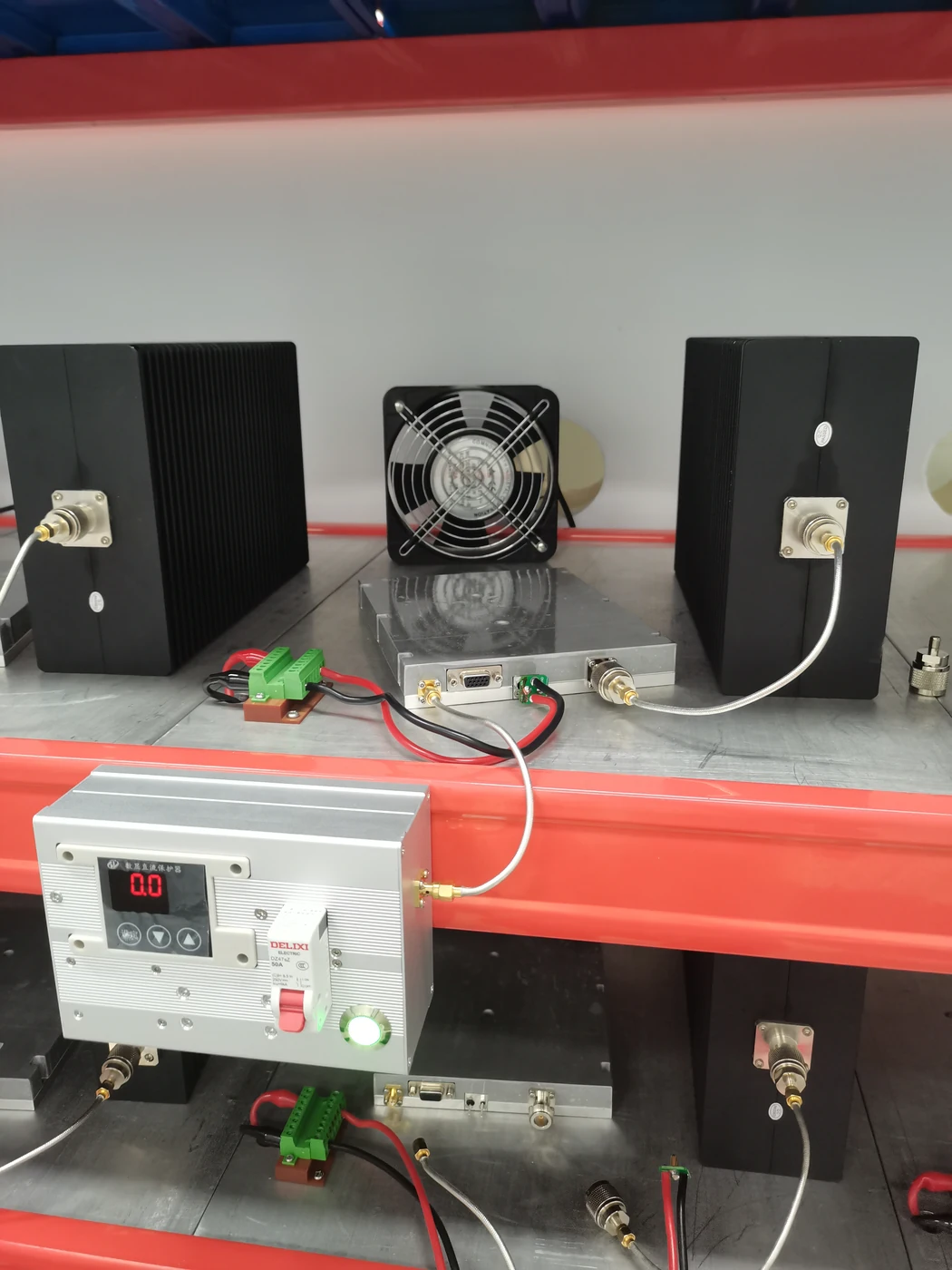
RF amplifier reliability claims need evidence whose sample, exposure, and failure definition match the claim being reviewed. Terms such as rugged or high reliability do not supply an acceptance criterion. For an RF module, begin with the mission profile or operating sequence approved by the project.
Define the required function
State which output, monitoring, control, and fault-response functions must remain available and what constitutes failure. Separate a temporary excursion, a recoverable fault, and permanent damage. Specify the temperature boundary, duty, supply conditions, cooling, load conditions, and storage or transport requirements relevant to the claim.
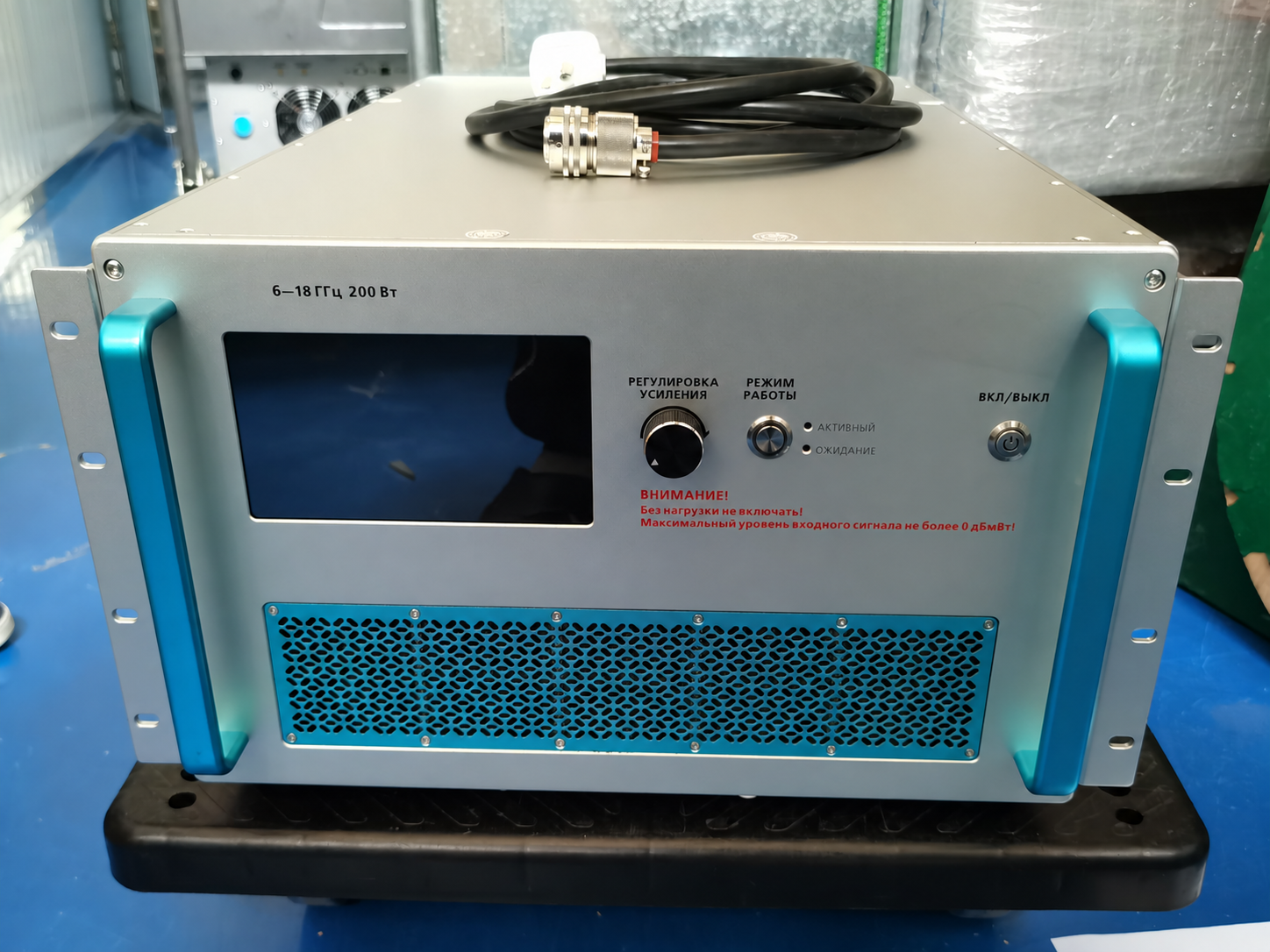
Match the evidence to the claim
First identify whether the claim concerns a delivered unit, environmental qualification, a prediction or observed service behavior. RF amplifier environmental testing explains qualification conditions; quality and certification documents have their own scope and validity. Neither a certificate nor a collection of unrelated reports supplies a lifetime result.
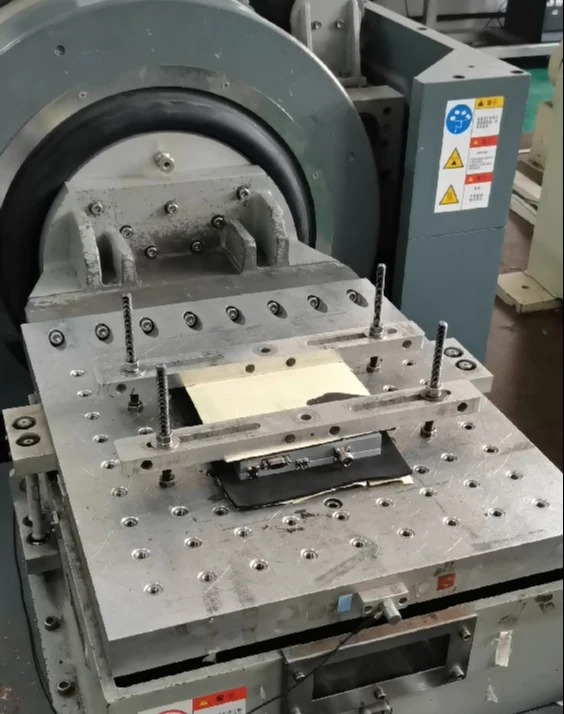
Identify the failure modes addressed by each check. When the evidence comes from a prototype, use the RF amplifier prototype review to compare its configuration with the delivered revision before extending any result to that assembly.
Agree the acceptance record
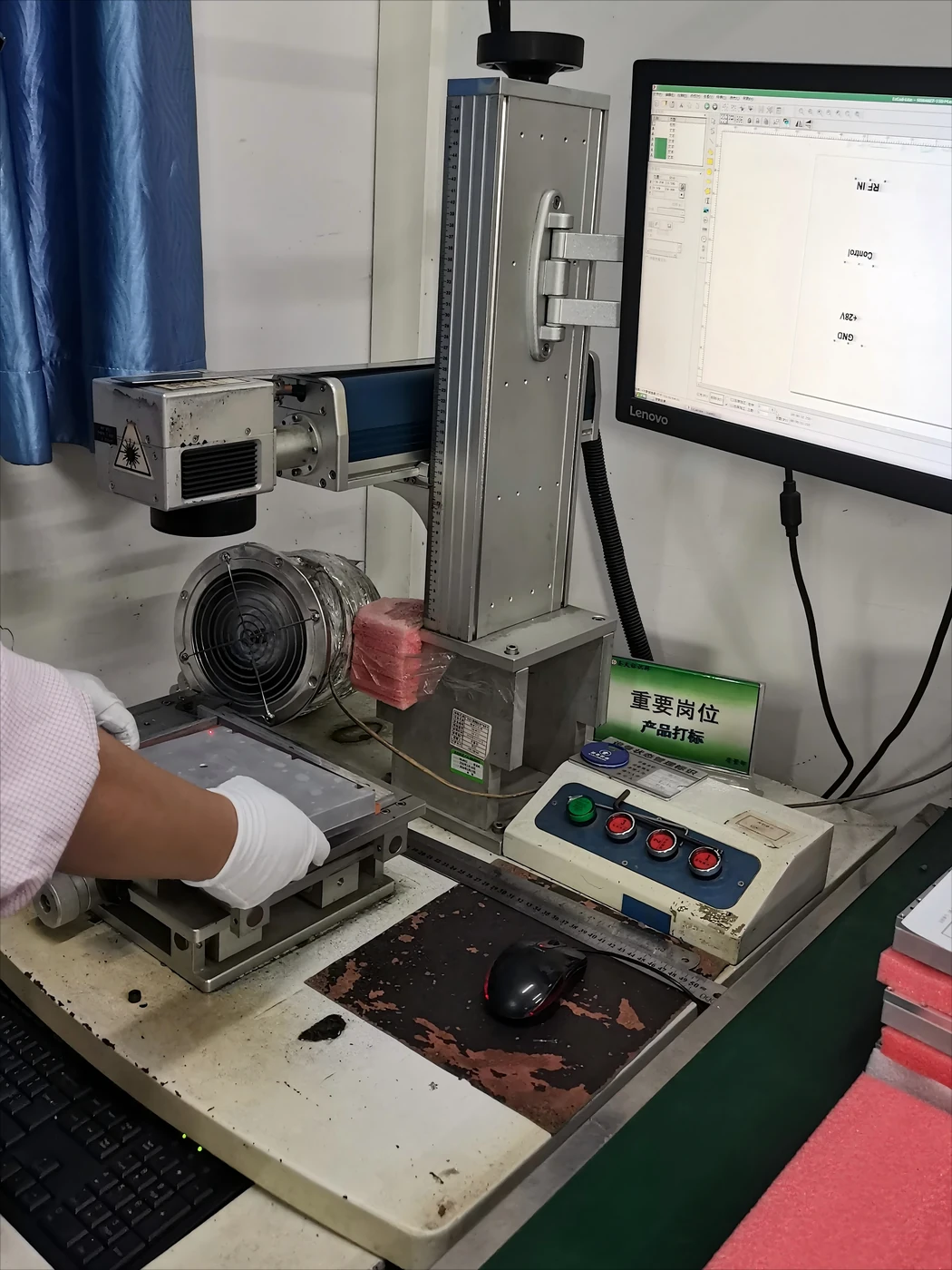
Agree sample selection, deviations and retest rules before release. The RF integration factory acceptance test review assigns execution, witnessing and acceptance responsibility; record the serial numbers and configuration actually checked.
Match each reliability claim to its evidence
| Claim | Relevant evidence | Boundary to retain |
|---|---|---|
| Delivered unit meets acceptance checks | Serial-linked functional acceptance report | A pass supports that unit’s named functions and recorded conditions, not population life |
| Design survives a stated environment | Qualification method, configuration and results | Applicability to the delivered revision |
| Predicted failure rate | Prediction method, assumptions and mission profile | A calculated prediction is not an observed service-life measurement |
| Observed service behavior | Population, exposure time and failure definitions | Coverage and excluded cases remain visible |
Check applicability in order: model and revision; failure definition; exposure conditions and duration; then the sample or population denominator required by that claim. A missing denominator leaves a life or observed-rate conclusion unresolved while a matching unit’s functional acceptance can remain valid. Request that missing field rather than more unrelated reports. Use the RF integration support route to define the hardware interfaces, supplied scope and records needed for the proposed installation.
Include the requirement-to-evidence table in your CorelixRF technical inquiry. Compare the requested records with the factory testing and documentation scope and distinguish available matching files from checks requiring a separate agreement.
The deliverable is a requirement-to-evidence table with unresolved items visible. System availability, including restoration time and external dependencies, belongs in the separate availability review.
List the exact RF module, operating conditions, reliability requirements, and evidence still needed from the supplier.
Request Module Evidence Clarification